
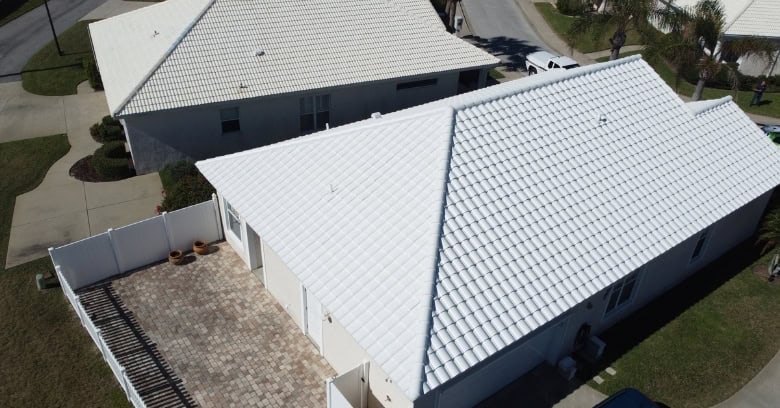
Trying to Find Roof Inspection in Groveland Florida?
APC Roofing covers everything from a routine checkup to a complete replacement, whether the covering is shingle, metal or tile.
Phone 407-270-1129, and a roofer schedules a visit to look at the house.
What Keeps a Roof Working: the Basics
The topmost material is nothing more than the outer layer, and a water barrier, plywood and framing sit below the surface. Strips of flashing cover the gap at a chimney, a pipe or a valley, and water there rarely traces back to worn shingles close by.
Airflow through the attic belongs to the roof system as much as any material, since heat and humidity held there wear down the wood and covering overhead. A stain on an upstairs ceiling can trace back to any level of the roof, and work confined to the outside can miss the real source.
Everyday Work of a Roof: Behind the Shingles
Laps and pitch steer rainfall toward the gutters, and the fastening pattern resists wind uplift. The rafters and the deck carry the weight overhead, snow included at the colder end of our territory, and openings low and high let moisture escape the attic.
Water is the covering's job, and wind is the fastening's task, and holding the whole thing up falls to what is underneath. A weak component shows up as a sign of trouble somewhere else on the roof, and the real remedy sits back where the fault started.
Small Components on a Roof: Not All Equal
Most of the slope is designed to hold up for decades, but a neoprene sleeve at a pipe fails well ahead of that span. Water works past that spot and follows the framing down, and paint bubbles on the ceiling below.
Sealant around a skylight loses hold after enough summers, and metal flashing rusts at bends and cut ends. The capping pieces craze down the center, because wind and weather strike the peak harder than the slopes below.
Spotting Trouble Without a Ladder: What Turns Up at Each Point
From the yard, the shape of the roof reveals dips, sags and wavy planes, and the eave boards and downspouts can be sized up as well. Through binoculars, torn collars, lifted tabs and bare patches come into focus, but soft decking can only be felt from up close.
Crouched at each pipe, a roofer feels for gaps and traces the flashing along every wall, and the surface is checked for cracking, granule shedding and curled edges. Nobody walks a covering that is wet or too steep, and the view comes instead from a ladder at the gutter line.
The Attic: a Homeowner's Tour
Discolored wood around a fastener points to water that beat the covering, and a soft, wet feel means the entry point is still open. Light passing through the decking reveals a breach, and the distance from the ridge and gable gets measured so the spot can be found outside.
Rust on the nail shanks comes from moisture in the house, not rain, and a matted, faded patch nearby confirms the same condition. Insulation stuffed into the eaves, or a bath fan ducted into the attic instead of outside, gets found only from inside, so a street-level glance never catches faults of that kind.
What Comes Home With You: a Plain Account
What turns up gets documented with photographs matched to locations on the roof, and a line of text says what each image shows. Parts in fine shape are covered as plainly as parts that are not, and trouble spots are ranked from most to least urgent.
A saved report from an earlier stop gives the next check a baseline, and movement across seasons reads more directly than one day's condition. A roof checked on a steady yearly cycle seldom surprises the owner, and large jobs show warning signs well ahead of the work becoming pressing.
Keeping a Shingle Roof in Shape: Practical Habits
Worn boots around the stacks get exchanged for new ones, and shrunken caulk along the flashing gets a fresh bead. Branches and leaf litter come off the low points and the chimney back side, and downspouts get flushed so water moves through.
A shingle corner resealed in good weather takes little effort, but delay through the wet months lets water get in from below. Moss on a shaded slope traps moisture under the courses, and the growth gets treated and then brushed away, not blasted off.
A Regular Routine: the Basics
A roofer's walk-through belongs on the calendar every year, placed right after the toughest season for roofs in that market. The point is finding small faults before a leak forms, and repair work gets planned rather than rushed.
After rough weather, anyone can scan the roof from the yard, and ceilings on the top floor are worth a look for new rings. Checking the attic with a lamp each season makes sense: dark spots, daylight and matted insulation turn up long before anything travels any further.
The Age of a Roof Seen From the Ground: What the Years Bring
A young shingle covering lies flat with an even tone, and later in life the sun-exposed plane fades before the shaded side does. Late in a roof's run, tabs cup and granules wash into the downspouts, and mending one area seems to open another.
A reading from the ground supplies a fair estimate, but a ladder and a closer look tell the fuller story. A covering that has reached the end of a normal service life raises a replacement question, and a trustworthy contractor gives a plain answer, rather than selling more mending.
A Channel That Has Given Up: What to Watch For
Shingles hand off rainfall at the drip edge and no farther, and the gutter line handles the flow after that. A channel hung the wrong way holds a pool against the house, and the framing at that spot decays.
A give in that spot points more often to a backup than a shingle problem, and replacing the roof leaves the real cause untouched. Gutter fall and downspout placement get checked together, and the drip-edge metal and the overlap at each joint get looked over as well.
A Two-Way Exchange: An Overview
A balanced system draws air in low and releases air up high, and that flow carries built-up heat and dampness away from the attic. Where the opening gets sealed off, the attic runs hot in summer and stays sticky through humid stretches, and the covering wears out early.
A fan starved of intake draws air from the rooms below, not from outdoors, and stacking two setups the wrong way can leave one choking the other. A new covering placed over a poorly vented attic inherits the same fault, so the arrangement gets corrected while the deck is already open.
Specifications That Follow the Weather: An Overview
Where winters bite hardest at the colder end of our territory, ice at the edge shapes the details, so an adhered barrier goes under the lowest rows. On the coastal side of our area, storm winds set the nail pattern, and reinforced edge metal and sealed seams get specified.
Where big hail is common at the colder end of our region, a harder surface earns consideration, while strong sun bakes asphalt across every market we serve. Every build answers to conditions at that particular site, not habit or a standard default.
Homes and Businesses: One Steep, One Flat
A pitched covering sends water downhill by lap, and the material is commonly shingle, tile or metal panels. An office or warehouse roof depends on a flat, sealed surface, and rooftop units and drains get set directly into the surface.
A fair number of homes have a shallow strip over a porch, and shingles in that spot often leak because runoff moves too slowly. A spot built that way needs a sealed membrane tucked under the pitched roof above, and re-laying shingles there repeats the same fault.
Tarps and Emergency Covers: Done the Right Way
A barrier over a torn area keeps water out in the meantime, but nothing gets solved underneath. A properly installed cover wraps the ridge and gets pinned under wood strips, and the material gets drawn tight enough to hold quiet in a gale.
Extra reach past the opening matters on any temporary cover, since water slips in under any edge that ends too soon. Material left on for a long stretch keeps the roof from drying out, and the shingles beneath start to deteriorate.
Where the Roof Changes Direction: the Proper Method
Where shingles climb beside a wall, L-shaped pieces alternate with the courses, and a cap of counterflashing laps down from above. A brick chimney gets an apron downhill and metal set in up each edge, and a broad stack gets a diverter built into the roof behind.
Caulk troweled onto a bad seam lets go once temperatures shift the metal, and only a correct rebuild ends things for good. Eroded mortar joints let water into the brick above the flashing line, and a mason takes the stonework while a roofer takes the metal.
Getting the Scope in Writing: Items to Expect
The rundown for a job should list every product by name, and the document states whether the current layer stays or goes. A dated form covers what happens if rotten boards turn up, and the metal, the ventilation and the yard cleanup are each called out.
Competing proposals listed in detail can be read side by side, and the gaps between the two sets of paperwork come into view. A business that keeps every particular verbal gives an owner nothing to hold onto, and memory is a poor record of what got agreed.
Replacing a Roof, Step by Step: Start to Finish
Plants take tarps and hard surfaces take padding before the crew begins, and the old covering gets stripped into a trailer. Once exposed, the sheathing gets a careful look for rot and breaks, and rotten sections get rebuilt before anything gets put back down.
Ice barrier, underlayment and new flashing go down across the deck, and the main covering, the ridge line and the vents finish the work. A magnetic sweep covers the yard and the drive at the end of the workday, and the gutters get checked and cleared of scraps.
Non-Shingle Roofing Care: What Owners Should Watch
A metal system with exposed fasteners relies on the gasket beneath every fastener, and a brittle washer gets replaced whole, never smeared with anything extra. Concrete and clay tile get installed by mortar, by foam or by mechanical attachment, and the underlayment does the actual waterproofing.
Walking on the wrong spot cracks a piece, and a spare of the same profile goes in where one fails. Flat sections show trouble as standing water and raised seams, and leaves get removed from the outlets regularly.
Things an Owner Can Spot: a Checklist
- A buildup of shingle granules in the drainage, long after the covering was installed.
- Tabs curling at the corners, noticeable from across the street.
- Torn rubber where a pipe exits the deck, letting water run down into the attic.
- A brown patch on upstairs drywall, soft at the center.
- Light leaking in near a valley or a pipe, spotted during a flashlight check.
- A carpet of moss along the eaves, soaking up water after every rain.
- A bulge that catches the light at dusk, new since the previous year.
- Gaps opening where flashing meets siding, easy to spot from the yard.
Roof Inspection for Groveland Florida Households: APC Roofing's Approach
Before anything gets suggested, a roofer takes in the whole covering and the attic together, and the results come back as images plus a short written summary. Good sections get the same plain treatment as problem areas, and the homeowner decides what happens from there.
Roof Inspection Around Groveland Florida: a Roofer Who Reads the Whole Roof
Phone 407-270-1129 to schedule a visit to the property.
A Roof's Own History: Useful at Resale
Saving the install date and the product names on the invoice pays off later, and each inspection report deserves a spot in the same folder. Logging each repair by spot and by task builds a fuller picture, and given enough time the pattern becomes clear.
At sale time, questions about the roof's age and history always come up, and dated records answer all that better than memory ever could. A copy kept at a second location protects the earlier notes, since paper can be damaged or destroyed over the years.
Standards Worth Holding a Crew To: Details to Check
The field reads as straight bands, with crisp cuts where each slope ends, and every fastener stays hidden under the shingle above. Flashing at walls is new and set in properly, and any sealant appears sparing and neat.
Ventilation openings stay in place and free of debris, and the gutter runs finish straight and fastened. No nails or scraps get left in the grass or on the drive, and sawdust near a cut line is the most common leftover once the work wraps up.
Anyone who arrived looking into Roof Inspection in Groveland Florida is one step away from a straight answer. Contacting APC Roofing at 407-270-1129 puts a time on the books. Every visit covers the roof and the attic together, with nothing left unclear.
Verified

Verified
Verified
Verified
Verified


















