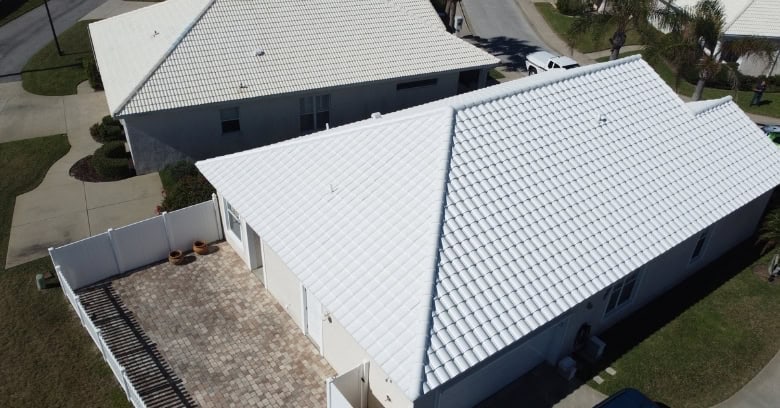
Searching for Roofing Companies in Greater Orlando Metro Area?
APC Roofing handles everything from a simple checkup to a full replacement, across shingle, metal and tile coverings.
Phone 407-270-1129, and a roofer schedules a visit to look at the house.
A Roof's Construction, Explained: the Working Structure
What shows from the curb is just the outer layer, and a water barrier, plywood and framing sit below the surface. Flashing bridges the crossing wherever a wall, a pipe or a valley breaks the field, and trouble nearby seldom means a failure in the surrounding shingles.
The attic air beneath the deck counts as part of the roof assembly, because trapped heat and damp age the deck and shingles above. Water showing indoors may come from any level of the structure, so patching only what the yard shows can fail to reach the real cause.
What a Roof Does for a House: an Owner's Overview
A sloped covering sheds every storm's water downhill, and the fastening pattern resists wind uplift. The rafters and the deck carry the weight overhead, snow included at the colder end of our territory, and openings low and high let moisture escape the attic.
Water is a job for the covering, and wind is a task for the fastening, and holding the whole thing up falls to what is underneath. A weak link puts strain on the parts around the weak spot, so repairs target the root, not the visible mark.
Minor Roof Components: A Shorter Story
A field of sound shingles can go for decades, but a rubber collar at a vent pipe gives out far sooner. Rain finds a way down past the weak point, and a ring shows up on the drywall beneath.
Sealant around a skylight loses hold after enough summers, and aluminum flashing pits at the bends in salt air. Shingles bent into caps split at the seam, as nothing shelters the peak from gusts and glare.
A Walk Around the Property Beforehand: Near and Far
From the driveway, the outline of the roof shows dips, sags and wavy planes, and the fascia and gutter runs are visible at the same time. A zoom lens singles out torn collars, lifted tabs and bare patches, but soft decking can only be felt from up close.
Once on the roof, a roofer checks every connector closely and follows the flashing at each wall, and the covering is checked for brittleness, granule shedding and curling. Nobody walks a covering that is wet or too steep, and the check is made instead from a ladder at the eave.
Inside the Attic: Signs Worth Finding
Discolored wood around a fastener points to water that beat the covering, and dampness under the fingers shows the entry is still active. A pinpoint of sky through the boards marks a gap, and the position gets noted by measurement before anyone climbs.
Corroded fasteners poking through mean the attic air runs humid, and a flattened, discolored patch nearby carries the same message. A soffit choked with insulation, or a bath fan venting into the attic space, is spotted only from inside, so ventilation trouble of that kind escapes a yard-only check.
What Comes Home With You: the Basics
What turns up gets documented with photographs matched to locations on the roof, and a short note describes what each image covers. Parts in fine shape are covered as plainly as parts that are not, and trouble spots are ranked from most to least urgent.
A filed report from an earlier check-up serves as a reference going forward, and a pattern over time tells more than a single day ever could. A roof checked on a steady yearly cycle seldom surprises the owner, and a big repair signals trouble long before the work is urgent.
Upkeep on a Shingle Roof: the Basic List
Vent collars get replaced before splitting, and dried sealant at walls and flues gets redone. Debris gets swept from the valleys and from the crickets, and the gutters get kept running and secured.
A loose piece fastened back promptly stays a minor task, but delay through the wet months lets water get in from below. Moss on a shaded slope traps moisture under the courses, and a gentle wash clears the growth, since a pressure washer strips granules.
A Regular Routine: Consistency Pays Off
A roofer's walk-through belongs on the calendar every year, placed right after the toughest season for roofs in that market. Catching things early is the whole point of a regular check, and nobody is left guessing about the roof's condition.
After rough weather, anyone can scan the roof from the yard, and bedroom ceilings upstairs can be watched for fresh spots. Looking around the attic with a flashlight now and then makes sense: rust on nail tips, daylight and wet fill appear long before anything reaches the living space.
Judging a Roof's Age From Outside: Clues at Each Stage
Freshly laid, a shingle covering is flat and evenly toned, and by mid-life the sun-facing side fades ahead of the shaded side. At the very end, tabs turn brittle and crack, and a repair rarely holds for long at that stage.
An appraisal from the yard supplies a decent guide, but only a hands-on check settles the matter. A worn-out field is past the point where patching helps, and a reliable contractor says so outright, instead of offering another fix.
The Trough Behind the Fascia: A Quick Look
The covering's job on water stops at the drip edge, and the gutter picks up the flow at the edge. A clogged or sagging channel pushes water back behind the fascia, and the material there softens over time.
A weak area there more often means bad drainage than a shingle issue, and replacing the roof leaves the real cause untouched. Gutter fall and downspout placement get checked together, and the drip-edge metal and the overlap at each joint get looked over as well.
How the Roof Breathes: What Homeowners Should Know
Cooler air should enter through the soffit and rise out at the ridge, and that path carries heat and moisture out of the attic. Where the opening gets sealed off, the attic runs hot in summer and stays sticky through humid stretches, and the whole build's service life shortens.
A fan starved of intake draws air from the rooms below, not from outdoors, and competing setups on one roof can leave the lower attic stagnant. A roof placed over bad ventilation inherits an existing weakness, so the arrangement gets corrected while the deck is already open.
Weather Decides Every Job: How Choices Differ
At the colder end of our range, ice and drifting snow set the build, so peel-and-stick material gets laid along the overhang. Nearest the coast, uplift resistance governs the fastening choices, and impact-and-wind-rated shingles and sealed seams get chosen.
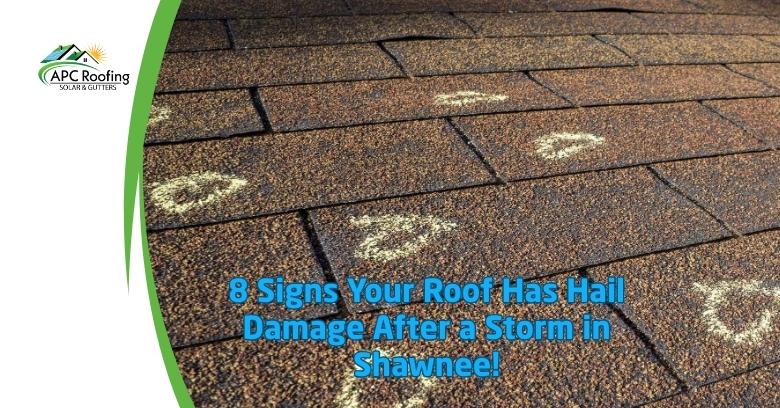
In the hail-prone part of our range, at the colder end, a tougher product deserves a look, while sun and heat age coverings everywhere we work. The details get set by conditions at that specific location, not routine, and not whatever a past project called for.
Residential and Commercial Roofs: How the Roofs Differ
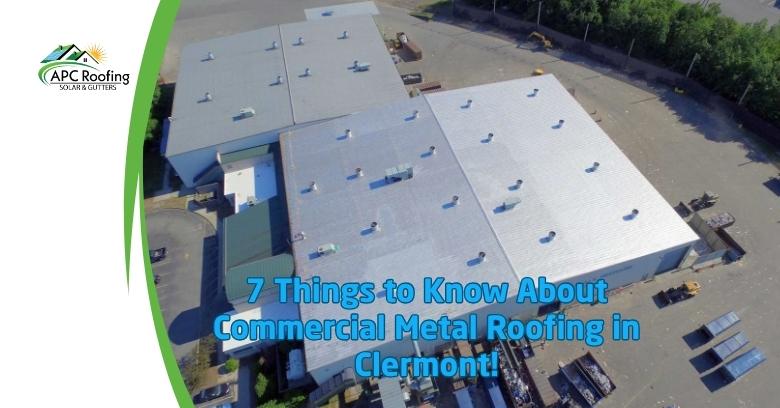
A pitched covering sheds water through overlapping courses, finished in asphalt, clay or steel. A store or warehouse shelters under a nearly flat, sealed membrane, and rooftop units and drains get set directly into the surface.
A fair number of homes have a shallow strip over a porch, and shingles over an area such as that leak because standing water finds a way under the laps. A spot shaped that way calls for a sheet membrane, tucked under the steeper roof above, and another layer of shingles there brings back the same problem.
A Cover Until Things Get Fixed: Done the Right Way
A barrier over a torn area keeps water out in the meantime, but the broken parts stay broken all the same. A cover done right crosses the ridge and gets screwed down through battens, and the material gets pulled taut so wind cannot get behind the edge.
Extra reach past the opening matters on any temporary cover, because rain slips in around a snug fit. A membrane left up too long traps moisture against the covering, and the shingles beneath start to deteriorate.
The Tie-In at a Chimney or Upright Surface: Where Leaks Start
Where shingles climb beside a wall, L-shaped pieces alternate with the courses, and an overlapping strip above keeps runoff off that metal. A brick chimney gets an apron downhill and metal set in up each edge, and a broad stack gets a saddle set into the slope nearby.
Tar smeared over a gap gives way as the metal moves, so a rebuilt detail is the only answer that lasts. Porous or cracked mortar lets moisture into the masonry higher up, and part of that repair belongs to a mason, not a roofer.
The Written Scope: a Careful Look Before the Ink Dries
A signed agreement should identify the shingle, the underlayment and the metal by name, and the document states whether the current layer stays or goes. A dated form covers what happens if rotten boards turn up, and the metal, the ventilation and the yard cleanup are each called out.
Bids laid out in full are easy to check against each other, and the true difference between the two shows plainly. A roofer who waves off the specifics gives no genuine protection, since a handshake settles nothing once a dispute starts.
What a Re-Roof Involves: What Changes at the House
Landscaping and paving get shielded before any tearing begins, and the existing layers get torn off into a dumpster. The bare deck gets checked plane by plane once the old covering is off, and weak spots come out, and solid planking follows.
A water-resistant membrane, fresh flashing and ice protection get installed next, and shingles or panels, capped at the ridge, complete the installation. The yard and drive get a magnetic sweep before the crew leaves, and a last look confirms the gutters are clear.
Maintenance Beyond Asphalt: Notes by Covering Type
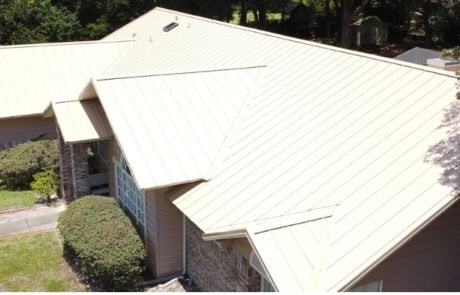
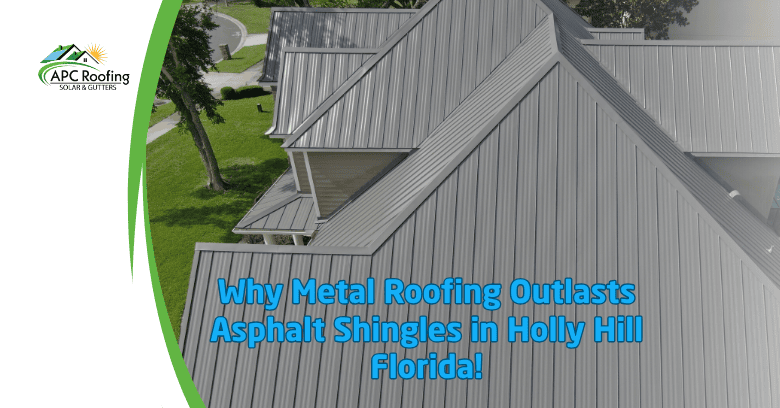
Screw-down metal panels depend on a gasket beneath each fastener, and a cracked washer gets replaced along with a fresh screw. Clay and concrete tile go down by more than one method, from mortar to foam to clips, and the underlayment handles the water, not the surface material.
A heavy step on an unsupported piece causes a crack, and a damaged unit gets pulled and replaced to match the surrounding pattern. Where part of a roof runs nearly flat, ponding and split seams are the warning signs, and debris gets cleared from drains and scuppers.
Warning Signs Around a House: Outside and In
- Granules collecting in the gutters, well after the roof was new.
- Corners turned up across a slope, most visible on the sunniest slope.
- A vent seal that has pulled loose, easy to spot with binoculars.
- Discoloration on a bedroom ceiling, soft at the center.
- Light leaking in near a valley or a pipe, beside a vent stack.
- Moss on a shaded slope, in spots that stay damp longest.
- A sag along the ridge line, seen best from across the street.
- Caulk cracked along a chimney, worth a closer look before the next storm.
Roofing Companies for Greater Orlando Metro Area Households: How APC Roofing Works
Before any advice gets given, a roofer goes over the whole covering and the attic, and the results come back as images plus a short written summary. Solid parts get described as directly as weak ones, and the choice of what to do next stays with the homeowner.
Roofing Companies for Greater Orlando Metro Area Homes: a Close Look at the Roof
Dial 407-270-1129 and set a time for a visit.
An Archive for the Roof: a Few Minutes a Year
Keeping the install date and the product names is a good start, and each report from a follow-up visit joins the same file. Logging each repair by spot and by task builds a fuller picture, and after several years the weak spots become obvious.
Selling a property brings questions about what is overhead, and paperwork with dates carries more weight than recollection. A copy kept at a second location protects the earlier notes, because a single set can be destroyed in a flood or a fire.
A Neat Result, Up Close: Quality You Can See
The field reads as straight bands, with crisp cuts where each slope ends, and every fastener stays hidden under the shingle above. At each wall and chimney, fresh metal gets set in as the flashing climbs higher, and any sealant used is a neat bead, never a smear.
Intake and exhaust vents stay open and unblocked, and the gutter runs finish straight and fastened. The lawn and driveway get a magnetic pass at the end of the job, and wood shavings from a trimmed edge are the most common leftover from the work.
Anyone weighing choices for Roofing Companies in Greater Orlando Metro Area can get a straight answer without more digging. Getting in touch with APC Roofing at 407-270-1129 sets the process moving. Every stop covers the full roof, top to bottom, and nothing is left to guess at.