Trying to Find Hail Damage Roof Repair on a Family Home in Greater Daytona Beach Metro Area?
APC Roofing examines a slope in the calm after a rough spell, noting where the elements took the heaviest toll.
Phone 386-356-2111 to have a roofer come take a look.
Wind Against a Roofline – Reading the Uneven Pull
The greatest pressure gathers at the eaves, the rakes and the ridge, while an open middle section stays comparatively calm. Air slipping beneath a raised lip pushes upward on the shingle set over the lip, so a lone nail beneath a shingle bears a following blast unaided.
A corner of a house sits where two paths of wind meet, so a tighter attachment pattern goes into that area during installation. A course close to a projecting edge takes more punishment than a course near the ridge, and a closer-set fastener arrangement there is a direct answer to that pressure.
An Invisible Step in Every Install: No Machinery Involved
A band of adhesive along a shingle's underside catches the row sitting below, which is what keeps a shingle from lifting in a light breeze. A hard gust can break a bond across a stretch of roof, though nothing shifts out of place in the first hour after.
A broken seal stays hidden until the wind picks up again, and moisture finds fasteners a tight course used to shelter. Left alone, a single unsealed shingle is a minor thing, but a cluster of parted shingles makes a real opening.
What a Bundle Label States: Read With Care
A sample piece is built new, with every tab sealed before any force is applied, and a known airspeed is pushed across the surface. A covering installed for years responds differently on a rough day than unweathered material would, and a rating drawn from the original goods stops counting once weather sets in.
Placing a fastener above the strip reduces how much surface a nail can grip, so a slope lets go sooner than a printed number suggests. A weathered mat behaves differently from the sample once tested at a factory, so a laboratory finding means less with every passing season.
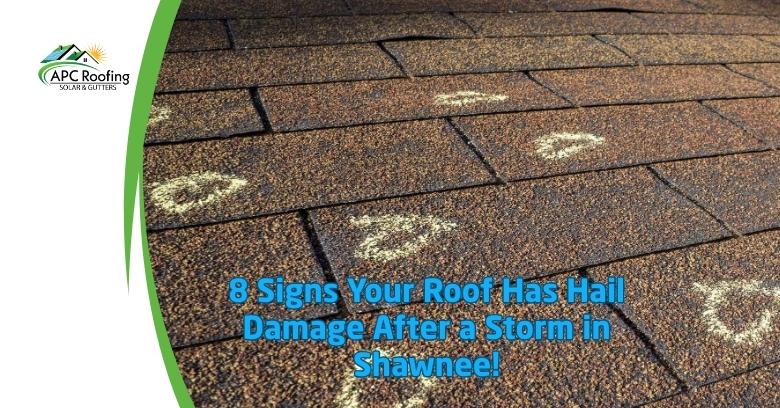
What a Hailstone Does to a Roof: More Than a Dimple
At the colder end of our territory, spring storms drop the heaviest stones, while milder weather reaches every other market too. A blow forces the outer coat into the material a shingle relies on, leaving a tender patch that feels different from the sound surface nearby.
A shingle blocks water through an inner core, not the shingle's own face, so damage that deep counts as structural, not cosmetic. A damaged section of a shingle breaks down ahead of the surface nearby, and small failures appear here and there once hail has covered a broad stretch.
The Overlooked Fixtures: Where a Blow Registers
What a thick shingle takes without complaint can bruise a light-gauge trim piece, and a mark like that does not heal the way flexible siding might. A collar broken by a strike quits sealing where a pipe passes through a roof, and a wet patch shows near an interior wall soon after. A gutter knocked about at the front still moves water as designed, but a flattened downspout holds a run's water behind a flattened point.
Every light-gauge piece up on a roof gets a separate look on the same trip, which keeps a whole roof in one set of findings. A split collar, a warped flange and a battered gutter face rarely turn up without a shingle nearby in equally rough shape, so marked shingles hardly ever stand next to hardware with no marks at all.
What Washes Off a Slope – Reading the Runoff
Colored granules bedded into a shingle block sunlight from reaching the asphalt below, and a bare patch left exposed hardens and splits within a season. Heavy rain sweeps freed grains down toward a downspout outlet, and a pile of grit at that spot shows how much broke loose.
Asphalt left bare stiffens and splits as the seasons pass, and small trouble in one place tends to spread outward from there. Whatever collects at an outlet used to be part of the covering, and the quantity found says something about how hard a storm hit.
Driven Rain on a Slope: Why a Sound Roof Still Drips
A shingle's lap directs a vertical descent down across the surface, so an angled gust finds a route no course was designed for. A turbine housing passes rain through once wind reaches a certain speed, which reads indoors like a fault in the shingles that is not really there.
A Branch Across a Slope: More Than a Scrape
Considerable energy arrives through one narrow patch, so structural members absorb the shock directly. A panel underneath can crack though the outer layer looks untouched, and the underside tells a roofer what a glance from above cannot.
Limbs raking a roof leave sweeping lines of exposed asphalt along the way, so the pattern left behind traces how far that motion carried. A cracked plank is only reachable from the top of the roof, and the finished patch ends up wider than the mark visible above.
What a Flashlight Finds Overhead: Seen From Below
A gleam higher up signals a gap in the roof, so the precise place gets logged before anything else is disturbed. Damp sheathing stains in a pattern that follows the path water traveled, so tracing the mark toward the highest point reveals the source.
Compressed insulation records a history of repeated soaking over time, so that stretch is worth replacing even as the top layer still looks intact. Rain entering at an end wall can land nowhere near an actual hole above, and the answer in that case is a baffle behind the slats, not a repair to the surface.
Evidence Inside the House: Reading the Stain
A brown ring on the drywall lands downhill of where rain first entered, as water follows the wood down to the lowest reachable point. Blistered coating shows paint pushed away from behind by trapped moisture, and a small mark can sit directly under a much larger fault.
Water reaching a ceiling fan is reason enough to cut power to that circuit, and only after that switch is confirmed off does the cleanup begin. Staining on both sides of a chase usually points at the metal overhead, and step flashing along that run gets looked at as well.
Flashing, Ridge and Rake – Small and Critical
Counterflashing set into masonry has to pin an apron in place at the same time, and one weak point undermines the protection for the entire span. A squall catching the end of a course can tear the drip edge loose, and the row along that run then has nothing holding the end down.
Caps at the summit of a roof are unshielded on either side of the peak, so the seam gets no protection at all in that area. A vent unfastened at one end can rattle loose in a following gale, so insulation across a wide stretch can end up wet, not just underneath.
What Lets Daylight In – Not the Same as a Window
A built-up curb keeps the glazing above the level of the covering, so runoff gets sent aside long before reaching the seam. A hailstone can star the top layer of glass and leave the lower layer whole, so lifting the adjacent courses becomes part of that job.
A polycarbonate cover can take a hit and end up scored across the surface, and dampness can end up dripping into the shaft as seasons pass. Fogging inside a double-glazed skylight shows the seal around the glass has gone, and the surrounding curb is a separate matter from that fault.
A Rate Nothing Can Match – Watching for the Backup
A cloudburst can push more water at a trough than that trough can hold, and a curtain of water falls off the edge in front of the house. Twigs and needles collecting at one spot can seal off an entire stretch of drain line, which puts strain on brackets never designed to take that much moisture.
Not the Final Answer – Out There Overnight
A tarp over an opening can hold the line for a few days at most, so nobody should mistake that covering for a completed repair. A covering laid over the high side and anchored on both slopes stays effective, and each screw for that step reaches into the rafters underneath.
Anything simply sitting on top can leave with the next hard blow, which does more harm than leaving a gap exposed in the first place. Putting fasteners through good material creates problems nobody had before, and fastening for a cover stays confined to the area already broken.
Keeping Everything in Order – a Straightforward Description
The state of the house gets captured on camera while conditions are still current, so a complete set of images exists from the very outset. Each damaged spot gets a number attached in ordinary figures, and a note like that needs no further context to be useful.
A broken covering rarely stays exactly as the first storm left the surface, so waiting even a little loses detail nobody can get back afterward. Any review of the property draws on findings written up in ordinary language, and the record describes the roof, and nothing beyond the roof.
When Everyone Arrives Together: Take a Moment First
Vehicles with out-of-area plates can work a neighborhood for days after a big storm, though picking the sound ones out from the rest can be difficult. A document filled out on a porch becomes a binding paper on the spot, and nobody should feel rushed through terms that matter.
A contractor whose office sits nearby stays reachable long after the work is done, and follow-up down the road stays possible with that kind of outfit. A deal that cannot survive a single night of thought is not worth taking, and asking a second opinion before committing is always reasonable.
What a Repeat Visit Brings: How the Setbacks Multiply
Material weakened by an earlier storm reacts sooner to the next one, and a lighter storm can then do what a harder one did before. A fold formed in one storm marks a weak line that never fully disappears, so a shingle in that condition becomes a solid candidate for replacement.
Water reaching a deck a second time can carry on into insulation and drywall well beyond that point, and what began outside turns into a household project as well. Delamination can begin wherever dampness settles between the layers underneath, and new material fastened there in that state will not hold securely either.
Marks Worth a Closer Look: Inside and Out
- Corners of shingles curled or torn loose, on any elevation of a house.
- Soft metal marked where a stone or a branch made contact, with a shape that holds for a long time afterward.
- Grit banked up at a drain outlet, more than a covering normally sheds.
- A visible gap in a deck seen from inside, with an attic lamp switched off.
- A bubble in the finish of an upstairs ceiling, in any room below the roofline.
- Staining on both sides of a chimney chase, strongest on the side wind blew from.
- A skylight with bent flashing around the frame, after a violent night of weather.
- A downspout crushed or pulled loose from a bracket, anywhere along that run.
The Way APC Roofing Works on Hail Damage Roof Repair in Greater Daytona Beach Metro Area: From the Call to the Finish
Our roofer opens with a slow circuit of the house from ground level, so anything unusual gets flagged before the review wraps up. Up top, each accessible plane gets covered end to end, and the space beneath the deck gets examined from the attic.
The results get measured, pictured and set down in writing for the file, and nothing in that summary gets dressed up beyond what a roofer actually saw. Each recommendation arrives together with reasons that hold up under questions, and a homeowner decides from there without pressure either way.
Hail Damage Roof Repair in Greater Daytona Beach Metro Area: a Careful Look at What Happened
Call us at 386-356-2111 to book a time for an inspection.
A Slope Massed With Snow – A Sturdier Kind of Build
Out at the colder end of our territory, a large fall remains on the rafters well after the weather has moved on, and rain soaking into the pile adds weight that dry powder never carried. A frozen edge at the gutter line can trap runoff on the slope higher up, so a leak from that kind of blockage can show up on an exterior wall.
Across the colder end of our territory, snow blown off one plane lands on the plane below, and pressure in that spot concentrates well beyond the surrounding area. A mass shedding off the eaves can strip away hardware never meant to hold that force, so keeping the ground clear beneath that overhang is worth doing.
Quicker Aging by the Shoreline: Hardware That Fails First
At the coastal end of our territory, a large system can take a full day to move through, longer than a short spell anywhere else in our service area ever would. Repeated flexing over many hours can loosen what a quick gust would not touch, and a covering can give way to wind late in an event that started far milder.
Rain driven sideways can get behind siding as well as under shingles during a hard storm, and interior cavities can stain as readily as ceilings do when that happens. Homes at the coastal end of our territory generally go up with tighter nailing along every edge, so nothing gets put back with less holding power than the original had.
A Patch on an Established Surface – How Close a Repair Can Get
Fresh bundles come out brighter than a covering long weathered outdoors, which holds true across every manufacturer's lineup. A repair on the street-facing side can be noticeable from the sidewalk, and time takes some of the edge off a mismatch like that.
A discontinued profile gets replaced with the closest style still in production, and the outline rarely lines up with total precision. Where one face of a house carries too many separate repairs, a patchwork look sets in, so a homeowner sometimes chooses to redo one full side instead of patching further.
What a Homeowner Should See Afterward – a Short Checklist
New shingles settle smoothly into place once installation finishes, and the courses carry straight across the seam between old and new. Each flashing piece laps the piece set lower on the slope, and the overlaps alone do the real work of keeping water out.
Every nail head on a mended spot sits beneath the next course up, so nothing on that work is left open to the weather. A photo of new work, dated, becomes useful the next time a question comes up, since later wear can be judged against a clear starting point.
If you searched for Hail Damage Roof Repair after bad weather in Greater Daytona Beach Metro Area, phone APC Roofing at 386-356-2111 to arrange for a roofer to come out. Every mark gets checked, measured and photographed on the visit, and the options get laid out along with the reasons for every option.