A storm just came through, and now there are shingles in the yard or a fresh stain on the ceiling. You’re wondering if it’s bad enough to call your insurance company, what happens after you do, and who you can trust to look at the roof. Roof insurance claims in Daytona Beach can feel like a maze when you’ve never been through one.
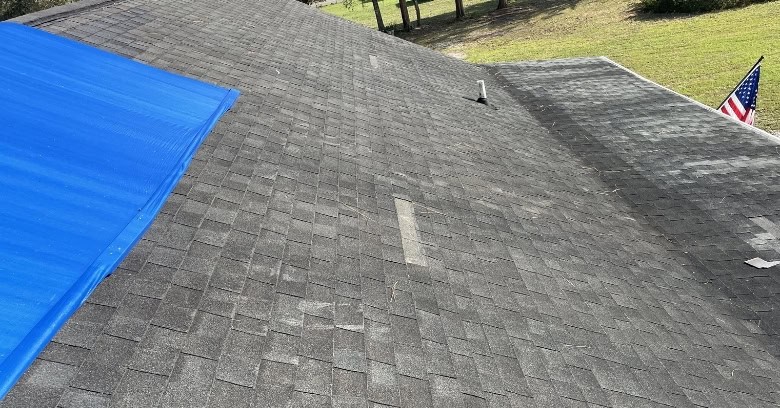
It’s normal to feel uneasy about it. After a big storm, trucks from out of town roll through neighborhoods, and some of them make promises no honest roofer should make. You deserve plain information and a local roofer who stays in their lane.
APC Roofing is a licensed and insured roofing contractor (Florida license CCC1337030) and GAF Certified. We inspect the roof for free, document what we find and give you a written estimate. Call 386-259-8425.
Who does what on a roof insurance claim
Knowing the roles up front saves a lot of confusion.
You, the homeowner, decide whether to file, file the claim with your insurance company and pay your deductible. The policy is between you and your insurer.
Your insurance company sends an adjuster to look at the damage and decides what the policy covers.
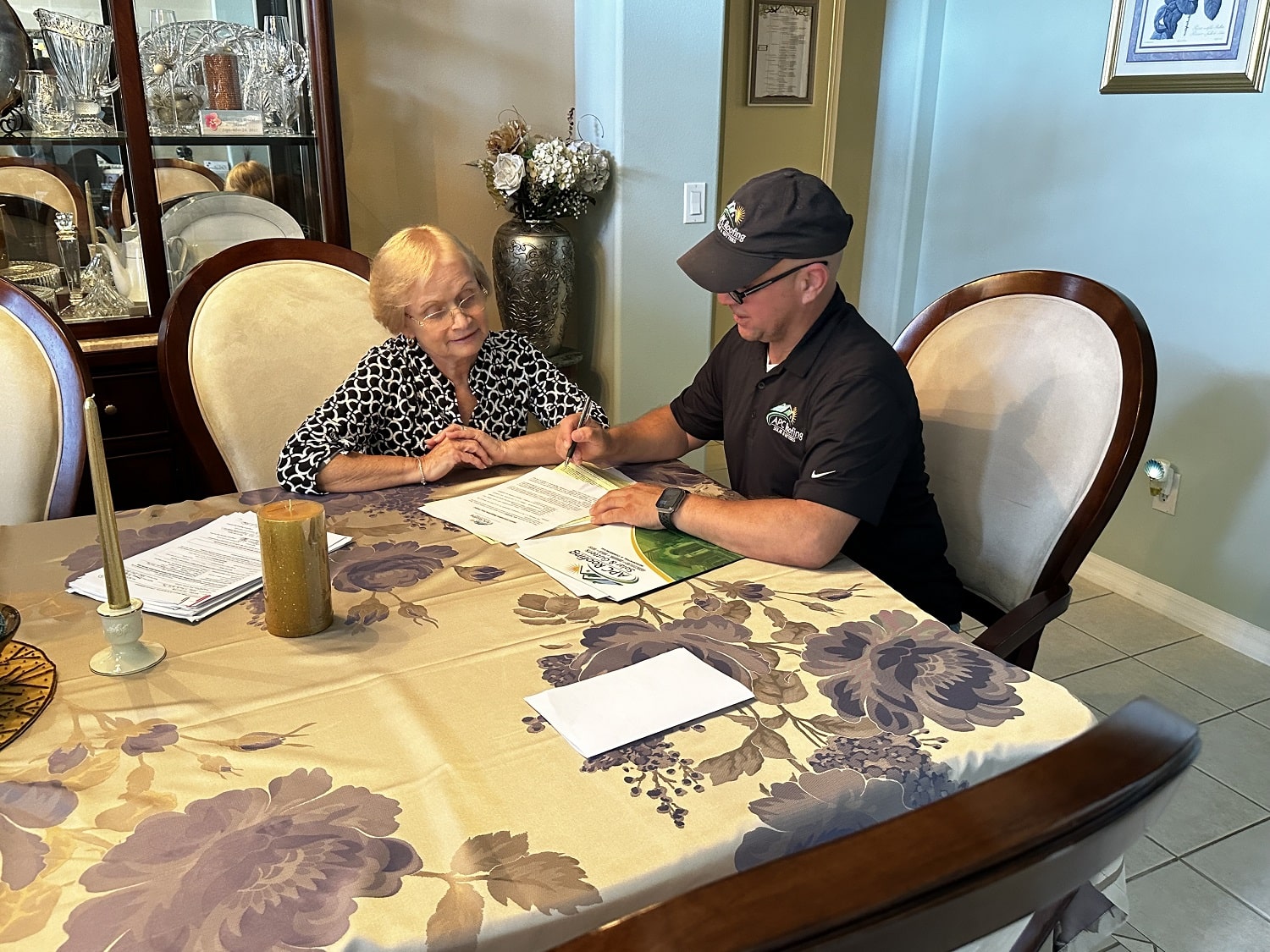
Your roofer inspects the roof, documents the damage with photos and measurements, writes an estimate for the repair or replacement, and works with your adjuster so the damage on your roof is clearly shown. Then the roofer does the work.
What a roofer should not do: file the claim for you, argue coverage on your behalf, or offer to pay, waive or “take care of” your deductible. Be wary of anyone who offers that. It’s a red flag.
Steps after storm damage to your roof
1. Stay safe and limit the damage
Stay off the roof. If water is coming in, move belongings, put out buckets and keep the area dry. Your policy likely expects you to take reasonable steps to prevent more damage, so keep receipts for anything you buy and photos of anything you do.
2. Take your own photos
From the ground, photograph missing shingles, debris and anything in the yard. Inside, photograph ceiling stains and wet spots. Note the date of the storm.
3. Get the roof inspected
A roof inspection tells you what’s actually damaged and whether it’s from the storm or from age. That matters, because many policies cover sudden storm damage but not normal wear. Our roof inspection is free.
4. Read your policy and decide
Look at your deductible before you file. Many Florida policies have a separate hurricane deductible, often a percentage of your home’s insured value, which can be larger than you expect. Florida also sets time limits for filing a claim, so don’t let it sit.
5. The adjuster visit
Once you file, your insurer schedules an adjuster. You can ask for your roofer to be there. We’ll show the adjuster what we documented on the roof.
6. Repairs
When your claim is decided, you choose how to proceed. You’ll get a written scope before any work starts, and you pay your deductible as part of the job.
Hurricane, wind and hail damage around Daytona Beach
Most storm claims here come from wind. Hurricanes and tropical storms are the obvious ones, but strong summer thunderstorms can lift and crease shingles, crack tiles and loosen flashing too. Hail is less common on the coast than inland, but it does fall during summer storms and can knock granules off shingles.
If your damage came from a specific storm, our hurricane damage roof repair and hail damage roof repair pages go deeper.
Choosing an insured roofing company for a claim
A lot of people search for an “insured roofing company,” and they’re right to. Ask any roofer for their Florida license number and proof of insurance before they get on your roof. Then watch for these warning signs:
- Pressure to sign a contract on your porch the day of the storm
- Offers to waive or cover your deductible
- Asking you to sign over your insurance benefits
- No local office or local phone number
A local roofer with an office nearby is easier to reach if something comes up after the job. Trust matters.
How it works
- Book your free inspection. Call 386-259-8425 or request a free online estimate.
- Get a clear, honest assessment and estimate. Photos, measurements and a written estimate you can share with your insurer. If the damage isn’t from the storm, you’ll hear that too.
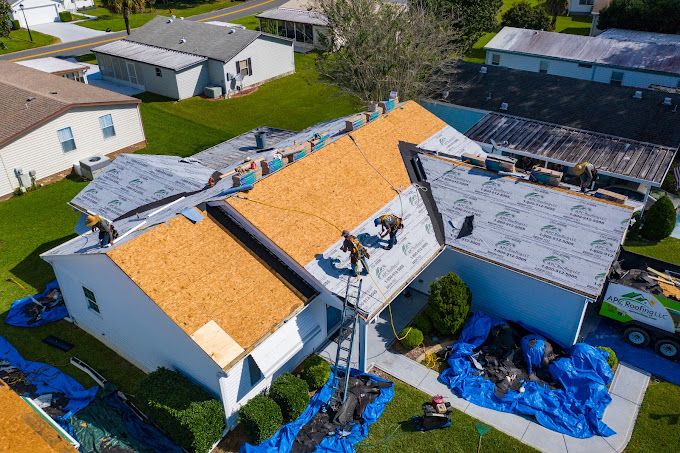
- Get your roof repaired and the site cleaned up. Once you decide to move ahead, the crew does the work and leaves your yard clean.
Roof insurance claim questions
Will you file my insurance claim for me?
No. You file your own claim and stay in control of it. We provide the inspection, photos and estimate, and we work with your adjuster on the roof.
Do I have to pay my deductible?
Yes. The deductible is your responsibility under your policy. Be wary of any contractor who offers to waive or cover it.
Should I get an inspection before I file?
It often helps. An inspection tells you whether there’s storm damage at all, which helps you decide whether a claim makes sense.
What if my claim is denied?
You can ask your insurer to explain the decision in writing. Whatever happens with the claim, you can still get a repair estimate and decide what to do.
Get clear on your roof first
Waiting rarely helps. A storm-damaged roof can let water into the deck and insulation with every afternoon rain, and Florida’s filing deadlines don’t wait either.
The goal is simple: a roof that’s fixed right, a claim you understand and no surprises along the way. Call 386-259-8425 to book your free inspection, or read more about storm damage roofing in the Daytona Beach area.