Need Emergency Roofing in Greater Daytona Beach Metro Area?
APC Roofing takes care of a routine checkup right up to a complete replacement, whether the covering is shingle, metal or tile.
Phone 386-356-2111, and a roofer comes out to see the house firsthand.
The Roof's Inner Build-Up: the Basics
The topmost material is nothing more than the outer layer, and underlayment, decking and rafters sit beneath the surface. Sheet-metal flashing takes over at each wall, stack and valley, and trouble nearby seldom means a failure in the surrounding shingles.
Airflow through the attic belongs to the roof system as much as any material, since trapped summer heat bakes the deck from underneath. A drip inside a bedroom can come from any level of the roof, so patching only what the yard shows can fail to reach the real cause.
A Roof at Work: More Than Meets the Eye
The slope on the building sends runoff toward the gutters, and seal strips keep gusts from getting under the courses. The framing bears the load above, snow included at the colder end of our territory, while airflow through the attic moves damp air out.
The covering handles water, and the fastening handles wind, and holding the whole thing up falls to what is underneath. Trouble in one element tends to show up far from the original problem, so the cause gets traced instead of the symptom being patched.
The Minor Pieces of a Roof: A Shorter Story
Most of the slope is designed to hold up for decades, but the gasket around a vent pipe hardens within a fraction of that span. Runoff slips through and travels toward the room, and paint bubbles on the ceiling below.
Sealant around a skylight loses hold after enough summers, and coated metal rusts once the coating wears through. Ridge caps split across the crease, since the crest takes more weather than the planes below.
Steps Before Heading Up: a Two-Step Read
From the yard, the shape of the roof reveals dips, sags and wavy planes, and the gutters and trim can be checked in the same glance. Good binoculars show up torn collars, lifted tabs and bare patches, yet a few conditions still need a hand on the surface.
Once on the roof, a roofer checks every connector closely and follows the flashing at each wall, and every course is checked for edges that have come loose. Nobody walks a covering that is wet or too steep, and the eave, reached by ladder, provides the vantage point instead.
Above the Ceiling: What Owners Can Find
A stained patch on the plywood shows water that got in before, and a wet surface under the hand means water is still getting in. Light passing through the decking reveals a breach, and the position gets noted by measurement before anyone climbs.
Nail points gone orange signal damp air, not a leak, and a matted, gray patch backs up the same story. Fill pushed into the eave opening, or a fan duct ending in the attic, turns up only from inside, so a look from the yard alone misses ventilation faults of that kind.
The Follow-Up Paperwork: What Gets Handed Over
A record of the visit takes the form of photographs keyed to spots on the roof, and a caption states what each picture reveals. Parts in fine shape are covered as plainly as parts that are not, and weak spots are ranked by how soon attention is needed.
A saved report from an earlier stop gives the next check a baseline, and change over time is easier to judge than condition on a single day. A roof tracked across each year brings few surprises, and a big repair signals trouble long before the work is urgent.
Upkeep on a Shingle Roof: a Short Rundown
Stiffened collars at the plumbing vents get changed early, and the joints at each flue get resealed. Branches and leaf litter come off the low points and the chimney back side, and sagging gutter hangers get tightened.
A slipped shingle put back early is easy work, but delay through the wet months lets water get in from below. Moss along a north-facing slope wedges under the laps, and a gentle wash clears the growth, since a pressure washer strips granules.
A Simple Habit Worth Building: the Basics
A roofer's walk-through belongs on the calendar every year, placed right after the toughest season for roofs in that market. The purpose is catching wear before a leak develops, and repair work gets planned rather than rushed.
Between checks, a glance from the lawn after a storm is useful, and upstairs ceilings deserve a look for new marks. Climbing to the attic hatch with a flashlight twice a year is a smart move: discolored boards, light through the deck and damp insulation turn up long before anything reaches the space below.
How Age Shows on a Roof: What Changes Over Time
A young shingle covering lies flat with an even tone, and by mid-life the sun-facing side fades ahead of the shaded side. Late in a roof's run, tabs cup and granules wash into the downspouts, and each fix soon fails again.
What the lawn view suggests is a solid baseline, but the true condition shows only from up top. A worn-out field is past the point where patching helps, and a reliable contractor says so outright, instead of offering another fix.
A Channel That Has Given Up: the Basics
The covering carries runoff only to the lower edge, and the gutter picks up the flow at the edge. A channel hung the wrong way holds a pool against the house, and the wood close by swells and softens.
A soft spot along that edge points more often to drainage trouble than to worn shingles, and replacing the roof leaves the real cause untouched. The slope of every gutter and where each downspout empties get checked, and the drip-edge metal and the overlap at each joint get looked over as well.
Why the Area Above Needs to Work Right: Why the Details Matter
Intake at the overhang and exhaust at the top keep air moving through the attic, and that movement removes heat and moisture from under the deck. When that gets blocked, the attic overheats in summer and stays muggy through humid months, and the covering wears out early.
Adding roof openings without matching intake draws air from the rooms beneath, and one high point pulling toward a nearby high point can choke flow at the soffits. Reroofing with poor airflow left alone carries the fault forward, so the arrangement gets corrected while the deck is already open.
One Company, Many Conditions: Different Choices for Different Homes
At the colder end of the markets we serve, snow load and ice at the edge drive the design, and a waterproof membrane covers the bottom few feet of deck. Near the coast, wind pressure sets how every panel gets nailed, and reinforced edge metal and sealed seams get specified.
In towns at the colder end of our territory, where hailstones run large, a harder product makes sense, while ultraviolet light ages granules in every market we serve. What goes on a given roof depends on local conditions, not habit or whatever a previous job used.
Family Homes and Business Buildings: One Steep, One Flat
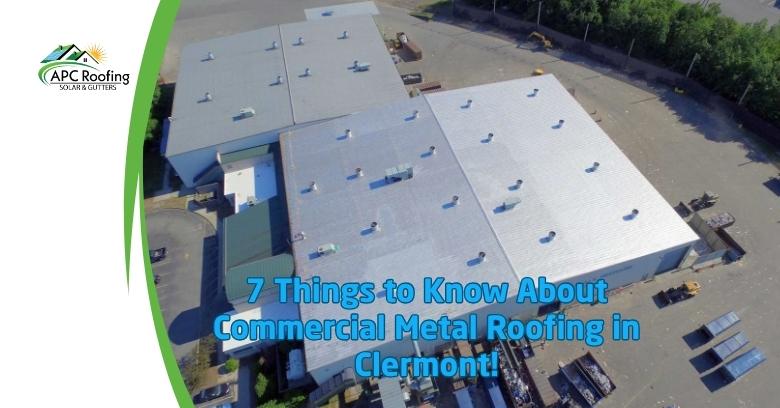
A pitched covering sheds water through overlapping courses, laid in asphalt, tile or metal. A commercial building usually has a nearly flat, sealed membrane, and mechanical equipment and drains break through that surface.
A good number of homes have a shallow section over a porch or a sunroom, and shingles over an area such as that leak because standing water finds a way under the laps. A spot built that way needs a sealed membrane tucked under the pitched roof above, and re-laying shingles there repeats the same fault.
Covering an Open Roof: a Short-Lived Patch
Plastic over a break keeps the rooms beneath dry for a time, but a quick layer does not mend anything below. A sound cover sits over the ridge and gets held down by wood battens screwed through the material, and the material gets pulled taut so wind cannot get behind the edge.
Extra reach past the opening matters on any temporary cover, since water runs sideways under a short edge. Plastic left in place for months traps heat and moisture against the deck, and the material underneath weakens over time.
Doing the Vertical Joints Properly: No Room for Guesswork
Every course against a wall gets a dedicated step-flashing piece, and an overlapping strip above keeps runoff off that metal. A chimney has an apron below and metal run up against both edges, and a wide stack gets a cricket built into the slope nearby.
Caulk troweled onto a bad seam lets go once temperatures shift the metal, so a rebuilt detail is the only answer that lasts. A failing chimney crown lets moisture into the stack above the roofline, and part of that repair belongs to a mason, not a roofer.
The Written Scope: What to Look For
A clear plan identifies every material, from the shingle to the metal, by name, and the document states whether the old covering comes off. A solid outline sets a rule for any soft sheathing found mid-job, and new metal, vents and the cleanup work appear as separate items.
Offers from different contractors can be weighed point for point, and the real differences between the two documents come into view. A crew that asks for trust instead of anything in hand has left out the part that matters, since a handshake settles nothing once a dispute starts.
How a Re-Roof Unfolds: the Basic Sequence
Landscaping and paving get shielded before any tearing begins, and the old covering gets stripped into a trailer. Once exposed, the sheathing gets a careful look for rot and breaks, and weak spots come out, and solid planking follows.
A protective membrane, new flashing and full underlayment get installed, and the main covering, the ridge line and the vents finish the work. A magnet pass covers the grass and pavement at the end, and the gutters get checked and cleared of scraps.
Non-Shingle Roofing Care: Particular Needs
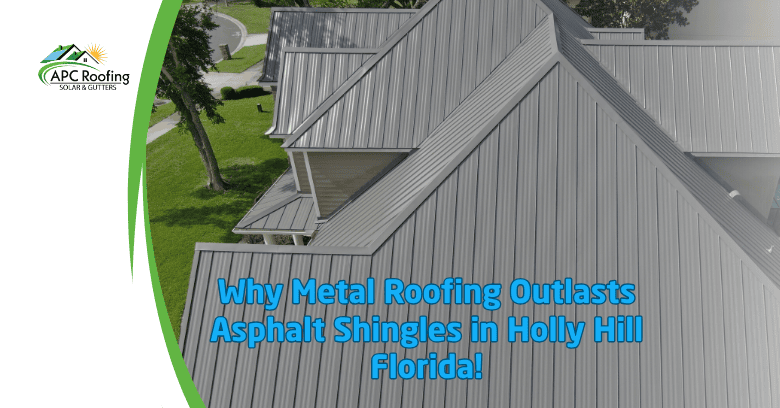
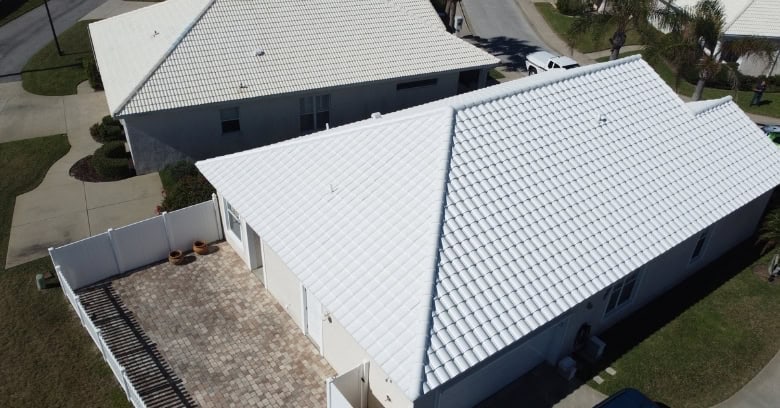
Metal sheets held by visible fasteners stay dry because of the gasket under each fastener, and a worn spot gets cured with a new screw rather than caulk. Based on the house, tile may be mortar-set, foam-set or clipped directly, and the real water barrier is the underlayment, not the surface material.
A foot planted wrong breaks off a piece, and a damaged unit gets swapped for another of matching shape. On a low-slope section, standing water and open seams are the things to watch, and the drain openings get kept free of debris.
What Owners Tend to Notice: From the Yard or the Attic
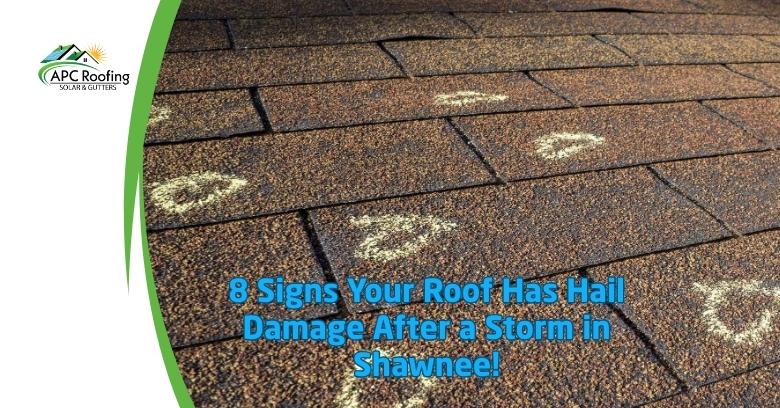
- Sand-like mineral grains in the gutter runs, in amounts that keep returning each season.
- Tabs curling at the corners, most visible on the sunniest slope.
- Torn rubber where a pipe exits the deck, easy to miss without a zoom lens.
- Paint blistering overhead after a storm, soft at the center.
- Light leaking in near a valley or a pipe, spotted during a flashlight check.
- Green growth along the north-facing side, holding moisture against the surface.
- A bulge that catches the light at dusk, widening a little each season.
- Rust streaks below a metal joint, easy to spot from the yard.
Emergency Roofing Around Greater Daytona Beach Metro Area: How the Visit Works
Before any recommendation gets made, a roofer walks the whole covering and checks the attic, and the evidence comes back as photographs and the verdict in writing. What is fine gets said as plainly as what needs attention, and the homeowner decides what happens from there.
Emergency Roofing Around Greater Daytona Beach Metro Area: Straight Answers About the Roof
Call 386-356-2111 to arrange a visit on site.
An Archive for the Roof: a Few Minutes a Year
Noting when the covering went on, along with the brands used, is worth doing, and each report from a follow-up visit joins the same file. Tallying each repair, the location and the method, keeps things complete, and looking back after enough time shows what keeps recurring.
Once a home hits the market, the roof's age and condition come up in conversation, and a folder of dated pages settles things quickly. A scanned set of the same files, stored separately, guards against a misplaced original, since a spill or a move should not be able to wipe out everything.
What Good Work Looks Like: Details to Check
The field reads as straight bands, with crisp cuts where each slope ends, and every fastener stays hidden under the shingle above. Around chimneys and dormers, the flashing gets replaced rather than reused, and no gob of roofing cement stands in for a missing piece.
Air can move from the eaves to the peak without obstruction, and the downspouts remain connected and unclogged. No nails or scraps get left in the grass or on the drive, and wood shavings from a trimmed edge are the most common leftover from the work.
Anyone comparing options for Emergency Roofing in Greater Daytona Beach Metro Area can get a straight answer without more digging. Getting in touch with APC Roofing at 386-356-2111 gets a date on the calendar. Every visit takes in the whole roof and the attic beneath, with no loose ends left over.