Asking About Hail Damage Roof Repair on a Family Home in Daytona Beach Florida?
APC Roofing climbs onto the shingles once bad weather has passed through, noting where the elements took the heaviest toll.
Call us at 386-356-2111 and describe what you are seeing from indoors.
A Roof Shaped by Moving Air – Reading the Uneven Pull
Along the eaves, the rakes and the ridge the force runs highest, and a wide open middle takes far less punishment. Blowing air working under a raised flap lifts the shingle set above the flap, and a single fastener ends up holding that shingle down alone.
A house corner throws wind into small eddies, and hardware spacing shrinks at that point on a well-built roof. A row of shingles at that outside edge carries more push than a row set farther out, and a crew's layout accounts for that extra pull in advance.
A Last Step the Sun Finishes: No Machinery Involved
A band of adhesive along a shingle's underside catches the row sitting below, so every shingle is anchored top and bottom. Uplift can loosen a bond over a wide stretch, though nothing shifts out of place in the first hour after.
A broken seal stays quiet for the next windy spell, and a fastener gets wet as soon as that joint fails. A single shingle adrift on a wide slope is a small matter alone, though several shingles parted together make a doorway rather than a blemish.
What a Bundle Label States: Worth a Second Look
A laboratory fastens new shingles to a test panel and seals every tab by hand, after which a fan runs air over the surface at a set rate. A covering installed for years responds differently on a rough day than unweathered material would, so an early rating speaks to day one, never to a roof much later.
A fastener placed high of the nailing band grips a smaller area than a maker intended, and a course can fail at a wind nobody would call extreme. Long exposure to sun leaves asphalt beneath the granules stiffer than new, so a laboratory finding means less with every passing season.
What a Hailstone Does to a Roof: Under the Surface
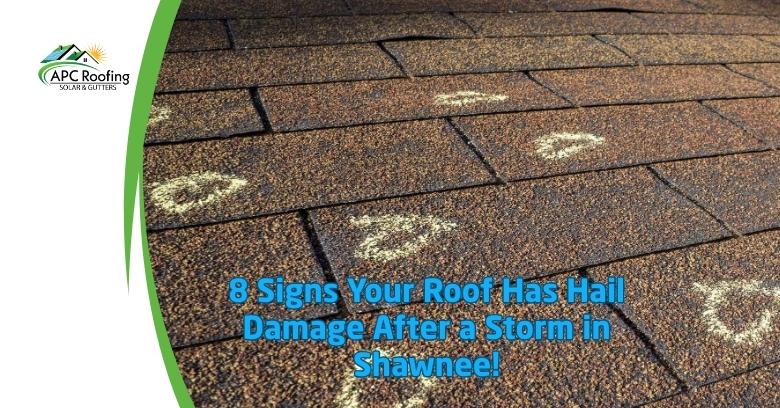
Stones grow largest in storms that cross the colder end of our territory, and a few minutes of that can change a covering for good. A strike drives surface granules down into the asphalt underneath, and a dimple stays on a shingle after a storm passes.
A saturated inner core actually keeps rain out of a roof, so damage that deep counts as structural, not cosmetic. A struck area of a shingle runs down faster than a sound area beside a struck spot, and small failures appear here and there once hail has covered a broad stretch.
Hardware That Also Suffers: Where a Blow Registers
A jolt a covering absorbs still marks a gutter face nearby, and a mark like that does not heal the way flexible siding might. A split boot at a plumbing stack lets water run down the outside of a pipe, so a stain indoors turns up close under the opening. A dented gutter can still carry water as designed, while a crushed downspout backs water up above a crushed section.
Lighter items up on a roof get checked the same way as the shingles, and pictures of trim sit beside pictures of the shingles in a report. Trouble in the metal fixtures seldom arrives without a shingle nearby in equally poor shape, so hardware that looks off is hardly ever paired with shingles that look fine.
A Story in the Grit – a Sign With a Source
Colored granules bedded into a shingle block sunlight from reaching the asphalt below, and exposure without that finish shortens a shingle's working life. Heavy rain sweeps freed grains down toward a downspout outlet, and a heap of sand there says a great deal about the slope above.
A section exposed like that shortens the years a covering has left, which is why small failures on a slope tend to add up. A heap at an outlet is a rough measure of what washed down, so the next question is simply which face shed the most.
Driven Rain on a Slope: Why a Sound Roof Still Drips
A shingle lap is engineered to carry whatever comes directly from overhead, which is why angled weather overwhelms defenses built only for a plumb, downward arrival. Off-ridge vents let spray past open baffles once wind picks up, so the deck nearby can darken with no tear anywhere on the slope.
What a Storm Drops From Above: More Than a Scrape
Sudden momentum drives an entire mass through one narrow point of contact, and the framing takes the full brunt of that force. Sheathing under a strike can split while the shingle above shows only a graze, so an inspection covers both the top of the slope and the space beneath.
A swaying bough polishes a bright curve into the granules a branch touches, so the pattern left behind traces how far that motion carried. Reaching a cracked board usually means lifting the shingles above the break, and the finished patch ends up wider than the mark visible above.
Reading the Underside of a Deck: Simple to Follow
A gleam higher up signals a gap in the roof, and the precise location can be pinpointed against a truss or the end wall. Wet plywood darkens, and the tips of nearby nails often show rust, which lets a roofer trace the mark back to the break above.
A hollow pressed into batting shows a place where drips keep falling, and a room beneath that area can lose heat as a result. A louver can admit rain into the far end of an attic during a hard blow, so nothing on the covering needs disturbing at all in a case like that.
Ceilings and Walls – What the Damage Tells You
A blotch overhead turns up where a trickle gave out, not where the leak began farther up, because water can travel the length of a rafter before any hint develops. Paint lifting into blisters shows a board stayed wet for a stretch of time, and a small mark can sit directly under a much larger fault.
A drip at a fan or a light is reason to cut the breaker without delay, and only after that switch is confirmed off does the cleanup begin. Staining on both sides of a chase usually points at the metal overhead, and the upper joint where flashing meets brick gets checked in the same pass.
Thin, Exposed and Essential: What a Gale Finds
Every wall unit up there is fastened and lapped at the same time, and one weak point undermines the protection for the entire span. Uplift at a gable can twist a strip of edge metal out of line, which turns a small opening into a bare run of exposed flashing.
Cap shingles at the crest take a steady buffeting during most of a storm, and slack fastening opens the seal on the seam sitting beneath. A vent lifted at one end leaves a slot running the length of the piece, and the volume getting in through a gap like that is large, not a trickle.
Domes and Glass Panels – Not the Same as a Window
A built-up curb keeps the glazing above the level of the covering, and courses step around that rise in a set sequence. A direct knock can craze the outer pane of the unit while the inner pane stays sound, so a new cap goes in at the same time.
Debris striking a plastic dome can leave a pattern that spreads with heat, and dampness can end up dripping into the shaft as seasons pass. Moisture trapped between the panes of a sealed glass unit means the edge seal has failed, and no amount of daylight cures a fault hidden from view.
When the Rate Climbs Too High – Watching for the Backup
Half an inch of rain in a few minutes can overwhelm what sits at the eave, and the surplus pours over the front lip instead of down a downspout. Leaves and grit washed off a roof can choke the drain opening at the point of collection, and moisture sitting in a clogged length can work beneath the trim over time.
An Interim Measure: What Stays On
A sheet fastened over an opening can keep rooms dry while a proper fix waits, because anything temporary is meant to come off once real repairs begin. A covering carried past the peak and pinned on each face sends water away, so a support strip backed by lumber spreads the load across a wider stretch.
Anything simply sitting on top can leave with the next hard blow, and a gap in the covering can scatter granules in the same blast. Driving nails through sound shingles just to hold a cover adds new leaks later, so a roofer plans exactly where every screw for that cover lands.
Putting Findings on Paper – a Straightforward Description
Every affected area gets photographed before anything is disturbed, so a complete set of images exists from the very outset. Each damaged spot gets a number attached in ordinary figures, since scale is difficult to judge without a fixed reference.
Wind keeps moving debris that an earlier storm loosened, and the earliest check usually captures the fullest state. What gets requested for review comes across precisely as the paperwork shows, and none of that material gets altered for anybody's benefit.
New Faces After the Damage – Why the Hurry
Canvassing teams can appear on a block within a week of a bad night, though picking the sound ones out from the rest can be difficult. A deal reached at a front door carries the same weight as one signed indoors, and reading every line before agreeing is always worth the extra minute.
A contractor whose office sits nearby stays reachable long after the work is done, and a repair that fails down the road still has someone accountable on record. Urgency coming from a salesperson rather than the condition of a roof deserves suspicion, and sleeping on a choice like that is simply good sense.
What a Repeat Visit Brings: How the Setbacks Multiply
A roof that lost some grip once needs less wind the next time to lose more, so the threshold for further failure drops with every fresh episode. A creased shingle carries a line that later sun cannot undo, and water can find that same flaw on a future occasion.
A path opened by one storm lets the next storm's water travel further, and what began outside turns into a household project as well. Plywood swollen and dried repeatedly holds a nail less firmly with each cycle, and covering over material in that condition wastes the new stock used.
What a Storm Leaves Behind – a List for a Homeowner
- Shingles out of line on a single plane, plain enough from a driveway.
- Bruises along an aluminum edge, wherever thin sheet sits exposed.
- Coarse sand lying in a trough, noticeable at cleaning time.
- Sky seen through the boards overhead, with an attic lamp switched off.
- A wet patch upstairs that returns again and again, however small a mark looks at first.
- Peeling near the top of a wall, with no plumbing anywhere close by.
- A skylight with bent flashing around the frame, whether or not the covering nearby is torn.
- A gutter hanging away from a fascia board, where a fall has gone visibly wrong.
The Way APC Roofing Works on Hail Damage Roof Repair in Daytona Beach Florida – Our Method
Everything begins at ground level, logging anything that fell before going up, and whatever landed from above gets recorded on the spot. Each roof face gets covered on foot wherever conditions allow, and a flashlight goes over the rafters from the attic hatch.
The pictures and dimensions go into a plain account kept on file, and nothing in that summary gets dressed up beyond what a roofer actually saw. What gets proposed comes with the reasoning spelled out, and nobody presses a homeowner toward one option over another.
Hail Damage Roof Repair Across Daytona Beach Florida: Getting a House Sound Again
Phone 386-356-2111 to arrange a visit.
Snow Held Overhead – A Roof Under Extra Demand
The colder end of our territory sees falls deep enough to press down on the framing, and rain soaking into the pile adds weight that dry powder never carried. Frozen runoff at the roof's edge can pond meltwater on the slope, and a ceiling near the outside wall can stain as a result.
Up at the colder end of our territory, a lower roof beside a taller section collects drifting snow, which is often where sagging first becomes visible. A built-up mass sliding loose can crush a porch set beneath the eave, and hangers can bend under strain from a sudden release like that.
Quicker Aging by the Shoreline: Checked More Often Out Here
At the coastal end of our territory, a large system can take a full day to move through, while rain rides sideways for much of that span of time. Hours of steady pressure can rock nails back and forth within a fastener hole, and a covering can give way to wind late in an event that started far milder.
Spray blown against a wall can find every lap in the exterior finish, so leaks during that kind of storm can show up in spots that never see water otherwise. Construction near the coast uses stronger edge details as standard practice, and repair work there follows that same stricter approach.
A Patch on an Established Surface – How Close a Repair Can Get
Granules fade with age, so freshly made stock looks noticeably brighter, and the surrounding roof ends up setting the visual standard. A repair on the street-facing side can be noticeable from the sidewalk, and time takes some of the edge off a mismatch like that.
When a specific line has been dropped, a similar design takes over that spot, which is worth knowing before work begins. Where one face of a house carries too many separate repairs, a patchwork look sets in, and an even surface is often the whole point of a full redo.
What Solid Work Looks Like: Nothing Left Loose
The row over a repair sits flush against the deck below, and the exposure lines up with the older courses nearby. New flashing gets woven into the shingles rather than smeared over the surface, and nothing on that patch depends on a single bead of sealant.
Nails land at the spot the next row of shingles covers completely, and every course sits flush rather than sinking in too deep. A picture of a fixed section during the first week is worth filing away, since a later inspection can see exactly what section was replaced and when.
If you searched for Hail Damage Roof Repair after bad weather in Daytona Beach Florida, get in touch with APC Roofing at 386-356-2111 to have a roofer come out to the house. Every mark gets checked, measured and photographed on the visit, and the next step gets described without any pressure attached.
Verified

Verified
Verified
Verified