
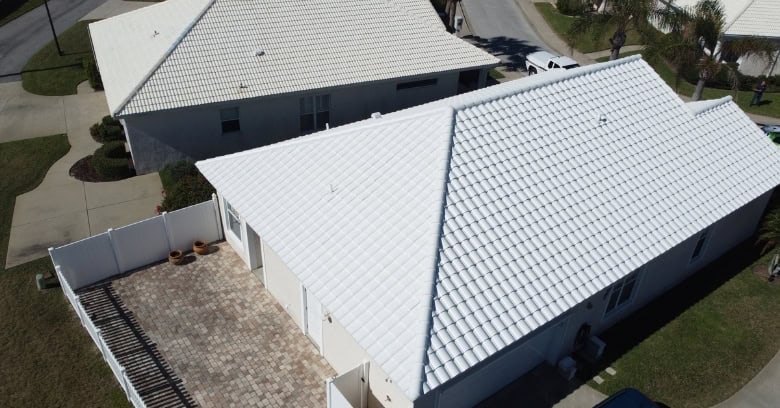
Looking for Roof Maintenance in Aurora Colorado?
APC Roofing takes on jobs ranging from a basic checkup to a full replacement, across asphalt, metal and tile alike.
Get in touch at 720-902-6940, and a roofer sets a time to come look at the house.
What a Roof Is Made Of: the Working Structure
The topmost material is nothing more than the outer layer, and felt or a synthetic membrane, boards and rafters lie out of sight. Bent metal covers the gap at a chimney, a pipe or a valley, and trouble nearby seldom means a failure in the surrounding shingles.
The space under the sheathing works as a component of the roof, too, since trapped summer heat bakes the deck from underneath. A stain on an upstairs ceiling can trace back to any level of the roof, and work confined to the outside can miss the real source.
Everyday Work of a Roof, Component by Component
A pitched covering sends rain down toward the gutters, while nails and seal strips resist the pull of gusts. The trusses and sheathing support the load above, snow included at the colder end of our territory, and intake and exhaust let the attic breathe.
The covering deals with water, and nails and seal strips deal with wind, and holding the whole thing up falls to what is underneath. A weak component shows up as a sign of trouble somewhere else on the roof, so repairs target the root, not the visible mark.
The Minor Pieces of a Roof: Not All Equal
A field of sound shingles can go for decades, but the flexible seal around a stack splits well before the shingles do. A path opens for water to travel down into the house, and a ring shows up on the drywall beneath.
The bead where two materials meet cracks after enough hot seasons, and metal flashing rusts at bends and cut ends. The capping pieces craze down the center, since the crest takes more weather than the planes below.
A Walk Around the Property Beforehand: Before Anyone Climbs
From the yard, the shape of the roof reveals dips, sags and wavy planes, and the gutters, fascia and trim come into view at the same time. Through binoculars, torn collars, lifted tabs and bare patches come into focus, but a weak spot underfoot tells what optics cannot.
Out on the roof, a roofer presses on every connector and follows each run of flashing, and the shingles are checked for brittleness and thin spots. Nobody walks a covering that is wet or too steep, and the check is made instead from a ladder at the eave.
The Attic: Evidence to Look For
A tide line on a rafter shows where rain has entered, and dampness under the fingers shows the entry is still active. Sunlight visible from inside marks a way in, and the position gets noted by measurement before anyone climbs.
Corroded fasteners poking through mean the attic air runs humid, and a flattened, discolored patch nearby carries the same message. Insulation crammed against the eave, or an exhaust fan dumping into the attic, comes to light only from inside, so a look from the yard alone misses ventilation faults of that kind.
The Paper That Follows: An Overview
Each finding is recorded with a photograph tied to a place on the roof, and a caption states what each picture reveals. Solid sections are treated in the same plain language as sections that are not, and weak spots are ranked by how soon attention is needed.
A report kept on file lets the next check be measured against a known starting point, and a pattern over time tells more than a single day ever could. A roof followed on a consistent schedule rarely springs a surprise, and large jobs show warning signs well ahead of the work becoming pressing.
Upkeep on a Shingle Roof: the Basic List
Worn pipe gaskets get swapped out before failure, and dried sealant at walls and flues gets redone. Anything the trees drop gets brushed out of the channels, and sagging gutter hangers get tightened.
A raised corner glued down in time stays a simple repair, but delay through the wet months lets water get in from below. Moss along a north-facing slope wedges under the laps, and a gentle wash clears the growth, since a pressure washer strips granules.
A Regular Routine: The Payoff
An experienced roofer should read the covering once every year, timed for the point when local weather turns roughest. The aim is spotting aging before rain gets through, and nobody is left guessing about the roof's condition.
After rough weather, anyone can scan the roof from the yard, and bedroom ceilings upstairs can be watched for fresh spots. Climbing to the attic hatch with a flashlight twice a year is a smart move: dark spots, daylight and matted insulation turn up long before anything travels any further.
A Roof's Age, Read From the Yard: What Changes Over Time
Brand-new shingles look dark and consistent across every slope, and around the midpoint the sun-facing plane grows paler sooner than the rest. At the very end, tabs turn brittle and crack, and repairs stop holding.
An appraisal from the yard supplies a decent guide, but a walk on the roof is what confirms the condition. Once shingles are spent, patching stops making sense, and a good contractor gives that answer plainly, rather than selling another repair.
The Channel's Part in the System: the Basics
A sloped roof delivers water only to the eave, and from there a gutter does the remaining work. A hanger that has given way tips the run toward the wall, and the wood close by swells and softens.
A soft spot along that edge points more often to drainage trouble than to worn shingles, and reroofing alone will not solve a fault at that spot. Gutter pitch and downspout discharge get checked on a visit, and the metal at the drip edge gets looked over for gaps and poor overlap.
What Ventilation Is For: What Homeowners Should Know
Intake at the overhang and exhaust at the top keep air moving through the attic, and the flow sweeps trapped heat and vapor out of the space. If the vents get blocked, the attic overheats each summer and stays sticky the rest of the year, and the covering wears out early.
A powered fan with too little inlet area draws cooled air through the ceiling, and competing setups on one roof can leave the lower attic stagnant. A roof placed over bad ventilation inherits an existing weakness, so the underlying issue belongs in the scope of any re-roofing plan.
What Gets Chosen and Why: How Choices Differ
Where winters bite hardest at the colder end of our territory, ice at the edge shapes the details, and a waterproof membrane covers the bottom few feet of deck. Nearest the coast, uplift resistance governs the fastening choices, and reinforced edge metal and sealed seams get specified.
Where big hail is common at the colder end of our region, a harder surface earns consideration, while sun and heat age coverings everywhere we work. Specifications follow the weather at the house, not habit or a standard default.
Houses and Commercial Buildings: Split by Structure Type
Angle and overlap work together to move water off a pitched covering, finished in asphalt, clay or steel. An office or warehouse roof depends on a flat, sealed surface, and scuppers and equipment penetrate that same surface.
A good number of homes have a shallow section over a porch or a sunroom, and shingles there tend to leak because water lingers before running off. A spot built that way needs a sealed membrane tucked under the pitched roof above, and another layer of shingles there brings back the same problem.
Protecting a Damaged Roof for Now: What Holds Up
A secured sheet keeps rain out while repairs get scheduled, but the broken parts stay broken all the same. A cover done right crosses the ridge and gets screwed down through battens, and the material gets drawn tight enough to hold quiet in a gale.
A cover needs a wide border around the hole, since water runs sideways under a short edge. A membrane left up too long traps moisture against the covering, and whatever sits below begins to suffer.
Doing the Vertical Joints Properly: Getting the Work Right
Step flashing gets woven in with each course along a wall, and a strip of trim above turns down over the top edges. A chimney has an apron below and metal run up against both edges, and any stack wider than a small one calls for a cricket set into the slope uphill.
Sealant slathered on a weak spot lets go as the metal expands and contracts, so the lasting answer is new metal laced in properly. Eroded mortar joints let water into the brick above the flashing line, and some leaks like that need a mason as well as a roofer.
Putting Requirements on Paper: a Careful Look Before the Ink Dries
The rundown for a job should list every product by name, and the document says whether the existing roof gets stripped to the deck. The account explains how rotten decking gets handled if any turns up, and every vent, every flashing piece and the haul-away get called out individually.
Thorough scopes from rival bidders can be checked point by point, and what one write-up covers and another skips becomes obvious. A roofer who waves off the specifics gives no genuine protection, and memory is a poor record of what got agreed.
How a Re-Roof Unfolds: What a Homeowner Sees
Anything near the eaves that could get damaged gets protected ahead of time, and the worn material gets pulled loose and hauled away. With the old material gone, the plywood gets examined board by board, and weak spots come out, and solid planking follows.
A protective membrane, new flashing and full underlayment get installed, and the covering, the ridge caps and the vents go on to finish the job. The yard and drive get a magnetic sweep before the crew leaves, and nothing from the cleanup stays behind in the gutters.
Maintenance Beyond Asphalt: Notes by Covering Type
Screw-down metal panels depend on a gasket beneath each fastener, and a worn spot gets cured with a new screw rather than caulk. Across our markets, tile sets by mortar, by foam or by clips, based on the property, and the layer underneath carries the job of shedding water.
A foot planted wrong breaks off a piece, and a damaged unit gets pulled and replaced to match the surrounding pattern. On the shallow parts of a roof, lingering water and loose seams are worth watching, and leaves get removed from the outlets regularly.
Signs Worth a Closer Look: a Checklist
- Sand-like mineral grains in the gutter runs, well after the roof was new.
- Shingle edges cupping upward, in patches that widen every year.
- A pipe boot with an open gap, letting water run down into the attic.
- Paint blistering overhead after a storm, close to an outside wall or a chimney.
- Light leaking in near a valley or a pipe, spotted during a flashlight check.
- Green growth along the north-facing side, soaking up water after every rain.
- A wave running across a plane, often pointing to trouble in the deck beneath.
- Dried beads separating at a skylight, a sign that the tie-in needs attention.
Roof Maintenance Across Aurora Colorado: APC Roofing, Step by Step
Before a scope gets drawn up, a roofer examines the whole covering and the attic, and the results come back as images plus a short written summary. Sound parts get named as plainly as parts that need work, and the homeowner decides what happens from there.
Roof Maintenance in Aurora Colorado: Plain Talk, Careful Work
Dial 720-902-6940 and book a visit to the property.
An Archive for the Roof: Useful at Resale
Saving the install date and the product names on the invoice pays off later, and each visit's report belongs with the earlier entries. Logging each repair by spot and by task builds a fuller picture, and a decade on, the trend stands out clearly.
A buyer's home inspector almost always asks about the roof's history, and a documented account settles the matter later. A backup copy of the whole file keeps one bad day from erasing the whole thing, since a spill or a move should not be able to wipe out everything.
What Good Work Looks Like: Small Things, Handled Properly
Rows sit true across each plane, with tidy trimming at the gable edges, and the nailing stays out of sight across the roof. The wall joints carry new flashing, tucked to match the way water runs, and no gob of roofing cement stands in for a missing piece.
The attic keeps intake and exhaust moving after the job, and every gutter ends up hanging correctly. The yard gets swept with a magnet before the crew leaves, and a light scatter of sawdust near any cut line rinses off a walkway in seconds.
Anyone who came here searching for Roof Maintenance in Aurora Colorado does not have to keep guessing about next steps. A call to APC Roofing at 720-902-6940 gets a date on the calendar. Every visit looks at the roof as a whole, not one spot alone, with no loose ends left over.
Verified

Verified
Verified
Verified


















