
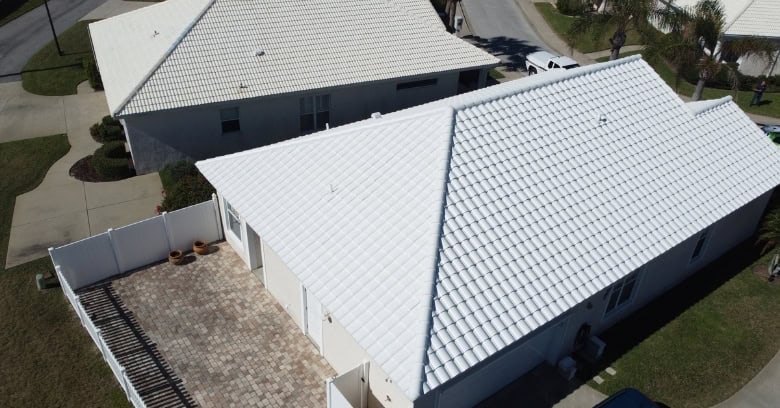
In Search of Roofing Services in Aurora Colorado?
APC Roofing covers everything from a routine checkup to a complete replacement, on asphalt, steel and clay coverings alike.
Phone 720-902-6940, and a roofer schedules a visit to look at the house.
The Roof's Inner Build-Up: the Working Structure
The topmost material is nothing more than the outer layer, and felt or a synthetic membrane, boards and rafters lie out of sight. Flashing bridges the crossing wherever a wall, a pipe or a valley breaks the field, and a leak at that spot rarely points to failed shingles nearby.
The air under the rafters counts as part of the roof, the same as any material, since heat and humidity held there wear down the wood and covering overhead. A brown mark on a ceiling can originate at any level of the roof, and a fix aimed only at the outer surface can leave the real source untouched.
The Jobs a Roof Performs, Component by Component
A pitched covering sends rain down toward the gutters, while the fastening pattern stands up to uplift. Beams and boards carry the mass overhead, snow included at the colder end of our territory, and intake and exhaust let the attic breathe.
The covering handles water, and the fastening handles wind, while what is underneath holds the whole thing steady, out of sight. A weak link puts strain on the parts around the weak spot, so the trail gets followed back before anything gets mended.
The Minor Pieces of a Roof: Different Timelines
The main covering is built for a long run, but the gasket around a vent pipe hardens within a fraction of that span. Runoff slips through and travels toward the room, and a ring shows up on the drywall beneath.
The bead where two materials meet cracks after enough hot seasons, and steel flashing corrodes from trimmed edges inward. Shingles bent into caps split at the seam, because wind and weather strike the peak harder than the slopes below.
Different Stages, Different Details: Standing Back and Then Closer
At a distance, the outline of the roof gives away dips, sags and wavy planes, and the eave boards and downspouts can be sized up as well. Binoculars pick out torn collars, lifted tabs and bare patches, yet a few conditions still need a hand on the surface.
Crouched at each pipe, a roofer feels for gaps and traces the flashing along every wall, and the covering is checked for brittleness, granule shedding and curling. Nobody walks a covering that is wet or too steep, and the view comes instead from a ladder at the gutter line.
Behind the Ceiling: Evidence to Look For
A stained patch on the plywood shows water that got in before, and a wet surface under the hand means water is still getting in. A pinpoint of sky through the boards marks a gap, and a measurement from the peak locates the spot for the outside look.
Nails freckled with rust show condensation at work, not rain damage, and a darkened patch under the deck tells the same story. A blocked eave packed with fill, or a bathroom fan venting into the attic, shows up only on an inside look, so a street-level glance never catches faults of that kind.
The Paper That Follows: What Gets Handed Over
Findings arrive as photographs tied to specific places on the roof, and a line of text says what each image shows. Good sections get the same plain treatment as sections that do not, and trouble spots are ranked from most to least urgent.
A report kept on file lets the next check be measured against a known starting point, and change over time is easier to judge than condition on a single day. A roof followed on a consistent schedule rarely springs a surprise, and a big repair signals trouble long before the work is urgent.
Routine Care for a Shingle Roof: the Basic List
Worn pipe gaskets get swapped out before failure, and brittle beads at the walls get cut out and run again. Branches and leaf litter come off the low points and the chimney back side, and the gutter runs along the eaves get straightened.
A slipped shingle put back early is easy work, but waiting out a rainy stretch invites water in from beneath. A mat of moss holds water along the lower edges, and the growth gets killed with a treatment and swept off by hand.
Staying Ahead of Trouble: What to Expect
Somebody trained in the trade should go over the roof once a year, scheduled once the harshest stretch of local weather has passed. The point is finding small faults before a leak forms, and nobody is left guessing about the roof's condition.
After rough weather, anyone can scan the roof from the yard, and ceilings on the top floor are worth a look for new rings. Checking the attic with a lamp each season makes sense: rust on nail tips, daylight and wet fill appear long before anything reaches the living space.
How Age Shows on a Roof: What the Years Bring
Newer asphalt lies smooth and uniform in tone, and around the midpoint the sun-facing plane grows paler sooner than the rest. At the very end, tabs turn brittle and crack, and new leaks appear in different spots.
An appraisal from the yard supplies a decent guide, but only a hands-on check settles the matter. Once shingles are spent, patching stops making sense, and a straightforward contractor says so directly, instead of selling one more fix.
A Blocked Channel: What to Watch For
A roof moves water only as far as the drip edge, and the gutter picks up the flow at the edge. A hanger that has given way tips the run toward the wall, and the wood close by swells and softens.
A weak area there more often means bad drainage than a shingle issue, and reroofing alone will not solve a fault at that spot. The slope of every gutter and where each downspout empties get checked, and the drip edge gets looked over where the metal meets the fascia line.
How the Roof Breathes: What Homeowners Should Know
Outside air should enter under the eaves and leave near the peak, and the flow sweeps trapped heat and vapor out of the space. With the opening closed, the attic turns hot in summer and clammy in humid months, and the tabs curl and the plywood softens ahead of schedule.
A powered fan with too little inlet area draws cooled air through the ceiling, and stacking two setups the wrong way can leave one choking the other. A roof placed over bad ventilation inherits an existing weakness, so the underlying cause gets addressed in the plan for the new roof.
Weather Decides Every Job: Different Choices for Different Homes
At the colder end of our range, ice and drifting snow set the build, and a sticky underlayment protects the lowest courses. Near the coast, wind pressure sets how every panel gets nailed, and impact-and-wind-rated shingles and sealed seams get chosen.
In towns at the colder end of our territory, where hailstones run large, a harder product makes sense, while strong sun bakes asphalt across every market we serve. Every material choice answers to the weather at that house, not routine, and not whatever a past project called for.
Houses and Commercial Buildings: Different Demands
A pitched covering sheds water through overlapping courses, and the material is commonly shingle, tile or metal panels. A commercial building usually has a nearly flat, sealed membrane, and scuppers and equipment penetrate that same surface.
Many houses have a gently rising porch or addition, and a lapped product there lets water back up under the tabs. A spot shaped that way calls for a sheet membrane, tucked under the steeper roof above, and putting shingles back on that spot solves nothing.
A Cover Until Things Get Fixed: What Holds Up
A sheet shields a gap for a little while, but a quick layer does not mend anything below. A properly installed cover wraps the ridge and gets pinned under wood strips, and the cover gets tensioned before the flapping starts.
A sheet cut too small leaves the edges of the opening exposed, since water slips in under any edge that ends too soon. Material left on for a long stretch keeps the roof from drying out, and the material underneath weakens over time.
The Tie-In at a Chimney or Upright Surface: an Explanation
Along a wall, one bent piece of metal goes in under every course, and counterflashing tucked into the masonry covers that metal from above. On a brick chimney, an apron handles the lower edge and metal runs up each edge, and a broad stack gets a diverter built into the roof behind.
Tar smeared over a gap gives way as the metal moves, so a fresh tie-in, installed correctly, is the dependable way to go. Eroded mortar joints let water into the brick above the flashing line, and that kind of trouble calls for a mason alongside a roofer.
Getting the Scope in Writing: Comparing Bids
The plan for a job names every product by brand, and the document says whether the existing roof gets stripped to the deck. The account spells out in advance how damaged plywood gets counted, and every vent, every flashing piece and the haul-away get called out individually.
Bids laid out in full are easy to check against each other, and the true difference between the two shows plainly. A firm unwilling to resolve the plan in advance is telling an owner something, since a handshake settles nothing once a dispute starts.
What a Re-Roof Involves: What Changes at the House
Shrubs, flower beds and the driveway get protected ahead of the work, and the old covering gets stripped into a trailer. Once exposed, the sheathing gets a careful look for rot and breaks, and weak areas get cut out and replaced with sound lumber.
Underlayment, new metal and ice-and-water membrane go on across the open deck, and the covering, the ridge caps and the vents go on to finish the job. A magnet pass covers the grass and pavement at the end, and the gutters get checked and cleared of scraps.
Care for Non-Shingle Roofs: What Differs by Material
Where panels get fastened through the face, a gasket under the head keeps rain out, and a leaking screw gets paired with a fresh washer. Clay and concrete tile go down by more than one method, from mortar to foam to clips, and the underlayment does the actual waterproofing.
Walking on the wrong spot cracks a piece, and a damaged unit gets lifted out and replaced with one of the same profile. On a low-slope section, standing water and open seams are the things to watch, and clogged drains get cleaned out on a visit.
What Owners Tend to Notice: Outside and In
- A buildup of shingle granules in the drainage, well beyond what a new roof sheds.
- Curled or lifting edges on the courses, most visible on the sunniest slope.
- A vent seal that has pulled loose, easy to miss without a zoom lens.
- A ceiling ring in a top-floor room, soft at the center.
- A glimpse of sky from under the deck, on a sunny afternoon.
- Moss on a shaded slope, in spots that stay damp longest.
- A dip between rafters, seen best from across the street.
- Rust streaks below a metal joint, worth a closer look before the next storm.
Roofing Services Around Aurora Colorado: How APC Roofing Works
Before any recommendation gets made, a roofer walks the whole covering and checks the attic, and the evidence comes back as photographs and the verdict in writing. What is holding up gets stated as clearly as what is not, and the homeowner decides what happens from there.
Roofing Services for Aurora Colorado Homes: Plain Talk, Careful Work
Call 720-902-6940 and set a time for a visit.
A Roof's Own History: Useful at Resale
Saving the install date and the product names on the invoice pays off later, and every yearly report can go into the same file. Listing every fix, the place and the scope, takes only a minute, and given enough time the pattern becomes clear.
Once a home hits the market, the roof's age and condition come up in conversation, and dated receipts make the answers easy to give. A scanned set of the same files, stored separately, guards against a misplaced original, since a spill or a move should not be able to wipe out everything.
Judging the Result: Small Things, Handled Properly
Courses run straight and the cuts along the rakes come out clean, and no fastener gets left exposed. Flashing at walls is new and set in properly, and no gob of roofing cement stands in for a missing piece.
Ventilation openings stay in place and free of debris, and the drainage runs at least as well as before. The lawn and driveway get a magnetic pass at the end of the job, and sawdust from a trimmed board is the most common leftover, easy to rinse from a walkway.
Anyone who arrived looking into Roofing Services in Aurora Colorado can get a straight answer without more digging. Reaching out to APC Roofing at 720-902-6940 moves the scheduling forward. Every visit takes in the whole roof and the attic beneath, with nothing left to chance.
Verified

Verified
Verified
Verified


















