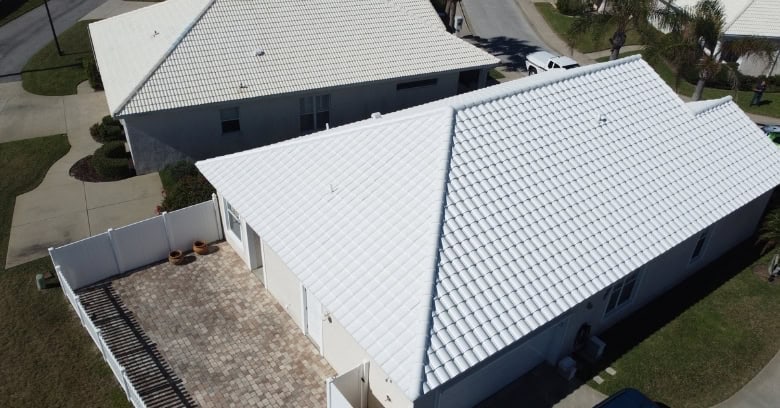
Trying to Find Roofing Companies in Altamonte Springs Florida?
APC Roofing takes on jobs ranging from a basic checkup to a full replacement, whether the covering is shingle, metal or tile.
Call 407-270-1129, and a roofer comes out to see the house firsthand.
A Roof's Construction, Explained: the Working Structure
The topmost material is nothing more than the outer layer, and a moisture barrier, sheathing and framing sit underneath. Bent metal covers the gap at a chimney, a pipe or a valley, and a leak at that spot rarely points to failed shingles nearby.
Airflow through the attic belongs to the roof system as much as any material, because trapped heat and damp age the deck and shingles above. A brown mark on a ceiling can originate at any level of the roof, and work confined to the outside can miss the real source.
What a Roof Does for a House: Quiet but Constant
A pitched covering sends rain down toward the gutters, while nails and seal strips resist the pull of gusts. Beams and boards carry the mass overhead, snow included at the colder end of our territory, while vents give damp attic air a way out.
Shedding water is the covering's task, and resisting wind is the fastening's job, while what is underneath answers for holding the roof up, unnoticed. A weak link puts strain on the parts around the weak spot, and a lasting fix reaches back to where the fault began.
Small Parts of a Roof System: A Shorter Story
An asphalt surface is expected to serve for decades, but the gasket around a vent pipe hardens within a fraction of that span. A path opens for water to travel down into the house, and a brown patch forms on the ceiling underneath.
Caulk along a wall joint hardens and pulls away in the heat, and galvanized flashing corrodes at folds and nail holes. Shingles bent into caps split at the seam, as nothing shelters the peak from gusts and glare.
What Appears Early: a Two-Step Read
From across the street, the profile of the roof exposes dips, sags and wavy planes, and the fascia and gutter runs are visible at the same time. Binoculars pick out torn collars, lifted tabs and bare patches, but a weak spot underfoot tells what optics cannot.
On the slope, a roofer works over every pipe connector and traces each flashing run, and the field is read for brittleness, granule shedding and loose edges. A steep or wet roof is not walked, and the view comes instead from a ladder at the gutter line.
The Underside of a Roof: What Owners Can Find
A tide line on a rafter shows where rain has entered, and moisture felt by hand shows the water is still coming through. A pinpoint of sky through the boards marks a gap, and the spot gets pinned down by distance from the ridge, ready for the outside check.
Rust on the nail shanks comes from moisture in the house, not rain, and a darkened patch under the deck tells the same story. Insulation crammed against the eave, or an exhaust fan dumping into the attic, comes to light only from inside, so ventilation trouble of that kind escapes a yard-only check.
A Homeowner's Take-Away: An Overview
The visit produces photographs linked to particular spots on the roof, and a written line explains what each image shows. What is holding up gets named as clearly as what is not, and trouble spots are ranked from most to least urgent.
Keeping an older report gives the next check something to compare against, and change over time is easier to judge than condition on a single day. A roof checked on a steady yearly cycle seldom surprises the owner, and a big repair signals trouble long before the work is urgent.
Keeping a Shingle Roof in Shape: the Basic List
Vent collars get replaced before splitting, and shrunken caulk along the flashing gets a fresh bead. Pine straw and twigs get picked out of the valleys, and the gutters get kept running and secured.
A slipped shingle put back early is easy work, but waiting out a rainy stretch invites water in from beneath. Moss on a shaded slope traps moisture under the courses, and the growth gets treated and brushed off, never pressure-washed.
Staying Ahead of Trouble: What to Expect
Somebody trained in the trade should go over the roof once a year, scheduled once the harshest stretch of local weather has passed. Catching things early is the whole point of a regular check, and repair work gets planned rather than rushed.
Following a storm, a walk around the house with eyes on the roof is a good habit, and ceilings on the top floor are worth a look for new rings. A flashlight trip into the attic twice a year pays off: damp wood, daylight and wet insulation are easy to see long before anything reaches the space below.
Judging a Roof's Age From Outside: Clues at Each Stage
Brand-new shingles look dark and consistent across every slope, and by mid-life the sun-facing side fades ahead of the shaded side. Near the end, corners curl and granules gather in the gutters, and a repair rarely holds for long at that stage.
Judging from the street supplies a reasonable idea, but a roofer nearby will always see more. A covering that has reached the end of a normal service life raises a replacement question, and a good contractor gives that answer plainly, rather than selling another repair.
The Trough Behind the Fascia: A Quick Look
A roof moves water only as far as the drip edge, and a gutter takes the water the rest of the way. Blocked outlets send overflow over the back lip of the channel, and the wood underneath begins to rot.
A give in that spot points more often to a backup than a shingle problem, and a new covering will not fix what backed-up water caused. The direction of fall along each gutter gets checked, together with the outlets, and the metal at the drip edge gets looked over for gaps and poor overlap.
Why the Area Above Needs to Work Right: Why the Details Matter
A balanced system draws air in low and releases air up high, and the draft clears warmth and humidity from under the sheathing. When that gets blocked, the attic overheats in summer and stays muggy through humid months, and the covering wears out early.
Adding roof openings without matching intake draws air from the rooms beneath, and a mismatched pairing at the ridge and gables can cut the draft short. A new covering placed over a poorly vented attic inherits the same fault, so a proper replacement addresses the same issue at the same time.
Weather Decides Every Job: Set by What's Nearby
At the colder end of our range, ice and drifting snow set the build, so a self-sealing membrane runs up from the edge. At the coast, uplift decides the fastening pattern, and hurricane-rated edges and sealed flashing get specified.
Where big hail is common at the colder end of our region, a harder surface earns consideration, while sun and heat age coverings everywhere we work. The details get set by conditions at that specific location, not routine or whatever was used on the last job.
Family Homes and Business Buildings: How the Roofs Differ
A sloped covering sheds rain by lap, and the surface is usually shingle, tile or metal. Most commercial buildings use a single-ply or built-up membrane, and internal drains and heating units share space on that roof.
Many houses have a gently rising porch or addition, and shingles over an area such as that leak because standing water finds a way under the laps. A spot like that needs a welded or adhered membrane, laced under the pitched covering above, and putting shingles back on that spot solves nothing.
Tarps and Emergency Covers: What Holds Up
Plastic over a break keeps the rooms beneath dry for a time, but the underlying trouble waits for a crew. A sound cover sits over the ridge and gets held down by wood battens screwed through the material, and the material gets drawn tight enough to hold quiet in a gale.
A cover has to reach well past the damaged area, because rain travels sideways toward a gap that stops short. Film left in place for months holds heat and humidity against the deck, and the covering underneath ages faster than expected.
Where the Roof Changes Direction: an Explanation
Where shingles climb beside a wall, L-shaped pieces alternate with the courses, and trim set higher up sheds water past that metal. A brick chimney gets an apron downhill and metal set in up each edge, and a broad stack gets a diverter built into the roof behind.
Caulk troweled onto a bad seam lets go once temperatures shift the metal, so the lasting answer is new metal laced in properly. Crumbling mortar lets rain soak into the masonry higher up, and a mason may need to handle the stonework while a roofer handles the metal.
A Contract Worth Reading: Nothing Left Vague
A signed agreement should identify the shingle, the underlayment and the metal by name, and a plain line covers tearing off versus covering over. The account spells out in advance how damaged plywood gets counted, and every vent, every flashing piece and the haul-away get called out individually.
Thorough scopes from rival bidders can be checked point by point, and what one write-up covers and another skips becomes obvious. A crew that asks for trust instead of anything in hand has left out the part that matters, because nobody can confirm later what got said.
How a Re-Roof Unfolds: the Basic Sequence
Plants take tarps and hard surfaces take padding before the crew begins, and the worn material gets pulled loose and hauled away. Once exposed, the sheathing gets a careful look for rot and breaks, and weak areas get cut out and replaced with sound lumber.
A water-resistant membrane, fresh flashing and ice protection get installed next, and the surface material, the ridge caps and the vents close out the job. The yard and drive get a magnetic sweep before the crew leaves, and nothing from the cleanup stays behind in the gutters.
Upkeep on Other Coverings: What Differs by Material
Screw-down metal panels depend on a gasket beneath each fastener, and a worn spot gets cured with a new screw rather than caulk. Clay and concrete tile go down by more than one method, from mortar to foam to clips, and the underlayment handles the water, not the surface material.
Weight placed wrong breaks a piece, and a matching replacement goes in wherever one gives way. On a low-slope section, standing water and open seams are the things to watch, and the drain openings get kept free of debris.
Things an Owner Can Spot: Caught Early
- A buildup of shingle granules in the drainage, long after the covering was installed.
- Tabs curling at the corners, in patches that widen every year.
- Torn rubber where a pipe exits the deck, letting water run down into the attic.
- Paint blistering overhead after a storm, still visible once dry.
- A glimpse of sky from under the deck, wherever nothing should show through.
- Green growth along the north-facing side, growing thicker every spring.
- A wave running across a plane, visible against the sky.
- Caulk cracked along a chimney, worth a closer look before the next storm.
Roofing Companies in Altamonte Springs Florida: How the Visit Works
Before any recommendation gets made, a roofer walks the whole covering and checks the attic, and what turns up gets delivered as pictures along with a written explanation. What is holding up gets stated as clearly as what is not, and the homeowner sets the order of any work.
Roofing Companies Around Altamonte Springs Florida: a Roofer Who Reads the Whole Roof
Call 407-270-1129 to schedule a visit to the property.
A Roof's Own History: Useful at Resale
Noting when the covering went on, along with the brands used, is worth doing, and each inspection report deserves a spot in the same folder. Marking down every repair, with the location and the work done, leaves useful detail, and looking back after enough time shows what keeps recurring.
At sale time, questions about the roof's age and history always come up, and a folder of dated pages settles things quickly. A second copy of the file, kept somewhere else, is worth having, since paper can be damaged or destroyed over the years.
Signs of a Job Done Right: Small Things, Handled Properly
Rows sit true across each plane, with tidy trimming at the gable edges, and every fastener stays hidden under the shingle above. Metal against any wall or chimney rests flush and secure, and any sealant appears sparing and neat.
Intake and exhaust vents stay open and unblocked, and the drainage runs at least as well as before. The yard gets swept with a magnet before the crew leaves, and sawdust near a cut line is the most common leftover once the work wraps up.
Anyone who arrived looking into Roofing Companies in Altamonte Springs Florida does not have to keep guessing about next steps. Getting in touch with APC Roofing at 407-270-1129 sets the process moving. Every stop covers the full roof, top to bottom, with no loose ends left over.
Verified

Verified
Verified
Verified
Verified