Looking for TPO Roofing in Overland Park Kansas?
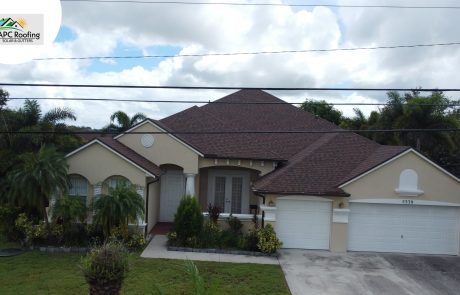
APC Roofing replaces and patches the coverings on shallow slopes, and on a residence the job tends to be a porch, a garage or a wing.
Phone 913-398-5020 and a roofer will look over the surface and report back.
Runoff by Design: Why Shape Counts
What people call a flat roof is built to fall slightly toward an outlet, and the building code floor for membranes is about a quarter inch per foot. The structure underneath can carry the change in height, or tapered insulation boards can supply the difference on top of the deck.
Water races off a steep main roof during a storm, but the low part of the house needs far more time to dry off, so minor defects see much more contact with water. Behind a chimney or skylight curb, a cricket splits the flow, which keeps a pond from gathering where the current would stall.
The Limit for Lapped Coverings: Porch and Garage Work
Codes set two inches of rise per foot as the floor for asphalt tabs, and concrete or clay tile demands a sharper incline. Below the limit, a gusty storm pushes water upward beneath each course, and the decking swells and weakens over time.
Many houses wear shingles on the main roof and a membrane over a porch or garage, since each covering is chosen for the plane beneath. A sheet covering acts as one sealed skin from edge to edge, which lets rain rest on the surface without finding a gap.
Kinds of Sheet – What Each Is
TPO and EPDM are single-ply products made in wide factory rolls, and modified bitumen comes in narrower strips of polymer-blended asphalt, and built-up roofing puts gravel over felt and tar. A lightweight membrane puts little load on residential framing, and every join can be tested before the crew leaves.
TPO is a white thermoplastic sheet, but EPDM is a black rubber compound. The deck, the drainage and any rooftop equipment point to the right product, and we say what we recommend and why, and the homeowner chooses.
Welds and Splices – Heat and Adhesive
Across the open expanse, a membrane almost never fails, and trouble gathers where two widths overlap. TPO seams are melted into one piece by a machine blowing hot air, and a probe pulled the full length of the joint reveals any opening.
Each EPDM lap is sealed with primer and tape, so a dusty or damp surface at installation undermines the grip. On an old rubber roof, joins tend to curl at the ends, and a fresh cover strip across the gap restores the barrier.
White or Black: the Practical Side
A reflective TPO sheet sends a large share of solar heat back up, and the area below stays cooler. Black EPDM soaks up radiant energy, and the structure underneath stores warmth. The cooling boost is strong where summers run long, while the payoff falls at the colder end of our territory.
Sheet Thickness: Sorting the Options
Manufacturers list membranes in mils, or thousandths of an inch, and 45 and 60 appear on a great many homes, and heavier rolls exist for roofs that see traffic. A denser covering tolerates a dropped wrench far better, and the additional body holds up longer against sunlight. Nobody can tell the gauge from the driveway, so the mil rating goes into the written proposal.
The Hidden Stack – Piece by Piece
The membrane usually rests on a thin cover board, with rigid insulation lower down, and plywood, steel or concrete forms the deck at the bottom. Foam slows the heat that would otherwise pass through the ceiling, and each extra inch adds R-value. Waterlogged insulation stops working and gains pounds, and a sealed membrane on top leaves the dampness nowhere to go. A meter, an infrared scan or a small core cut maps the affected zone, since nothing on the surface may look wrong.
Where Shingles Give Way – Order Matters
Against a steeper main roof, the membrane runs up beneath the courses, so water coming down ends up on the membrane. No part of the sheet's top edge faces the sky, and the joint does not rely on caulk at all.
When the membrane is run on the bottom course, water slides beneath the lip, and a downpour sends moisture into the wall framing. A porch ceiling that drips beside the house usually has a junction built upside down, and the detail is rebuilt with the shingles lapping over the membrane.
Termination and Trim – Fastened Every Few Inches
On a low roof, suction builds at the corners and the perimeter, and a lifted piece can let the membrane be ripped away. A metal edge fastened every few inches locks down the rim of the sheet, and a lower lip drops rain cleanly into the gutter.
Where the membrane ends against a wall, a termination bar fixes the top in place, with sealant run along the top so rain cannot slip behind, and counterflashing higher up covers the joint. A kinked piece of trim or a backed-out nail is a repair job, since a quick reset guards the membrane from uplift.
Low Walls Around the Deck: Dressed and Capped
The membrane turns up the inner face as base flashing, and metal counterflashing sheds water off the upturned edge. The parapet is topped with a coping, with a tilt toward the roof so rain stays off the exterior.
Where crest joints open up, rain runs down within the wall, and the stain may appear well below the opening. On brick, cracked mortar also needs repointing, and framing under stucco depends on sealed corners and a tight top.
Getting Rain Away – Plumbing on Top
A low roof sheds runoff by an inside outlet, a scupper through a wall or an edge gutter, and any opening can clog with leaves and grit. A shallow sump holds the interior drain under a domed strainer, and a vertical pipe through the house brings the flow to ground level.
A backup scupper sits above the main outlet, and codes call for a second way out on a roof ringed by parapets. On a maintenance visit, strainers and gutter throats get cleared of debris, and a loose dome gets fixed back over the drain.
Pools That Linger – What Owners Should Know
Rain found on a membrane two full days after a storm is a defect in a roofer's eyes, and a sag in the deck or a clogged outlet lies behind the problem. Constant immersion speeds the aging of the sheet beneath, and algae and silt take hold on the wet stretch. Rain a few inches deep bears down hard enough to bend the joists, and a deeper dip holds more after the next storm.
A new covering alone does nothing for a misshapen deck, so tapered insulation, a cricket or an added drain has to do the correcting. Which remedy suits depends on the joists and any route for new piping, and a level laid across the low area confirms the plan.
Everyday Breaks – Tracking Down Pinholes
A slim sheet can be nicked the week after installation, and a stray screw or a slipped tool can do the damage. At the colder end of our territory, an old membrane can crack under large hailstones, and branches carried by wind can gouge a surface anywhere.
An early catch turns a small opening into a simple patch, but a wet season of leaking waterlogs the insulation below. Tracing pinholes calls for walking the field slowly, foot by foot, because tiny punctures escape a glance from the ladder.
Protecting the Route – a Sacrificial Layer
A membrane serves as a waterproof skin rather than a floor, and each trip out to the air conditioner on the roof leaves a little wear on the surface. Heavy pads are welded or glued down along the route to the units, and the strips carry the abrasion in place of the membrane. Traffic protection goes into the scope on any roof with mechanical gear, and technicians are asked to stay on the marked lane.
Raised Decking: Access for Repairs
Pedestals under the pavers hold tables and chairs above the membrane, and rain runs underneath to the outlets. Large planters need a check of what the joists can carry, because saturated earth grows much heavier after a shower.
A paver lifts straight off a pedestal by hand, so a leak beneath the seating area can be reached without demolition.
Openings for Equipment: Closing Each Opening
A plumbing vent gets a molded boot of matching membrane, and a clamp draws the collar snug around the stack. Skylights and rooftop units stand on curbs built up from the deck, and metal capping covers the upturned membrane on each side. Brackets or bundled cables of odd shape go into a pitch pocket, which is a shallow dam holding sealant.
With age the fill shrinks away and cracks, and adding more is routine maintenance.
Fixing Versus Replacing: How the Call Is Made
Water usually enters a membrane at a single small area, and a matching piece sealed over the opening makes a sound job. TPO overlays are heat-welded and probed along the edges, and on EPDM the cover is primed, taped and cut with rounded corners.
Starting over makes sense when seams fail across the field, or the membrane has turned brittle, or wide areas of insulation are saturated. We tell you directly which course is sound, and pictures and meter results sit behind the verdict.
Layer On or Strip Off – When Each Makes Sense
An existing roof can take a new membrane on top with a separator board, and code allows the method only where one covering is in place. A new sheet belongs only on top of dry insulation, because trapped moisture under the new sheet keeps harming the deck.
With a tear-off, every old ply comes off to the deck, so rotten boards come out and the fall is set right, and code insists on the method on any roof wearing two coverings. Readings from a meter and a tally of layers point to the route, and the findings reach the owner on paper ahead of any choice.
How Age Shows: the Forces Involved
Ultraviolet light, daily heat swings and pooled rain break down a membrane gradually, and technicians walking to units scuff paths across the field. Cleaning out strainers and topping up pockets every year buys extra seasons, and prompt patches on minor cuts keep the insulation dry.
Clues Worth Heeding: What to Notice
- A yellowed patch on the ceiling under the porch roof, proof that rain has reached past the insulation.
- A steady flow from the secondary scupper in a storm, usually because the main outlet is stopped.
- Perimeter trim pried up after a blustery day, a spot where the membrane may start coming away.
- Moss or algae streaking the rim, evidence that rain lingers far too long.
- A visible sag along the porch line from the lawn, which can signal framing strained by ponding.
- Blisters or ripples in view from an upstairs window, from moisture caught beneath or a broken bond.
- Discolored lines running down beneath a parapet, often linked to cracked coping joints.
- Water marks in the ceiling corner beside the main structure, which often comes from a faulty tie-in.
How APC Roofing Works Through TPO Roofing in Overland Park Kansas: a Set Routine
We begin with the drainage, including outlets, strainers and low spots, and the laps follow, probed along the full run. Later, the inspection moves to edge metal, parapets, curbs and pockets, and if something leaks, a meter and a small core test the insulation.
The report handed over is written and illustrated with photographs, and each detail is set out in plain terms. Where a patch will do, we say so, and a membrane at the end of service is called out frankly.
TPO Roofing Throughout Overland Park Kansas – Low-Slope Know-How
Phone 913-398-5020 and we will schedule a visit to the property.
Coatings in a Can – Useful in the Right Place
An existing membrane can take a rolled or sprayed fluid, and the liquid dries into one unbroken skin. Applied to a sound roof, a coat adds service and reflects the sun, but across open laps or soaked insulation the layer masks trouble without solving anything.
Silicone keeps a grip beneath pooled rain, whereas acrylic deteriorates wherever puddles remain. Preparation takes more effort than the spraying, because anything applied over dirt or chalky residue peels. We say plainly when a coating suits a roof, and when the sheet below calls for real work instead.
Timing a Membrane Job – Choosing Suitable Days
Primer and splice tape on EPDM need a dry surface, and a chilly spell slows how fast the adhesive grabs. A TPO welder adjusts to brisk mornings without trouble, but rain halts every kind of membrane installation.
A small repair fits into a short dry spell, but a whole new membrane needs a run of stable days. Any area opened during installation is sealed watertight before the crew leaves, so the house stays protected overnight.
For help with TPO Roofing in Overland Park Kansas, speak with APC Roofing at 913-398-5020. A roofer inspects the membrane, the outlets and the trim, and the findings arrive in writing so you can decide.
Verified

Verified
Verified
Verified
Verified