Planning Roof Replacement on a House in Blue Springs Missouri?
APC Roofing replaces coverings that have worn out and fits new membrane, metal and vents at every edge and opening.
Phone 913-398-5020 and we will come out and take measurements.
Laying Over the Old Roof: What Stays Buried
Rules in many areas allow one more layer of asphalt above the present one, which spares the crew the demolition. A layover buries the plywood and the flashing under it, so soft wood and rust stay put.
The upper tabs ride on the lumps of the lower ones, and the added mass holds heat against the mat. A full replacement takes the old material down to bare sheathing, since fasteners need solid wood to grip.
Under the Old Covering – Rot and Open Gaps
As soon as the last course is off, every panel and plank can be walked and checked. Wood turned soft around old leaks is swapped for new material, while sheathing that has worked free gets renailed.
Spaced boards are found under plenty of older roofs, and that kind of deck gets plywood laid over it. Nails in decayed lumber lose their grip, and the courses above it work free before their time.
Underlayment: Lapped Downhill
A lightweight woven fabric is stretched over the field, so a torn-off piece up top does not mean a soaked ceiling. Old tar paper split easily and buckled after a rain, whereas the newer product keeps its shape for years.
Every horizontal seam is lapped with the higher piece on top, and the nail pattern follows the manufacturer's instructions. The layer under the shingles deserves a question, because houses that look alike from the street can differ underneath.
The Rubberized Underlayer – Where Runoff Slows Down
An adhesive-backed roll is laid straight onto the wood, and it stretches as the panels shift. Fasteners punched through the material are wrapped tight by it, which means water pushed up under the covering stays out of the rooms.
At the colder end of our territory, the lower band is carried past the line of the exterior wall, because ice at the gutter holds meltwater that climbs uphill. Where a sealed deck is required, every joint between panels is taped over, so rain that slips under torn shingles stays out of the attic.
Drip Edge: Small Pieces, Real Work
A bent flange of sheet steel caps the outline of every plane, and it sheds runoff clear of the trim. At the eave, the metal goes down before the underlayment, but at the rakes it is the other way around.
Many roofs of a certain age never had edge protection, and water has been soaking the trim behind the gutter for years. A new roof is the time to add formed metal on every side, and damaged lumber beneath it is repaired.
What Keeps the Edge Row On – Placement Done Properly
A specially made piece with a factory sealant band sits along the eave, and it extends a little beyond the drip metal. Regular stock turned around carries its glue line at the upper end, and the lowest course can lift in a storm.
A shingle comes with a marked area where the nails belong, and anything driven above it misses the overlap beneath. A head sunk too deep or at a slant cuts the mat, which leaves the shingle easy for wind to lift.
Attic Ventilation: Heat and Damp
Cooler outdoor currents should enter along the eaves and escape up top, with both ends given equal open area. Insulation stuffed against the bottom vents cuts off the supply, so air is pulled up through light fixtures and the hatch.
Proper ventilation cools the underside of the plywood, and the shingles on top age more slowly. At the colder end of our territory, a chilled attic lets the snowpack remain frozen, and far fewer ice dams form at the gutters.
Bath and Kitchen Fans: Taking Damp Air Outside
Many bathroom and range hood vents empty into the space below the sheathing, so warm, humid breath settles on chilly boards. Stained decking and rusted nail tips reveal the damp, so the material eventually weakens from the attic side.
With the old roof stripped, each duct is easy to get at, so each one can receive a cap of its own. Any vent hose that has slipped off its collar is reattached, with insulated wrap added to keep water from collecting inside.
Where Siding Meets Shingles: No Salvaged Pieces
A small bent plate is interleaved with every row that runs into a dormer or second story, and the upright leg sits behind the exterior finish. Salvaged pieces carry corrosion, creases and old punctures, so none of the old material is reused.
A kickout diverter at the foot of a wall turns runoff into the gutter, and lacking one, the siding takes the stream. Many houses of a certain age never got one, so decay appears just under the roofline.
The Stack Through the Slope: Tight Against the Brick
A masonry flue takes an apron across its downhill face and stepped pieces up both sides, and counterflashing set into the joints laps down over them. Wide chimneys get a cricket on the uphill end, which keeps debris and rain from piling up there.
A peaked diverter can be added to a stack that never had one, since the plywood there is off or exposed. Cracked caps and eroded joints higher on the chimney need masonry repair, as counterflashing let into weak material soon comes free.
Skylights in the Slope – Swap or Keep
A factory package of step and head pieces is made for every frame, and its layers interlock with the courses beside it. Any skylight near the end of its life is sensibly traded out with the rest, because doing it later means cutting into shingles that have only just stuck down.
An unwanted glazed opening overhead can be removed for good, and the gap is filled with rafters and plywood. Droplets in the shaft after a cool night tend to be condensation, which is a question of room humidity rather than flashing.
Valley Linings: Metal or Shingle Down the Middle
The joint between adjacent planes funnels their combined drainage, so it is taken down to the sheathing and redone. Self-adhering membrane is rolled from the eave to the top, after which metal or shingles go over it.
The open approach keeps a band of steel in plain view, whereas closed-cut work brings one side's tabs through and trims the other to a crisp edge. Picking between them comes down to the covering and the climate, and neither is weaker when laid properly.
What Pokes Through: Sealed by Laps, Not Caulk
Plumbing risers are given fresh flanged flashings, while each exhaust outlet is swapped. Old antenna poles and capped-off stacks are taken down, and new decking fills each opening.
Sealant at the boot is an extra, not the main barrier, as the shingles lapped over the flange do the sealing. Silicone and lead versions resist ultraviolet light better than ordinary neoprene, so they pair well with a covering that will be there for decades.
Roofs Over Additions – Why Shingles Fail There
Plenty of homes carry a sunroom, carport or rear room with an almost horizontal top, and it often got the same asphalt as the rest. A lapped covering needs water to leave in a hurry, and with hardly any tilt it wicks backward into the deck.
Modified bitumen or a single-ply sheet can take over that section during the replacement, with its top margin slipped under the shingles higher up. A transition piece joins the flat part to the shingles, because sealant alone there opens up as the house moves.
Shingle, Metal or Tile – Weight, Wind and Looks
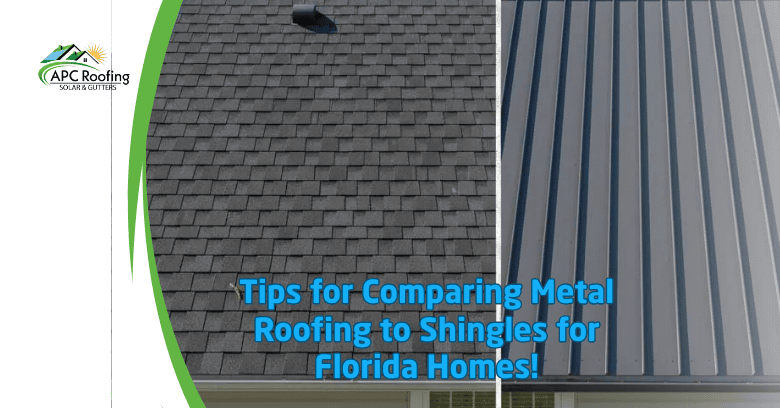
How steep the roof is narrows the options, because overlapping courses require a minimum rise to shed water. Asphalt architectural shingles are the usual answer for a home, metal panels stay put in hard gusts, and tile belongs on a structure engineered to support it.
How the roof looks from the street matters too, and lighter shades reflect more summer heat. We say which we would use on your house and why, and the final say is yours.
No Single Recipe – Strikes and Uplift
At the colder end of our territory, big hail is the threat that matters, so an impact-rated product is worth considering. The highest grade means a sample survived steel balls dropped from set heights, which speaks to toughness and promises nothing.
At the coastal end of our territory, the design answers to gale-force wind, and only shingles rated for strong uplift are used. Additional nails are driven into every piece, while the rakes and eaves are sealed down with cement.
Hips and Ridges: the Last Courses On
The apex and the corners receive shingles designed to wrap over them, because everyday tabs split when doubled over. Wherever air is let out at the ridge, the boards are cut back along it, with the vent nailed on top and capped.
Foam or plastic plugs seal the ends where the peak meets a gable, which stops sideways rain entering. The gap is sized to the width in the instructions, since an oversized cut lets weather through and an undersized one starves the attic.
The Ground Around the House: Nails in the Grass
Gardens and patio pieces along the walls should be covered, while the condenser and ground-floor glass want plywood propped against them. A debris trailer by the eaves lets old material drop right into it, and padding where it rests keeps the drive from cracking.
The gutters gather granules and scraps as the old layers come off, so a clean-out before the next storm matters. A single nail in the grass can find a tire or a bare foot, so the ground is worth going over afterward.
The Order of the Work – Sun and Sealant
Old shingles come off in manageable areas, which keeps a surprise downpour off most of the deck. Any rotten panels are replaced, and the membrane and underlayment go down on top, with the rake edges and starter strip nailed in next.
Row after row, the shingles rise toward the top, and the ridge and hips are capped at the end. The tar strips grip the shingle beneath once they heat up, and before that the tabs rely on their nails alone.
What Happens Below – What to Move Beforehand
The pounding overhead echoes through every room, so artwork on upper floors can slip off its hooks. The attic catches whatever sifts through the sheathing seams, so possessions kept there deserve a sheet over them.
Parking on the street keeps cars clear of the work area, because a dumpster and material deliveries use that stretch. Nervous dogs and cats are calmer at a friend's home for the day, and children stay off the ground below the eaves while debris comes down.
The Permit and the Inspection: What to Expect
A full replacement needs approval from the city or county in most places, with an independent inspector reviewing it afterward. Pulling the permit is normally up to the roofer, because the application lists who is doing the work.
A proposal to go unchecked comes from someone avoiding review, and it makes sense to ask elsewhere. An inspection on file reassures whoever buys the house next, which appraisers and agents often request.
What Decides Longevity: Ventilation, Details, Weather, Upkeep
Modern laminated shingles are engineered for decades, while standing seam and tile can exceed that on the right house. Actual service life turns on the flashing work, along with the local climate.
Houses on one street with the same shingle can age at very different rates, because air flows under one and the other cooks. A visit every year after the rough months spots issues early, and prompt fixes stretch the life of the covering.
Signs a Roof Is Near the End – Grit, Sagging and Daylight
- Shingles bent up at the edges, visible from the street.
- Coating washed off in patches – plus a sandy layer in the gutters.
- Drips that return after every fix – closer together each season.
- A wavy look to the surface – a sign the wood below has moved.
- Pinpoints of light in the attic – not just at a pipe.
- Brittle shingles that snap instead of bending, especially on older roofs.
- Moss thick enough to raise the edges – on a surface already worn.
- A re-cover that is itself aging – so the next job is a full tear-off.
How APC Roofing Goes About Roof Replacement in Blue Springs Missouri: the Whole Way Through
We begin by walking every slope, and then the attic is checked from inside. What turns up becomes a plan on paper, with each layer, the metal and the ventilation listed.
The camera records the deck repairs and details ahead of covering, so the hidden work is kept on file.
Roof Replacement on Homes in Blue Springs Missouri – Every Layer Done Properly
Dial 913-398-5020 to set up a visit to the house.
The Gutter Line – Rehung Where Needed
Rain coming off the shingles drops into the troughs, while the drip metal aims it into them. Dips, leaking joints and loose brackets are all noted, because trapped water softens the wood behind.
A trough taken down during the tear-off goes back up pitched toward its downspout, and the new screws anchor in sound material. At the colder end of our territory, a plugged gutter lets ice creep over the edge, so guards can reduce the problem.
Beyond the Roofing: Insulation and Wiring
A rafter that has cracked or a ridge that sags is a job for structural carpenters, and the repair is done prior to the shingles. Skimpy insulation on the attic floor is not improved by reroofing, so the discomfort below persists.
Wiring trouble spotted near the rafters belongs to an electrician, and it is flagged for the right trade. You know in advance what the replacement fixes, and what stays as it is.
To plan Roof Replacement in Blue Springs Missouri, phone APC Roofing at 913-398-5020. We take measurements and set the work down on paper, and each choice is explained.
Verified

Verified
Verified
Verified
Verified