Looking for Asphalt Shingle Roofing Across Overland Park Kansas?
APC Roofing lays new courses of strip and laminated products for homes of every age and size.
Phone 913-398-5020 and the findings are explained without jargon.
Behind the Colored Finish – Factory Details
A mat of glass fibers makes each shingle strong, while the asphalt in the sheet makes it waterproof, and a layer of granules on top screens out ultraviolet light.
Lines stacked side by side at a supplier are not always equal, and more heft commonly lets a covering weather more summers. Hue is all a sample chip can show, while a technical sheet sets out performance figures.
Strip Versus Laminated – Weight and Wind
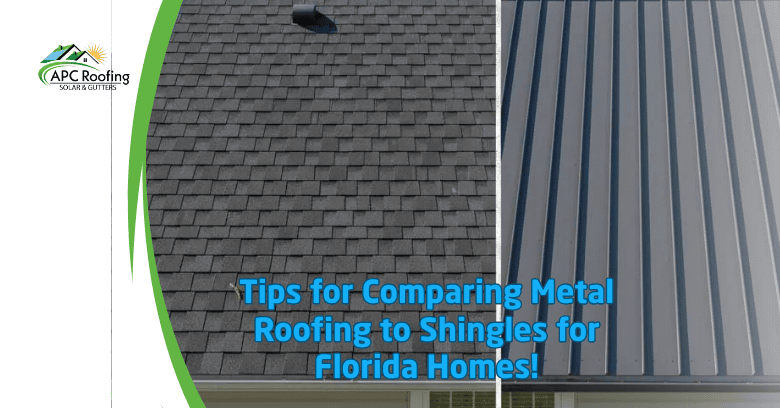
A three-tab shingle is one thin layer with two slots cut into its lower half, so the surface shows neat uniform lines. An architectural shingle glues a shaped overlay onto a full-width base, and the offset design reads as depth from the street.
The double-ply build adds material and weight, and published wind ratings are commonly higher as a result. Nailing on a two-ply shingle aims at the strip where the plies are joined, and most manufacturers print guide lines there.
Keeping the Traditional Look – Narrower Choices
A detached garage, a shed or a porch often suits three-tab well, while a house already wearing that type can be matched. Makers have pared back their tabbed lines, so an exact replacement can be hard to find.
An architectural surface conceals small humps in an aging deck, whereas straight single-ply lines reveal each flaw. The two styles share the same underlayment and edge metal, and the shingle itself is the only part that changes.
Loose Grit – Early and Late Stages
A recently installed covering lets go of leftover grains for a while, which is harmless. When an older covering sends piles of grit down the spouts, its mineral shield is wearing thin, and asphalt left bare hardens and fractures in the heat.
Faces that point south and west take the strongest sun, and dull patches gather there.
The Thermal Adhesive: Limits in Cold Months
A narrow glue stripe runs across every shingle, and a stretch of warm, sunny days softens it until the overlying row sticks. Adhered courses keep their bottom edges down in a gust, and nailing still carries the load year after year.
During cold stretches at the colder end of our territory, sealing is delayed, and a stiff wind can raise a loose tab before then. The manufacturer's sheet calls for hand-applied cement, and each bundle label marks the right locations.
How Courses Are Attached – Frequent Errors
Nails land in a slim target stripe laid out by the manufacturer, where the shank also catches the headlap of the row below. Four fasteners per shingle is the standard schedule, while steep pitches and windy locations need six.
Nails placed high skip the course below, an overdriven head slices the fiberglass, and a cocked shank raises a hump in the shingle overhead. Every wind rating on a wrapper presumes the pattern was met, and an out-of-adjustment tool spreads one error across a whole face.
The Structural Base – Replacing Weak Sections
Shingles are fastened to a deck of plywood or OSB, since fasteners must bite into something continuous. Older houses sometimes keep the gapped boards once used under shakes, and full sheathing is added on top before any shingles.
A tear-off exposes spongy or rotten areas, which are removed and replaced, since a shank in crumbling fibers cannot hold. Installers leave a slim gap where sheets meet, because swelling in damp seasons buckles anything laid too tight.
The Secondary Layer – Types in Use
Building rules in most places require a water-resistant membrane over the deck, and its runs overlap from the bottom edge upward. Synthetic sheet has largely replaced asphalt-saturated felt, because the newer product weighs less, tears less easily and lies flatter.
A membrane catches wind-driven rain that slips under the shingles, yet leaving it bare for long shortens its useful life.
Membrane at the Eaves: Trapped Runoff
At the colder end of our territory, snow over heated rooms melts even on a sub-zero day, and meltwater goes solid again where the roof extends past the wall. Water pooling behind that buildup can back up under the shingles, and regular underlayment offers no seal where nails penetrate.
Colder-market codes call for a peel-and-stick membrane along the lower edge, and it is carried upslope far enough to clear the heated part of the house. In all of our territory, installers also lay it in valleys and around penetrations, because those junctions carry heavy flow.
Where the Deck Ends – A Code Item
Formed metal strips line the eaves and rakes of every slope, and water sheds into the gutter instead of onto wood. The lower flashing sits under the underlayment, while on the gable ends the sequence is flipped.
Edge metal around the whole perimeter is a code requirement in many towns, since rain otherwise wicks under and rots the sheathing.
The Launch Point of Each Plane: Uplift Concerns
A purpose-made starter strip lines the bottom of every slope, so sealant lands exactly where the covering stops. Flipping an ordinary piece around keeps the adhesive away from where it is needed, so the outermost tabs are pinned by nails only.
Many manufacturers call for starter along the rakes as well, because gusts pry at a roof's perimeter.
Where Slopes Meet: Debris and Flow
In an open design, a formed metal liner carries water down the valley, and the closed-cut type carries one side's courses through while the other side is cut back. A woven junction interlaces rows from both planes, which works with three-tab, but most laminated shingles are too stiff for that.
Fasteners stay out of the center of the channel, and a sealed membrane is placed below as backup. Debris packed into a valley stays damp long after rain ends, and heavy rain can then spill sideways under the edges.
Roof-to-House Joints: Water Shedding Order
Every course that meets a wall gets its own folded step flashing, and siding or counterflashing laps down over its upright leg. At the low corner by the house, a kickout piece bends outward, and skipping it sends water into the studs.
Chimney flashing combines a front apron, side steps and counterflashing cut into the brick joints, and a large stack gets a saddle that sheds water both ways.
Plumbing Protrusions: Wear Over Time
Every pipe boot pairs a flat base of metal or plastic with a snug neoprene collar, and sunlight gradually hardens that seal until it splits. The upper half of the flange tucks beneath the shingles above, and the bottom margin stays exposed so rain rides over it.
Neoprene collars regularly fail well before the field shingles do, so replacing the shingles means replacing the boots too.
The Topmost Seams – Vents Beneath
Cap shingles close the ridge and each hip, and on a laminated covering the manufacturer supplies a thicker matching version. Tabs cut from single-layer shingles make a thinner substitute, and at the colder end of our territory they can crack along the fold in freezing weather.
Many peaks hide an exhaust vent under the cap row, and longer nails are needed to reach through it into the deck.
Circulation Upstairs – Mixed Systems
Outside air should come in through vents under the eaves, and a ridge exhaust lets it out. Loose-fill insulation piled into the corners can smother the flow, so baffles are installed to keep a clear gap.
An attic holding in heat warms the deck from underneath, and it also holds moisture rising from the house. On frigid nights at the colder end of our territory, condensation freezes on the nail tips, and the thaw sends droplets onto the ceiling. Two kinds of exhaust on one attic may work against each other, and the soffits stop doing their job.
Across Our Range – Humidity and Wind
Our markets take in mountain snow in one place and tropical heat in another, and the strain on asphalt shifts with the setting. At the coastal end of our territory, a hurricane can drive powerful gusts for many hours, so a high-wind pattern with more nails is specified. Constant heat pushes the lighter oils out of the asphalt, and lasting humidity gives algae room to grow.
At the colder end of our territory, ice forming in hairline cracks forces them apart, and heavy snow adds weight on top of that.
Stones Out of a Thunderhead: What a Strike Does
At the colder end of our territory, big hail visits many neighborhoods, and manufacturers offer lines built to resist it. A strike strips the coating from a spot about the size of the stone, and a violent one can split the reinforcement beneath.
Laboratories rate impact resistance by dropping steel balls from set heights, and a line that passes at the top level holds up better. Some companies add rubber polymers to the asphalt, so the material bends where an ordinary mix would crack.
Strong Gusts – Replace or Reseal
The eaves, rakes and corners take the heaviest upward pull, and a shingle no longer stuck down lifts again and again. A tab flipped over by a gust carries a scar across it afterward, and it is liable to tear off later. A shingle in that condition gets replaced, but one that lifted cleanly can be stuck back down.
Where a tab has blown away, the underlayment beneath lies open to the sun, and ultraviolet light breaks that layer down quickly.
Roof Growth: Shade and Damp
Blackish discoloration in long vertical bands is algae, and it feeds on limestone filler in the shingle. At the humid end of our territory, faces under trees and out of the sun collect it soonest, though the color change is mainly cosmetic.
Moss poses a real threat, as it traps moisture against the courses, and its roots creep under the tabs and pry them up. Pressure washing takes the granules along with the growth, while a soft rinse with a roof-safe cleaner does the job without damage. Shingles sold as algae-resistant carry copper in their top layer, and a zinc strip near the peak slows regrowth on an older covering.
Shade and Color: Beyond Looks
A black or charcoal covering absorbs more of the sun's energy, while a light gray or tan stays cooler. Specially coated granules now come in a range of hues, and a reflectance rating appears on the data sheet.
A pallet from one batch can look a touch off from another, so shingles from several bundles are mixed as the courses go on. A multi-tone blend disguises minor variations well, whereas a single flat shade gives them away.
Standing on a Slope: Care Underfoot
Strong sunshine warms the bitumen until it goes pliable, and a twisting heel tears the mineral layer. At the colder end of our territory, cold tabs grow brittle and crack when stepped on, and a glaze of ice leaves nothing to grip.
Keeping both feet in the yard is safer for an owner, and a good pair of field glasses picks up loose or missing pieces.
Laying Over the Old Covering: What Gets Missed
Building rules in many places allow a new roof on top of an existing one, but not where two are already stacked or the wood is damp and decayed. Leaving the first layer on keeps the decking covered the whole time, and weak spots stay just as they were.
Humps and hollows in the courses below show through, while aging flashing frequently stays put. A second covering adds weight to rafters that were sized for one, while the fasteners need more length to bite into the boards.
Early Warnings – When to Call
- Granules pile up in the gutters, and the layer thickens with each storm.
- Pieces are missing and bare underlayment peeks through, so wind has broken the bond.
- Shingle ends lift into curls, which happens as the oils bake out.
- Tabs show fine breaks from edge to edge, and water can reach the mat through them.
- Shiny black spots stand out against the color around them, where the stone coating has worn off.
- A flue or vent collar has turned brittle and torn, so water works its way indoors.
- Counterflashing at a chimney has worked out of its joint, so a downpour can run in underneath.
- A brown ring shows on a ceiling, though the entry is often some distance off.
How APC Roofing Goes About Asphalt Shingle Roofing in Overland Park Kansas – Plain and Careful
Every slope is walked first during an inspection, with a close look at the valleys, vents, flashings and edges. Inside the house, the attic is searched for stains and daylight, since the underside of the deck keeps the marks of any old leak.
Any problem is photographed, with measurements taken of the extent. The results are put in writing in everyday words, with a reason beside every recommendation. A minor job is presented as minor, and a tired covering is spoken of honestly. Which way to go is up to the homeowner, whether that means a repair, a replacement or waiting.
Asphalt Shingle Roofing for Homes in Overland Park Kansas: a Careful Look Before Any Advice
Reach us at 913-398-5020 and say what you have noticed.
Mending or Starting Over – Reading the Signs
Changing a boot, resealing a flashing or swapping a few torn tabs is everyday repair work, and the rest of the shingles stay where they are. New pieces will not match weathered ones exactly, and that earlier shade may simply not exist anymore.
Brittle tabs on an older roof tear when lifted, and the damage around the work zone grows. Once wear like that reaches across the covering, a full tear-off is the honest recommendation.
Life Expectancy: Care Along the Way
On three-tab, fifteen to twenty years is normal, while laminated lines often reach close to thirty. The real number depends on sun, attic air movement and how the nails went in, and a severe storm can cut a covering's life short.
Seals around pipes and walls benefit from a periodic check, since a crack caught in time stays a small job.
If you are thinking about Asphalt Shingle Roofing in Overland Park Kansas, dial APC Roofing at 913-398-5020. The covering is inspected from the gutters to the ridge, and a plain written report puts the next step in your hands.
Verified

Verified
Verified
Verified
Verified