Planning 3-Tab Shingle Roofing Across Blue Springs Missouri?
APC Roofing lays new courses of strip and laminated products, from a small cottage to a large two-story house.
Dial 913-398-5020 and you will hear in plain terms what is needed.
How the Pieces Are Made – Factory Details
Each shingle is built on a fiberglass mat for strength, while an asphalt coating keeps water out, and mineral granules across the top guard against sun damage.
Products that seem alike from the driveway can vary a good deal underneath, and a heavier build generally adds years on a house. A display board reveals the shade and little else, while published data covers the wind and impact classes.
Choosing a Profile – Setting Them Apart
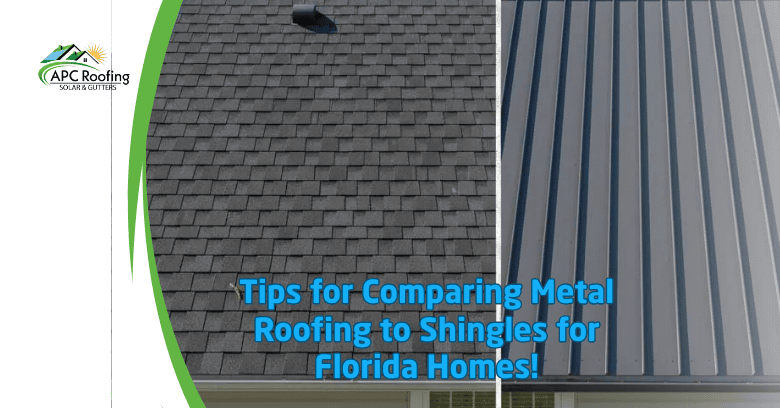
The three-tab type is a single sheet notched twice along the bottom, so the surface shows neat uniform lines. An architectural product bonds a contoured upper strip to a solid backer, and the covering appears textured and shadowed.
Laminated products carry more asphalt and weigh more per square, and a higher wind rating typically comes along. Nails on a dimensional shingle go through the zone where the plies meet, and the maker marks the correct spot on each piece.
The Case for Strip Shingles: Sensible Settings
A detached garage, a shed or a porch often suits three-tab well, and new work can blend with existing courses of that kind. Several makers now offer that style in fewer colors than before, and some shades are no longer produced.
A dimensional surface disguises minor unevenness in the sheathing, whereas straight single-ply lines reveal each flaw. The two styles share the same underlayment and edge metal, while the shingle alone sets the two apart.
Mineral Grit and Aging – Normal or Worrying
A recently installed covering lets go of leftover grains for a while, and the amount tapers off quickly. Thick deposits of grit below an old covering show that its surface is worn, and the unprotected asphalt soon cracks and curls.
Planes aimed south or west receive the harshest sun, and bald spots usually show up there ahead of the rest.
The Factory Sealant Band: Early Weeks
Every shingle arrives with a sticky asphalt stripe, and on a hot day it softens and grips the row laid over it. An adhered course resists gusts that try to pry up its lower edge, while nails hold every shingle for its whole life on the house.
At the colder end of our territory, a covering installed in freezing temperatures can wait months to bond, so tabs stay at risk from wind for a while. For such work the makers' directions call for asphalt cement under each piece, and a printed diagram marks the spots and their spacing.
How Courses Are Attached: Common Slips
Every nail belongs inside a narrow stripe the manufacturer marks, where each shank pins the row below as well. Four fasteners per shingle meets the basic requirement, while steep pitches and windy locations need six.
Nails placed high skip the course below, an overdriven head slices the fiberglass, and a skewed shank tents the shingle on top. A bundle's wind class holds only when the printed pattern is followed, and a pneumatic tool set wrong makes the same mistake again and again.
Under the Underlayment: Types and Condition
The deck under asphalt shingles is usually plywood or OSB, and each shank has to land in solid material. Older houses sometimes keep the gapped boards once used under shakes, and sheathing is nailed over them before shingles go on.
Rotted and spongy spots are replaced while the framing is open during a tear-off, since decayed material lets go of whatever is driven into it. Panels go down with a narrow space along each joint, because swelling in damp seasons buckles anything laid too tight.
The Secondary Layer: Modern Options
Shingles never go straight onto bare decking, since a water-resistant membrane comes between, and its runs overlap from the bottom edge upward. Synthetic material has taken over from traditional felt on most jobs, because the newer product weighs less, tears less easily and lies flatter.
Rain that gets past a damaged shingle drains across the membrane rather than into the deck, but it was never designed to serve as the only covering.
Ice Dams at the Overhang – How Far Up
Across the colder end of our territory, snow over a warm attic turns to water, and the meltwater refreezes at the unheated lower margin. Water pooling behind that buildup can back up under the shingles, where ordinary underlayment lets it through at every nail.
Where cold winters bring ice dams, a sticky rubberized barrier is applied at the eaves, and it reaches up the slope past the inside line of the exterior wall. Across every part of our service area, valleys and skylight curbs frequently get it too, since flow concentrates in such places.
Where the Deck Ends – Guarding the Trim Board
Formed metal strips line the eaves and rakes of every slope, and a flange throws runoff away from the fascia. On the lowest margin the underlayment laps over the flashing, and at the gable ends that sequence is reversed.
Many building codes now require edge metal on every border of a shingled plane, because runoff can cling and curl back toward the wood.
Groundwork at the Eave: Uplift Concerns
Before any exposed shingles, a starter strip is laid along the bottom, so sealant lands exactly where the covering stops. A regular field piece simply turned around leaves its adhesive well back from the gutter, so nothing but nails holds the lowest border down.
Most instruction sheets extend starter up both rakes, because suction acts along the outer rims.
Where Slopes Meet: Construction Methods
In an open design, a formed metal liner carries water down the valley, and the closed-cut approach laps one side across and trims the other straight. A woven junction interlaces rows from both planes, which works with three-tab, while makers generally advise against it for architectural shingles.
No nails are driven near the middle of the crease, and an adhered membrane lies underneath the whole length. Debris packed into a valley stays damp long after rain ends, and diverted water can work under the neighboring courses.
Roof-to-House Joints – Frequent Leak Points
A separate step flashing is tucked under each course where the covering meets a wall, while the exterior finish overlaps the upright flange. At the low corner by the house, a kickout piece bends outward, since water left alone tracks into the sheathing.
Masonry chimneys take a base apron, side step flashing and counterflashing grooved into the joints, while a wide one gets a small peaked cricket behind it.
Roof Penetrations: Aging Components
Every pipe boot pairs a flat base of metal or plastic with a snug neoprene collar, and ultraviolet exposure dries the gasket out and cracks it. The top portion of the flange goes under the uphill shingles, and water running down the slope passes over the exposed lower part.
A cracked collar is common on a covering that is otherwise sound, so a full reshingling normally includes fresh boots.
The Topmost Seams – Vents Beneath
The ridge and every hip are closed with cap shingles, and a dimensional line comes with its own heavier companion product. Tabs sliced out of flat strips are far thinner, and on frigid days at the colder end of our territory the crease may crack.
Many peaks hide an exhaust vent under the cap row, so the nails must be long enough to pass through it and bite the sheathing.
Circulation Upstairs: Common Problems
Intake openings in the soffits let cool air in near the bottom, and it should leave high along the ridge. Blown fill crowding the corners can cut off movement, so baffles are installed to keep a clear gap.
A stuffy attic adds heat beneath the deck, while indoor humidity collects there with nowhere to go. Across the colder end of our territory, a crust of frost builds on the nail points, and it drips onto the insulation once the day grows mild. Two kinds of exhaust on one attic may work against each other, and the soffits stop doing their job.
One Product Everywhere – Sunlight and Storms
The metros we serve run from freezing uplands to steamy lowlands, so the forces working on a shingle change from city to city. At the coastal end of our territory, the large storm systems blow for hours, so a high-wind pattern with more nails is specified. Relentless sunshine hardens the binder over the years, and moist air lets algae take hold.
At the colder end of our territory, repeated freezing opens small splits further, and packed snow sits on the slopes for days.
Frozen Pellets – Reading the Strikes
At the colder end of our territory, hail falls in many storm seasons, so shingle lines that stand up to it are common. Where a stone lands, the granules break away in a round mark, while a heavier blow may bruise right through to the mat.
Laboratories rate impact resistance by dropping steel balls from set heights, and the stronger lines come through in better shape. Modified asphalt with added rubber is used by several makers, which lets the shingle flex instead of shattering.
Storm Winds: Bare Patches of Sheet
The border of a roof and its corners see the greatest upward force, and a shingle no longer stuck down lifts again and again. A tab folded back far enough creases along its width, and it is liable to tear off later. A piece in that state is swapped out, while a loose but unharmed one takes a few dabs of cement.
Blown-off tabs leave the underlayment uncovered, and it was never made to stand up to daylight.
Growth on the Surface – Copper and Zinc
Algae is what paints the long black marks on many slopes, and it thrives on the limestone mixed into the asphalt. At the humid end of our territory, the shady side of a building is where it spreads, and the film alone rarely shortens the life of the covering.
Moss is a different matter, since it holds water against the surface, and thick cushions push the lower edges up. A jet under high pressure scours the protective stone off, so a mild product rinsed on softly is the better choice. Shingles sold as algae-resistant carry copper in their top layer, and zinc bands near the top release traces that discourage regrowth.
What the Color Changes: Looks and Lots
Darker shingles get noticeably hotter under a midday sun, while pale ones stay cooler. Specially coated granules now come in a range of hues, and a tested reflectance figure goes with them.
The look can drift from one manufacturing lot to the next, so instructions call for pulling from several bundles as the work goes. Blended colors, with many tones on each piece, hide those minor differences, while a solid, even finish reveals them more readily.
Walking on Asphalt: Knowing When to Stay Down
A sun-baked covering loses its firmness, and a twisting heel tears the mineral layer. At the colder end of our territory, a frozen shingle can snap under a knee or a boot, while frost at dawn makes the footing treacherous.
The ground is the right place for anyone without roofing gear, and a pair of binoculars shows most of what matters.
A Second Layer – Weight and Nails
A re-roof over a prior roof is legal in many towns, but never over two, or over boards that are wet or rotten. Leaving the first layer on keeps the decking covered the whole time, which means damage stays trapped under fresh shingles.
Humps and hollows in the courses below show through, while tired metal at walls and chimneys tends to stay. A second covering adds weight to rafters that were sized for one, while longer fasteners are needed to reach solid sheathing.
Early Warnings – Worth a Closer Look
- Grit collects at the foot of a downspout, and the amount keeps growing year after year.
- Gaps appear where pieces have blown off, so the adhesive strip has given way.
- Shingle ends lift into curls, since age and heat have stiffened the material.
- Splits open across the middle of a tab, and the mat underneath takes on water.
- Dark, smooth patches appear on the surface, because the granules there are gone.
- A pipe boot has gaps between its collar and the pipe, so moisture can track down inside.
- Flashing at a chimney has lifted off the brick, so a downpour can run in underneath.
- Paint bubbles on a top-floor ceiling, even though the leak may start far from the spot.
How APC Roofing Approaches 3-Tab Shingle Roofing in Blue Springs Missouri: What to Expect
An inspection opens with a walk over every slope, taking in the valleys, the vents, the flashings and the edges. Inside the house, the attic is searched for stains and daylight, because darkened wood marks where water got in.
Anything wrong is photographed, and damage is measured where size matters. A written summary lays out what was found, and each recommendation carries its reasons. Small faults are labeled as small, and a worn-out covering is identified as such. The choice is the owner's, be it a repair, a replacement or no work yet.
3-Tab Shingle Roofing Throughout Blue Springs Missouri: a Careful Look Before Any Advice
Call 913-398-5020 and say what you have noticed.
Mending or Starting Over: Where the Line Falls
A failed vent collar, a lifted flashing or several damaged tabs calls for ordinary repair, and the rest of the shingles stay where they are. New pieces will not match weathered ones exactly, while the exact style may no longer be made.
On a worn covering, tabs are brittle and crack when lifted to reach the nails, and one fix can turn into several. When curling edges and bald spots cover most slopes, a new covering is the sensible answer.
Expected Service Life: What Moves the Number
On three-tab, fifteen to twenty years is normal, while laminated lines often reach close to thirty. Ventilation, exposure and fastening decide where a given covering lands, while a hard storm can override every estimate.
A look at the vent collars and metal details every so often makes sense, because small faults caught in time never reach the deck.
For a roofer's view of 3-Tab Shingle Roofing in Blue Springs Missouri, phone APC Roofing at 913-398-5020. The whole covering and the attic are inspected in person, and you get the findings in writing and choose.
Verified

Verified
Verified
Verified
Verified