Looking for Corrugated Metal Roofing Here in Springfield Missouri?
APC Roofing puts up and mends screw-down sheet and clip-held panels, across homes as well as sheds and barns.
Call 913-398-5020 and you will hear in plain words what condition the roof is in.
Telling Systems Apart: Visible Clues
Screw-down panels, corrugated or ribbed, are fastened with screws through the exposed metal, while standing seam is clipped down beneath upright folds. On homes the metal is usually coated steel, while aluminum and copper account for a minority.
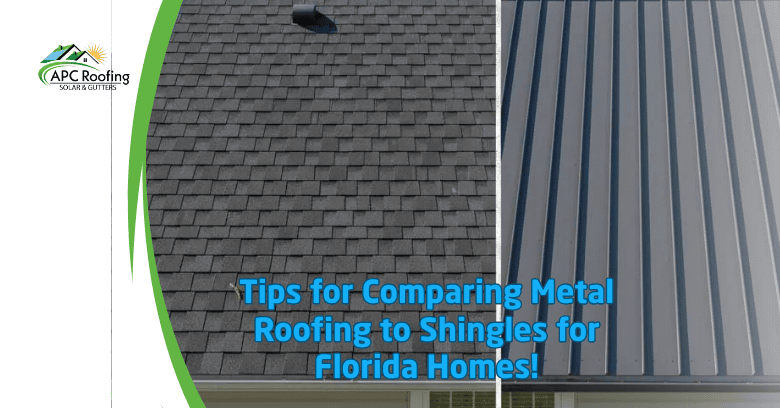
Rows of fastener heads, visible from the street, give away a screw-down roof, and smooth pans between tall ribs with nothing poking through are standing seam. Corrugated sheet is a regular choice on barns, shops and porches, while residences take either style.
Profile Options: Old Look, New Look
Corrugated sheet rises and falls in rounded, evenly spaced waves, and a ribbed panel has trapezoid ribs separated by broad pans. Each sheet laps over a neighbor along a long edge, and fastener placement follows a published pattern.
A squared profile resists bending and reaches further between purlins, and corrugated suits older buildings and a farmhouse look. High ribs carry a heavy downpour across an extended slope, while modest runs need little depth.
Fastener Hardware: Every Detail Counts
A screw pulls the metal tight against a purlin or the deck, and a sealing washer beneath each head closes a drilled hole. Years of sun and heat stiffen synthetic rubber until cracks form, well ahead of the painted steel nearby.
Driving a screw past snug crushes a washer and dimples the metal, while an underdriven or tilted fastener never seals all the way around.
Hardware Swaps – Where Help Stops
On corrugated or ribbed sheet, every washer ages at one pace, and a whole-roof re-screw is routine over the years. Each original fastener is taken out, and a bigger diameter is driven in to grip where an old thread stripped.
Re-fastening stops water at every head and holds down sheets that lift, but corrosion, parted laps and bad flashing are left as found. Thread type follows whatever support lies below, since lumber and steel purlins take different screws, and a painted cap keeps new work inconspicuous.
A Covering in Motion: Why Slack Matters
A steel sheet grows in afternoon heat and shrinks back by dawn, and a forty-foot run can shift a quarter inch or more, with aluminum going about twice as far. Metal held too rigidly wears fastener holes into slots, and washers begin to leak.
Ticking heard as morning sun lands on steel is ordinary expansion, and a careful installation suffers no damage.
Under Upright Joints: Tucked Away
Each long pan is fixed solid in one short zone, and sliding clips everywhere else let the metal move with temperature. Flashing at an unanchored end is shaped with space beneath, and metal with no play winds up torn or kinked.
Clips are screwed to the deck along one edge of every pan as work proceeds, and a neighboring pan locks over every anchor.
How Seams Close: Choosing Between Options
Snap-together panels latch by hand, and heavier-duty versions are folded over by a motorized tool. A double-lock grips harder against wind-driven rain, and published ratings run down to lower slopes.
Pan width and rib height vary from product to product, and a choice depends on the home and a preferred style. Closures, clips and flashings match one panel only, and a substitute from elsewhere leaves gaps.
Light or Heavy: Dents and Ripples
Coil for roofing is sold by gauge, and a lower figure means more metal per sheet. A shop or barn frequently has twenty-nine, while houses often take twenty-six or twenty-four.
Aluminum is called out in decimal inches, and more material means fewer marks and less waviness. From the ground, light and heavy metal look alike, so only a maker's label or data sheet can confirm what was bought.
Protection Built In – Finishes That Hold Up
Coil stock is dipped in molten zinc or an aluminum-zinc alloy, and a color coat is baked on afterward. A scratch that stays within paint does no harm, but an unprotected cut or a gouge to bare steel is where red rust starts.
High-end fluoropolymer finishes keep a bright look for years, while polyester grades dull faster in strong sun. Lime in fresh concrete eats into an aluminum-zinc layer, so metal and new brick are kept apart.
Picking an Alloy: Matching a Location
Aluminum is lighter than steel and never forms red rust, though a thicker grade is needed to resist dents. Beside salt water at the coastal end of our range, protective layers wear away faster, so a marine-rated system often goes up near a beach.
Copper appears mainly as small roofs on bays and cupolas, and with nothing applied, color shifts over the years.
Mixing Metals: Treated Lumber and Wrong Screws
A copper pipe or flashing above steel sends corrosive drainage down over the panels, and streaks appear years ahead of perforation. Pressure-treated framing corrodes aluminum laid directly on top, and a mismatched fastener rusts quickly.
Flashing added later should match whatever metal is already installed, or a strip of membrane goes between dissimilar metals.
What Buyers Notice: Choices That Help
Oil canning names shallow dips and bulges across a flat pan, and raking light early or late in the day brings out each rise and fall. Metal with a visible warp stays just as watertight, and useful life is unchanged.
Narrow pans, heavier stock and striated flats hold waves back, and an even deck beneath helps as well. Pictures of completed homes give a sense of how visible oil canning gets, and the choice of panel is yours.
Indoor Comfort: Noise and Heat
A shed with bare purlins under the panels rings like a drum, as no material absorbs vibration. Metal on a home rests on a deck and underlayment, over an insulated ceiling, and loudness indoors is close to what asphalt gives.
A white, tan or light gray panel turns back much glare, and the attic beneath stays cooler on a summer afternoon. Dark metal heats up like any black roof on a clear day, and venting and insulation under the deck do as much for comfort as color. Metal loses daytime warmth shortly after the sun sets, so evenings indoors feel better sooner.
Guards and Placement: Chosen With Care
Across the colder end of our territory, snow does not cling to painted steel, and a whole mass may come down at once on anything under an eave. Retention bars keep a load up top to melt off gradually, and a doorway, walkway or meter below decides placement.
Standing seam takes clamp-on brackets that grip each rib without piercing the metal, while ribbed or corrugated sheet takes mounts driven into structure with sealing washers, and where snowfall is rare, nothing is added.
Storm Marks: Documented Plainly
Hail is common across the colder end of our territory, and heavier grades with stiffening ribs shrug off more stones. A crease that cracks paint exposes bare metal to rust, and a flattened rib or a shifted cap can leak.
Following a storm, our roofer takes pictures and measurements, so the extent of damage is clear.
Staying Put in a Blow: Trim Held Tight
Wind load concentrates at corners, rakes and eaves, and once air slips under an unsecured edge, pressure can roll the metal up. Finishing trim is hemmed and caught on a cleat for a whole run, so a storm finds nothing to pry at.
An attachment pattern grows denser toward every corner, set by a maker's tested layout for each exposure. Along the coastal end of our service area, hurricane risk raises fastener counts again, and panels carry an uplift rating to suit.
Openings in a Covering: Keeping Water Out
Each pipe takes a boot made for panel roofs, with a base pressed to follow corrugations, and placement is down in a pan rather than on a crest. Square penetrations take a curb and a cricket on a high side, and water cannot pool at an upper edge.
Sealant finishes a joint already made watertight by folded metal, because sunlight dries and cracks sealing compounds within a few years.
Changes of Direction: Built to Drain
A broad flashing lines each valley in advance, and panels are sheared to a matching slant. Exposed ends are bent back and gripped by cleats, and fasteners stay clear of wherever rain concentrates.
A sealed endlap connects consecutive lengths on an extended run, and screws go through both thicknesses at close spacing.
Near-Flat Areas – When a Membrane Wins
Makers of exposed-fastener sheet commonly list three in twelve, because on less, runoff lingers long enough to wick past laps. A mechanically locked seam can be installed far lower, and some products are allowed on nearly flat decks.
Houses frequently include a porch or wing with a gentle roof, and each incline is measured on site, and a part too low for any panel gets a membrane instead.
Substrate: Checked on a Tear-Off
A home gets metal over a continuous plywood or OSB deck, and a synthetic barrier made for high heat sits on top, because traditional felt degrades quickly up there. Farm buildings frequently carry metal over bare purlins, so wider gaps call for thicker steel.
With an old roof gone, damaged sheathing is cut away and rebuilt, as fasteners driven into mush pull straight out.
Going Over the Existing Roof: Light Enough to Add
Local codes commonly accept metal set over a lone shingle layer, and noise and a dumpster are avoided. New steel adds well under two pounds per square foot, so rafters rarely need reinforcing. A synthetic underlayment and rows of battens come next, and every fastener is sized to reach solid wood.
If the decking flexes, or earlier leaks show from the attic, the old roof comes off, since trapped dampness under metal has no way to dry.
Finishing Off: Vented or Solid
Closure strips shaped to a panel profile plug hollows under every rib where a run starts and stops, so wind-blown rain and nesting animals stay out. A ridge cover can include a vent or be solid, as existing ventilation requires.
Drip edge, rake trim and a gutter apron finish every outer line, and runoff is steered clear of a fascia board.
Working at Height: Slick When Wet
Standing seam is produced to fit each run from bottom to top, so a single piece covers eave to ridge without an endlap. A long panel calls for several people spaced along the metal, and a pan that gets bent should not go on the roof.
Weight should go only into pans over framing, since pressure on a rib bends the metal out of shape. Dew or rain makes coated steel as slick as glass, so owners do better keeping off the roof.
Warning Signs: Without Climbing Up
- Orange halos at fasteners, low on a slope.
- Screws no longer tight against metal, mid-panel.
- A peeled drip edge, facing prevailing wind.
- A boot pulled away from a pipe, over a kitchen.
- Rust creeping from a trimmed end, next to a skylight.
- Peeling paint, where afternoon light hits.
- A ceiling stain in a straight line, over a closet.
- A gap along a rib, where slopes meet.
How APC Roofing Goes About Corrugated Metal Roofing in Springfield Missouri – Step by Step
We begin by figuring out which system is up there and how the panels are anchored, and then every screw or clip, edge, opening, valley and lap is checked. Notes cover gauge, finish and every kind of hardware, and from inside, the attic shows any old leaks.
Findings come to you in a report with pictures, and each recommendation carries reasons. If a covering needs only new screws, we say exactly that, and a roof at the end of service life is named as such.
Corrugated Metal Roofing for Property Owners in Springfield Missouri – Details Read Closely
Dial 913-398-5020 and we will pick a time together for a visit.
Fix or Redo: Guided by Evidence
A panel torn by a falling limb can be changed individually, though new metal looks brighter than weathered neighbors. Replacing a cracked boot deals with water at a pipe, while re-fastening cures aged washers.
Perforation across many panels means replacement, and a covering the wind has twisted out of shape is in the same position. One tired face of the house can be redone alone, when damage stays in one place.
Looking Down the Road – Exposed Screws Versus Hidden Clips
A carefully installed panel system can pass forty years, and an estimate varies from house to house. Standing seam asks for less attention, with no hardware exposed, whereas exposed-fastener sheet needs a re-screw partway through.
Galvanic contact, unfinished cuts and caulk in place of flashing hasten replacement, and a check every few years catches small faults early. Pine needles packed into a valley trap water against coated steel, and brushing debris off protects paint.
Before deciding on Corrugated Metal Roofing in Springfield Missouri, reach APC Roofing at 913-398-5020. Someone will climb up and read how the panels are attached, along with every edge and opening, and a written summary lays out what we saw so you can choose.
Verified

Verified
Verified
Verified