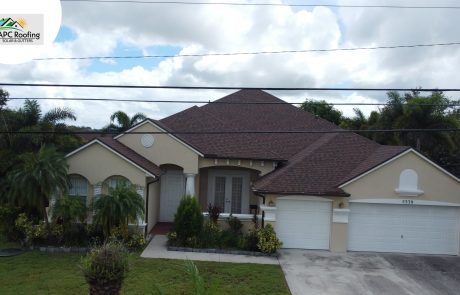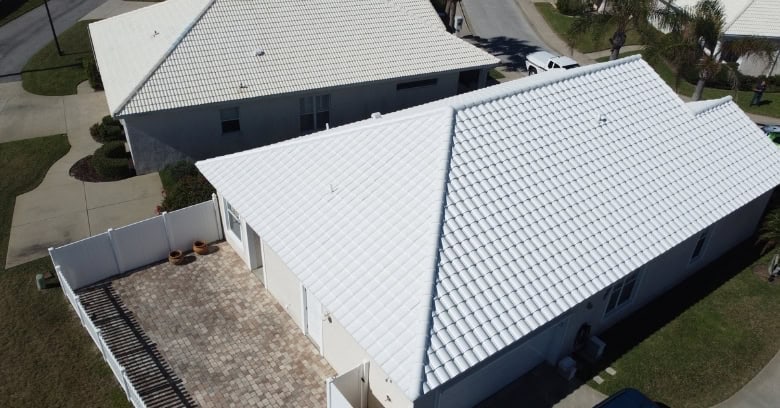
Need Residential Roofing in Sanford Florida?
APC Roofing takes on jobs ranging from a basic checkup to a full replacement, across asphalt, metal and tile alike.
Call 407-270-1129, and a roofer sets a time to come look at the house.
A Roof's Construction, Explained: What's Tucked Away
The surface a passerby notices is only the outer layer, and a water barrier, plywood and framing sit below the surface. Metal flashing seals the seam at a wall, a pipe or a valley, and a drip there rarely points to worn shingles on the slope.
The attic air beneath the deck counts as part of the roof assembly, because moisture trapped up there softens plywood and rusts nails overhead. A brown mark on a ceiling can originate at any level of the roof, so a repair aimed only at the surface can miss the real cause.
Everyday Work of a Roof, Component by Component
A pitched covering sends rain down toward the gutters, and the nailing keeps gusts from lifting the courses. Beams and boards carry the mass overhead, snow included at the colder end of our territory, while airflow through the attic moves damp air out.
Shedding water is the covering's task, and resisting wind is the fastening's job, and holding the whole thing up falls to what is underneath. A weak link puts strain on the parts around the weak spot, so the cause gets traced instead of the symptom being patched.
Small Components on a Roof: Different Timelines
The shingled field is built to last for decades, but a rubber collar at a vent pipe gives out far sooner. Moisture gets behind the covering and moves toward the room, and a ring shows up on the drywall beneath.
Sealant around a skylight loses hold after enough summers, and galvanized flashing corrodes at folds and nail holes. Cap shingles break along the seam, because wind and weather strike the peak harder than the slopes below.
Different Stages, Different Details: a Two-Step Read
From the driveway, the outline of the roof shows dips, sags and wavy planes, and the eave boards and downspouts can be sized up as well. A zoom lens singles out torn collars, lifted tabs and bare patches, though some faults cannot be judged without climbing onto the roof.
Moving across the planes, a roofer tests every connector and traces every flashing joint, and the covering is checked for brittleness, granule shedding and curling. A rain-slicked or very steep covering stays off limits underfoot, and the eave line, reached by ladder, becomes the vantage point.
Behind the Ceiling: Evidence to Look For
A watermark on the decking shows where rain has gotten in, and dampness under the fingers shows the entry is still active. A pinpoint of sky through the boards marks a gap, and the position gets noted by measurement before anyone climbs.
Corroded fasteners poking through mean the attic air runs humid, and a flattened, discolored patch nearby carries the same message. Fill pushed into the eave opening, or a fan duct ending in the attic, turns up only from inside, so a yard-only look passes over faults like that.
The Follow-Up Paperwork: An Overview
A record of the visit takes the form of photographs keyed to spots on the roof, and a note explains what each picture shows. Solid sections are treated in the same plain language as sections that are not, and weak spots are ranked by how soon attention is needed.
A report kept on file lets the next check be measured against a known starting point, and a pattern over time tells more than a single day ever could. A roof tracked across each year brings few surprises, and large jobs show warning signs well ahead of the work becoming pressing.
Routine Care for a Shingle Roof: a Short Rundown
Worn pipe gaskets get swapped out before failure, and aging caulk at skylights gets cut out and redone. Anything the trees drop gets brushed out of the channels, and the gutters get kept running and secured.
A shingle corner resealed in good weather takes little effort, but a season of neglect can end in a ceiling mark. Moss along a north-facing slope wedges under the laps, and the growth gets treated and then brushed away, not blasted off.
How Often the Checkup Should Happen: What to Expect
A roofer should walk the roof once a year, placed right after the toughest season for roofs in that market. The goal is seeing deterioration ahead of any drip, and repair work gets planned rather than rushed.
Following a storm, a walk around the house with eyes on the roof is a good habit, and any new mark on an upstairs ceiling is worth noting. Climbing to the attic hatch with a flashlight twice a year is a smart move: dark spots, daylight and matted insulation turn up long before anything travels any further.
Judging a Roof's Age From Outside: From New to Worn
A shingle surface in the first seasons looks crisp and even, and later in life the sun-exposed plane fades before the shaded side does. Late in a roof's run, tabs cup and granules wash into the downspouts, and mending one area seems to open another.
What the lawn view suggests is a solid baseline, but the true condition shows only from up top. When shingles are exhausted, the candid conversation turns to replacement, and an honest contractor states that plainly, rather than pitching another repair.
The Channel's Part in the System: The Stakes Explained
A sloped roof delivers water only to the eave, and a gutter takes the water the rest of the way. A channel hung the wrong way holds a pool against the house, and the material there softens over time.
A weak area there more often means bad drainage than a shingle issue, and a new covering will not fix what backed-up water caused. The slope of every gutter and where each downspout empties get checked, and the drip-edge metal and the overlap at each joint get looked over as well.
Keeping Things Working Underneath: Why the Details Matter
A balanced system draws air in low and releases air up high, and that movement removes heat and moisture from under the deck. Once that gets shut off, the attic bakes in summer and stays soggy in humid weather, and the deck and shingles suffer early.
Exhaust hardware installed with no matching intake draws conditioned air up from the rooms below, and one high point pulling toward a nearby high point can choke flow at the soffits. Reroofing with poor airflow left alone carries the fault forward, so the underlying issue belongs in the scope of any re-roofing plan.
Specifications That Follow the Weather: How Choices Differ
At the colder end of our range, ice and drifting snow set the build, so a self-sealing membrane runs up from the edge. Near the coast, wind pressure sets how every panel gets nailed, and reinforced edge metal and sealed seams get specified.
Across the hail belt at the colder end of our territory, impact ratings matter, while intense sun dries out asphalt everywhere we work. The details get set by conditions at that specific location, not routine, and not whatever a past project called for.
Homes and Businesses: Different Demands
A sloped covering sheds rain by lap, and the surface is usually shingle, tile or metal. An office or warehouse roof depends on a flat, sealed surface, and mechanical equipment and drains break through that surface.
Some houses have a gently sloped patch over a back room, and shingles over an area such as that leak because standing water finds a way under the laps. A spot built that way needs a sealed membrane tucked under the pitched roof above, and another layer of shingles there brings back the same problem.
Protecting a Damaged Roof for Now: What Lasts a Few Weeks
Plastic over a break keeps the rooms beneath dry for a time, but a quick layer does not mend anything below. A sound cover sits over the ridge and gets held down by wood battens screwed through the material, and enough tension keeps gusts from finding any slack.
A tarp needs to extend well beyond the break, as driven rain works in wherever an edge falls short. Plastic left in place for months traps heat and moisture against the deck, and the covering underneath ages faster than expected.
Where the Roof Changes Direction: No Room for Guesswork
Where shingles climb beside a wall, L-shaped pieces alternate with the courses, and an overlapping strip above keeps runoff off that metal. A chimney has an apron below and metal run up against both edges, and a broad stack gets a diverter built into the roof behind.
Sealant slathered on a weak spot lets go as the metal expands and contracts, so a rebuilt detail is the only answer that lasts. Soft mortar lets water into the brick above the flashing, and part of that repair belongs to a mason, not a roofer.
Getting the Scope in Writing: Items to Expect
A detailed listing names each material going on the roof, and the document states plainly whether the work is a tear-off or a layover. A firm outline settles ahead of time how bad wood gets handled, and every vent, every flashing piece and the haul-away get called out individually.
Two written proposals can be compared line by line, and what one write-up covers and another skips becomes obvious. A roofer who will not put the plan down leaves the owner guessing, and a spoken assurance proves nothing after the fact.
What a Re-Roof Involves: What a Homeowner Sees
Plants take tarps and hard surfaces take padding before the crew begins, and the existing covering gets removed completely. With the old material gone, the plywood gets examined board by board, and anything that flexes underfoot gets sawn out and patched.
Underlayment, new metal and ice-and-water membrane go on across the open deck, and the covering, the ridge caps and the vents go on to finish the job. A magnet gets run over the lawn and the driveway when the work is done, and a last look confirms the gutters are clear.
Beyond the Shingle Roof: What Owners Should Watch
Where panels get fastened through the face, a gasket under the head keeps rain out, and a brittle washer gets replaced whole, never smeared with anything extra. Across our markets, tile sets by mortar, by foam or by clips, based on the property, and the membrane is what keeps the interior from taking on water.
A foot planted wrong breaks off a piece, and a damaged unit gets pulled and replaced to match the surrounding pattern. A modified-bitumen or single-ply section needs the seams and any puddling checked, and debris gets cleared from drains and scuppers.
Warning Signs Around a House: a Checklist
- A buildup of shingle granules in the drainage, long after the covering was installed.
- Curled or lifting edges on the courses, on planes that face the afternoon sun.
- A hardened gasket at a stack, above a bathroom or a kitchen exhaust.
- Discoloration on a bedroom ceiling, still visible once dry.
- Pinholes of light in the sheathing, beside a vent stack.
- Green growth along the north-facing side, soaking up water after every rain.
- A hollow spot in an otherwise even stretch, seen best from across the street.
- Gaps opening where flashing meets siding, a sign that the tie-in needs attention.
Residential Roofing Near Sanford Florida: APC Roofing, Step by Step
Before any recommendation gets made, a roofer walks the whole covering and checks the attic, and the results come back as images plus a short written summary. Good sections get the same plain treatment as problem areas, and the choice of what to do next stays with the homeowner.
Residential Roofing Near Sanford Florida: a Full Look, Not a Guess
Dial 407-270-1129 and get a date on the calendar.
A Roof's Own History: a Few Minutes a Year
Tracking when the covering went on and what was used is worth the effort, and each visit's report belongs with the earlier entries. Including a line for every repair, the spot and the method, rounds out the picture, and given enough time the pattern becomes clear.
A buyer's home inspector almost always asks about the roof's history, and a documented account settles the matter later. A duplicate set, saved to a phone or a drive, is worth making, in case the paper sheets go missing in a move.
Signs of a Job Done Right: Points to Look For
The lines run true from eave to ridge, with rake cuts trimmed sharp, and no nail head shows on the finished surface. At each wall and chimney, fresh metal gets set in as the flashing climbs higher, and no gob of roofing cement stands in for a missing piece.
Ventilation openings stay in place and free of debris, and every gutter ends up hanging correctly. No nails or scraps get left in the grass or on the drive, and sawdust near a cut line is the most common leftover once the work wraps up.
Anyone who arrived looking into Residential Roofing in Sanford Florida has one straightforward next step. Contacting APC Roofing at 407-270-1129 gets a date on the calendar. Every visit covers the roof and the attic together, with nothing left to chance.
Verified

Verified
Verified
Verified
Verified