Tile is one of the best-looking roofs in Central Florida, and one of the longest lasting. It’s also a big decision. If you’re planning tile roof installation in Sanford, you’re likely weighing whether your house can carry it, whether clay or concrete makes more sense and how to tell a careful tile crew from one that just stacks tiles and leaves.
Those worries make sense. A tile roof that’s installed well can protect your home for a very long time. One that’s rushed can leak for years while the tiles on top still look perfect, and you won’t know until the ceiling stains.
APC Roofing is a GAF Certified contractor, licensed in Florida (CCC1337030) and insured. We install and repair both clay and concrete tile, and your inspection and estimate are free.
Why tile works so well in Central Florida
Tile doesn’t mind the heat. Clay and concrete hold up to years of strong UV without drying out the way asphalt does, and the curved profiles leave a small air space under the tiles that helps keep heat off the deck. Tile also doesn’t burn, rot or get eaten by insects.
The catch is that the tile isn’t what keeps water out on its own. The underlayment beneath it does most of that work, and in Florida heat the underlayment usually wears out long before the tile does. That’s why so much of a good tile installation happens before the first tile goes up.
Clay or concrete tile?
Concrete tile is the more common choice on Central Florida homes. It costs less than clay, comes in many shapes and colors, and is very durable. It’s heavy, usually heavier than clay, and its color can fade slowly over the years.
Clay tile has color baked in that holds for a very long time, and it’s a little lighter. It costs more and can be more brittle under foot traffic or a direct hit from debris.
Both come in flat, low-profile and high-profile (barrel or S-shaped) styles. The profile changes the look and also how the tile is attached and flashed.
Can your house carry a tile roof?
Tile is much heavier than shingles. If your house has tile now, the framing was almost certainly built for it. If you’re switching from shingles or metal to tile, the roof structure needs to be checked first, and in some cases an engineer has to confirm it can take the load. This isn’t a step to skip. We’ll tell you up front if tile isn’t a good fit for your framing.
What goes into a proper tile roof installation in Sanford
Tear-off and deck repair
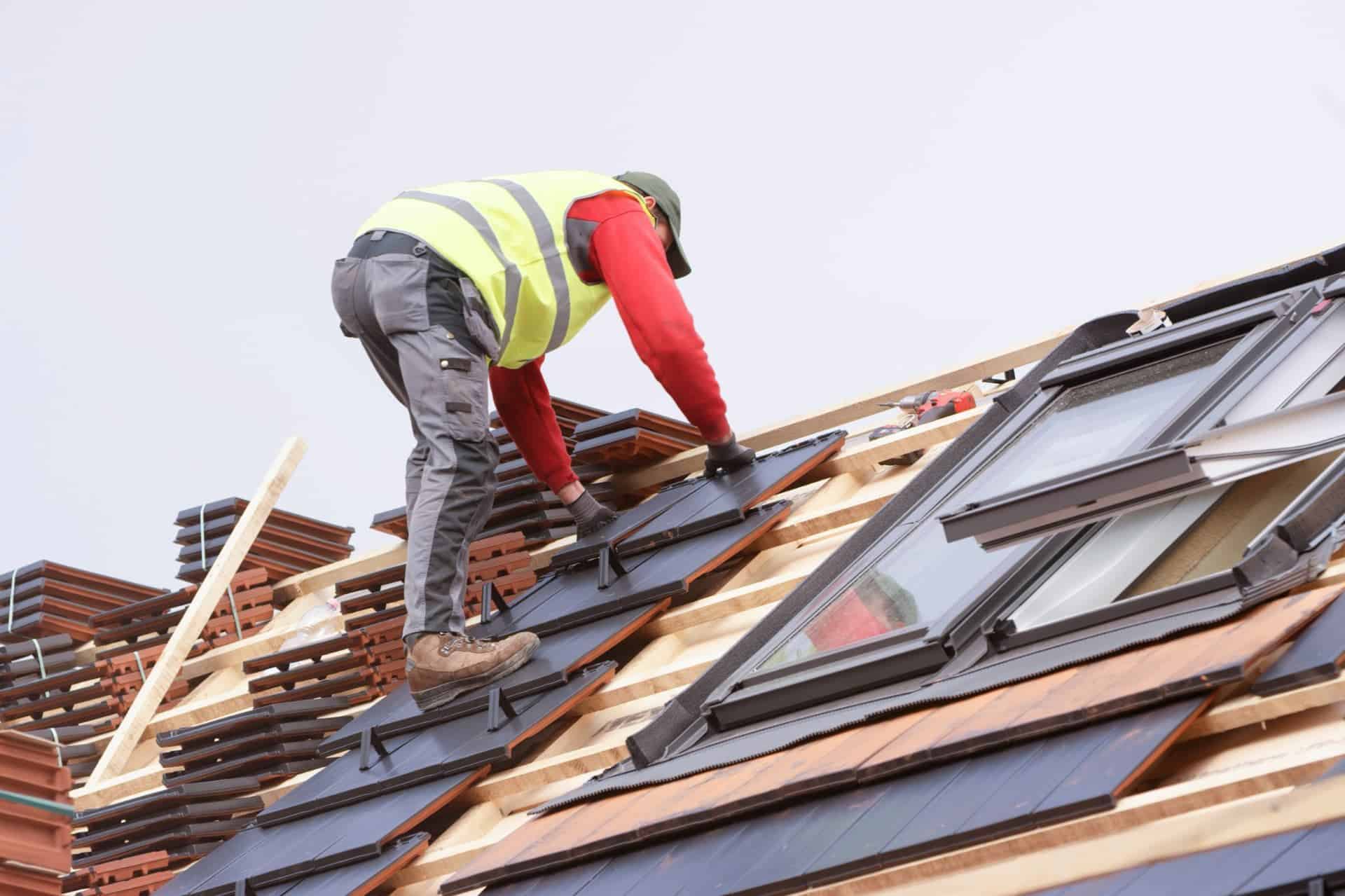
The old roof comes off down to the deck. Tiles in good shape are sometimes saved and reused if you want to keep the same look, though broken and worn pieces get replaced. Any soft or rotted plywood is cut out and replaced, and the deck is fastened to current code.
Underlayment
This is the heart of the job. Tile roofs in Florida typically use a heavy-duty, self-adhered underlayment rated for tile, often over a base layer. It has to be lapped correctly, sealed at every seam and carried up walls and around penetrations. When it’s done well, a cracked tile is a small repair instead of a leak.
Flashing at walls, valleys and pipes
Tile roofs need wide metal valleys and flashing along every wall and chimney, because water runs in channels under and between the tiles. Plumbing vents get flashing sized for tile, not the small boots used on shingle roofs.
Setting the tile for Florida wind
In Florida, tile has to be fastened with an approved method for the wind load on your roof. That might be special foam adhesive, mortar, screws or nails, or a combination, depending on the tile and the system. Hip and ridge tiles get their own attachment and sealing. This is where experience shows. Tiles laid without the right attachment can lift or slide when a tropical storm comes through.
Eave closures and finishing
The bottom row needs closures or a raised edge so the first course sits at the right angle and birds and wind-driven rain stay out. Then the ridge and hips are capped and sealed.
How long does a tile installation take?
Longer than a shingle roof. Tile is heavy to load onto the roof, every piece has to be placed and fastened, and many need to be cut around hips, valleys and walls. Most tile roofs take several days or more, depending on size and complexity. You’ll get a realistic schedule with your estimate.
Repairing vs. replacing a tile roof
If your tile roof is leaking, it doesn’t always need a full replacement. A few cracked tiles can be swapped out. When the underlayment under the tile has worn out across the roof, though, the tiles have to come off so it can be replaced, and many of them can go back on. We’ll show you photos of what’s happening under your tiles before recommending anything.
If you’re deciding between tile and another material, our roof installation in Sanford page covers how every new roof should be built, and the roof replacement in Sanford page helps with the repair-or-replace decision.
Storm damage on a tile roof
Wind-blown debris cracks tiles, and strong gusts can loosen hip and ridge pieces. If your tile roof took storm damage, you file your own insurance claim and pay your own deductible. We document the damage with photos, give you a written estimate and work with your adjuster. Be wary of anyone who offers to waive or cover your deductible. Our wind damage roof repair in Sanford page has more on what wind does to a roof.
How it works
- Book your free inspection. Call 407-270-1129 or request a free estimate online.
- Get a clear, honest assessment and estimate. We check your tiles, the underlayment where we can see it and your framing, then give you options in writing. Financing is available through Aqua Finance, Fortifi, Hearth and Home Run Finance.
- Your tile roof gets installed and the site gets cleaned up.
Tile roof questions from Sanford homeowners
Can I reuse my old tiles?
Often, yes, if they’re in good shape and the style is still something you want. Broken pieces get replaced with matching tile where it’s available.
Is concrete or clay tile better in Florida?
Both work well here. Concrete costs less and is the more common choice. Clay holds its color longer and costs more.
Why does my tile roof leak when the tiles look fine?
Usually the underlayment beneath the tile has worn out, or flashing at a wall, valley or pipe has failed. The tile on top often looks good long after those parts give out.
Is it safe to walk on a tile roof?
It’s easy to crack tile by stepping in the wrong spot. Leave the walking to a roofer who knows where to step.
A tile roof you won’t have to worry about
Waiting on a tile roof that’s already leaking lets water work into the deck under tiles that still look fine from the street, and the repair grows from tiles to wood.
Call 407-270-1129 to book your free inspection. The goal is a tile roof built right underneath, a dry house through every rainy season and the peace of mind that comes from knowing exactly what’s over your head.