
You walked around the house after the last storm and couldn’t tell whether anything was wrong. Maybe there’s a faint brown ring on the hallway ceiling, or you’re about to list the house and want to know what a buyer’s inspector will say. A roof inspection in Republic, MO gives you a straight answer about your roof from someone who has actually been up on it.
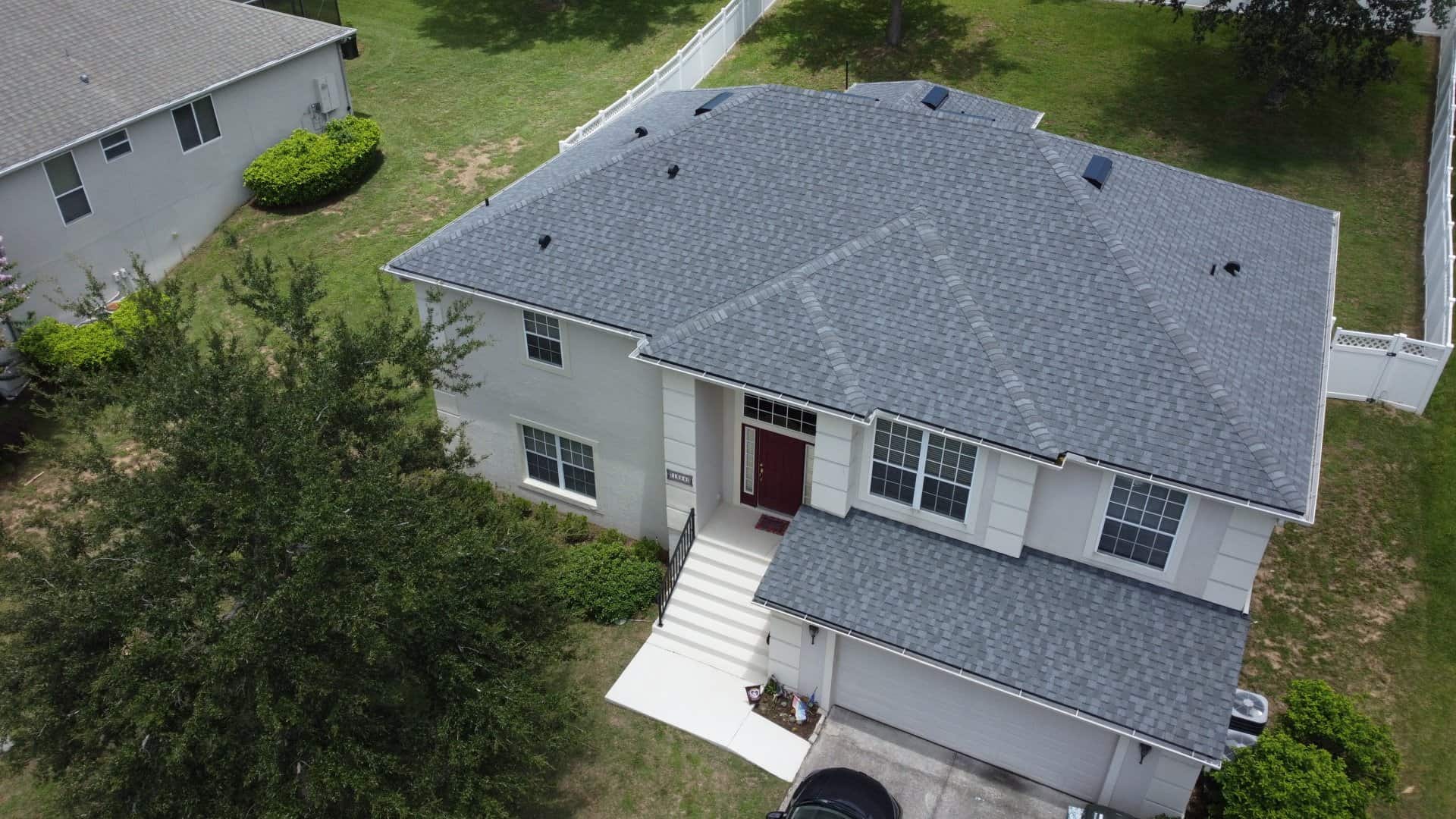
Most roof damage is hard to judge from the driveway. Hail bruises don’t show from the yard, and a cracked rubber collar around a plumbing pipe looks fine from the ground. That’s what makes it stressful. You don’t want to ignore a real problem, and you don’t want to pay for work you don’t need. You should be able to see the evidence for yourself before anyone talks about money.
APC Roofing has been in business since 2017 and serves Republic from our Springfield office. We’re GAF Certified, licensed and insured, and your inspection is free. Call 913-398-5020 to set up a visit.
When a roof inspection in Republic, MO makes sense
Plenty of people only think about the roof when water shows up indoors. These are better times to have it looked at:
- After hail or a hard straight-line wind, even if nothing is leaking yet
- When you notice a ceiling stain, a musty smell in the attic or shingle grit piling up below the downspouts
- Before you buy or sell a home
- When your insurance company asks about the roof’s age or condition
- When the roof is getting older and you’d rather plan for a replacement than be surprised by one
Southwest Missouri weather explains why timing matters. Spring thunderstorms bring hail and strong wind, and winter adds ice storms and weeks of freezing and thawing. Each of those works on a roof differently, and most of the early damage is invisible from below. A look after any spring hailstorm, plus a checkup in the fall before cold weather sets in, covers most of the risk.
What gets checked on the roof
A good inspection covers the whole roof, not just the spot you’re worried about. On a shingle roof, that means looking at the field of shingles for missing pieces, lifted or creased tabs, curling edges, bald patches where the granules have worn away and nails that have backed up through the surface.
Then come the places where roofs usually leak. Flashing where the roof meets a wall or chimney, the valleys where two slopes join, the collars around plumbing pipes and the ridge cap along the top. The edges get checked too, along with the gutters, since water that can’t leave the roof cleanly ends up somewhere it shouldn’t.
Metal and low-slope roofs get their own checks. On metal, that’s loose fasteners, worn rubber washers and open seams. On a flat porch or garage roof, it’s the seams and any spots where water sits after rain.
What the attic tells you
Some of the most useful clues are inside. Dark stains on the underside of the roof deck mark spots where water got past the shingles, and damp wood means it’s still getting in. Daylight showing through the boards points to an opening you can trace from outside.
Not every sign means a leak. Rusty nail tips and frosty boards in winter usually point to moisture rising from the house and condensing in a cold attic. That’s a different problem with a different fix, and it’s worth knowing which one you have before anyone starts replacing shingles.
Hail and wind: what an inspector looks for
Hail leaves round spots where the granules have been knocked loose, sometimes with a soft, bruised feel underneath. Dents in metal vents, gutters and downspouts are a useful clue that hail was big enough to matter. Wind damage looks different: shingles creased along a line, tabs that no longer stick down, and missing pieces near the edges and corners where wind pulls hardest.
This kind of damage often doesn’t leak right away. A bruised shingle can hold for a season or two before it cracks, which is why a roof that looks fine after a storm can still have taken real damage. If hail is your main concern, our hail damage roof repair in Republic page goes deeper.
What you get afterward
You get photos of what we found, tied to where each one sits on your roof, and a plain written summary. Parts of the roof that are in good shape get said just as clearly as the parts that need work. Problems are ranked by how soon they need attention, so you can tell a “fix this now” item from a “watch it next year” item.
If something needs work, you’ll get a clear estimate and an honest answer on repair versus replacement. If it’s a leak, our roof leak repair in Republic page explains how the source gets tracked down. And if the roof is fine, you’ll hear that too. What happens next is your call.
If the damage came from a storm
If hail or wind damaged your roof, you file the claim with your insurance company and pay your own deductible. We inspect the roof, photograph and measure the damage, give you a written estimate and work with your adjuster so the damage is clearly accounted for. Be wary of anyone who offers to waive or cover your deductible. Our insurance roof claims page walks through how the process usually goes.
How it works
- Book your free inspection. Call 913-398-5020 or request a free estimate online.
- Get a clear, honest assessment and estimate. You’ll see the photos, hear what they mean and get a written estimate if anything needs doing.
- Your roof gets done and the site gets cleaned up. Whether it’s a small repair or a new roof, the work gets done right and your yard is left clean.
Roof inspection questions from Republic homeowners
Is the roof inspection really free?
Yes. There’s no charge for the inspection or the estimate, and you’re under no obligation to hire us.
How often should a roof be inspected?
A good rule of thumb is once a year, plus after any storm that brings hail or strong wind. Older roofs benefit most, because small problems show up faster as shingles age.
Can a roof have hail damage if it isn’t leaking?
Yes. Hail often bruises shingles and knocks off granules without causing a leak right away. The damage tends to show up later as cracking and faster wear.
Will an inspection help with my insurance claim?
Photos and measurements give your adjuster a clear record of the damage. You still file the claim yourself, and the adjuster and your policy decide what’s covered.
Know where your roof stands
A small problem found early is usually a small repair. Left alone, a slow leak can soak insulation and soften the roof deck for months before a stain ever shows up on the ceiling.
You don’t have to guess. Call 913-398-5020 or book your free roof inspection online, and come away knowing exactly what’s on your roof, what it needs and what can wait. Then the next storm is just rain on a sound roof over a dry house.


















