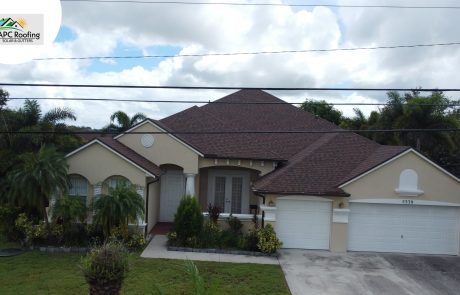
Looking for Residential Roofing in Palm Coast Florida?
APC Roofing takes on jobs ranging from a basic checkup to a full replacement, on shingle, metal and tile alike.
Phone 386-356-2111, and a roofer sets a time to come look at the house.
A Roof's Construction, Explained: What's Tucked Away
What shows from the curb is just the outer layer, and underlayment, decking and structural framing sit out of view. Strips of flashing cover the gap at a chimney, a pipe or a valley, and a leak at that spot rarely points to failed shingles nearby.
The space under the sheathing works as a component of the roof, too, because trapped heat and damp age the deck and shingles above. A leak noticed inside can begin at any level of the roof, and work confined to the outside can miss the real source.
The Jobs a Roof Performs, Component by Component
Laps and pitch steer rainfall toward the gutters, while the fastening pattern stands up to uplift. The trusses and sheathing support the load above, snow included at the colder end of our territory, and openings low and high let moisture escape the attic.
The covering deals with water, and nails and seal strips deal with wind, while what is underneath holds the whole thing steady, out of sight. A failure in one part puts pressure on neighboring parts, and a lasting fix reaches back to where the fault began.
The Minor Pieces of a Roof: Not All Equal
A field of sound shingles can go for decades, but the flexible seal around a stack splits well before the shingles do. Rain finds a way down past the weak point, and a mark spreads across the ceiling beneath.
The bead where two materials meet cracks after enough hot seasons, and aluminum flashing pits at the bends in salt air. Shingles bent into caps split at the seam, since the peak catches more weather than the rest of the roof.
Spotting Trouble Without a Ladder: Near and Far
Seen from the sidewalk, the shape of the roof shows dips, sags and wavy planes, and the gutters, fascia and trim come into view at the same time. Through binoculars, torn collars, lifted tabs and bare patches come into focus, though failing sealant can stay hidden from the ground.
On the slope, a roofer works over every pipe connector and traces each flashing run, and the covering is checked for brittleness, granule shedding and curling. A slippery or steep slope rules out walking, and the check is made instead from a ladder at the eave.
The Underside of a Roof: a Homeowner's Tour
A stained patch on the plywood shows water that got in before, and a clammy touch means the problem is ongoing. A glow through the planking in daytime marks a hole, and a measurement from the peak locates the spot for the outside look.
Rust on the nail shanks comes from moisture in the house, not rain, and a matted, gray patch backs up the same story. A soffit choked with insulation, or a bath fan venting into the attic space, is spotted only from inside, so a look from the yard alone misses ventilation faults of that kind.
A Homeowner's Take-Away: the Basics
What turns up gets documented with photographs matched to locations on the roof, and a written line explains what each image shows. Parts in fine shape are covered as plainly as parts that are not, and faults are ordered from most to least pressing.
Keeping an older report gives the next check something to compare against, and a pattern over time tells more than a single day ever could. Regular yearly checks keep an owner from being caught off guard, and a big repair signals trouble long before the work is urgent.
Keeping a Shingle Roof in Shape: Practical Habits
New rubber boots go on the pipes ahead of any cracking, and the joints at each flue get resealed. Pine straw and twigs get picked out of the valleys, and the gutters get kept running and secured.
A shingle corner resealed in good weather takes little effort, but waiting out a rainy stretch invites water in from beneath. Moss holds shingle edges up and traps water against the courses, and the growth gets treated and brushed off, never pressure-washed.
The Habit Worth Keeping: the Basics
A roofer should walk the roof once a year, set for just after the roughest local weather each season. Catching things early is the whole point of a regular check, and the homeowner learns roughly how much life the covering has left.
In the months between visits, a look from the driveway after high wind helps, and upstairs ceilings deserve a look for new marks. Checking the attic with a lamp each season makes sense: dark spots, daylight and matted insulation turn up long before anything travels any further.
The Age of a Roof Seen From the Ground: Early Signs to Late Signs
Freshly laid, a shingle covering is flat and evenly toned, and approaching midlife the sunniest side fades before the rest. Close to the finish, corners lift and bald patches spread, and mending one area seems to open another.
What the lawn view suggests is a solid baseline, but a walk on the roof is what confirms the condition. A roof near the finish line is better replaced than patched again, and a good contractor gives that answer plainly, rather than selling another repair.
The Channel at the Bottom: What Homeowners Should Know
Shingles hand off rainfall at the drip edge and no farther, and the gutter picks up the flow at the edge. A channel hung the wrong way holds a pool against the house, and the wood close by swells and softens.
A soft spot along that edge points more often to drainage trouble than to worn shingles, and a fresh covering does nothing for a fault at the edge. The direction of fall along each gutter gets checked, together with the outlets, and the drip edge gets looked over where the metal meets the fascia line.
What Ventilation Is For: Why the Details Matter
Fresh air is meant to come in at the soffits and exit along the ridge, and that movement removes heat and moisture from under the deck. If the vents get blocked, the attic overheats each summer and stays sticky the rest of the year, and the tabs curl and the plywood softens ahead of schedule.
Adding roof openings without matching intake draws air from the rooms beneath, and two mismatched setups on one roof can work against each other. A new covering placed over a poorly vented attic inherits the same fault, so the underlying cause gets addressed in the plan for the new roof.
Weather Decides Every Job: What Shifts From Place to Place
At the colder end of the markets we serve, snow load and ice at the edge drive the design, and a sticky underlayment protects the lowest courses. On the coastal side of our area, storm winds set the nail pattern, and reinforced edge metal and sealed seams get specified.
Where big hail is common at the colder end of our region, a harder surface earns consideration, while strong sun bakes asphalt across every market we serve. What goes on a given roof depends on local conditions, not habit or a standard default.
Residential and Commercial Roofs: Different Structures Entirely
A pitched covering sheds water through overlapping courses, and shingle, tile and metal all serve that role. A commercial building usually has a nearly flat, sealed membrane, and scuppers and equipment penetrate that same surface.
Many houses have a gently rising porch or addition, and shingles there tend to leak because water lingers before running off. A low spot like that calls for a sealed sheet, tucked beneath the steeper roof above, and a second round of shingles there fails the same way.
Temporary Covers After Damage: Done the Right Way
A barrier keeps rain off a hole before repairs begin, but the underlying trouble waits for a crew. A good cover goes up and over the peak and gets fastened with wood strips, and the cover gets tensioned before the flapping starts.
A cover needs a wide border around the hole, since water runs sideways under a short edge. Plastic left in place for months traps heat and moisture against the deck, and whatever sits below begins to suffer.
Vertical Joints on a Roof: Getting the Work Right
Step flashing gets woven in with each course along a wall, and counterflashing tucked into the masonry covers that metal from above. A chimney gets an apron across the downhill face and metal tied in up each edge, and a broad stack gets a diverter built into the roof behind.
Tar smeared over a gap gives way as the metal moves, so the lasting answer is new metal laced in properly. Crumbling mortar lets rain soak into the masonry higher up, and part of that repair belongs to a mason, not a roofer.
The Written Scope: Comparing Bids
The rundown for a job should list every product by name, and the document states plainly whether the work is a tear-off or a layover. A firm outline settles ahead of time how bad wood gets handled, and flashing, ventilation and cleanup each appear as a separate line.
Offers from different contractors can be weighed point for point, and any gap between the two versions stands out. A roofer who waves off the specifics gives no genuine protection, since a handshake settles nothing once a dispute starts.
What a Re-Roof Involves: Start to Finish
Landscaping and paving get shielded before any tearing begins, and the old covering gets stripped into a trailer. Once exposed, the sheathing gets a careful look for rot and breaks, and anything that flexes underfoot gets sawn out and patched.
Underlayment, new metal and ice-and-water membrane go on across the open deck, and the main covering, the ridge line and the vents finish the work. The property gets swept with a magnet once the crew wraps up, and the gutters get a final check for leftover material.
Upkeep on Other Coverings: Particular Needs
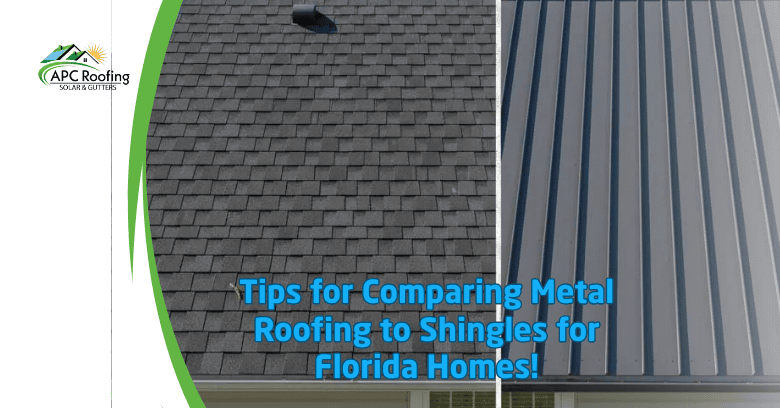
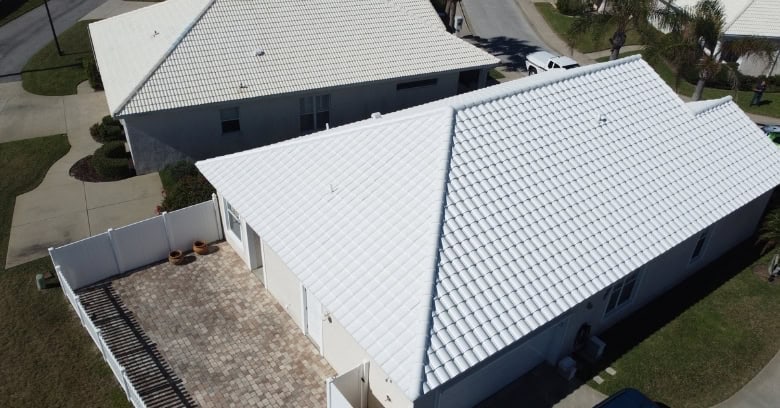
Screw-down metal panels depend on a gasket beneath each fastener, and a cracked washer gets replaced along with a fresh screw. Based on the house, tile may be mortar-set, foam-set or clipped directly, and the underlayment does the actual waterproofing.
A careless step snaps a piece easily, and a damaged unit gets lifted out and replaced with one of the same profile. Flat sections show trouble as standing water and raised seams, and leaves get removed from the outlets regularly.
What Owners Tend to Notice: a Checklist
- A buildup of shingle granules in the drainage, long after the covering was installed.
- Tab ends that curl instead of lying flat, spread across more than one row.
- A hardened gasket at a stack, easy to miss without a zoom lens.
- A ceiling ring in a top-floor room, new since the previous season.
- Light leaking in near a valley or a pipe, with the lamp switched off.
- Green growth along the north-facing side, holding moisture against the surface.
- A hollow spot in an otherwise even stretch, seen best from across the street.
- Caulk cracked along a chimney, left behind by an earlier patch.
Residential Roofing Near Palm Coast Florida: APC Roofing's Approach
Before anything gets proposed, a roofer looks over the whole covering and the attic, and the report shows up as photographs and a clear written account. Solid parts get described as directly as weak ones, and the homeowner sets the order of any work.
Residential Roofing for Palm Coast Florida Homes: a Close Look at the Roof
Phone 386-356-2111 and get a date on the calendar.
Documentation for the Roof: a Few Minutes a Year
Tracking when the covering went on and what was used is worth the effort, and each inspection report deserves a spot in the same folder. Including a line for every repair, the spot and the method, rounds out the picture, and a decade on, the trend stands out clearly.
When a house goes up for sale, a buyer's inspector asks about the roof, and dated receipts make the answers easy to give. A copy kept at a second location protects the earlier notes, since a spill or a move should not be able to wipe out everything.
Signs of a Job Done Right: a Homeowner's Guide
Rows sit true across each plane, with tidy trimming at the gable edges, and no fastener gets left exposed. Metal against any wall or chimney rests flush and secure, and any sealant appears sparing and neat.
Intake and exhaust vents stay open and unblocked, and the gutter runs finish straight and fastened. The lawn and driveway get a magnetic pass at the end of the job, and sawdust from a trimmed board is the most common leftover, easy to rinse from a walkway.
Anyone comparing options for Residential Roofing in Palm Coast Florida can get a straight answer without more digging. Picking up the phone for APC Roofing at 386-356-2111 sets the process moving. Every stop covers the full roof, top to bottom, with nothing left unclear.
Verified

Verified
Verified
Verified