
You’ve decided the old gutters have to go. Maybe they’ve been patched at every corner, maybe a run tore loose under the weight of ice last winter, or maybe you’re replacing the roof and want the edge done right while it’s open. Now you’re looking at gutter installation in Springfield, MO, and every quote seems to be a price per foot with very little else on the page.
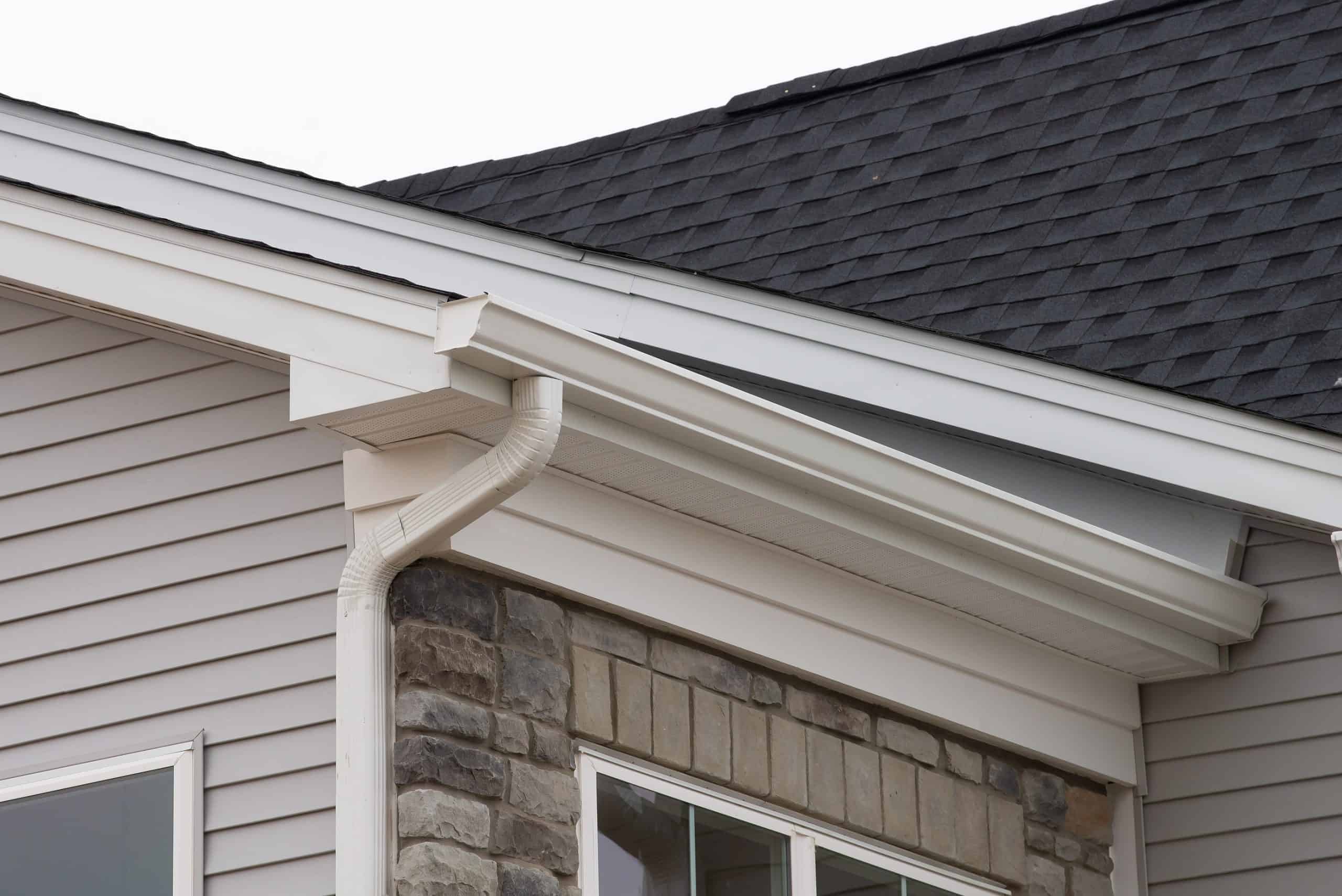
It’s hard to tell a good install from a fast one when you’re standing in the driveway. You deserve to know what goes into the job, so you can tell what you’re paying for.
APC Roofing has been in business since 2017. We’re GAF Certified, licensed and insured, and the inspection and estimate are free.
It starts with the fascia
Gutters hang on the fascia, the board that runs along the edge of your roof. If that board is soft or rotted, new gutters won’t stay put for long. A lot of old gutter systems have been leaking behind themselves for years, so it’s common to find water damage once they come down.
A proper gutter installation checks the fascia first and replaces damaged sections before the new gutters go up. That’s also the time to look at the drip edge, the metal flashing at the bottom edge of the roof. Drip edge should direct water into the gutter, not let it run behind and down the board.
Sizing the system to your roof
Gutters come in standard widths, most often 5-inch and 6-inch for homes. The right size depends on how much roof drains to each run and how steep it is, since a steep roof sends water faster.
Downspouts matter as much as the gutter itself. A run that’s too long for one outlet, or a downspout that’s too small, will overflow in a hard storm no matter how wide the gutter is. Places where two roof slopes meet in a valley pour extra water into one spot, and those spots often need a larger gutter or an extra downspout.
Our rain gutters page goes deeper on sizing for Ozarks downpours.
Pitch: the slope you can barely see
Gutters aren’t hung perfectly level. They slope gently toward each downspout so water keeps moving and doesn’t sit. Too little slope and water pools in the low spots, along with leaves and grit. Too much and the gutter looks crooked against the roofline.
On long runs, a gutter is often pitched from the middle toward downspouts at both ends. That keeps the drop small enough to look straight while still draining well.
Hangers built for winter
Springfield winters bring ice storms and freeze-thaw cycles. A gutter full of ice is heavy, and it’s the hangers that hold all that weight. Hidden hangers screwed into the fascia hold far better than the old spike-and-ferrule style, which tends to work loose as the wood swells and shrinks.
Hanger spacing matters too. Closer spacing gives the gutter more support under ice and wet leaves. A gutter that sags between hangers creates a low spot that holds water, and in winter that water freezes and adds even more weight.
Where the downspouts go
Downspout placement is a balance. They need to be where the water collects, but also where the runoff can be carried away from the house without crossing a walkway or emptying into a flower bed against the foundation.
At the bottom, water should land on ground that slopes away from the house. Splash blocks, extensions and underground drain lines all move water further out, and the right choice depends on your yard. The goal is the same either way: keep water away from your foundation and out of your basement.
Timing it with your roof
If your roof is near the end of its life, it’s usually better to replace the roof first or at the same time. Old gutters are often removed during a roof tear-off anyway, and installing new ones afterward lets the drip edge, roof edge and gutters fit together the way they should. If you’re weighing a new roof, our Springfield roof replacement page is a good place to start.
What a good gutter quote should tell you
When you compare quotes, look for these details on paper:
- Gutter size and material
- Number and size of downspouts, and where they go
- Hanger type and spacing
- Whether fascia repair or drip edge is included
- Where the water goes after it leaves the downspout
If two quotes are far apart, the difference is usually in one of these lines. A quote that lists them is easier to trust.
How it works
- Book your free inspection. Call 913-398-5020 or request a free online estimate.
- Get a clear, honest assessment and estimate. You’ll get measurements, notes on the fascia and drip edge, a recommended layout and a written estimate.
- Get your gutters installed and the site cleaned up. The crew finishes the job and cleans up before leaving.
Financing is available through Aqua Finance, Fortifi, Hearth and Home Run Finance, especially helpful when gutters are part of a larger roof project.
Leaving failing gutters in place usually moves the cost somewhere else: into rotted fascia, stained siding or a damp basement.
Gutter installation questions
How long does gutter installation take?
It depends on the size of the house, how much fascia work is needed and the weather. You’ll get a timeline with your estimate.
Can you install gutters without replacing my roof?
Yes. If the roof has plenty of life left, new gutters can go up on their own. If the roof is close to replacement, it usually makes sense to plan both together.
Are seamless gutters worth it?
For most homes, yes. With no seams along the straight runs, there are fewer places to leak. See our seamless gutters page for details.
Do you fix the fascia behind the gutters?
Fascia and soffit work is part of what we do, so damaged sections can be replaced as part of the installation.
Schedule your gutter installation in Springfield, MO
Call 913-398-5020 or start your free estimate online. You can see our full range of gutter services in Springfield too.
The goal is a roof edge that just works: water into the gutter, down the spout and away from the house, with no stains on the siding and no surprises in the basement.


















