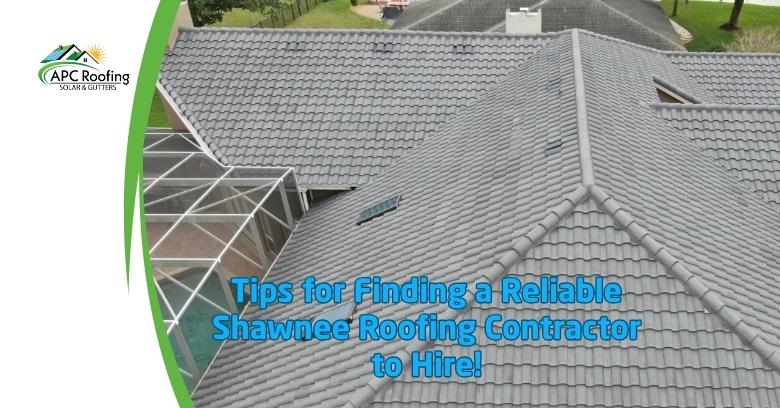
Tile Roof Installation
Ask two bidders on a tile job the same two questions — which underlayment are you installing, and how are the tiles being fastened — and the quotes will sort themselves out in front of you. Tile roof installation is structural work with a decorative finish, judged almost entirely on details that disappear the moment the last tile is set. What follows is the order the work actually runs in, and where the money quietly goes.
Can the building carry it?
A finished tile roof puts many times the dead load of a shingle roof onto the frame, and that load travels down through rafters, walls and foundations. On a house designed for tile, the job starts by confirming the existing framing is sound. On a conversion from shingles or metal, the load has to be evaluated properly, and where the structure needs reinforcement, that is part of the project rather than an inconvenient discovery in week two. Anyone willing to quote a tile conversion without discussing structure is quoting something other than a complete job.
The membrane is the actual roof
With the deck exposed and repaired, the waterproofing layer goes down, and on tile this is the thing that keeps rain out. Tiles shed the bulk of the water and take the sun and the impact, but what blows sideways under a tile, or runs down a hip in a heavy squall, lands on the membrane and is carried to the eave. It is also the layer that wears out first, while the tiles are still perfectly serviceable — most tile roofs outlast two underlayments. A heavier self-adhered membrane costs more up front and buys years before the roof has to be lifted and relaid. The cheapest quote on a tile job is very often the one that saved its money here, where nobody can see the decision until it fails.
Battens, and why they are sometimes raised
Depending on the profile, the slope and local code, tiles are set directly on the deck or carried on battens. Plain wooden battens laid flat across a slope will dam any water that reaches the membrane, so an elevated batten system — battens held off the deck on shims or formed with drainage notches — lets that water keep running to the eave instead of standing behind a strip of wood. On a long slope in a wet climate, that detail is the difference between a membrane that ages and a membrane that rots.
Fastening to an uplift number
Each tile is secured — nails, screws, or approved adhesive — to the uplift standard the code sets for the building's location, exposure and height. Edges, rakes, hips and ridges take the highest loads and get the most attention, because uplift concentrates at corners and perimeters rather than out in the field. In high-wind jurisdictions the specific product and attachment method have to be approved rather than merely reputable; in Florida the approvals are public and searchable through the state's building code information system, which is a reasonable thing to check against what a bid proposes.
The tile itself has a specification
Roof tile is not a generic commodity. Concrete roof tile is manufactured to ASTM C1492, which sets requirements for strength, permeability and freeze-thaw performance; clay roof tile is graded under ASTM C1167, where Grade 1 is the severe-frost grade proven over fifty freeze-thaw cycles. Anywhere the temperature crosses freezing and back, that grade is the whole ballgame, because water absorbed into a porous tile expands about nine percent as it freezes and takes the tile apart from the inside. Get it named on the order.
Flashing, closures and the finish work
Valley metal is sized generously and hemmed so debris cannot dam water behind it. Flashing at walls, chimneys and skylights is formed to suit the tile profile rather than forced flat. Eave closures keep wind-driven rain, birds and nesting material from getting up under the first course. Hips and ridges are weather-blocked and vented where the design calls for it. Cut tiles at valleys and rakes are trimmed cleanly and secured, since small offcuts are the pieces most likely to slide loose in a storm.
Spares, and the paperwork
Profiles and shades go out of production, so a modest stack of spare tiles stored dry on the property is worth ordering with the roof. It costs very little then and turns a future repair from a salvage hunt into an afternoon. The rest is administrative and matters more than it sounds: the permit gets pulled before work starts, a municipal inspector signs the job off afterwards, and one consultant stays with it from first measurement through that inspection, so there is a single person to call when a question comes up six months later.