You love the look of a tile roof, or you already have one and the underlayment beneath it has finally given out. Either way, you’re facing a big project and a lot of questions. Concrete or clay? Can the house carry the weight? How do you know the part under the tile, the part you’ll never see, is done right? Tile roof installation in Holly Hill is a long-term decision, and you should feel sure about it before work begins.
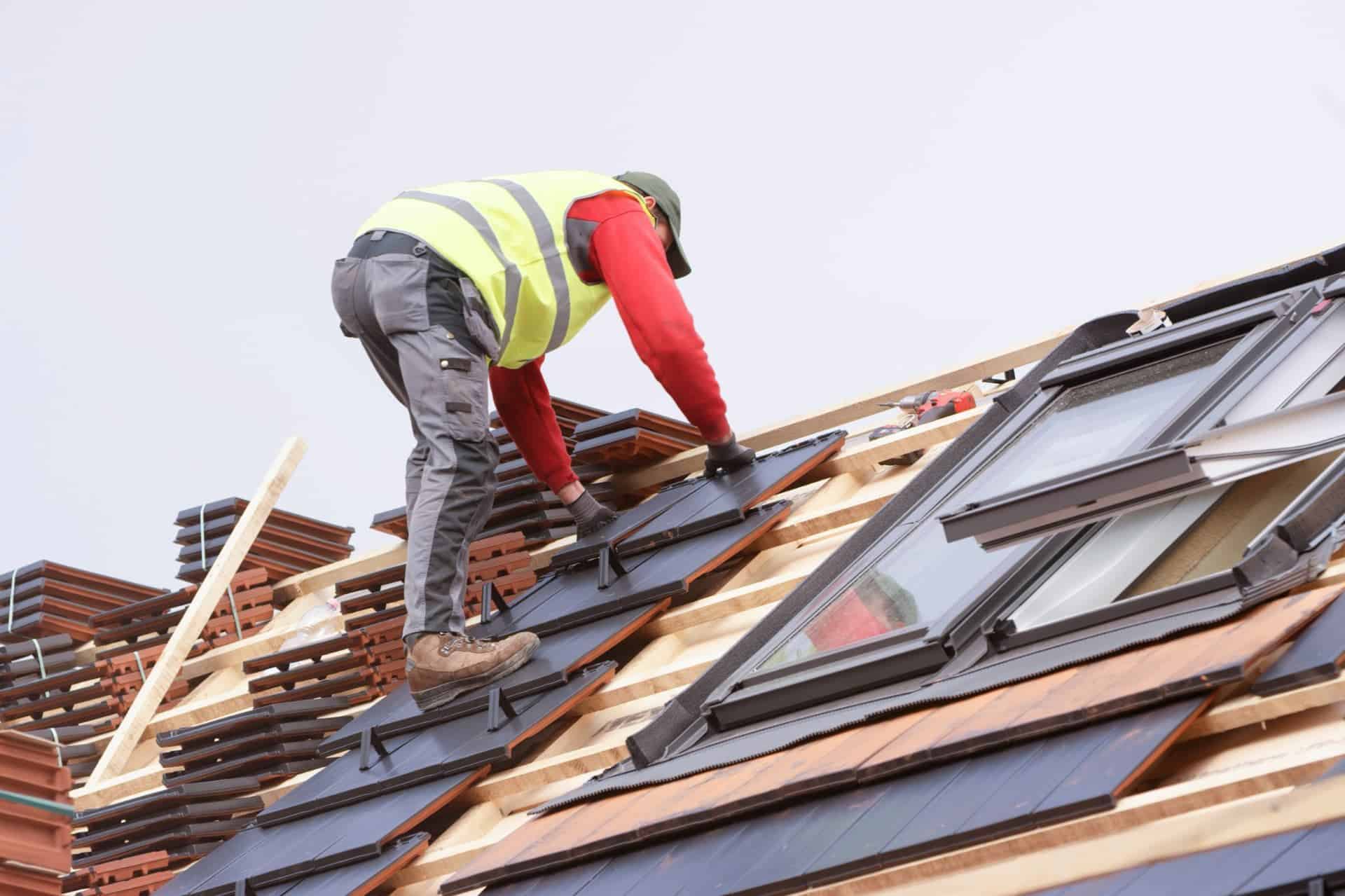
A tile roof can handle the coastal sun and salt air for many years. How long it lasts depends almost entirely on what’s installed underneath and how each tile is fastened, and you can’t check either from the ground.
APC Roofing is GAF Certified, licensed in Florida (CCC1337030) and insured, and we’ve been installing roofs since 2017. Your inspection and estimate are free.
Why tile works on the coast
Tile is a natural fit for this part of Florida. It doesn’t break down in UV the way asphalt does, it shrugs off salt air, and it won’t rot. The air space under many tile profiles also helps slow heat moving into the attic during long summer days.
Tile does have trade-offs. It’s heavy, it can crack when people walk on it the wrong way, and it costs more to install than shingles. It also takes longer to put on. That’s worth knowing before you choose.
Concrete tile or clay tile?
Concrete tile is the most common tile roof in Volusia County. It comes in many colors and shapes, including flat profiles and styles that mimic clay barrel tile. It’s heavier than clay and its color can fade over time, but it’s a dependable, widely available choice.
Clay tile is the classic Spanish and Mediterranean look. Its color is baked in, so it holds its look well, and well-made clay tile is very durable. It’s usually lighter than concrete but more brittle, and it typically costs more.
Both come in barrel (S-shaped), low-profile and flat styles. The shape you choose affects how water drains and how the ridges and edges are finished.
Tile roof installation in Holly Hill, layer by layer
The structure
Tile is much heavier than shingles. If you’re switching from shingles to tile, the roof framing has to be checked to make sure it can carry the load, sometimes with help from an engineer. Replacing tile with tile usually doesn’t raise that issue, but the deck still gets inspected.
The underlayment
In a tile roof, the underlayment is what really keeps the water out. The tiles shed most of the rain and protect the underlayment from the sun, but some water always gets under them, especially in wind-driven rain. A heavy-duty underlayment, installed correctly, is the most important part of the job. When a tile roof fails, the underlayment is usually the reason.
Fastening the tiles
Every tile has to be attached to resist wind. Depending on the tile and the roof, that’s done with nails or screws, roof tile adhesive, or a combination. Edges, corners and ridges need extra fastening, since wind pulls hardest there. The tile manufacturer and Florida’s building code set the requirements, and the work is permitted and inspected.
Flashing, valleys, hips and ridges
Valleys, wall joints, chimneys and plumbing pipes need flashing built to work with tile. Hips and ridges are sealed and secured so wind-driven rain can’t get in. These details take time to get right, and rushed installs tend to cut corners on them.
Edges and drainage
At the eaves, water that runs under the tiles needs a clear path out. Openings along the bottom edge and clean gutters keep water from backing up under the first row.
How long it takes
Tile roofs take longer to install than shingle roofs. The timeline depends on the size of the roof, the tile you pick, and whether deck repairs are needed. You’ll get a realistic schedule with your estimate.
How it works with APC Roofing
- Book your free inspection. Call 386-259-8425 or request a time online.
- Get a clear, honest assessment and estimate. We’ll look at your current roof, talk through concrete vs. clay and tile styles, and give you a written estimate. If your existing tile roof only needs tile roof repair, you’ll hear that first. Financing is available through Aqua Finance, Fortifi, Hearth and Home Run Finance.
- Your new roof goes on and the site gets cleaned up.
If your current roof is leaking, don’t wait on the decision for too long. Water that gets past old underlayment soaks into the deck, and every rainy season adds to the wood that has to be replaced.
Tile roof installation questions
Can I reuse my existing tiles?
Sometimes. If the tiles are in good shape and still available to match broken pieces, they can be carefully removed, the underlayment replaced, and the tiles relaid. We’ll tell you if your tile is a good candidate.
Is tile better than metal or shingles near the coast?
Each can do well here. Tile and metal both handle sun and salt well, and shingles cost less up front. Compare them on our metal roofing in Holly Hill and shingle roof installation pages.
Will a tile roof help with insurance?
Insurers weigh many things, including roof type, age and how it’s attached. Ask your agent how a new tile roof would affect your policy.
Can I walk on a tile roof?
It’s best not to. Tile cracks under the wrong footstep. If you have satellite or solar work done, make sure the installer knows how to work on tile.
Start your tile roof project
Call 386-259-8425 or request your free estimate online.
The end result is a beautiful roof that handles the coastal sun and storms for years, installed right underneath where it counts. Your satisfaction is our reputation.