
A cracked tile showed up in the yard after the last storm. Or there’s a water stain on the ceiling, and when you look up at the roof every tile seems to be right where it belongs. Tile roof repair in Springfield, MO can feel confusing because tile roofs fail in ways that don’t always show from the ground.
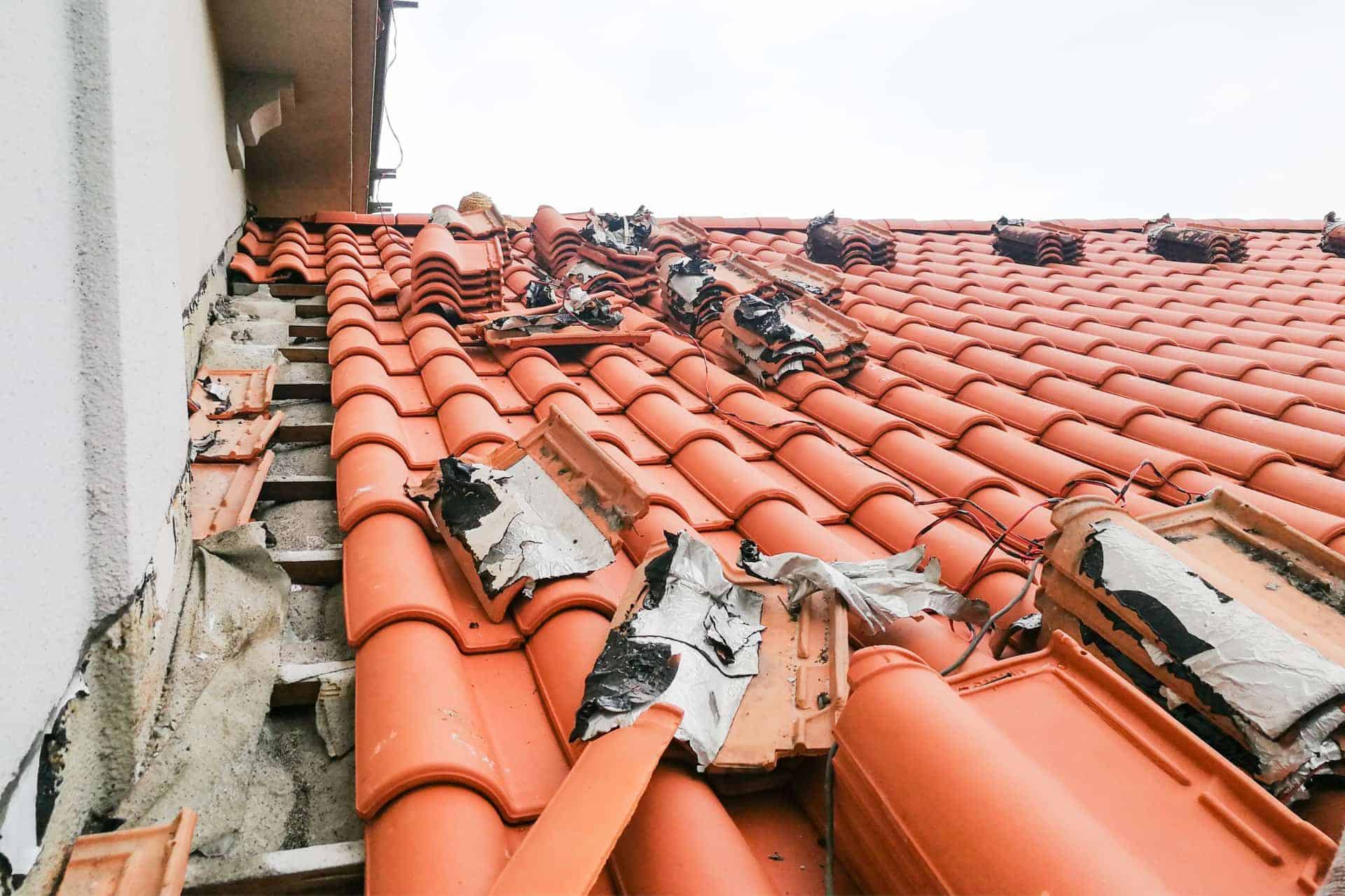
You also might not know who to call. Tile isn’t the most common roof in Springfield, and the worry is that someone unfamiliar with it will break more tiles than they fix, or tell you the whole roof has to go. You deserve someone who’ll find the actual problem and fix that.
APC Roofing has a Springfield office and works on clay and concrete tile roofs as well as shingle, metal and flat roofs. We’ve been roofing since 2017, we’re GAF Certified, licensed and insured, and the inspection is free. Call 913-398-5020.
Why tile roofs leak
A tile roof has two layers that do different jobs. The tile on top sheds most of the rain and takes the sun and hail. Underneath it, a membrane called underlayment is what actually keeps water out of the house. Most leaks come from one of these:
Broken or cracked tiles
Hail, falling limbs and foot traffic are the usual causes. A satellite installer, a gutter cleaner or a holiday-lights hanger who steps in the wrong place can crack a row of tiles in a few minutes. Missouri winters add another cause. Water soaks into small cracks, freezes, expands and widens them.
Slipped or loose tiles
Tiles are held by nails, clips or fasteners, and those can corrode or work loose. A slipped tile leaves a gap that lets rain and debris reach the underlayment.
Worn underlayment
This is the leak that confuses people most. The tiles look perfect, but the membrane underneath has dried out, cracked or torn with age. Water that gets past the tile, as some always does in a hard rain, now reaches the deck.
Flashing at walls, chimneys and valleys
Wherever the roof meets a wall, a chimney or another slope, metal flashing channels the water. When that metal corrodes, gets bent, or its sealant fails, those spots leak first. Valleys also collect leaves and needles, which can dam water and push it sideways under the tile.
Ridge and hip pieces
The tiles that cap the peaks and hips of the roof take the most wind. If they’re loose or their fasteners have failed, water can get in along the top of the roof.
Tile roof repair in Springfield, MO: what the fix looks like
The right repair depends on which layer failed.
When a few tiles are cracked or have slipped, they can usually be replaced or reset one at a time, after the underlayment beneath them is checked. Flashing problems get new metal and proper laps, not just a bead of sealant smeared over the old piece. Loose ridge and hip tiles get reset and refastened.
When the underlayment itself is worn out across a section, patching the tile won’t stop the leak. The fix there is to lift the tiles in that area, stack them carefully, lay new underlayment and reinstall the same tiles. Done over the whole roof, that’s called a relay, and it’s often how a tile roof gets a second life without new tile.
A full replacement only makes sense when the tile itself is failing broadly or the roof has other problems the relay can’t solve. You’ll see photos of what we find and hear why we’re recommending one approach over another. The call is yours.
Clay tile and concrete tile repairs
Both get repaired the same basic way, but there are differences. Clay holds its color for a very long time, so a replacement clay tile may stand out until it weathers. Concrete tile is heavier, absorbs more water and can fade, so finding a close color match on an older concrete roof takes some looking. Discontinued profiles happen with both. Spare tiles left over from the original install, if you have any in the garage, are worth holding on to. If you want the background on each material, see our pages on concrete tile roofing in Springfield and clay tile roofing in Springfield.
Hail damage and insurance
If a hailstorm cracked your tile, you may decide to file an insurance claim. You file the claim and pay your own deductible. We document the damage with photos, give you a written estimate and work with your adjuster. Be wary of anyone who offers to waive or cover your deductible.
How it works
- Book your free inspection. Call 913-398-5020 or request a free estimate online.
- Get a clear, honest assessment and estimate. We’ll find where the water is getting in, show you photos and give you a written estimate for the repair. Financing is available through Aqua Finance, Fortifi, Hearth and Home Run Finance.
- The repair gets done and the site gets cleaned up. You’ll get a realistic timeline with your estimate.
A tile roof can hide a leak for a long time. Water runs along the deck and soaks the wood before it ever drips through a ceiling, and the longer it runs, the more decking and insulation end up part of the repair.
Tile roof repair questions from Springfield homeowners
Why is my tile roof leaking when no tiles are broken?
The underlayment beneath the tile has probably worn out, or the flashing at a wall, chimney or valley has failed. Both are common on older tile roofs and both can be fixed without new tile.
Can I walk on my tile roof to check it?
Please don’t. Tile cracks easily under a person’s weight in the wrong spot, and it’s slippery. Look from the ground with binoculars and let a roofer do the climbing.
Will the new tiles match?
Often closely, sometimes exactly. Older or discontinued tiles can be hard to match. We’ll show you the options before anything goes on the roof.
Do I need a new roof, or can it be repaired?
Most tile roofs can be repaired or relaid. Full replacement is the exception, not the starting point.
Keep the tile roof you chose
You picked tile for a reason. The goal is to keep it, keep the house dry and avoid a surprise bill. Call 913-398-5020 or book your free inspection online, and we’ll find out what’s really going on up there. For other roof repairs in town, see Springfield roof repair, or browse all our Springfield tile roofing work.


















