Looking for Shingle Roof Installation in Springfield Missouri?
APC Roofing re-covers slopes with laminated or flat strip products, from a small cottage to a large two-story house.
Phone 913-398-5020 and someone will come out and explain what is up there.
Components and Construction: Plant to Pallet
Each shingle is built on a fiberglass mat for strength, while an asphalt coating keeps water out, and granules rolled into the surface shade everything beneath from ultraviolet rays.
Seemingly similar products often follow very different recipes, and added mass tends to buy durability. A showroom sample tells nothing beyond appearance, while the maker's data sheet lists wind and impact ratings.
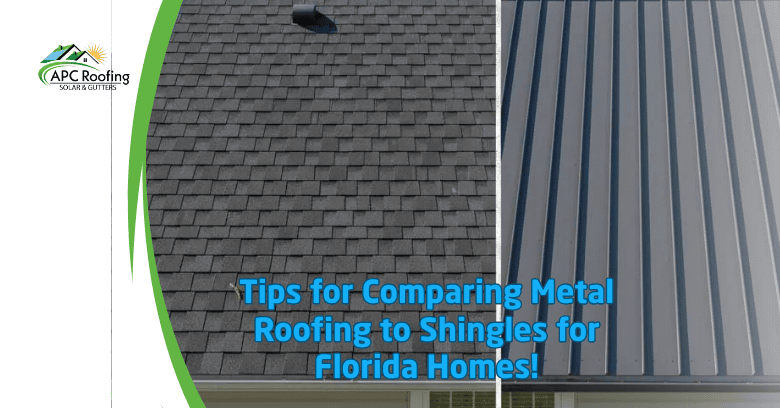
Strip Versus Laminated: How the Designs Differ
The three-tab type is a single sheet notched twice along the bottom, so the overall look is orderly. An architectural product bonds a contoured upper strip to a solid backer, and the offset design reads as depth from the street.
Thicker double-layer shingles weigh more across a slope, and a higher wind rating typically comes along. Fasteners on an architectural shingle must catch the overlap of both plies, and most manufacturers print guide lines there.
A Place for the Plain Option: A Narrow Niche
Little outbuildings and back porches are typical spots for three-tab, and an addition can blend with an older covering of that type. Selection has shrunk, since many brands have trimmed that style, so a close pairing may take some searching.
Laminated shingles hide small dips in an older deck better, while a thin strip follows every undulation. The two styles share the same underlayment and edge metal, and only the visible layer differs.
Loose Grit: New Versus Worn
A recently installed covering lets go of leftover grains for a while, and that is no cause for concern. A steady stream of grit from an aging covering shows the top layer is going, and the naked asphalt goes on to crack.
South- and west-facing planes bake the longest each afternoon, and dull patches gather there.
The Factory Sealant Band: Resisting Uplift
Every shingle arrives with a sticky asphalt stripe, and a stretch of warm, sunny days softens it until the overlying row sticks. An adhered course resists gusts that try to pry up its lower edge, while nails hold every shingle for its whole life on the house.
At the colder end of our territory, a covering installed in freezing temperatures can wait months to bond, and wind can peel back the tabs before then. The manufacturer's sheet calls for hand-applied cement, and a printed label spells out quantity and spacing.
Attachment Basics: Height, Depth and Quantity
Every nail belongs inside a narrow stripe the manufacturer marks, where each shank pins the row below as well. The basic schedule calls for four fasteners on each shingle, while steep pitches and windy locations need six.
A nail driven high pins one layer instead of two, a head pounded too far breaks the mat, and a tilted shank props up the shingle resting on it. Published wind ratings assume the manufacturer's pattern was followed exactly, while one misadjusted compressor can spoil every drive on a job.
What Supports the Covering – Replacing Weak Sections
Shingles are fastened to a deck of plywood or OSB, and every fastener needs solid material there to hold. Some older homes have spaced planks installed originally for cedar shakes, and sheathing is nailed over them before shingles go on.
During a tear-off, weak or water-damaged pieces are swapped for sound ones, because fasteners in decayed stock work free. Installers leave a slim gap where sheets meet, as moisture makes the wood expand and ridge up when butted tight.
Old Paper, New Fabric: Modern Options
Before any shingles go down, a water-resistant membrane is rolled over the deck, and it goes down in horizontal runs that lap downhill. Felt paper has mostly given way to synthetic underlayment, because the replacement is lighter to carry and harder to rip.
Rain that gets past a damaged shingle drains across the membrane rather than into the deck, but it is meant for occasional water, not months of open sky.
Membrane at the Eaves: Trapped Runoff
At the colder end of our territory, a heated attic thaws rooftop snow, and meltwater freezes solid at the unheated edge. Trapped water behind the blockage creeps higher beneath the courses, and regular underlayment offers no seal where nails penetrate.
Where ice dams form, building codes require an adhered membrane at the eave, and it reaches up the slope past the inside line of the exterior wall. Throughout our service area, valleys and chimneys commonly receive it as well, because those junctions carry heavy flow.
Where the Deck Ends: Sequence Matters
Prefinished drip edge follows each eave and each rake, so the fascia stays dry. Down low, the flashing is installed before the underlayment, whereas up the gable the sequence runs backward.
Codes across much of the country list edge metal as required on every perimeter of the covering, because runoff can cling and curl back toward the wood.
Beginning at the Gutter: Uplift Concerns
A purpose-made starter strip lines the bottom of every slope, so tacky asphalt ends up at the very brink of the deck. A rotated field piece strands the adhesive several inches up, and nails alone then keep the lowest tabs from lifting.
Most instruction sheets extend starter up both rakes, because wind catches the outer margins along with the eaves.
Junctions of Adjoining Planes: Debris and Flow
A valley can be built open, with a metal channel left exposed down its center, while in the closed-cut type one side crosses over and the opposite side is trimmed neatly. Weaving rows from both planes together suits single-layer tab products, though dimensional shingles rarely take to it because of their bulk.
No nails are driven near the middle of the crease, and a sealed membrane is placed below as backup. Collected leaves and twigs slow the flow and keep the surface wet, and diverted water can work under the neighboring courses.
Tie-Ins to the Structure: Water Shedding Order
Every course that meets a wall gets its own folded step flashing, while the lap siding covers the upright side. At the low corner by the house, a kickout piece bends outward, because otherwise rain soaks the framing.
Chimney flashing combines a front apron, side steps and counterflashing cut into the brick joints, while a wide one gets a small peaked cricket behind it.
Through-Roof Vents: Wear Over Time
Standard boots join a flat metal or plastic plate to a rubber sleeve, and ultraviolet exposure dries the gasket out and cracks it. Shingles uphill cover the top of the flange, so the lower edge sheds onto the shingles beneath.
A cracked collar is common on a covering that is otherwise sound, so new boots come with every new covering.
The Topmost Seams – Vents Beneath
Each hip and the ridge get a row of cap shingles across the joint, and makers of two-ply lines sell a purpose-built companion. Improvised pieces from cut tabs are lighter and thinner, and on frigid days at the colder end of our territory the crease may crack.
The caps often conceal a vent along the peak, so longer fasteners go through it to anchor in the decking.
Attic Airflow: Common Problems
Air should be drawn in along the eaves through soffit openings, and the ridge releases it. Batts pushed hard against the sheathing at the wall line can block movement, and foam or cardboard baffles hold a channel clear.
An attic with poor airflow runs hot under the decking, while indoor humidity collects there with nowhere to go. On frigid nights at the colder end of our territory, condensation freezes on the nail tips, and the melt soaks the insulation by afternoon. Mixing a ridge vent with gable louvers or a powered fan can short-circuit the flow, which leaves the eaves without movement.
Local Extremes: Wind, Sun and Winter
Our markets take in mountain snow in one place and tropical heat in another, and asphalt meets a different set of stresses in each. At the coastal end of our territory, big storms off the ocean send steady wind across a house, so manufacturers list a high-wind nailing schedule. Relentless sunshine hardens the binder over the years, while streaks spread faster where the air stays sticky.
At the colder end of our territory, ice forming in hairline cracks forces them apart, while deep snow loads the deck for weeks.
Frozen Pellets – Reading the Strikes
At the colder end of our territory, hail falls in many storm seasons, and impact-resistant lines exist for exactly that. Where a stone lands, the granules break away in a round mark, and a hard enough blow can crack the mat underneath.
An impact class is assigned after steel balls are dropped on samples in a lab, and a higher grade means passing a tougher trial. Plenty of makers use a polymer-modified coating, so the material bends where an ordinary mix would crack.
Blowing Weather – Putting Things Right
Suction pulls hardest along the eaves, the rakes and the corners of a roof, so any piece that has come unstuck shakes in each blast. A tab flipped over by a gust carries a scar across it afterward, and the mat never regains its strength along that line. Pieces left in that condition are taken out and replaced, but one that lifted cleanly can be stuck back down.
Gaps where tabs tore away expose the membrane to sunlight, and rain then has only that thin layer to get past.
Stains and Green Growth: Shade and Damp
The inky bands seen on so many houses come from algae, which feeds on crushed limestone mixed into the product. Shady, slow-drying planes at the humid end of our territory tend to go dark soonest, and the film alone rarely shortens the life of the covering.
Moss matters more, since it keeps the courses damp, and as clumps thicken they wedge the tabs upward. Power washing tears granules loose as it goes, so a light misting of a purpose-made solution is used instead. Copper-bearing mineral is blended into algae-resistant lines, and a zinc strip near the peak slows regrowth on an older covering.
What the Color Changes: Beyond Looks
Deep tones take in more solar warmth and reach higher surface temperatures, while a light gray or tan stays cooler. A few lines carry special granules that keep even a mid-tone from getting as hot, and their performance is published as a reflectance value.
Shingles from separate production runs may not match exactly, and makers advise mixing bundles across a slope. Multicolored designs keep slight differences from showing, while a solid, even finish reveals them more readily.
Walking on Asphalt – Frost and Footing
Strong sunshine warms the bitumen until it goes pliable, so treads rub the stone off in patches. At the colder end of our territory, a frozen shingle can snap under a knee or a boot, while dew that freezes overnight leaves a slippery glaze.
Owners do best to stay off the ladder altogether, and a pair of binoculars shows most of what matters.
A Second Layer: What Gets Missed
Rules across much of the country accept an overlay over an original roof, provided there is only one and nothing beneath is rotted. Leaving the first layer on keeps the decking covered the whole time, and weak spots stay just as they were.
Irregularities beneath carry up into the finished roof, and flashing past its prime is usually kept. A doubled covering rests on structure never meant for that weight, while longer fasteners are needed to reach solid sheathing.
Clues to Notice: A Short List
- Coarse granules wash onto the splash blocks, and more arrives after every heavy rain.
- A few tabs sit raised above their neighbors, and wind has pried the adhesive apart.
- Courses have started to buckle and warp, and the asphalt is drying out.
- Splits open across the middle of a tab, and water can reach the mat through them.
- Some spots look dull and flat, so the base is bare to sunlight.
- The seal around a plumbing stack has cracked, so water works its way indoors.
- The metal where a slope meets siding sits bent or pulled back, so every storm can find a weak point.
- A stain spreads across the ceiling of an upstairs room, while the opening outside can be several feet off.
How APC Roofing Approaches Shingle Roof Installation in Springfield Missouri: Our Method
An inspection begins with a walk across each slope, and the details at every valley, vent, flashing and edge are read. The attic is checked from inside for stains and light coming through, because darkened wood marks where water got in.
What turns up is photographed, with measurements taken of the extent. A written summary lays out what was found, and every recommendation comes with its reasons. A minor job is presented as minor, while a spent covering is named for what it is. The homeowner decides what comes next, from a single repair to a full replacement.
Shingle Roof Installation for Homes in Springfield Missouri: Findings in Plain Words
Reach us at 913-398-5020 and describe what you are seeing.
Mending or Starting Over: Knowing the Limit
A failed vent collar, a lifted flashing or several damaged tabs calls for ordinary repair, while everything else on the slope remains. Patched areas show a visible contrast at first, and that earlier shade may simply not exist anymore.
A sun-dried tab breaks as soon as it is pried back, so the pieces beside the work may need to come out too. Where the whole field is cupped and losing grit, a patch simply moves the problem along.
Useful Lifetime: What Moves the Number
Strip products tend to give fifteen to twenty years, while architectural lines can go well beyond that. The ranges shift with attic ventilation, climate and installation care, while one bad storm can end the run early.
The vent collars and flashings deserve an occasional look, because minor gaps closed promptly spare the sheathing.
For a roofer's view of Shingle Roof Installation in Springfield Missouri, reach APC Roofing at 913-398-5020. The whole covering and the attic are inspected in person, and you get the findings in writing and choose.
Verified

Verified
Verified
Verified