Considering Shingle Roof Repair Anywhere in Springfield Missouri?
APC Roofing lays new courses of strip and laminated products on ranch homes, two-story houses and detached garages.
Call 913-398-5020 and the findings are explained without jargon.
Behind the Colored Finish – Factory Details
Each shingle takes its strength from a fiberglass mat, and asphalt spread over the sheet stops water, and a dense layer of crushed rock granules takes the glare.
Seemingly similar products often follow very different recipes, and weight per square often tracks with durability. A swatch offers the look and nothing more, while a technical sheet sets out performance figures.
Comparing the Styles: The Practical Contrast
A three-tab shingle is one thin layer with two slots cut into its lower half, and courses laid this way form tidy straight bands. Architectural shingles join a full base ply to a shaped upper one, and the covering appears textured and shadowed.
Thicker double-layer shingles weigh more across a slope, and published wind ratings are commonly higher as a result. Nailing on a two-ply shingle aims at the strip where the plies are joined, and a printed guide shows the right position.
Strip Products in Use – Practical Niches
Little outbuildings and back porches are typical spots for three-tab, and a patch can match the rest of an older house. Several makers now offer that style in fewer colors than before, and some shades are no longer produced.
A dimensional surface disguises minor unevenness in the sheathing, while a thin strip follows every undulation. Underlayment and flashings are the same under either style, so the difference lives entirely in the top layer.
The Granule Surface: Sun-Facing Slopes
Shingles fresh from the bundle drop leftover grains in their opening months, which is harmless. On a covering with many years behind it, drifts of granules at the outlets mean real surface wear, and exposed asphalt turns brittle and splits.
Planes aimed south or west receive the harshest sun, so the damage is usually heaviest on them.
Courses Held Together: Limits in Cold Months
Glue is applied to every shingle at the plant as a narrow stripe, and heat from sunshine turns it tacky enough to grip the row above. Adhered courses keep their bottom edges down in a gust, while the nails keep doing their share for decades.
At the colder end of our territory, shingles laid in late fall may not seal for weeks, and strong wind may raise tabs in the meantime. For such work the makers' directions call for asphalt cement under each piece, and each package shows how much to use and where.
Holding Pieces Down – Why Accuracy Counts
Every nail belongs inside a narrow stripe the manufacturer marks, where each shank pins the row below as well. Most shingles take four fasteners apiece, and six go in where the slope is steep or the wind is strong.
A misplaced high nail leaves the lower course loose, a head pounded too far breaks the mat, and a crooked shank makes a bump that wears through the shingle above it. Published wind ratings assume the manufacturer's pattern was followed exactly, and an out-of-adjustment tool spreads one error across a whole face.
What Supports the Covering: Soft Spots
Flat sheets of plywood or OSB make up the deck, since shanks need continuous solid material to stay put. Older houses sometimes keep the gapped boards once used under shakes, and sheathing is nailed over them before shingles go on.
During a tear-off, weak or water-damaged pieces are swapped for sound ones, because nails in weakened material back out over time. Installers leave a slim gap where sheets meet, because swelling in damp seasons buckles anything laid too tight.
The Middle Layer – Types in Use
Before any shingles go down, a water-resistant membrane is rolled over the deck, and it goes down in horizontal runs that lap downhill. Asphalt felt is less common now that synthetic sheet has taken hold, because the replacement is lighter to carry and harder to rip.
Moisture that sneaks beneath a shingle is carried off by the membrane, though sunlight breaks it down if it stays exposed too long.
Self-Adhered Eave Membrane: Width That Counts
At the colder end of our territory, attic warmth melts snow on the upper slope, and meltwater freezes solid at the unheated edge. Trapped water behind the blockage creeps higher beneath the courses, and standard felt or synthetic sheet does not close around the nails.
Where cold winters bring ice dams, a sticky rubberized barrier is applied at the eaves, and it runs past the interior face of the outside wall. In all of our territory, installers also lay it in valleys and around penetrations, because those junctions carry heavy flow.
Border Protection – Guarding the Trim Board
A bent metal drip edge runs along the eaves and up the rakes, and the lip carries water clear of the fascia. On the lowest margin the underlayment laps over the flashing, while on the gable ends the sequence is flipped.
Edge metal around the whole perimeter is a code requirement in many towns, since rain otherwise wicks under and rots the sheathing.
The Launch Point of Each Plane: Uplift Concerns
A purpose-made starter strip lines the bottom of every slope, and its glue stripe sits at the extreme outer margin. A regular field piece simply turned around leaves its adhesive well back from the gutter, so the outermost tabs are pinned by nails only.
A starter run along each rake is common practice under current instructions, because wind catches the outer margins along with the eaves.
Where Slopes Meet: Construction Methods
An open valley shows a strip of metal running down the crease, and the closed-cut approach laps one side across and trims the other straight. A woven junction interlaces rows from both planes, which works with three-tab, though dimensional shingles rarely take to it because of their bulk.
No nails are driven near the middle of the crease, and a peel-and-stick liner covers the wood below. Debris packed into a valley stays damp long after rain ends, so runoff may be forced beneath the cut side.
Masonry Connections: Water Shedding Order
Step flashing along a wall is set one to a course, and the exterior finish hangs down across the standing half. An angled kickout sits at the foot of the house face, and skipping it sends water into the studs.
Around a chimney, step pieces line the sides, an apron covers the front and counterflashing is set into the masonry, and a broad stack calls for a saddle upslope.
Holes for Plumbing: Timing a Swap
Every pipe boot pairs a flat base of metal or plastic with a snug neoprene collar, and ultraviolet exposure dries the gasket out and cracks it. The upper half of the flange tucks beneath the shingles above, and water running down the slope passes over the exposed lower part.
Collars frequently need attention while the rest of the covering is healthy, so replacing the shingles means replacing the boots too.
Along the Peak – Fastener Length
Cap shingles straddle the ridge and run down every hip, and laminated work calls for the maker's coordinated accessory. Tabs cut from single-layer shingles make a thinner substitute, and on frigid days at the colder end of our territory the crease may crack.
A continuous ridge vent frequently lies under the cap row, so longer fasteners go through it to anchor in the decking.
The Space Under the Deck: Common Problems
Outside air should come in through vents under the eaves, while an exhaust at the peak lets it escape. Loose-fill insulation piled into the corners can smother the flow, and foam or cardboard baffles hold a channel clear.
A stuffy attic adds heat beneath the deck, and moisture from the living areas lingers up there. Across the colder end of our territory, a crust of frost builds on the nail points, and the melt drips down when the sun comes out. Adding a fan to an attic that already has a ridge vent can reverse the intended path, and the soffits stop doing their job.
Regional Demands – Storms and Algae
The towns we cover run from hard-freeze country to places that barely see frost, and the strain on asphalt shifts with the setting. At the coastal end of our territory, hurricanes bring spells of fierce wind, and product instructions call for extra nails there. Relentless sunshine hardens the binder over the years, while damp air in the humid markets feeds algae.
At the colder end of our territory, water that seeps into a crack freezes and widens it, while snow cover keeps the eaves cold for weeks at a time.
Balls of Ice – Marks on the Surface
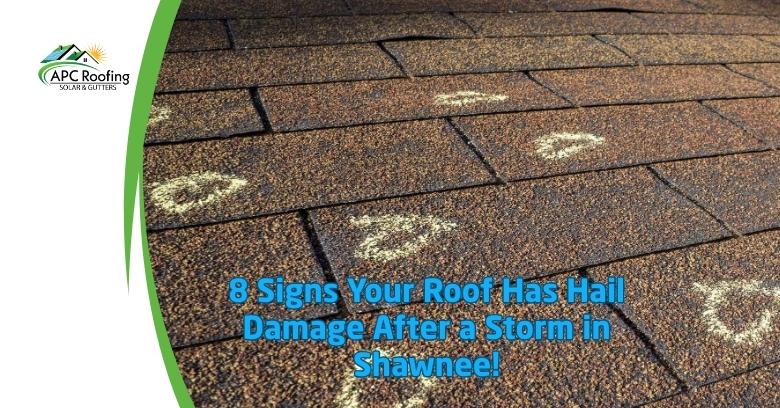
At the colder end of our territory, big hail visits many neighborhoods, so shingles designed to resist impact are widely sold. A strike scatters the grit from a small round area, and a violent one can split the reinforcement beneath.
Laboratories rate impact resistance by dropping steel balls from set heights, and a higher grade means passing a tougher trial. Certain makers blend a rubbery polymer into the coating, which lets the shingle flex instead of shattering.
Wind on Asphalt: Bare Patches of Sheet
Suction pulls hardest along the eaves, the rakes and the corners of a roof, and a loose shingle rises and slaps back down. Once a tab is doubled back, a crease forms where it bent, and the mat never regains its strength along that line. A piece in that state is swapped out, but one that lifted cleanly can be stuck back down.
Gaps where tabs tore away expose the membrane to sunlight, and it was never made to stand up to daylight.
Roof Growth – Copper and Zinc
Black lines trailing down a slope are usually algae, which feeds on crushed limestone mixed into the product. At the humid end of our territory, shaded north-facing roof planes grow it fastest, and the stain itself is mostly a cosmetic problem.
Moss poses a real threat, as it traps moisture against the courses, and it works under the edges and raises them. Pressure washing takes the granules along with the growth, while a soft rinse with a roof-safe cleaner does the job without damage. Copper-bearing mineral is blended into algae-resistant lines, while a strip of zinc at the ridge helps keep the stains from returning.
Picking a Hue: Beyond Looks
A dark covering gains more warmth from sunshine, while pale ones stay cooler. A few lines carry special granules that keep even a mid-tone from getting as hot, and the share they return is listed.
Stock can vary from one production lot to another, and makers advise mixing bundles across a slope. Variegated patterns make those changes hard to see, whereas a single flat shade gives them away.
Going Up Top: A Safer View
Midday sun softens the surface noticeably, and a twisting heel tears the mineral layer. At the colder end of our territory, a frozen shingle can snap under a knee or a boot, and a thin film of frost makes the slope a slide.
A homeowner is far safer staying on the ground, and a good pair of field glasses picks up loose or missing pieces.
Laying Over the Old Covering: What Gets Missed
Local regulations commonly accept an overlay over an old roof, as long as there are not already two and the base is sound. The current shingles stay on top of the decking throughout the job, and damaged sheets end up sealed beneath the added material.
Humps and hollows in the courses below show through, while aging flashing frequently stays put. Two layers put more pounds on the rafters than they were planned to hold, while longer fasteners are needed to reach solid sheathing.
Things to Watch For: A Homeowner's Guide
- Dark sand gathers where the spouts empty, and the amount keeps growing year after year.
- Gaps appear where pieces have blown off, which tells you the glue line failed.
- Corners turn up like an old leaf, which happens as the oils bake out.
- Straight breaks run through a few pieces, and moisture soaks into the mat.
- Some spots look dull and flat, so the base is bare to sunlight.
- A flue or vent collar has turned brittle and torn, and rain slips through into the house.
- Counterflashing at a chimney has worked out of its joint, and wind-driven storms can get behind it.
- A water mark appears near a light fixture or a closet, but the place moisture enters may lie higher up.
APC Roofing and Shingle Roof Repair in Springfield Missouri: Our Method
An inspection starts by walking each slope in turn, taking in the valleys, the vents, the flashings and the edges. The attic is checked from inside for stains and light coming through, because darkened wood marks where water got in.
Any problem is photographed, with measurements taken of the extent. The results are put in writing in everyday words, and each recommendation carries its reasons. Small faults are labeled as small, while a spent covering is named for what it is. The final say rests with the owner, and waiting is one of the options.
Shingle Roof Repair in Springfield Missouri – Help From People Who Know the Details
Dial 913-398-5020 to book a time.
Small Fixes and Full Jobs – Reading the Signs
Trouble at a boot, a flashing or a few scattered tabs is normally dealt with by a repair, and the sound shingles nearby stay in service. A replacement piece looks brighter than the aged ones around it, and that earlier shade may simply not exist anymore.
A sun-dried tab breaks as soon as it is pried back, so the pieces beside the work may need to come out too. When shedding and fractures appear on every face, repairs no longer hold for long.
Life Expectancy – Early Endings
A three-tab product commonly gives around fifteen to twenty years, while dimensional ones often manage a decade more. The ranges shift with attic ventilation, climate and installation care, and a single violent storm may finish a covering off early.
Seals around pipes and walls benefit from a periodic check, as prompt fixes keep water out of the wood.
For a roofer's opinion on Shingle Roof Repair in Springfield Missouri, call APC Roofing at 913-398-5020. Every slope, edge and flashing gets a close look, and a written report leaves the choice with you.
Verified

Verified
Verified
Verified