Looking for Architectural Shingle Roofing in Springfield Missouri?
APC Roofing mends torn, curled and lifted pieces and lays complete new coverings for homes of every age and size.
Reach us at 913-398-5020 and the findings are explained without jargon.
How the Pieces Are Made – a Closer View
Each shingle takes its strength from a fiberglass mat, while an asphalt coating keeps water out, and a dense layer of crushed rock granules takes the glare.
Seemingly similar products often follow very different recipes, and extra material usually means longer wear. A sample board shows color alone, but a specification sheet names the ratings.
Flat or Dimensional: Appearance and Build
Each three-tab unit is a lone layer slotted in two places near the bottom, and courses laid this way form tidy straight bands. An architectural product bonds a contoured upper strip to a solid backer, and the staggered outline throws shadows that suggest depth.
The heavier laminated construction puts more asphalt on the deck, and the rated wind resistance usually rises too. Nails on a dimensional shingle go through the zone where the plies meet, and a printed guide shows the right position.
Strip Products in Use – Practical Niches
Three-tab regularly serves a workshop, a garage or a porch, and an addition can blend with an older covering of that type. Several makers now offer that style in fewer colors than before, and some shades are no longer produced.
Uneven plywood is less noticeable under a dimensional product, while flat courses make any hollow obvious. Either style goes over the same underlayment and flashings, so the difference lives entirely in the top layer.
The Granule Surface: Clues at Ground Level
Shingles fresh from the bundle drop leftover grains in their opening months, which is harmless. A steady stream of grit from an aging covering shows the top layer is going, and the naked asphalt goes on to crack.
Southern and western slopes absorb the hottest light, and bald spots usually show up there ahead of the rest.
Sealant Lines: Limits in Cold Months
Each shingle carries a stripe of heat-activated glue, and on a hot day it softens and grips the row laid over it. An adhered course resists gusts that try to pry up its lower edge, but nails remain the main fastening for the life of the covering.
In the cold months at the colder end of our territory, sealing can take many weeks to happen, and wind can peel back the tabs before then. Dabs of asphalt cement applied by the installer are what makers specify in that case, and a printed diagram marks the spots and their spacing.
How Courses Are Attached – Frequent Errors
Every nail belongs inside a narrow stripe the manufacturer marks, so the shank ties in the row beneath too. The basic schedule calls for four fasteners on each shingle, while a bundle wrapper asks for six on very steep or wind-exposed jobs.
Nails placed high skip the course below, an overdriven head cuts into the mat, and a cocked shank raises a hump in the shingle overhead. A bundle's wind class holds only when the printed pattern is followed, and an out-of-adjustment tool spreads one error across a whole face.
The Structural Base – Before New Courses Go On
A deck of plywood or OSB lies beneath every shingle, since shanks need continuous solid material to stay put. Many older homes still have spaced boards left from a wood-shake era, so sheathing is laid across them before shingles.
Once the old covering is off, any soft or delaminated section is cut out and swapped for sound decking, since a nail in punky fibers pulls loose. Panels go down with a narrow space along each joint, as moisture makes the wood expand and ridge up when butted tight.
Old Paper, New Fabric – What It Does
Building rules in most places require a water-resistant membrane over the deck, and its runs overlap from the bottom edge upward. Most roofers now use synthetic sheet instead of felt, because the woven fabric resists tearing and stays flat when damp.
Rain that gets past a damaged shingle drains across the membrane rather than into the deck, but it was never designed to serve as the only covering.
Guarding Against Ice Dams: Width That Counts
At the colder end of our territory, snow over heated rooms melts even on a sub-zero day, and a frozen band builds along the chilly lower edge. Standing water behind the buildup finds its way beneath the shingles, and nails through ordinary underlayment give it an easy path.
A self-sealing ice barrier goes down along the bottom of each slope where winters freeze, and it runs past the interior face of the outside wall. Across every part of our service area, valleys and skylight curbs frequently get it too, because those junctions carry heavy flow.
Border Protection – A Code Item
Every eave and rake gets a formed strip of metal, and a flange throws runoff away from the fascia. Down low, the flashing is installed before the underlayment, but on the gable sides the order reverses.
Many building codes now require edge metal on every border of a shingled plane, since rain creeps back onto the decking where nothing guards it.
The Launch Point of Each Plane: A Common Shortcut
A starter strip goes down beneath the first visible course, and it places sealant right at the drip line. A field piece set backward carries its adhesive uphill, out of reach, so the outermost tabs are pinned by nails only.
A starter run along each rake is common practice under current instructions, because gusts pry at a roof's perimeter.
Drainage Between Planes: Choosing a Style
Open valleys expose a painted or galvanized liner along the fold, while the closed-cut type runs shingles from one side across and trims the other side along a chalk line. Weaving is a long-standing technique for thin, flexible tab shingles, but most laminated shingles are too stiff for that.
No nails are driven near the middle of the crease, while a self-sealing sheet runs beneath from top to bottom. Debris packed into a valley stays damp long after rain ends, and diverted water can work under the neighboring courses.
Tie-Ins to the Structure – Chimney Aprons
Along a sidewall, a bent L-shaped step flashing is woven in with each course, and the exterior finish hangs down across the standing half. An angled kickout sits at the foot of the house face, and without one rain runs inside and rots the sheathing.
Masonry chimneys take a base apron, side step flashing and counterflashing grooved into the joints, and a large stack gets a saddle that sheds water both ways.
Where Drain Lines Exit – Sequence and Laps
A pipe boot is built from a flat base plate and a stretchy neoprene collar, and sun eventually opens cracks where the seal wraps the stack. The upper half of the flange tucks beneath the shingles above, so runoff flows across the downhill side instead of under it.
A cracked collar is common on a covering that is otherwise sound, and a tear-off is the natural time to change every boot.
Where Slopes Crest: Homemade Shortcuts
Cap shingles straddle the ridge and run down every hip, and on a laminated covering the manufacturer supplies a thicker matching version. Pieces cut from strip shingles are much thinner, and at the colder end of our territory they can crack along the fold in freezing weather.
A ridge vent often runs beneath the cap row, so longer fasteners go through it to anchor in the decking.
Breathing Room Above the Ceiling – Mixed Systems
Air should be drawn in along the eaves through soffit openings, and a ridge exhaust lets it out. Insulation that spills into the narrow cavity over the walls can shut the passage, and rafter baffles preserve a clear route.
An attic with poor airflow runs hot under the decking, and it also holds moisture rising from the house. At the colder end of our territory, frost can form on the nail tips poking through overhead, and the melt soaks the insulation by afternoon. Adding a fan to an attic that already has a ridge vent can reverse the intended path, which leaves the eaves without movement.
Around the Map – Storms and Algae
Our service area stretches from high plains to subtropical towns, so the forces working on a shingle change from city to city. At the coastal end of our territory, big storms off the ocean send steady wind across a house, and product sheets set out an enhanced nailing method. Long seasons of strong sun dry out the oils in the coating, and moist air lets algae take hold.
At the colder end of our territory, freeze and thaw cycles pry at every small crack, and the weight of drifted snow adds its own strain.
Balls of Ice – Reading the Strikes
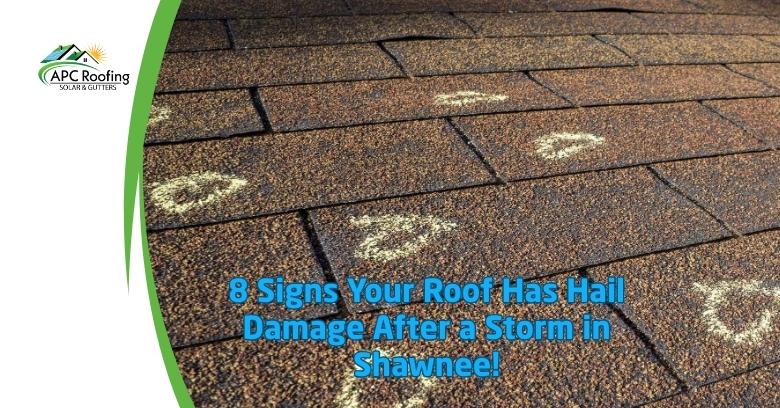
At the colder end of our territory, big hail visits many neighborhoods, and impact-resistant lines exist for exactly that. A strike scatters the grit from a small round area, while a sharp jolt can split the mat itself.
The impact class on a bundle comes from a standard drop test with steel balls, and a line that passes at the top level holds up better. Certain makers blend a rubbery polymer into the coating, so the surface gives a little under a strike.
Strong Gusts – Putting Things Right
Suction pulls hardest along the eaves, the rakes and the corners of a roof, so any piece that has come unstuck shakes in each blast. A tab flipped over by a gust carries a scar across it afterward, and the damage leaves it permanently weakened. A piece in that state is swapped out, while a loose but unharmed one takes a few dabs of cement.
Where a tab has blown away, the underlayment beneath lies open to the sun, and daylight starts breaking it down at once.
Stains and Green Growth: Cause and Care
Algae is what paints the long black marks on many slopes, and the microbes draw on limestone in the coating. Shady, slow-drying planes at the humid end of our territory tend to go dark soonest, and the film alone rarely shortens the life of the covering.
Moss matters more, since it keeps the courses damp, and it works under the edges and raises them. Power washing tears granules loose as it goes, so a gentle rinse with a cleaner made for roofing is the safer route. Some lines carry copper in the top layer to resist algae, while a strip of zinc at the ridge helps keep the stains from returning.
Picking a Hue: Beyond Looks
Darker shingles get noticeably hotter under a midday sun, and lighter shingles reflect more of the light. Specially coated granules now come in a range of hues, and their performance is published as a reflectance value.
Material made on separate days is rarely a perfect match, so instructions call for pulling from several bundles as the work goes. A multi-tone blend disguises minor variations well, while a solid, even finish reveals them more readily.
Standing on a Slope: A Safer View
By midday in warm weather the material becomes tender, and each tread can leave a mark. At the colder end of our territory, a frozen shingle can snap under a knee or a boot, while frost at dawn makes the footing treacherous.
Keeping both feet in the yard is safer for an owner, and a good pair of field glasses picks up loose or missing pieces.
Shingles Over Shingles: Pitfalls
Local regulations commonly accept an overlay over an old roof, though not where two are already down or the sheathing is soft. A layover keeps the worn shingles sitting on top, and weak spots stay just as they were.
An uneven base gives the new shingles a wavy face, while tired metal at walls and chimneys tends to stay. Two layers put more pounds on the rafters than they were planned to hold, while the fasteners need more length to bite into the boards.
Things to Watch For – When to Call
- Dark sand gathers where the spouts empty, and more arrives after every heavy rain.
- Tabs stand up along one edge, so the adhesive strip has given way.
- Shingle ends lift into curls, which happens as the oils bake out.
- Fractures cross the exposed face, and water can reach the mat through them.
- Bald areas look black and shiny, and bare asphalt now meets the weather.
- A flue or vent collar has turned brittle and torn, and rain slips through into the house.
- The metal where a slope meets siding sits bent or pulled back, and gusts can push weather in behind it.
- Paint bubbles on a top-floor ceiling, though the entry is often some distance off.
How APC Roofing Goes About Architectural Shingle Roofing in Springfield Missouri – Plain Talk, Clear Photos
An inspection begins with a walk across each slope, and each valley, vent, flashing and edge is looked at closely. Up in the attic, stains and daylight are sought out, and the underside of the deck shows where water has been.
Every fault is photographed, and damage is measured where size matters. The results are put in writing in everyday words, and every recommendation comes with its reasons. A modest problem is presented as modest, and a failing covering is not dressed up. What happens next is the owner's decision, be it a repair, a replacement or no work yet.
Architectural Shingle Roofing Across Springfield Missouri – Inspected, Photographed and Explained
Phone 913-398-5020 to have someone come out.
Patching Versus a New Covering – Matching Old and New
A failed vent collar, a lifted flashing or several damaged tabs calls for ordinary repair, while everything else on the slope remains. A replacement piece looks brighter than the aged ones around it, while the manufacturer may have retired that design.
Old shingles snap when they are bent up to free a fastener, and the damage around the work zone grows. When curling edges and bald spots cover most slopes, repairs no longer hold for long.
How Long Shingles Last: Extending the Span
Three-tab work generally holds up for fifteen to twenty years, while dimensional ones often manage a decade more. Heat, ventilation and fastening all push the number up or down, and a severe storm can cut a covering's life short.
Checking the flashings and pipe seals now and then is sensible upkeep, since a crack caught in time stays a small job.
For a roofer's opinion on Architectural Shingle Roofing in Springfield Missouri, phone APC Roofing at 913-398-5020. Someone will walk every slope and look over the details, and you get the findings in writing and choose.
Verified

Verified
Verified
Verified