
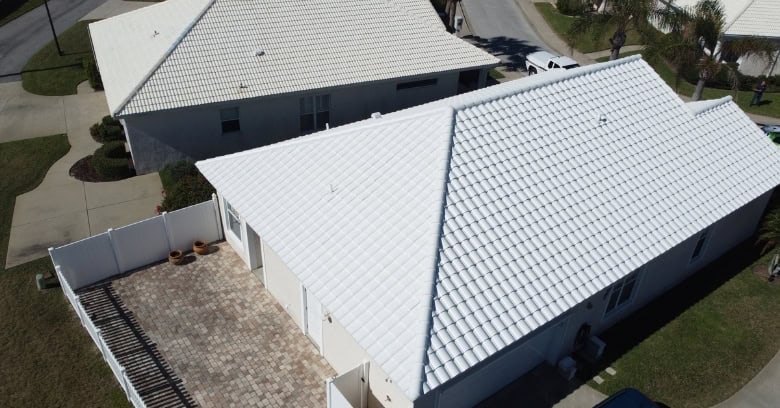
Looking for Roofing Companies in Minneola Florida?
APC Roofing takes on anything from a checkup to a full replacement, on shingle, metal and tile alike.
Reach us at 407-270-1129, and a roofer heads out for a look at the house.
What Keeps a Roof Working: the Basics
The surface a passerby notices is only the outer layer, and underlayment, decking and rafters sit beneath the surface. Bent metal covers the gap at a chimney, a pipe or a valley, and a drip there rarely points to worn shingles on the slope.
The attic air beneath the deck counts as part of the roof assembly, since trapped summer heat bakes the deck from underneath. A stain on an upstairs ceiling can trace back to any level of the roof, so a repair aimed only at the surface can miss the real cause.
What a Roof Does for a House: More Than Meets the Eye
Gravity and overlap send each shower to the ground, and the nailing keeps gusts from lifting the courses. The framing bears the load above, snow included at the colder end of our territory, and openings low and high let moisture escape the attic.
Shedding water is the covering's task, and resisting wind is the fastening's job, while what is underneath answers for holding the roof up, unnoticed. A failure in one part puts pressure on neighboring parts, so repairs target the root, not the visible mark.
Small Parts of a Roof System: What Falls Behind First
An asphalt surface is expected to serve for decades, but the flexible seal around a stack splits well before the shingles do. A path opens for water to travel down into the house, and a ring shows up on the drywall beneath.
Caulk along a wall joint hardens and pulls away in the heat, and galvanized flashing corrodes at folds and nail holes. Cap shingles break along the seam, since the crest takes more weather than the planes below.
What Appears Early: Before Anyone Climbs
From across the street, the profile of the roof exposes dips, sags and wavy planes, and the fascia and gutter runs are visible at the same time. Through binoculars, torn collars, lifted tabs and bare patches come into focus, though failing sealant can stay hidden from the ground.
Once on the roof, a roofer checks every connector closely and follows the flashing at each wall, and the field is read for brittleness, granule shedding and loose edges. A steep or wet roof is not walked, and a ladder at the edge serves as the lookout instead.
Behind the Ceiling: Signs Worth Finding
A dark ring on the sheathing shows water has come through, and a wet surface under the hand means water is still getting in. A glow through the planking in daytime marks a hole, and the distance from the ridge and gable gets measured so the spot can be found outside.
Rusted nail tips point to condensation, not a leak, and a darkened patch under the deck tells the same story. Insulation crammed against the eave, or an exhaust fan dumping into the attic, comes to light only from inside, so a yard-only look passes over faults like that.
A Homeowner's Take-Away: Kept for Reference
The visit produces photographs linked to particular spots on the roof, and a note explains what each picture shows. Parts in fine shape are covered as plainly as parts that are not, and trouble spots are ranked from most to least urgent.
A record saved from an earlier check sets a baseline for the next inspection, and change over time is easier to judge than condition on a single day. A covering looked at on a regular schedule rarely catches the owner off guard, and a large job gets seen coming well ahead of time.
Seasonal Shingle Maintenance: a Short Rundown
Worn pipe gaskets get swapped out before failure, and dried sealant at walls and flues gets redone. Pine straw and twigs get picked out of the valleys, and every outlet gets checked for an open path.
A shingle corner resealed in good weather takes little effort, but a season of neglect can end in a ceiling mark. A mat of moss holds water along the lower edges, and the growth gets treated and then brushed away, not blasted off.
Staying Ahead of Trouble: What to Expect
Somebody trained in the trade should go over the roof once a year, placed right after the toughest season for roofs in that market. The purpose is catching wear before a leak develops, and the family hears plainly where the roof stands.
Following a storm, a walk around the house with eyes on the roof is a good habit, and ceilings on the top floor are worth a look for new rings. A flashlight trip into the attic twice a year pays off: soft wood, tiny bright spots and soggy insulation surface long before anything reaches the space below.
The Age of a Roof Seen From the Ground: Clues at Each Stage
Brand-new shingles look dark and consistent across every slope, and approaching midlife the sunniest side fades before the rest. Toward the end, granules collect in the gutters and the mat starts to show, and each fix soon fails again.
What the lawn view suggests is a solid baseline, but only a hands-on check settles the matter. When shingles are exhausted, the candid conversation turns to replacement, and a reliable contractor says so outright, instead of offering another fix.
The Trough Behind the Fascia: the Basics
The covering's job on water stops at the drip edge, and the gutter takes over from that point. Blocked outlets send overflow over the back lip of the channel, and the framing at that spot decays.
A give in that spot points more often to a backup than a shingle problem, and new shingles will not cure a fault of that kind. Gutter pitch and downspout discharge get checked on a visit, and the flashing along the eave gets looked over for bent or missing pieces.
Why the Area Above Needs to Work Right: An Overview
Outside air should enter under the eaves and leave near the peak, and that movement removes heat and moisture from under the deck. If the vents get blocked, the attic overheats each summer and stays sticky the rest of the year, and the covering wears out early.
A fan starved of intake draws air from the rooms below, not from outdoors, and competing setups on one roof can leave the lower attic stagnant. A new covering placed over a poorly vented attic inherits the same fault, so the underlying issue belongs in the scope of any re-roofing plan.
Weather Decides Every Job: Different Choices for Different Homes
At the colder end of our territory, ice at the eaves and the weight of snow shape the build, so an adhered barrier goes under the lowest rows. Nearest the coast, uplift resistance governs the fastening choices, and storm-rated trim metal and taped seams get called for.
In the hail-prone part of our range, at the colder end, a tougher product deserves a look, while heat takes a toll on roofs everywhere we work. The details get set by conditions at that specific location, not custom or what happened to be on the truck.
Homes and Businesses: How the Roofs Differ
A sharply angled pitch sheds water course over course, and shingle, tile and metal all serve that role. A store or warehouse shelters under a nearly flat, sealed membrane, and mechanical equipment and drains break through that surface.
A good number of homes have a shallow section over a porch or a sunroom, and a lapped product there lets water back up under the tabs. A low spot like that calls for a sealed sheet, tucked beneath the steeper roof above, and another layer of shingles there brings back the same problem.
Temporary Covers After Damage: a Short-Lived Patch
A sheet shields a gap for a little while, but nothing gets solved underneath. A cover done right crosses the ridge and gets screwed down through battens, and the material gets drawn tight enough to hold quiet in a gale.
Extra reach past the opening matters on any temporary cover, since water slips in under any edge that ends too soon. A cover left up through a whole season holds heat against the surface, and mildew and rot follow underneath.
Vertical Joints on a Roof: Where Leaks Start
Step flashing gets woven in with each course along a wall, and an overlapping strip above keeps runoff off that metal. Every chimney needs an apron at the front and metal carried up across each edge, and a broad stack gets a diverter built into the roof behind.
Roof cement spread across an opening hardens and pulls away, so the lasting answer is new metal laced in properly. Crumbling mortar lets rain soak into the masonry higher up, and that kind of trouble calls for a mason alongside a roofer.
Putting Requirements on Paper: a Careful Look Before the Ink Dries
The rundown for a job should list every product by name, and a plain line covers tearing off versus covering over. A dated form covers what happens if rotten boards turn up, and every vent, every flashing piece and the haul-away get called out individually.
Offers from different contractors can be weighed point for point, and the real differences between the two documents come into view. A roofer who waves off the specifics gives no genuine protection, and a spoken assurance proves nothing after the fact.
What a Re-Roof Involves: Start to Finish
Anything near the eaves that could get damaged gets protected ahead of time, and the old shingles get pulled off in pieces. The bare deck gets checked plane by plane once the old covering is off, and rotten sections get rebuilt before anything gets put back down.
A water-resistant membrane, fresh flashing and ice protection get installed next, and the surface material, the ridge caps and the vents close out the job. A magnet gets run over the lawn and the driveway when the work is done, and nothing from the cleanup stays behind in the gutters.
Maintenance Beyond Asphalt: Notes by Covering Type
Metal sheets held by visible fasteners stay dry because of the gasket under each fastener, and a leaking screw gets paired with a fresh washer. Tile in our markets gets set by several methods, including mortar, foam adhesive and mechanical clips, and the real water barrier is the underlayment, not the surface material.
Walking on the wrong spot cracks a piece, and a spare of the same profile goes in where one fails. On a low-slope section, standing water and open seams are the things to watch, and clogged drains get cleaned out on a visit.
What Owners Tend to Notice: Outside and In
- Coarse grains washing out after every rain, in amounts that keep returning each season.
- Shingle edges cupping upward, most visible on the sunniest slope.
- A vent seal that has pulled loose, easy to miss without a zoom lens.
- Paint blistering overhead after a storm, new since the previous season.
- Daylight through the attic boards, on a sunny afternoon.
- Moss on a shaded slope, soaking up water after every rain.
- A sag along the ridge line, seen best from across the street.
- Gaps opening where flashing meets siding, easy to spot from the yard.
Roofing Companies for Minneola Florida Households: How APC Roofing Works
Before any recommendation gets made, a roofer walks the whole covering and checks the attic, and the report shows up as photographs and a clear written account. What is fine gets said as plainly as what needs attention, and the decision belongs to the homeowner, not the crew.
Roofing Companies Around Minneola Florida: Plain Talk, Careful Work
Dial 407-270-1129 and get a date on the calendar.
An Archive for the Roof: A Short List
Saving the install date and the product names on the invoice pays off later, and adding every inspection report to that folder grows the file. Marking down every repair, with the location and the work done, leaves useful detail, and given enough time the pattern becomes clear.
Selling a property brings questions about what is overhead, and dated receipts make the answers easy to give. A duplicate set, saved to a phone or a drive, is worth making, since paper can be damaged or destroyed over the years.
Signs of a Job Done Right: Quality You Can See
Every row lines up, and the ends at the gables get trimmed evenly, and no fastener gets left exposed. At each wall and chimney, fresh metal gets set in as the flashing climbs higher, and any sealant used is a neat bead, never a smear.
The soffit vents breathe freely and the ridge vent stays clear, and every gutter ends up hanging correctly. The lawn and driveway get a magnetic pass at the end of the job, and wood shavings from a trimmed edge are the most common leftover from the work.
Anyone weighing choices for Roofing Companies in Minneola Florida does not have to keep guessing about next steps. Getting in touch with APC Roofing at 407-270-1129 sets the process moving. Every visit covers the roof and the attic together, and nothing is left to guess at.
Verified

Verified
Verified
Verified
Verified


















