
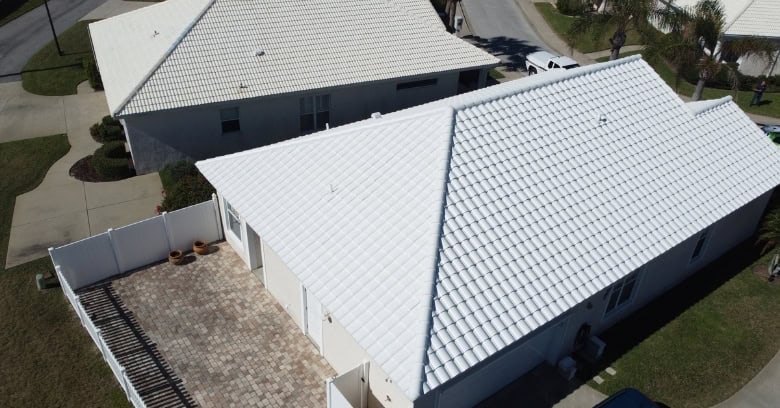
In Search of Roof Maintenance in Minneola Florida?
APC Roofing takes on anything from a checkup to a full replacement, whether the covering is shingle, metal or tile.
Dial 407-270-1129, and a roofer arranges a visit to the house.
A Roof's Construction, Explained: the Working Structure
The shingles or panels on top form the outer layer, and a water barrier, plywood and framing sit below the surface. Strips of flashing cover the gap at a chimney, a pipe or a valley, and dampness there seldom traces to shingles failing somewhere close by.
Airflow through the attic belongs to the roof system as much as any material, since heat and humidity held there wear down the wood and covering overhead. Water showing indoors may come from any level of the structure, and a fix aimed only at the outer surface can leave the real source untouched.
The Jobs a Roof Performs: More Than Meets the Eye
The slope on the building sends runoff toward the gutters, and the fastening pattern resists wind uplift. What lies below carries the weight of everything on top, snow included at the colder end of our territory, while vents let damp air leave the attic.
Water is a job for the covering, and wind is a task for the fastening, while what is underneath holds the whole thing steady, out of sight. A weak component shows up as a sign of trouble somewhere else on the roof, and a lasting fix reaches back to where the fault began.
The Minor Pieces of a Roof: What Falls Behind First
A field of sound shingles can go for decades, but the flexible seal around a stack splits well before the shingles do. Water works past that spot and follows the framing down, and a ring shows up on the drywall beneath.
Sealant around a skylight loses hold after enough summers, and aluminum flashing pits at the bends in salt air. Hip and ridge caps open at the center crease, because the highest point stands open to glare and gusts.
What Appears Early: a Two-Step Read
From across the street, the profile of the roof exposes dips, sags and wavy planes, and the gutters and trim can be checked in the same glance. A pair of binoculars brings collars, lifted tabs and bare patches into focus, though some faults cannot be judged without climbing onto the roof.
Once on the roof, a roofer checks every connector closely and follows the flashing at each wall, and the field is read for brittleness, granule shedding and loose edges. A slippery or steep slope rules out walking, and a ladder at the edge serves as the lookout instead.
Inside the Attic: Evidence to Look For
A stained patch on the plywood shows water that got in before, and dampness under the fingers shows the entry is still active. A pinpoint of sky through the boards marks a gap, and the distance from the ridge and gable gets measured so the spot can be found outside.
Corroded fasteners poking through mean the attic air runs humid, and a flattened, discolored patch nearby carries the same message. Insulation crammed against the eave, or an exhaust fan dumping into the attic, comes to light only from inside, so a check from the ground alone leaves that kind of fault hidden.
What Comes Home With You: the Basics
What turns up gets documented with photographs matched to locations on the roof, and a caption states what each picture reveals. Sound parts get listed as plainly as anything that requires work, and weak spots are ranked by how soon attention is needed.
A report kept on file lets the next check be measured against a known starting point, and change over time is easier to judge than condition on a single day. A roof checked on a steady yearly cycle seldom surprises the owner, and a serious repair shows warning signs long before the work turns urgent.
Upkeep on a Shingle Roof: a Short Rundown
Stiffened collars at the plumbing vents get changed early, and the joints at each flue get resealed. Debris gets swept from the valleys and from the crickets, and downspouts get flushed so water moves through.
A loose piece fastened back promptly stays a minor task, but delay through the wet months lets water get in from below. Lichen keeps the surface damp and works in under the shingles, and a biocide treatment clears the growth, with no pressure washer involved.
A Regular Routine: a Homeowner's Part
Somebody trained in the trade should go over the roof once a year, set for just after the roughest local weather each season. The goal is seeing deterioration ahead of any drip, and repair work gets planned rather than rushed.
Following a storm, a walk around the house with eyes on the roof is a good habit, and bedroom ceilings upstairs can be watched for fresh spots. Looking around the attic with a flashlight now and then makes sense: damp wood, daylight and wet insulation are easy to see long before anything reaches the space below.
A Roof's Age, Read From the Yard: From New to Worn
Newer asphalt lies smooth and uniform in tone, and around the midpoint the sun-facing plane grows paler sooner than the rest. At the very end, tabs turn brittle and crack, and new leaks appear in different spots.
An appraisal from the yard supplies a decent guide, but only a hands-on check settles the matter. Once shingles are spent, patching stops making sense, and a trustworthy contractor gives a plain answer, rather than selling more mending.
The Channel at the Bottom: the Basics
The covering carries runoff only to the lower edge, and a gutter takes the water the rest of the way. A channel hung the wrong way holds a pool against the house, and the rafter tails nearby rot over seasons.
A weak area there more often means bad drainage than a shingle issue, and replacing the roof leaves the real cause untouched. Gutter fall and downspout placement get checked together, and the drip-edge metal and the overlap at each joint get looked over as well.
A Two-Way Exchange: What Homeowners Should Know
Fresh air is meant to come in at the soffits and exit along the ridge, and that flow carries built-up heat and dampness away from the attic. With the opening closed, the attic turns hot in summer and clammy in humid months, and the tabs curl and the plywood softens ahead of schedule.
A roof opening installed with no matching intake draws air from the living space below, and two mismatched setups on one roof can work against each other. Fresh shingles laid over stale, trapped heat age nearly as fast as the old ones did, so the fix belongs in the same job as the new covering.
Specifications That Follow the Weather: What Shifts From Place to Place
Toward the colder end of our territory, frozen gutters and heavy snow set the priorities, so an adhered barrier goes under the lowest rows. Near the coast, wind pressure sets how every panel gets nailed, and impact-and-wind-rated shingles and sealed seams get chosen.
Across the hail belt at the colder end of our territory, impact ratings matter, while strong sun bakes asphalt across every market we serve. Every build answers to conditions at that particular site, not custom or what happened to be on the truck.
Family Homes and Business Buildings: How the Roofs Differ
Angle and overlap work together to move water off a pitched covering, and the surface is usually shingle, tile or metal. A store or warehouse shelters under a nearly flat, sealed membrane, and scuppers and equipment penetrate that same surface.
Plenty of residences include a shallow section over an addition, and shingles over an area such as that leak because standing water finds a way under the laps. A low spot like that calls for a sealed sheet, tucked beneath the steeper roof above, and a second round of shingles there fails the same way.
A Cover Until Things Get Fixed: What Holds Up
A barrier over a torn area keeps water out in the meantime, but the broken parts stay broken all the same. A well-set cover laps over the peak and gets battened along the edges, and enough tension keeps gusts from finding any slack.
Extra reach past the opening matters on any temporary cover, since water runs sideways under a short edge. Material left on for a long stretch keeps the roof from drying out, and the material underneath weakens over time.
The Detail Where a Roof Meets Something Upright: Getting the Work Right
Every course against a wall gets a dedicated step-flashing piece, and counterflashing tucked into the masonry covers that metal from above. Every chimney needs an apron at the front and metal carried up across each edge, and a broad stack gets a diverter built into the roof behind.
Tar smeared over a gap gives way as the metal moves, and a proper tie-in, rebuilt from scratch, is what holds. Porous or cracked mortar lets moisture into the masonry higher up, and some leaks like that need a mason as well as a roofer.
Putting Requirements on Paper: Comparing Bids
A detailed listing names each material going on the roof, and the document states plainly whether the work is a tear-off or a layover. The account spells out in advance how damaged plywood gets counted, and the flashing, the exhaust work and the final cleanup all get covered.
Thorough scopes from rival bidders can be checked point by point, and the real differences between the two documents come into view. A crew that asks for trust instead of anything in hand has left out the part that matters, since a handshake settles nothing once a dispute starts.
Redoing an Aging Roof: the Basic Sequence
Shrubs, flower beds and the driveway get protected ahead of the work, and the old shingles get pulled off in pieces. Once exposed, the sheathing gets a careful look for rot and breaks, and weak spots come out, and solid planking follows.
Underlayment, new metal and ice-and-water membrane go on across the open deck, and the surface material, the ridge caps and the vents close out the job. A magnet pass covers the grass and pavement at the end, and no debris gets left in the gutters.
Maintenance Beyond Asphalt: What Differs by Material
A metal system with exposed fasteners relies on the gasket beneath every fastener, and a leaking screw gets paired with a fresh washer. Clay and concrete tile go down by more than one method, from mortar to foam to clips, and the underlayment does the actual waterproofing.
Weight placed wrong breaks a piece, and a matching replacement goes in wherever one gives way. A modified-bitumen or single-ply section needs the seams and any puddling checked, and grit and leaves get cleared from the scuppers.
What Owners Tend to Notice: Outside and In
- Coarse grains washing out after every rain, from a covering that is no longer new.
- Curled or lifting edges on the courses, most visible on the sunniest slope.
- Torn rubber where a pipe exits the deck, with a stain trail on the covering below.
- A ceiling ring in a top-floor room, soft at the center.
- A glimpse of sky from under the deck, spotted during a flashlight check.
- Green growth along the north-facing side, in spots that stay damp longest.
- A wave running across a plane, often pointing to trouble in the deck beneath.
- Caulk cracked along a chimney, worth a closer look before the next storm.
Roof Maintenance Around Minneola Florida: How APC Roofing Works
Before anything gets proposed, a roofer looks over the whole covering and the attic, and the findings arrive as photographs with a written note. Solid parts get described as directly as weak ones, and the decision belongs to the homeowner, not the crew.
Roof Maintenance in Minneola Florida: a Full Look, Not a Guess
Get in touch at 407-270-1129 to arrange a visit on site.
Documentation for the Roof: Best Done Early
Keeping the install date and the product names is a good start, and each inspection report deserves a spot in the same folder. Including a line for every repair, the spot and the method, rounds out the picture, and a decade on, the trend stands out clearly.
Once a home hits the market, the roof's age and condition come up in conversation, and a folder of dated pages settles things quickly. A copy kept at a second location protects the earlier notes, since paper can be damaged or destroyed over the years.
What Good Work Looks Like: Details to Check
Courses run straight and the cuts along the rakes come out clean, and the nailing stays out of sight across the roof. The wall joints carry new flashing, tucked to match the way water runs, and no gob of roofing cement stands in for a missing piece.
Ventilation openings stay in place and free of debris, and every gutter ends up hanging correctly. The yard gets swept with a magnet before the crew leaves, and sawdust from a trimmed board is the most common leftover, easy to rinse from a walkway.
Anyone comparing options for Roof Maintenance in Minneola Florida is closer to an answer than a listings page ever gives. Getting in touch with APC Roofing at 407-270-1129 sets the process moving. Every visit looks at the roof as a whole, not one spot alone, with no loose ends left over.
Verified

Verified
Verified
Verified
Verified


















