
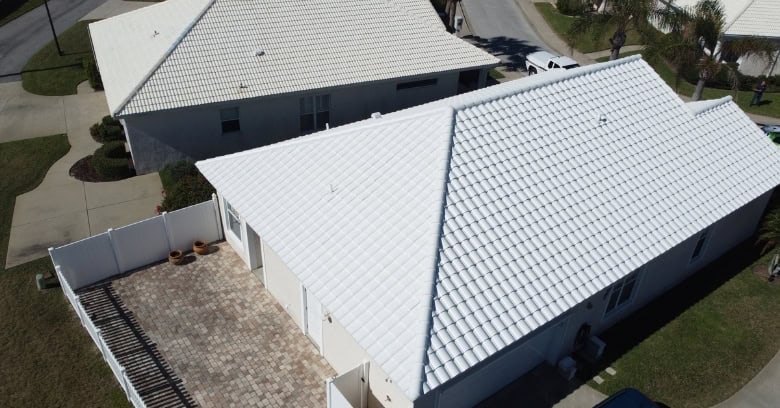
Need Emergency Roofing in Minneola Florida?
APC Roofing takes on jobs ranging from a basic checkup to a full replacement, across shingle, metal and tile coverings.
Get in touch at 407-270-1129, and a roofer comes out to see the house firsthand.
A Roof's Construction, Explained: What Holds a House Together
The surface a passerby notices is only the outer layer, and underlayment, decking and structural framing sit out of view. Metal flashing seals the seam at a wall, a pipe or a valley, and trouble nearby seldom means a failure in the surrounding shingles.
The air under the rafters counts as part of the roof, the same as any material, since heat and humidity held there wear down the wood and covering overhead. A brown mark on a ceiling can originate at any level of the roof, and work confined to the outside can miss the real source.
A Roof at Work: Behind the Shingles
A sloped covering sheds every storm's water downhill, while the fastening pattern stands up to uplift. What lies below carries the weight of everything on top, snow included at the colder end of our territory, and openings low and high let moisture escape the attic.
Water is the covering's job, and wind is the fastening's task, and holding the whole thing up falls to what is underneath. Trouble in one element tends to show up far from the original problem, so the cause gets traced instead of the symptom being patched.
The Minor Pieces of a Roof: A Shorter Story
The main covering is built for a long run, but a neoprene sleeve at a pipe fails well ahead of that span. Moisture gets behind the covering and moves toward the room, and a ring shows up on the drywall beneath.
Caulk along a wall joint hardens and pulls away in the heat, and metal flashing rusts at bends and cut ends. Shingles bent into caps split at the seam, since the crest takes more weather than the planes below.
Steps Before Heading Up: a Two-Step Read
At a distance, the outline of the roof gives away dips, sags and wavy planes, and the gutters and trim can be checked in the same glance. Through binoculars, torn collars, lifted tabs and bare patches come into focus, yet a few conditions still need a hand on the surface.
Once on the roof, a roofer checks every connector closely and follows the flashing at each wall, and the shingles are checked for brittleness and thin spots. A steep or wet roof is not walked, and the check is made instead from a ladder at the eave.
Behind the Ceiling: Evidence to Look For
Discolored wood around a fastener points to water that beat the covering, and a soft, wet feel means the entry point is still open. Light passing through the decking reveals a breach, and the distance from the ridge and gable gets measured so the spot can be found outside.
Rust on the nail shanks comes from moisture in the house, not rain, and a flattened, discolored patch nearby carries the same message. A blocked eave packed with fill, or a bathroom fan venting into the attic, shows up only on an inside look, so a check from the ground alone leaves that kind of fault hidden.
After the Roofer Leaves: Kept for Reference
Findings arrive as photographs tied to specific places on the roof, and a written line explains what each image shows. Parts in fine shape are covered as plainly as parts that are not, and trouble spots are ranked from most to least urgent.
A record saved from an earlier check sets a baseline for the next inspection, and a trend across seasons is clearer than a single day's snapshot. A roof checked on a steady yearly cycle seldom surprises the owner, and large jobs show warning signs well ahead of the work becoming pressing.
Maintenance Tasks: a Short Rundown
New rubber boots go on the pipes ahead of any cracking, and shrunken caulk along the flashing gets a fresh bead. Branches and leaf litter come off the low points and the chimney back side, and the gutter runs along the eaves get straightened.
A raised corner glued down in time stays a simple repair, but delay through a wet season can let water reach the ceiling below. Lichen keeps the surface damp and works in under the shingles, and a gentle wash clears the growth, since a pressure washer strips granules.
Staying Ahead of Trouble: What to Expect
A roofer should walk the roof once a year, timed for right after the season that is hardest on roofs locally. Catching things early is the whole point of a regular check, and nobody is left guessing about the roof's condition.
After rough weather, anyone can scan the roof from the yard, and top-floor rooms are worth checking for fresh stains. Checking the attic with a lamp each season makes sense: discolored boards, light through the deck and damp insulation turn up long before anything reaches the space below.
How Age Shows on a Roof: What Changes Over Time
Brand-new shingles look dark and consistent across every slope, and later in life the sun-exposed plane fades before the shaded side does. Near the end, corners curl and granules gather in the gutters, and new leaks appear in different spots.
An impression formed from outside has real value, but the true condition shows only from up top. A worn-out field is past the point where patching helps, and a trustworthy contractor gives a plain answer, rather than selling more mending.
A Blocked Channel: What Homeowners Should Know
A sloped roof delivers water only to the eave, and a gutter takes the water the rest of the way. Blocked outlets send overflow over the back lip of the channel, and the framing at that spot decays.
A soft spot along that edge points more often to drainage trouble than to worn shingles, and a fresh covering does nothing for a fault at the edge. Gutter fall and downspout placement get checked together, and the drip-edge metal gets looked over for reach past the fascia.
How the Roof Breathes: What Homeowners Should Know
Outside air should enter under the eaves and leave near the peak, and that flow carries built-up heat and dampness away from the attic. If the vents get blocked, the attic overheats each summer and stays sticky the rest of the year, and the whole build's service life shortens.
Exhaust hardware installed with no matching intake draws conditioned air up from the rooms below, and competing setups on one roof can leave the lower attic stagnant. A new covering placed over a poorly vented attic inherits the same fault, so the arrangement gets corrected while the deck is already open.
Weather Decides Every Job: Set by What's Nearby
At the colder end of our territory, ice at the eaves and the weight of snow shape the build, so a self-sealing membrane runs up from the edge. Near the coast, wind pressure sets how every panel gets nailed, and hurricane-rated edges and sealed flashing get specified.
Where hail falls hard at the colder end of our territory, an impact-rated covering is worth considering, while heat takes a toll on roofs everywhere we work. Specifications follow the weather at the house, not routine, and not whatever a past project called for.
Homes and Shops: How the Roofs Differ
A sloped covering sheds rain by lap, finished in asphalt, clay or steel. Most commercial buildings use a single-ply or built-up membrane, and mechanical equipment and drains break through that surface.
Some houses have a gently sloped patch over a back room, and a shingled surface there lets rain linger long enough to work under the courses. A low spot like that needs a continuous membrane tied in beneath the main covering, and another layer of shingles there brings back the same problem.
Protecting a Damaged Roof for Now: a Short-Lived Patch
Plastic over a break keeps the rooms beneath dry for a time, but the broken parts stay broken all the same. A cover done right crosses the ridge and gets screwed down through battens, and the cover gets tensioned before the flapping starts.
A tarp needs to extend well beyond the break, as driven rain works in wherever an edge falls short. Plastic left in place for months traps heat and moisture against the deck, and mildew and rot follow underneath.
The Tie-In at a Chimney or Upright Surface: an Explanation
Every course against a wall gets a dedicated step-flashing piece, and counterflashing tucked into the masonry covers that metal from above. Every chimney needs an apron at the front and metal carried up across each edge, and a broad stack gets a saddle set into the slope nearby.
Caulk troweled onto a bad seam lets go once temperatures shift the metal, so a rebuilt detail is the only answer that lasts. Soft mortar lets water into the brick above the flashing, and part of that repair belongs to a mason, not a roofer.
Putting Requirements on Paper: What to Look For
The plan for a job names every product by brand, and the document states whether the current layer stays or goes. A firm outline settles ahead of time how bad wood gets handled, and flashing, ventilation and cleanup each appear as a separate line.
Offers from different contractors can be weighed point for point, and the gaps between the two sets of paperwork come into view. A roofer who waves off the specifics gives no genuine protection, and a spoken assurance proves nothing after the fact.
How a Re-Roof Unfolds: Start to Finish
Plants take tarps and hard surfaces take padding before the crew begins, and the old shingles get pulled off in pieces. The bare deck gets checked plane by plane once the old covering is off, and rotten sections get rebuilt before anything gets put back down.
A water-resistant membrane, fresh flashing and ice protection get installed next, and the main covering, the ridge line and the vents finish the work. The property gets swept with a magnet once the crew wraps up, and the gutters get checked and cleared of scraps.
Care for Non-Shingle Roofs: Particular Needs
Where panels get fastened through the face, a gasket under the head keeps rain out, and a leaking screw gets paired with a fresh washer. Based on the house, tile may be mortar-set, foam-set or clipped directly, and the underlayment handles the water, not the surface material.
A careless step snaps a piece easily, and a damaged unit gets pulled and replaced to match the surrounding pattern. A modified-bitumen or single-ply section needs the seams and any puddling checked, and leaves get removed from the outlets regularly.
Signs Worth a Closer Look: a Checklist
- A buildup of shingle granules in the drainage, in amounts that keep returning each season.
- Tabs curling at the corners, noticeable from across the street.
- Torn rubber where a pipe exits the deck, easy to miss without a zoom lens.
- A ceiling mark that spreads with each downpour, soft at the center.
- Light leaking in near a valley or a pipe, spotted during a flashlight check.
- Moss packed into the laps, in spots that stay damp longest.
- A sag along the ridge line, visible against the sky.
- Caulk cracked along a chimney, worth a closer look before the next storm.
Emergency Roofing for Minneola Florida Households: APC Roofing's Approach
Before anything gets proposed, a roofer looks over the whole covering and the attic, and the results come back as images plus a short written summary. Sound parts get named as plainly as parts that need work, and the homeowner sets the order of any work.
Emergency Roofing Across Minneola Florida: Plain Talk, Careful Work
Get in touch at 407-270-1129 and set a time for a visit.
An Archive for the Roof: Easy to Maintain
Tracking when the covering went on and what was used is worth the effort, and each report from a follow-up visit joins the same file. Logging each repair by spot and by task builds a fuller picture, and over time the pattern shows which areas keep needing attention.
When a house goes up for sale, a buyer's inspector asks about the roof, and dated records answer all that better than memory ever could. A backup copy of the whole file keeps one bad day from erasing the whole thing, since a spill or a move should not be able to wipe out everything.
A Neat Result, Up Close: Quality You Can See
Every row lines up, and the ends at the gables get trimmed evenly, and nails stay covered by the layer above. Around chimneys and dormers, the flashing gets replaced rather than reused, and any sealant appears sparing and neat.
Air can move from the eaves to the peak without obstruction, and the drainage runs at least as well as before. A final sweep with a magnet tidies the yard and drive, and sawdust near a cut line is the most common leftover once the work wraps up.
Anyone comparing options for Emergency Roofing in Minneola Florida is one step away from a straight answer. Contacting APC Roofing at 407-270-1129 puts a roofer on the calendar. Every stop covers the full roof, top to bottom, with no loose ends left over.
Verified

Verified
Verified
Verified
Verified


















