
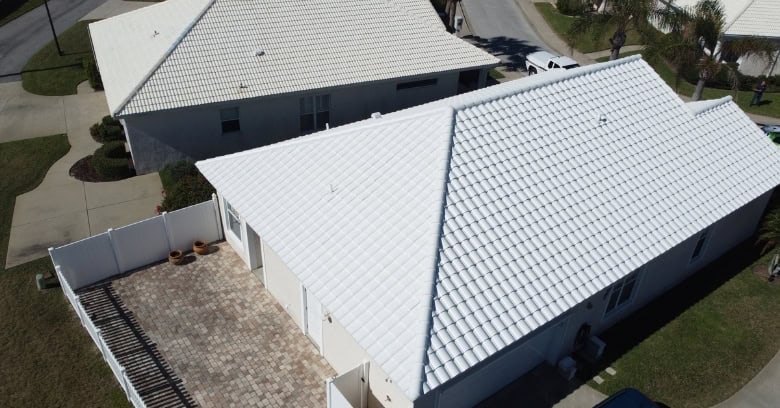
Need Roof Maintenance in Mineola Florida?
APC Roofing takes on anything from a checkup to a full replacement, across shingle, metal and tile coverings.
Phone 407-270-1129, and a roofer schedules a visit to look at the house.
The Roof's Working Parts: a Plain Guide
The topmost material is nothing more than the outer layer, and a water barrier, plywood and framing sit below the surface. Flashing bridges the crossing wherever a wall, a pipe or a valley breaks the field, and water there rarely traces back to worn shingles close by.
Ventilation in the attic ranks as one more working part of the roof, since heat and humidity held there wear down the wood and covering overhead. A leak noticed inside can begin at any level of the roof, and a fix aimed only at the outer surface can leave the real source untouched.
The Duties of a Roof, Component by Component
The slope on the building sends runoff toward the gutters, and the nailing keeps gusts from lifting the courses. What lies below carries the weight of everything on top, snow included at the colder end of our territory, while airflow through the attic moves damp air out.
The covering handles water, and the fastening handles wind, and holding the whole thing up falls to what is underneath. A weak component shows up as a sign of trouble somewhere else on the roof, so repairs target the root, not the visible mark.
The Smaller Details Up Top: What Falls Behind First
The main covering is built for a long run, but the gasket around a vent pipe hardens within a fraction of that span. A path opens for water to travel down into the house, and a brown patch forms on the ceiling underneath.
Sealant along metal edges dries and shrinks in strong sun, and steel flashing corrodes from trimmed edges inward. Hip and ridge caps open at the center crease, since the crest takes more weather than the planes below.
Spotting Trouble Without a Ladder: Standing Back and Then Closer
Seen from the sidewalk, the shape of the roof shows dips, sags and wavy planes, and the fascia and gutter runs are visible at the same time. Through binoculars, torn collars, lifted tabs and bare patches come into focus, but a weak spot underfoot tells what optics cannot.
Moving across the planes, a roofer tests every connector and traces every flashing joint, and the shingles are checked for brittleness and thin spots. Nobody walks a covering that is wet or too steep, and the view comes instead from a ladder at the gutter line.
Behind the Ceiling: Signs Worth Finding
A watermark on the decking shows where rain has gotten in, and a wet surface under the hand means water is still getting in. Sunlight visible from inside marks a way in, and a measurement from the peak locates the spot for the outside look.
Nails freckled with rust show condensation at work, not rain damage, and a compressed, faded patch nearby points to the same cause. Insulation crammed against the eave, or an exhaust fan dumping into the attic, comes to light only from inside, so ventilation trouble of that kind escapes a yard-only check.
After the Roofer Leaves: What Gets Handed Over
A record of the visit takes the form of photographs keyed to spots on the roof, and a short note describes what each image covers. Solid sections are treated in the same plain language as sections that are not, and trouble spots are ranked from most to least urgent.
A saved report from an earlier stop gives the next check a baseline, and change over time is easier to judge than condition on a single day. A roof tracked across each year brings few surprises, and a serious repair shows warning signs long before the work turns urgent.
Maintenance Tasks: Practical Habits
Worn pipe gaskets get swapped out before failure, and brittle beads at the walls get cut out and run again. Anything the trees drop gets brushed out of the channels, and the gutters get kept running and secured.
A shingle corner resealed in good weather takes little effort, but putting off that step through storms can end in a drywall stain. Lichen keeps the surface damp and works in under the shingles, and the growth gets killed with a treatment and swept off by hand.
How Often the Checkup Should Happen: the Basics
An experienced roofer should read the covering once every year, placed right after the toughest season for roofs in that market. The purpose is catching wear before a leak develops, and repair work gets planned rather than rushed.
In the months between visits, a look from the driveway after high wind helps, and bedroom ceilings upstairs can be watched for fresh spots. A few minutes under the deck with a lamp each season pay off: rust on nail tips, daylight and wet fill appear long before anything reaches the living space.
Judging a Roof's Age From Outside: From New to Worn
A young shingle covering lies flat with an even tone, and later in life the sun-exposed plane fades before the shaded side does. Late in a roof's run, tabs cup and granules wash into the downspouts, and each fix soon fails again.
Judging from the street supplies a reasonable idea, but only a hands-on check settles the matter. A roof near the finish line is better replaced than patched again, and a trustworthy contractor gives a plain answer, rather than selling more mending.
A Blocked Channel: What Homeowners Should Know
A roof moves water only as far as the drip edge, and a gutter takes the water the rest of the way. A clogged or sagging channel pushes water back behind the fascia, and the rafter tails nearby rot over seasons.
Trouble along that edge usually comes from standing water, not the covering, and reroofing alone will not solve a fault at that spot. The direction of fall along each gutter gets checked, together with the outlets, and the drip-edge metal gets looked over for reach past the fascia.
What Ventilation Is For: Why the Details Matter
Intake at the overhang and exhaust at the top keep air moving through the attic, and that path carries heat and moisture out of the attic. With the opening closed, the attic turns hot in summer and clammy in humid months, and the deck and shingles suffer early.
Adding roof openings without matching intake draws air from the rooms beneath, and one high point pulling toward a nearby high point can choke flow at the soffits. Swapping the surface with the vents untouched repeats the same problem, so the fix belongs in the same job as the new covering.
Roofing That Fits Where You Live: An Overview
Toward the colder end of our territory, frozen gutters and heavy snow set the priorities, so an adhered barrier goes under the lowest rows. On the coastal side of our area, storm winds set the nail pattern, and impact-and-wind-rated shingles and sealed seams get chosen.
Across the hail belt at the colder end of our territory, impact ratings matter, while intense sun dries out asphalt everywhere we work. Specifications follow the weather at the house, not habit or a standard default.
Family Homes and Business Buildings: How the Roofs Differ
A pitched covering sheds water through overlapping courses, and the surface is usually shingle, tile or metal. A store or warehouse shelters under a nearly flat, sealed membrane, and internal drains and heating units share space on that roof.
Plenty of residences include a shallow section over an addition, and shingles in that spot often leak because runoff moves too slowly. A spot like that needs a welded or adhered membrane, laced under the pitched covering above, and another layer of shingles there brings back the same problem.
A Cover Until Things Get Fixed: What Works and What Fails
Plastic over a break keeps the rooms beneath dry for a time, but the underlying trouble waits for a crew. A sound cover sits over the ridge and gets held down by wood battens screwed through the material, and the material gets drawn tight enough to hold quiet in a gale.
A cover has to reach well past the damaged area, because rain slips in around a snug fit. A membrane left up too long traps moisture against the covering, and the material underneath weakens over time.
The Tie-In at a Chimney or Upright Surface: an Explanation
Where shingles climb beside a wall, L-shaped pieces alternate with the courses, and a strip of trim above turns down over the top edges. On a brick chimney, an apron handles the lower edge and metal runs up each edge, and a wide stack gets a cricket built into the slope nearby.
A smear of mastic over a bad patch opens up within a few seasons, and a proper tie-in, rebuilt from scratch, is what holds. A failing chimney crown lets moisture into the stack above the roofline, and part of that repair belongs to a mason, not a roofer.
The Written Scope: a Careful Look Before the Ink Dries
The rundown for a job should list every product by name, and the document states plainly whether the work is a tear-off or a layover. The account explains how rotten decking gets handled if any turns up, and the flashing, the exhaust work and the final cleanup all get covered.
Two written proposals can be compared line by line, and any gap between the two versions stands out. A crew that asks for trust instead of anything in hand has left out the part that matters, and a spoken assurance proves nothing after the fact.
What a Re-Roof Involves: What Happens
Anything near the eaves that could get damaged gets protected ahead of time, and the old covering gets stripped into a trailer. With the old material gone, the plywood gets examined board by board, and anything that flexes underfoot gets sawn out and patched.
A water-resistant membrane, fresh flashing and ice protection get installed next, and the new covering goes down, capped and vented at the top. A magnet pass covers the grass and pavement at the end, and the gutters get checked and cleared of scraps.
Non-Shingle Roofing Care: Particular Needs
Exposed-fastener metal panels seal at a rubber gasket under every fastener, and a hardened washer gets swapped out along with a new screw. Tile in our markets gets set by several methods, including mortar, foam adhesive and mechanical clips, and the underlayment handles the water, not the surface material.
Weight placed wrong breaks a piece, and a matching replacement goes in wherever one gives way. Flat sections show trouble as standing water and raised seams, and debris gets cleared from drains and scuppers.
Signs Worth a Closer Look: Outside and In
- Coarse grains washing out after every rain, well beyond what a new roof sheds.
- Corners turned up across a slope, most visible on the sunniest slope.
- Torn rubber where a pipe exits the deck, with a stain trail on the covering below.
- A ceiling mark that spreads with each downpour, soft at the center.
- Pinholes of light in the sheathing, spotted during a flashlight check.
- Moss on a shaded slope, growing thicker every spring.
- A bulge that catches the light at dusk, new since the previous year.
- Rust streaks below a metal joint, easy to spot from the yard.
Roof Maintenance Across Mineola Florida: APC Roofing's Approach
Before any advice gets given, a roofer goes over the whole covering and the attic, and the findings arrive as photographs with a written note. Good sections get the same plain treatment as problem areas, and the homeowner decides what happens from there.
Roof Maintenance Near Mineola Florida: a Close Look at the Roof
Reach us at 407-270-1129 to arrange a visit on site.
A Roof's Paperwork: A Short List
Tracking when the covering went on and what was used is worth the effort, and each inspection report deserves a spot in the same folder. Tallying each repair, the location and the method, keeps things complete, and looking back after enough time shows what keeps recurring.
When a house goes up for sale, a buyer's inspector asks about the roof, and dated receipts make the answers easy to give. A second copy of the file, kept somewhere else, is worth having, since a spill or a move should not be able to wipe out everything.
A Neat Result, Up Close: Details to Check
Rows sit true across each plane, with tidy trimming at the gable edges, and the nailing stays out of sight across the roof. Around chimneys and dormers, the flashing gets replaced rather than reused, and any sealant used is a neat bead, never a smear.
The attic keeps intake and exhaust moving after the job, and the gutter runs finish straight and fastened. No nails or scraps get left in the grass or on the drive, and wood shavings from a trimmed edge are the most common leftover from the work.
Anyone comparing options for Roof Maintenance in Mineola Florida can get a straight answer without more digging. A call to APC Roofing at 407-270-1129 puts a roofer on the calendar. Every visit covers the roof and the attic together, with nothing left unclear.
Verified

Verified
Verified
Verified
Verified


















