
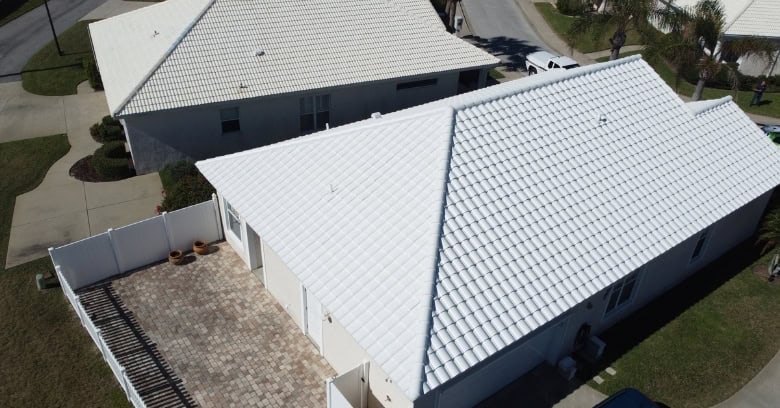
Need Roof Inspection in Mineola Florida?
APC Roofing covers everything from a routine checkup to a complete replacement, on shingle, metal and tile alike.
Get in touch at 407-270-1129, and a roofer sets a time to come look at the house.
The Roof's Inner Build-Up: What's Tucked Away
The surface a passerby notices is only the outer layer, and felt or a synthetic membrane, boards and rafters lie out of sight. Bent metal covers the gap at a chimney, a pipe or a valley, and water there rarely traces back to worn shingles close by.
The space under the sheathing works as a component of the roof, too, because moisture trapped up there softens plywood and rusts nails overhead. A brown mark on a ceiling can originate at any level of the roof, so attention paid only to the outside can miss where the water entered.
The Jobs a Roof Performs: an Owner's Overview
A sloped covering sheds every storm's water downhill, and the fastening pattern resists wind uplift. The rafters and the deck carry the weight overhead, snow included at the colder end of our territory, while vents let damp air leave the attic.
Water is a job for the covering, and wind is a task for the fastening, and holding the whole thing up falls to what is underneath. A problem in one material reads as damage on a different part of the roof, so the cause gets traced instead of the symptom being patched.
Small Components on a Roof: Not All Equal
Most of the slope is designed to hold up for decades, but the gasket around a vent pipe hardens within a fraction of that span. Water works past that spot and follows the framing down, and a stain appears on the ceiling below.
Sealant along metal edges dries and shrinks in strong sun, and coated metal rusts once the coating wears through. Ridge caps split across the crease, as nothing shelters the peak from gusts and glare.
A Walk Around the Property Beforehand: Before Anyone Climbs
From the driveway, the outline of the roof shows dips, sags and wavy planes, and the fascia and gutter runs are visible at the same time. Through binoculars, torn collars, lifted tabs and bare patches come into focus, but a weak spot underfoot tells what optics cannot.
Out on the roof, a roofer presses on every connector and follows each run of flashing, and the field is read for brittleness, granule shedding and loose edges. A steep or wet roof is not walked, and the check is made instead from a ladder at the eave.
The Attic: a Homeowner's Tour
A dark ring on the sheathing shows water has come through, and dampness under the fingers shows the entry is still active. Light passing through the decking reveals a breach, and the spot gets pinned down by distance from the ridge, ready for the outside check.
Corroded fasteners poking through mean the attic air runs humid, and a darkened patch under the deck tells the same story. Insulation stuffed into the eaves, or a bath fan ducted into the attic instead of outside, gets found only from inside, so a yard-only look passes over faults like that.
The Paper That Follows: a Plain Account
A record of the visit takes the form of photographs keyed to spots on the roof, and a short note describes what each image covers. Sound parts get listed as plainly as anything that requires work, and weak spots are ranked by how soon attention is needed.
A record saved from an earlier check sets a baseline for the next inspection, and a trend across seasons is clearer than a single day's snapshot. A covering looked at on a regular schedule rarely catches the owner off guard, and a large job gets seen coming well ahead of time.
Routine Care for a Shingle Roof: Practical Habits
Worn pipe gaskets get swapped out before failure, and dried sealant at walls and flues gets redone. Pine straw and twigs get picked out of the valleys, and every outlet gets checked for an open path.
A loose piece fastened back promptly stays a minor task, but delay through a wet season can let water reach the ceiling below. Moss on a shaded slope traps moisture under the courses, and the growth gets treated and brushed off, never pressure-washed.
A Simple Habit Worth Building: the Basics
Somebody trained in the trade should go over the roof once a year, placed right after the toughest season for roofs in that market. The purpose is catching wear before a leak develops, and repair work gets planned rather than rushed.
In the months between visits, a look from the driveway after high wind helps, and bedroom ceilings upstairs can be watched for fresh spots. A flashlight trip into the attic twice a year pays off: soft wood, tiny bright spots and soggy insulation surface long before anything reaches the space below.
Judging a Roof's Age From Outside: Clues at Each Stage
Brand-new shingles look dark and consistent across every slope, and later in life the sun-exposed plane fades before the shaded side does. Late in a roof's run, tabs cup and granules wash into the downspouts, and each fix soon fails again.
A reading from the ground supplies a fair estimate, but only a hands-on check settles the matter. A roof near the finish line is better replaced than patched again, and a straightforward contractor says so directly, instead of selling one more fix.
A Channel That Has Given Up: A Quick Look
A roof moves water only as far as the drip edge, and the gutter picks up the flow at the edge. Blocked outlets send overflow over the back lip of the channel, and the material there softens over time.
A weak area there more often means bad drainage than a shingle issue, and new shingles will not cure a fault of that kind. How each gutter runs and where the water discharges get checked, and the drip edge gets looked over where the metal meets the fascia line.
Keeping Things Working Underneath: Why the Details Matter
Fresh air is meant to come in at the soffits and exit along the ridge, and that movement removes heat and moisture from under the deck. If the vents get blocked, the attic overheats each summer and stays sticky the rest of the year, and the whole build's service life shortens.
Adding roof openings without matching intake draws air from the rooms beneath, and one high point pulling toward a nearby high point can choke flow at the soffits. Swapping the surface with the vents untouched repeats the same problem, so the fix belongs in the same job as the new covering.
Specifications That Follow the Weather: What Shifts From Place to Place
At the colder end of the markets we serve, snow load and ice at the edge drive the design, and a waterproof membrane covers the bottom few feet of deck. Closest to the ocean, gusts decide how the covering gets anchored, and hurricane-rated edges and sealed flashing get specified.
Where hail falls hard at the colder end of our territory, an impact-rated covering is worth considering, while intense sun dries out asphalt everywhere we work. Every material choice answers to the weather at that house, not routine or whatever was used on the last job.
Homes and Shops: How the Roofs Differ
Angle and overlap work together to move water off a pitched covering, and shingle, tile and metal all serve that role. A business roof relies on one continuous sealed sheet, and internal drains and heating units share space on that roof.
Plenty of residences include a shallow section over an addition, and a lapped product there lets water back up under the tabs. A spot built that way needs a sealed membrane tucked under the pitched roof above, and putting shingles back on that spot solves nothing.
A Cover Until Things Get Fixed: What Works and What Fails
A sheet shields a gap for a little while, but a quick layer does not mend anything below. A well-set cover laps over the peak and gets battened along the edges, and enough tension keeps gusts from finding any slack.
A cover has to reach well past the damaged area, because rain slips in around a snug fit. Film left in place for months holds heat and humidity against the deck, and the covering underneath ages faster than expected.
Doing the Vertical Joints Properly: Getting the Work Right
Where shingles climb beside a wall, L-shaped pieces alternate with the courses, and a cap of counterflashing laps down from above. On a brick chimney, an apron handles the lower edge and metal runs up each edge, and a broad stack gets a saddle set into the slope nearby.
A smear of mastic over a bad patch opens up within a few seasons, and a proper tie-in, rebuilt from scratch, is what holds. A failing chimney crown lets moisture into the stack above the roofline, and part of that repair belongs to a mason, not a roofer.
Putting Requirements on Paper: Items to Expect
A signed agreement should identify the shingle, the underlayment and the metal by name, and the document states whether the old covering comes off. The account spells out in advance how damaged plywood gets counted, and flashing, ventilation and cleanup each appear as a separate line.
Competing proposals listed in detail can be read side by side, and what one write-up covers and another skips becomes obvious. A firm unwilling to resolve the plan in advance is telling an owner something, since a handshake settles nothing once a dispute starts.
How a Re-Roof Unfolds: Start to Finish
Landscaping and paving get shielded before any tearing begins, and the old covering gets stripped into a trailer. With the old material gone, the plywood gets examined board by board, and rotten sections get rebuilt before anything gets put back down.
Ice barrier, underlayment and new flashing go down across the deck, and the new covering goes down, capped and vented at the top. The property gets swept with a magnet once the crew wraps up, and no debris gets left in the gutters.
Maintenance Beyond Asphalt: Details by Material Type
A metal system with exposed fasteners relies on the gasket beneath every fastener, and a cracked washer gets replaced along with a fresh screw. Concrete and clay tile get installed by mortar, by foam or by mechanical attachment, and the membrane is what keeps the interior from taking on water.
Weight placed wrong breaks a piece, and a damaged unit gets pulled and replaced to match the surrounding pattern. Flat sections show trouble as standing water and raised seams, and debris gets cleared from drains and scuppers.
Signs Worth a Closer Look: Outside and In
- A buildup of shingle granules in the drainage, in amounts that keep returning each season.
- Shingle edges cupping upward, in patches that widen every year.
- A split rubber collar around a plumbing vent, easy to spot with binoculars.
- A ceiling ring in a top-floor room, close to an outside wall or a chimney.
- A glimpse of sky from under the deck, wherever nothing should show through.
- Green growth along the north-facing side, soaking up water after every rain.
- A wave running across a plane, visible against the sky.
- Sealant pulling away at a wall, easy to spot from the yard.
Roof Inspection Across Mineola Florida: APC Roofing, Step by Step
Before anything gets proposed, a roofer looks over the whole covering and the attic, and the findings arrive as photographs with a written note. What is fine gets said as plainly as what needs attention, and the next step is left to the homeowner.
Roof Inspection for Mineola Florida Homes: a Roofer Who Reads the Whole Roof
Call 407-270-1129 and set a time for a visit.
An Archive for the Roof: Best Done Early
Writing down the installation date and the materials used is a smart habit, and every yearly report can go into the same file. Including a line for every repair, the spot and the method, rounds out the picture, and a decade on, the trend stands out clearly.
Once a home hits the market, the roof's age and condition come up in conversation, and a documented account settles the matter later. A backup copy of the whole file keeps one bad day from erasing the whole thing, since a spill or a move should not be able to wipe out everything.
A Neat Result, Up Close: Details to Check
Rows sit true across each plane, with tidy trimming at the gable edges, and no nail head shows on the finished surface. The wall joints carry new flashing, tucked to match the way water runs, and caulk, where used at all, forms a thin, careful line.
Air can move from the eaves to the peak without obstruction, and the gutters return to position, clean and fastened. A final sweep with a magnet tidies the yard and drive, and sawdust near a cut line is the most common leftover once the work wraps up.
Anyone comparing options for Roof Inspection in Mineola Florida is one step away from a straight answer. A call to APC Roofing at 407-270-1129 puts a roofer on the calendar. Every visit looks at the roof as a whole, not one spot alone, with nothing left to chance.
Verified

Verified
Verified
Verified
Verified


















