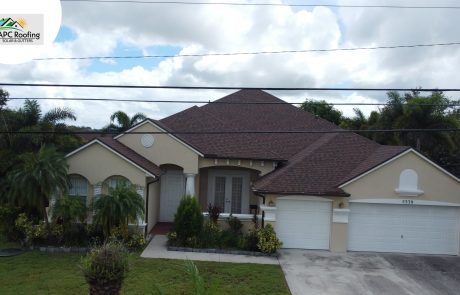
Asking about EPDM Roofing in Ozarks Region Missouri?
APC Roofing builds and fixes low-slope sections of a house, and on a residence the job tends to be a porch, a garage or a wing.
Phone 913-398-5020 and a roofer will climb up and give you a plain account.
Getting Runoff Moving – Settled in the Structure
A flat roof is made to tip a little toward a drain or a scupper, and a quarter inch per horizontal foot is what codes generally require. Rafters shimmed on one side can make the change in height, or stepped insulation panels can put in the difference instead.
Rain leaves a steep roof almost as fast as the drops land, yet the porch membrane may still be shining an hour later, which puts extra strain on each joint. A cricket, a little peaked saddle, steers runoff around a chimney, so no pool can build on the uphill side.
Where Shingles Stop Working: Where Membranes Begin
An asphalt roof is allowed by code only at two in twelve and up, and tile has an even steeper requirement. On anything flatter, wind drives rain back up under the laps, and wet sheathing starts to rot.
Plenty of homes pair a shingle main roof with a membrane over the addition, with the material picked to suit the incline below. A sheet covering goes down as one unbroken surface with closed seams, so a puddle finds no crack to creep into.
Materials for a Near-Flat Deck – Sorting the Catalog
TPO and EPDM each go down from broad factory rolls, and modified bitumen is a polymer asphalt in narrower strips, and built-up roofing puts gravel over felt and tar. A lightweight membrane puts little load on residential framing, and every join can be tested before the crew leaves.
TPO is a plastic membrane usually made in white, while EPDM is a dark synthetic rubber. Which product fits depends on the deck, the drains and any rooftop gear, and we say what we recommend and why, and the homeowner chooses.
Closing the Joins – Matched to the Material
The flat middle of a sheet seldom lets rain through, and the meeting lines between widths are where defects gather. A hot-air welder fuses TPO seams into one piece, and each joint is probed by hand for gaps.
An EPDM lap relies on primer and tape, so the surface is scrubbed and dried before installation. On an old rubber roof, joins tend to curl at the ends, and a cover strip laid across the gap puts the barrier right.
White or Black – Beyond Looks
A reflective TPO sheet sends a large share of solar heat back up, so the space under a porch or addition runs cooler. Black EPDM soaks up radiant energy, and the structure underneath stores warmth. The cooling boost is strong where summers run long, but the difference is modest at the colder end of our territory.
How Thick to Go: Sorting the Options
Single-ply material is specified by the mil, a thousandth of an inch, and 45 and 60 are everyday figures on houses, and stouter rolls are made for busier roofs. A beefier membrane shrugs off a dropped screw better, and the added body takes longer to wear down in the sun. Nobody can tell the gauge from the driveway, so the mil rating goes into the written proposal.
Out of View Up There – Structure Included
Right against the membrane there is often a cover board, and rigid insulation panels come after, and a deck of plywood, steel or concrete carries everything. A foam core cuts heat moving through the ceiling, and each extra inch adds R-value. Insulation that takes on water loses the benefit and grows heavy, and dampness below a sealed membrane stays put for years. A thermal scan, a meter or a core cut outlines the affected area, because the membrane can appear sound from end to end.
Where Shingles Give Way: the Right Sequence
Where a porch butts a steeper roof, the membrane climbs beneath the courses, so runoff from higher up spills onto the membrane. The sheet's top edge is shielded from the weather, and the joint does not rely on caulk at all.
If the membrane sits on the last course, rain runs in behind, and heavy rain finds the framing beneath. Stains in the ceiling angle next to the house often come from a reversed junction, and relaying the detail correctly is the fix.
Termination and Trim – Fastened Every Few Inches
Moving air tugs on a low roof, strongly at corners and around the perimeter, and a loose section can be torn back in one long piece. A metal edge fastened every few inches locks down the rim of the sheet, and the drip leg guides water down into the gutter.
A termination bar anchors the membrane along a wall, and a continuous bead of sealant seals the top edge, and counterflashing overhead keeps rain off the joint. Bent trim or nails backing out along the rim are a repair item, because a firm perimeter keeps gusts from prying underneath.
Parapets and Copings: Dressed and Capped
The membrane turns up the inner face as base flashing, and metal counterflashing laps over the upturned edge. A stone or precast coping sits along the top of the parapet, with a tilt toward the roof so rain stays off the exterior.
Separated joints along the crest channel rainfall into the wall, and the damp can show up far from the point of entry. On brick, cracked mortar also needs repointing, whereas stucco over framing relies on tight corners and a sealed top.
Routes Off the Deck – the Parts Involved
Water departs a low roof at an inside outlet, a wall scupper or a gutter at the edge, and leaves or grit can choke any opening. An interior drain is set in a small sump and topped with a strainer, and a leader pipe drops through the framing to grade.
A backup scupper sits above the main outlet, and codes call for a second way out on a roof ringed by parapets. Maintenance means lifting debris off strainers and out of gutter throats, and a displaced dome is secured over the drain.
Ponding: Why Shape Matters
Roofers treat rain still sitting on a membrane two days after a storm as a defect, and a sag in the deck or a clogged outlet lies behind the problem. A submerged area of membrane weathers faster than the rest, and grime and algae take hold. Rain a few inches deep bears down hard enough to bend the joists, so the sag grows each time rain gathers.
A fresh sheet over the same framing keeps the same contours, and tapered insulation, a cricket or a new drain handles the correction instead. The right remedy depends on the framing and where a new pipe could run, and a level on the roof settles the plan.
Everyday Breaks: Caught Early
Single-ply material can be pierced by something sharp at any age, and a fallen screw or a dragged toolbox can do the damage. Large hail at the colder end of our territory can crack a brittle old membrane, and broken limbs can slash a surface wherever trees overhang.
A small slit found quickly is handled with a patch, but a season of rain through the gap leaves the insulation soaked. Tracing pinholes calls for walking the field slowly, foot by foot, because tiny punctures escape a glance from the ladder.
Paths to the Equipment: Guarding a Busy Strip
A membrane is made to keep out rain, not to carry people, and each technician's trip to the air conditioner on the roof roughens the surface slightly. Sturdy pads are adhered or welded down on the way to the units, so the strips bear the abrasion rather than the membrane. Where mechanical gear sits up top, the scope includes traffic protection, and service crews are pointed to the marked lane.
Rooftop Flooring – Built to Come Apart
Adjustable pedestals lift pavers and patio furniture above the membrane, and the gap below lets rain reach the outlets. Big planters need the framing checked for the added mass, because saturated earth grows much heavier after a shower.
A paver lifts straight off a pedestal by hand, so a leak beneath the seating area can be reached without demolition.
Penetrations – Detail Work
A plumbing vent gets a molded boot of matching membrane, and a stainless clamp tightens the collar around the stack. Curbs raised off the deck carry skylights and units, and the membrane runs up each side under a metal cap. Brackets, cable bundles and irregular supports are sealed in a pitch pocket, which is a little dam of poured sealant.
Over time the fill shrinks and splits, and a periodic top-up is standard upkeep.
Mend or Start Over: How the Call Is Made
Membrane leaks tend to trace to one small spot, and a matching piece sealed around the gap restores the surface. A TPO overlay gets hot-air welded and probed, and on EPDM a primed and taped cover goes on with rounded corners.
Full replacement is justified when seams are opening everywhere, or the membrane cracks when flexed, or large stretches of insulation are soaked. We say plainly which way to go, and the verdict comes with photographs and readings.
Recover or Tear-Off: the Deciding Factors
A new membrane can go over an old roof with a separator board between, and codes allow the method only where a single covering is present. An overlay calls for insulation that is dry, because moisture closed in continues to rot the wood below.
With a tear-off, every old ply comes off to the deck, so rotten boards come out and the fall is set right, and a roof with two coverings must be stripped by code. Test readings and the number of layers present decide the route, and the findings are written up before any decision.
The Toll of the Years – Sun, Feet and Standing Water
Ultraviolet rays, expansion and contraction, and pooled rain degrade a membrane step by step, and service traffic grinds trails into the field. Annual strainer cleaning and pocket top-ups add seasons, and small cuts sealed quickly keep the insulation from soaking.
Signs Worth a Call – Plain to See
- A yellowed patch on the ceiling under the porch roof, which means rain has passed through the insulation.
- A stream pouring out of the overflow opening in a storm, often because the main outlet is choked.
- Trim sitting loose after a blustery day, an opening for the membrane to peel back.
- Moss or algae streaking the rim, which reveals runoff that never clears.
- A dip in the roofline from the yard, a possible sign of a deck bending under pooled water.
- Bubbles in the membrane noticed from a second-floor window, often from moisture trapped below or a lost bond.
- Dark trails on the exterior under a parapet, often linked to cracked coping joints.
- Moisture where the porch ceiling joins the main structure, which often comes from a faulty tie-in.
How APC Roofing Tackles EPDM Roofing in Ozarks Region Missouri: Order and Method
We look first at the drainage: outlets, strainers and low spots, and the laps follow, probed along the full run. The perimeter metal, parapets, curbs and pockets are inspected after, and when a leak is present, a meter and a core sample test the insulation.
Everything we find goes into a written report with photographs, and each detail is set out in plain terms. Where a patch will do, we say so, and a membrane past saving is described honestly.
EPDM Roofing in Ozarks Region Missouri: Practical Help With Low Roofs
Dial 913-398-5020 and we will set a time to come out.
Painted-On Protection: Suitable and Unsuitable
Rolled or sprayed fluid can go over an existing membrane, and the liquid cures into a jointless skin. A coat on an intact roof adds reflectance and extends service, but on a worn-out roof the layer covers damage instead of solving anything.
Silicone copes with ponded rain, but acrylic loses adhesion where puddles stay. Prep work beforehand is the larger share of the effort, because anything applied over dirt or chalky residue peels. We tell you directly when a coating is a sensible choice, and when the membrane below needs more than a fresh surface.
The Right Conditions – Choosing Suitable Days
On EPDM, primer and tape require a dry surface, and a chilly spell slows how fast the adhesive grabs. A TPO welder adjusts to brisk mornings without trouble, but any rain puts membrane installation on hold.
A small repair fits into a short dry spell, but a full replacement calls for a run of settled days. Every opened section is closed up watertight at the end of each shift, so no rain reaches the house after hours.
If you need EPDM Roofing in Ozarks Region Missouri, contact APC Roofing at 913-398-5020. A roofer examines the membrane, the drainage and the edges, and a written account follows, and the decision stays with you.