Coastal Florida is known for its picturesque beaches, balmy breezes, and beautiful weather, but if you are a homeowner or property manager in areas like Holly Hill Florida or the Palm Coast area, you know that the region's relentless humidity poses unique challenges for building materials. Among the many roofing options, metal roofing has steadily gained popularity for its durability, energy efficiency, and sleek appearance; however, the humid, salt-laden air along Florida's coast can subject even the sturdiest metal roofs to risks like corrosion, algae growth, and structural wear over time.
Florida's subtropical climate, with its high temperatures and frequent rainfall, makes building maintenance a year-round priority. Between June and September, humidity levels can soar into the high 80s and 90s %, often accompanied by sudden downpours and salt spray sweeping in from the Atlantic. Unlike traditional asphalt shingles or clay tiles, metal roofs offer excellent protection against wind and water, but proactive care is crucial to have longevity, especially in coastal communities like Holly Hill and Palm Coast Florida.
As many homeowners explore the benefits of metal roofing, they also quickly realize the importance of working with reliable roofing companies familiar with the region's unique environmental stressors. Experienced professionals can help you navigate material choices, protective coatings, and ventilation solutions, all tailored to the coastal Florida climate. Understanding the specific hazards posed by humidity and learning how to counteract them with practical, proven strategies can effectively extend the serviceable life of your metal roof and safeguard your investment for years to come.
In this comprehensive guide, we will explore the fundamentals of metal roofing maintenance in humid climates, highlight the advantages and drawbacks of different roofing options, and share professional tips for protecting your roof from the harshest elements Florida has to offer. Whether you are planning a new installation, considering a replacement, or simply want to keep your current roof in top shape, this article provides actionable insights to help property owners in Holly Hill Florida, Palm Coast, and beyond make informed decisions about their roofing systems.
Why Choose Metal Roofing for Coastal Florida?
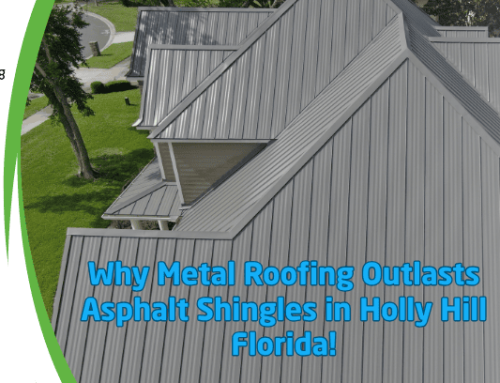
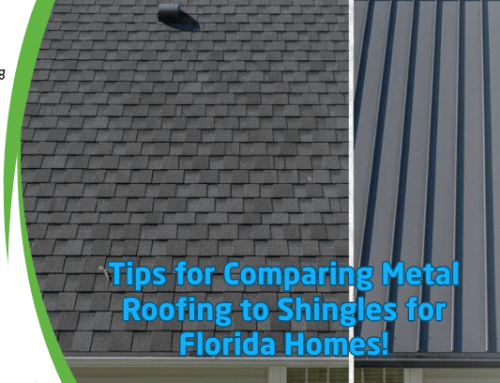
Metal roofing has become one of the most popular choices for homes and commercial buildings in Florida and for good reason. The combination of high winds, seasonal hurricanes, salt in the air, and relentless sun makes traditional shingles more prone to deterioration. Metal roofs, typically constructed from steel, aluminum, or galvalume, stand out for their resilience and longevity.
- Durability: Metal roofs are engineered to withstand severe weather, which is essential in regions like Holly Hill and Palm Coast Florida where storms can strike without warning. Many metal roofing products come with warranties of 40 years or more, which far surpass the serviceable life of standard shingles.
- Energy Efficiency: The reflective properties of metal help to deflect the sun's rays, reducing heat absorption and lowering air conditioning costs. In the intense Florida sun, this can lead to substantial monthly savings.
- Aesthetic Versatility:Metal roofing is available in a wide array of colors and profiles, from sleek modern panels to those designed to mimic clay tile or wood shakes. This flexibility allows homeowners to match their roof to their home's architectural style while still enjoying all the benefits of metal roofing.
- Low Maintenance: While no roof is truly maintenance-free, metal roofs require significantly less upkeep than other materials provided you take the necessary precautions to combat coastal humidity.
The Impact of Coastal Florida Humidity on Metal Roofing
Despite its many advantages, metal roofing in humid coastal climates faces distinct challenges. Moisture is a persistent threat and when combined with ocean salt, it accelerates oxidation and increases the risk of corrosion. High humidity can also lead to condensation beneath the panels, potentially undermining fasteners and contributing to mold growth within the roofing assembly.
- Corrosion and Rust: The most critical issue facing metal roofs in Holly Hill, Palm Coast, and other coastal Florida locations is corrosion caused by the salt-heavy air. Galvanized and coated metals offer some resistance, but they must be properly maintained to preserve those protective layers.
- Algae and Mold Growth: Humid conditions, along with Florida's lush vegetation, can encourage the growth of algae, mold, and mildew on roofing surfaces and underneath components. Left unchecked, these can stain the roof, obstruct water flow, and even threaten structural elements.
- Thermal Expansion and Contraction: The fluctuating temperatures typical of Florida cause metal to expand and contract. If not adequately accounted for during installation, this motion can stress seams and fasteners, creating entry points for moisture.
- Wind-Driven Rain and Seawater: During storms and hurricanes, wind can drive rain and salty mist under panels or shingles, exacerbating the risk of corrosion and promoting water infiltration.
Choosing the Right Metal Roofing Materials and Coatings
When installing or upgrading metal roofing in Holly Hill, Palm Coast, or other humid coastal areas, selecting the right materials and protective coatings is essential.
- Aluminum vs. Steel: While steel is strong and cost-effective, aluminum is naturally rust-resistant, making it particularly well-suited to coastal Florida homes. If you choose steel, make sure it is heavily galvanized and finished with a marine-grade coating.
- Paint Systems: High-quality paint systems, such as PVDF or polyvinylidene fluoride are preferred for their superior resistance to salt spray, fading, and chalking. Lesser coatings may degrade quickly in the harsh sun and salty air.
- Protective Underlayment: Use synthetic underlayment that resists water absorption and mold growth. This acts as a secondary line of defense against leaks and condensation.
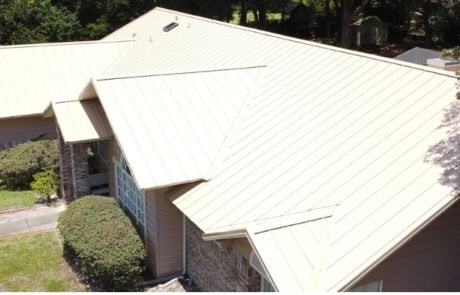
- Seam Design: Consider standing-seam metal roofing, which minimizes exposed fasteners and offers better protection against water intrusion than exposed screw systems.
Essential Maintenance Tips for Metal Roofing in Coastal Florida
Professional roofing companies recommend the following strategies to maximize the serviceable life of your metal roof in humid, coastal climates:
- Schedule Regular Inspections: Have your roof inspected by a qualified roofing contractor at least twice a year, ideally before and after hurricane season. Inspections help identify early signs of corrosion, damaged coatings, or compromised fasteners.
- Keep the Surface Clean: Promptly remove debris, leaves, moss, and bird droppings. Organic matter can trap moisture and speed up deterioration. A gentle wash with a hose and mild soap is usually sufficient.
- Address Corrosion Immediately: If you notice any rust spots or bubbling paint, treat them right away. Light corrosion can often be sanded down and sealed with a compatible primer and touch-up paint.
- Maintain Gutters and Downspouts: Clogged gutters can cause water to back up onto the roof, increasing the risk of leaks and corrosion. Make gutter maintenance a routine part of home care, especially after storms.
- Examine Seams and Fasteners: Pay close attention to seams, joints, and fasteners. Coastal humidity can cause these components to deteriorate more rapidly. Re-seal or replace as necessary to be sure of water-tightness.
- Reapply Protective Coatings as Needed: Coatings provide essential protection against salt and UV rays. Work with your roofing company to determine when recoating is necessary based on product specifications and local conditions.
- Promote Adequate Ventilation: Proper attic and roof ventilation helps prevent condensation, a leading cause of hidden moisture damage in Florida's humid climate.
- Trim Overhanging Branches: Keep trees trimmed back from the roof. Not only does this reduce debris accumulation, but it also prevents shade-loving algae and mold from taking hold.
- Choose Local, Experienced Roofing Companies: Local roofing contractors are familiar with the climate and its specific demands. Select licensed, insured companies in Holly Hill and Palm Coast with proven experience with metal roofing in humid zones.
- Keep Records of Maintenance and Repairs: Maintaining a log of inspections, repairs, and coating applications helps track the roof's condition and may be required for warranty claims.
The Role of Professional Roofing Companies in Coastal Florida
Whether you are installing a new metal roof or maintaining an existing one, partnering with trusted roofing companies in Holly Hill, Palm Coast, and nearby communities is key. Experienced professionals bring local knowledge to material selection, installation, ventilation strategies, and ongoing maintenance.
Local roofing experts can help you:
- Assess the best type of metal roofing for your property based on local climate data.
- Select coatings and finishes that provide optimal resistance to salt and humidity.
- Be certain of code compliance and adherence to hurricane-resistant installation standards.
When seeking a roofing contractor, look for companies with a solid reputation for service in coastal Florida. Ask about their experience with metal roofing in high-humidity environments, and request references or photos of completed projects in your neighborhood.
Additional Challenges and Solutions for Coastal Metal Roofing
- Hidden Damage from Salt and Moisture: Salt-driven corrosion can occur beneath panels and in fastener holes where water is trapped. Professional contractors can use specialized sealants and flashing to minimize these weak spots.
- Dealing with Hurricanes and Tropical Storms: Most metal roofs are rated for high wind speeds, but proper installation is crucial. Roofing companies should use hurricane clips, extra fasteners, and code-compliant underlayment systems.
- Insurance Considerations: Many insurance providers recognize the value of metal roofs for storm protection and may offer discounts. See that your roof is installed and maintained in accordance with the manufacturer's and local code requirements to maximize potential savings.
Conclusion
Metal roofing is a strong, attractive, and energy-efficient solution for properties in humid, coastal communities like Holly Hill and Palm Coast Florida. Yet the combination of relentless humidity, salt spray, and tropical weather makes ongoing care essential. By partnering with qualified roofing companies and using high-quality materials and coatings, you can extend the serviceable life of your metal roof, maintain its appearance, and protect your property investment against Florida's most challenging climate conditions.
Staying proactive with inspections, cleaning, and timely repairs sees that your roof remains a dependable shield year after year, no matter what nature brings. Ready to give your metal roofing the attention it deserves? Contact a local roofing expert today and take the first step toward trouble-free protection for your coastal home or business!
Key Takeaways
- Choose Corrosion-Resistant Materials: For coastal Florida homes, choose aluminum or heavily galvanized steel with marine-grade coatings. These resist corrosion better than standard steel and provide longer-lasting roofing systems.
- Regular Professional Inspections Are Crucial: Schedule at least biannual inspections with a qualified roofing company. This proactive approach helps you catch small issues like early corrosion or loose fasteners before they develop into expensive problems.
- Promptly Remove Debris and Clean Surfaces: Keep your roof clear of leaves, branches, bird droppings, and moss. Organic material retains moisture and contributes to both surface and hidden corrosion.
- Stay Ahead of Rust and Paint Damage: If you notice any signs of rust or bubbling paint, address them immediately by sanding, priming, and applying touch-up coatings. Timely intervention can prevent the spread of corrosion and protect the underlying metal.
- Maintain and Check Gutters Frequently: Clean and inspect your gutter system after major storms so that water is routed away from the roof efficiently. Blocked gutters can cause water damage both on the roof and inside the home.
- Insist on Proper Ventilation: Adequate attic and roof ventilation is vital in humid Florida conditions. Good airflow minimizes condensation and keeps temperatures balanced, preventing hidden damage.
- Trim Back Vegetation: Keep trees and shrubs pruned so they do not overhang your roof. Shade from dense foliage increases the risk of algae and moss development, while falling branches can cause immediate roof damage.
- Partner with Local Experts: Work with roofing companies familiar with the climates of Holly Hill and Palm Coast. Experienced local contractors provide better advice on materials, installation techniques, and maintenance tailored to your region's challenges.
- Document Maintenance and Repairs: Maintain thorough records of all inspections, repairs, and product warranties. These documents are invaluable for tracking roof health and claiming manufacturer warranties if needed.
- Consider Insurance and Cost Savings: Metal roofs may qualify you for reduced insurance premiums due to enhanced weather resistance. Verify compliance with all installation and maintenance guidelines to maximize these benefits.
FAQs
1. What makes metal roofing ideal for coastal Florida regions like Holly Hill and Palm Coast?
Metal roofing is highly resistant to wind, rain, and sun, making it perfect for harsh coastal climates. Its durability and ability to shed water quickly help prevent leaks and weather-related damage that many homes in Holly Hill and Palm Coast experience.
2. How does Florida humidity affect metal roofs?
Florida's humidity promotes condensation and when paired with salt-laden air, accelerates corrosion on metal surfaces. Regular maintenance and the use of corrosion-resistant materials help combat these effects.
3. What are the best materials for metal roofing in humid, coastal environments?
Aluminum is naturally rustproof and a great choice for regions close to the ocean. Alternatively, galvanized steel with high-quality, marine-grade coatings provides robust corrosion resistance for coastal Florida homes.
4. How often should I have my metal roof inspected?
Experts recommend at least two inspections per year, one before hurricane season and another afterward. Additional checks are wise following major storms or suspected roof damage.
5. Can I pressure wash my metal roof?
While metal roofs are hardy, avoid high-pressure washing, which can damage protective coatings. Instead, use low-pressure hoses and gentle cleaners recommended by your manufacturer or roofing company.
6. Are all roofing companies equipped to handle metal roofs in coastal climates?
Not all roofing contractors have specific experience with coastal conditions. Choose companies with a proven track record in Holly Hill, Palm Coast, and similar environments and ask about their expertise with metal roofing systems.
7. Why is proper roof ventilation important in humid climates?
Ventilation prevents heat buildup and condensation, which can lead to hidden moisture damage in roofing assemblies. Proper airflow keeps the roof and attic dry, preventing mold and rot.
8. How long can I expect my metal roof to last in coastal Florida?
With appropriate materials, installation, and regular maintenance, metal roofing in coastal Florida commonly lasts 40 to 70 years, far exceeding the serviceble life of traditional shingles.
9. What is the most important step in preventing corrosion on my metal roof?
Consistent maintenance is essential. Keep surfaces clean, promptly repair scratches or paint damage, and follow up with regular inspections by knowledgeable roofing professionals.
10. Can installing a metal roof lower my homeowner's insurance in Florida?
Yes, many insurers offer premium discounts for metal roofing due to its wind and storm resistance. See that your roof is installed to code and maintain documentation to support potential insurance claims or discount applications.