Planning Asphalt Shingle Roofing Throughout Springfield Missouri?
APC Roofing mends torn, curled and lifted pieces and lays complete new coverings, from a small cottage to a large two-story house.
Dial 913-398-5020 and someone will come out and explain what is up there.
Anatomy of a Covering: The Makeup Explained
Each shingle is built on a fiberglass mat for strength, and a saturant of asphalt seals out rain, and a layer of granules on top screens out ultraviolet light.
Two lines that appear matched may be put together quite differently, and more heft commonly lets a covering weather more summers. A showroom sample tells nothing beyond appearance, while a technical sheet sets out performance figures.
Strip Versus Laminated: The Practical Contrast
A three-tab product is a single-layer piece with twin cutouts at the exposed edge, so the surface shows neat uniform lines. An architectural shingle has an irregular top ply fused to a whole base, so the extra depth gives relief.
The double-ply build adds material and weight, and the rated wind resistance usually rises too. Nailing on a two-ply shingle aims at the strip where the plies are joined, and a printed guide shows the right position.
A Place for the Plain Option: A Narrow Niche
Little outbuildings and back porches are typical spots for three-tab, and a patch can match the rest of an older house. Makers have pared back their tabbed lines, so an exact replacement can be hard to find.
Uneven plywood is less noticeable under a dimensional product, whereas straight single-ply lines reveal each flaw. The two styles share the same underlayment and edge metal, so the difference lives entirely in the top layer.
Surface Wear Over Time – Normal or Worrying
A freshly laid covering releases surplus grains during its opening months, which is harmless. When an older covering sends piles of grit down the spouts, its mineral shield is wearing thin, and asphalt left bare hardens and fractures in the heat.
Southern and western slopes absorb the hottest light, so bald patches tend to appear there sooner.
The Thermal Adhesive: Limits in Cold Months
Every shingle arrives with a sticky asphalt stripe, and warm days melt it just enough to anchor the next row. Adhered courses keep their bottom edges down in a gust, while nails hold every shingle for its whole life on the house.
On a chilly job at the colder end of our territory, sealant may sit inactive until spring, and strong wind may raise tabs in the meantime. Manufacturers' instructions call for dabs of roofing cement in that situation, and each bundle label marks the right locations.
Holding Pieces Down: Tools and Technique
Every nail belongs inside a narrow stripe the manufacturer marks, where each shank pins the row below as well. Four fasteners per shingle meets the basic requirement, and six are required on steep slopes or in high-wind areas.
A misplaced high nail leaves the lower course loose, a head pounded too far breaks the mat, and a skewed shank tents the shingle on top. The wind resistance stated on the package depends on the specified pattern, and a poorly adjusted pneumatic tool repeats its error across an entire plane.
The Wood Below: Types and Condition
The deck under asphalt shingles is usually plywood or OSB, and every fastener needs solid material there to hold. Older houses sometimes keep the gapped boards once used under shakes, so sheathing is laid across them before shingles.
During a tear-off, weak or water-damaged pieces are swapped for sound ones, since decayed material lets go of whatever is driven into it. Adjacent sheets are spaced slightly apart at their edges, because swelling in damp seasons buckles anything laid too tight.
Old Paper, New Fabric: Felt or Synthetic
Before any shingles go down, a water-resistant membrane is rolled over the deck, and it goes down in horizontal runs that lap downhill. Asphalt felt is less common now that synthetic sheet has taken hold, because the newer product weighs less, tears less easily and lies flatter.
Water blown under a lifted tab runs down the membrane to the gutter, yet leaving it bare for long shortens its useful life.
Membrane at the Eaves – Around Every Shank
Across the colder end of our territory, snow over a warm attic turns to water, and the meltwater refreezes at the unheated lower margin. Trapped water behind the blockage creeps higher beneath the courses, where ordinary underlayment lets it through at every nail.
Where ice dams form, building codes require an adhered membrane at the eave, and it is carried upslope far enough to clear the heated part of the house. Throughout our service area, valleys and chimneys commonly receive it as well, since flow concentrates in such places.
Perimeter Flashing: Under and Over
Prefinished drip edge follows each eave and each rake, so the fascia stays dry. The underlayment covers the lower flashing, while at the gable side the order flips.
Codes across much of the country list edge metal as required on every perimeter of the covering, as water tends to wrap under an unprotected rim.
Groundwork at the Eave – No Substitutes
The first exposed course rests on a dedicated starter strip, so the sealant is positioned right at the lip. A rotated field piece strands the adhesive several inches up, so the outermost tabs are pinned by nails only.
Most instruction sheets extend starter up both rakes, because gusts pry at a roof's perimeter.
Where Slopes Meet – Methods Compared
An open valley shows a strip of metal running down the crease, and the closed-cut approach laps one side across and trims the other straight. Weaving rows from both planes together suits single-layer tab products, but thick laminated shingles bend poorly that way.
Nailing close to the fold is avoided, and an adhered membrane lies underneath the whole length. A mat of leaves lodged in a valley traps water and grime, so runoff may be forced beneath the cut side.
Vertical Surfaces: Steering Water Past
A separate step flashing is tucked under each course where the covering meets a wall, and the exterior finish hangs down across the standing half. An angled kickout sits at the foot of the house face, and skipping it sends water into the studs.
A chimney gets an apron across its front, steps along its sides and counterflashing let into the mortar joints, while stacks above a certain width require a cricket upslope.
Holes for Plumbing – Sequence and Laps
Standard boots join a flat metal or plastic plate to a rubber sleeve, and ultraviolet exposure dries the gasket out and cracks it. Shingles uphill cover the top of the flange, and the exposed foot lets water pass over rather than behind.
Collars often crack while the surrounding field still has years of wear left, so a full reshingling normally includes fresh boots.
Finishing the Apex – Final Courses
The ridge and every hip are closed with cap shingles, and laminated work calls for the maker's coordinated accessory. Improvised pieces from cut tabs are lighter and thinner, and in winter at the colder end of our territory the fold is prone to cracking.
A ridge vent often runs beneath the cap row, so the nails must be long enough to pass through it and bite the sheathing.
Attic Airflow – Mixed Systems
Soffit vents are where outdoor air is supposed to enter, and a ridge exhaust lets it out. Insulation blown tight against the outer walls can choke the flow, and foam or cardboard baffles hold a channel clear.
An attic holding in heat warms the deck from underneath, and moisture from the living areas lingers up there. At the colder end of our territory, frost can form on the nail tips poking through overhead, and the water runs down as the day goes on. Combining different exhaust types can make one vent pull air in through another, since the draft takes the quickest route rather than sweeping the whole space.
Around the Map – Sunlight and Storms
The area we serve spans cold, dry high country and warm, wet flatlands, and each setting wears on asphalt differently. At the coastal end of our territory, the large storm systems blow for hours, and product sheets set out an enhanced nailing method. Relentless sunshine hardens the binder over the years, and lasting humidity gives algae room to grow.
At the colder end of our territory, water that seeps into a crack freezes and widens it, while snow cover keeps the eaves cold for weeks at a time.
Stones Out of a Thunderhead – Marks on the Surface
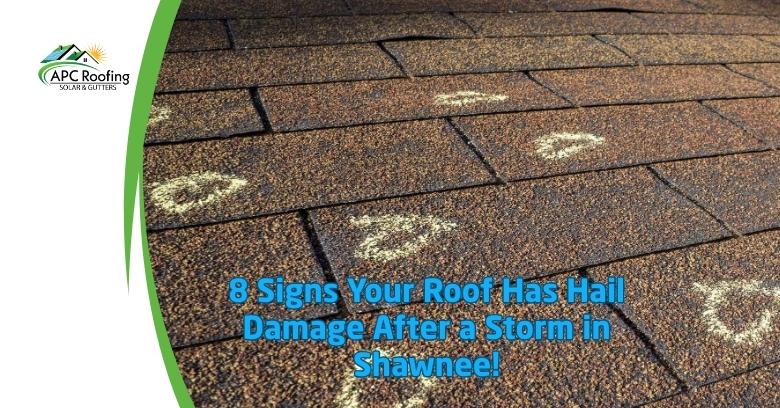
At the colder end of our territory, hail is a familiar part of the storm calendar, so shingle lines that stand up to it are common. A strike scatters the grit from a small round area, while a heavier blow may bruise right through to the mat.
The impact class on a bundle comes from a standard drop test with steel balls, and the better lines survive rough treatment more often. Certain makers blend a rubbery polymer into the coating, which lets the shingle flex instead of shattering.
Wind on Asphalt – Putting Things Right
Uplift concentrates at the outer margins and the corners, so any piece that has come unstuck shakes in each blast. Bent up past a certain point, a tab takes a crease across it, and the damaged spot stays weak for good. Shingles harmed that way come out and new ones go in, but one that lifted cleanly can be stuck back down.
Blown-off tabs leave the underlayment uncovered, and ultraviolet light breaks that layer down quickly.
Growth on the Surface: Shade and Damp
Blackish trails are colonies of algae, which survives by feeding on limestone filler. Growth spreads quickest on shady faces at the humid end of our territory, but the streaking by itself is largely about looks.
Moss poses a real threat, as it traps moisture against the courses, and it works under the edges and raises them. Pressure washing takes the granules along with the growth, so a mild product rinsed on softly is the better choice. Algae-resistant designs mix copper into the surface, while rain running over a zinc band near the ridge holds the stain back.
What the Color Changes: Mixing Bundles
A black or charcoal covering absorbs more of the sun's energy, and lighter shingles reflect more of the light. Some brands coat their granules to bounce back more heat, and their performance is published as a reflectance value.
Stock can vary from one production lot to another, so shingles from several bundles are mixed as the courses go on. Variegated patterns make those changes hard to see, while plain shades display every one of them.
Walking on Asphalt: Knowing When to Stay Down
Strong sunshine warms the bitumen until it goes pliable, so a shoe sole scrapes away grit. At the colder end of our territory, a course stiff with cold can break under weight, and a thin film of frost makes the slope a slide.
Keeping both feet in the yard is safer for an owner, since binoculars reveal nearly everything worth seeing.
A Second Layer: Pitfalls
Rules across much of the country accept an overlay over an original roof, but never over two, or over boards that are wet or rotten. With the old shingles left where they are, the decking is never exposed, so any weakened patch gets buried under the added courses.
An uneven base gives the new shingles a wavy face, and weathered flashings are often reused rather than replaced. Two layers put more pounds on the rafters than they were planned to hold, while the fasteners need more length to bite into the boards.
Early Warnings: A Homeowner's Guide
- Granules pile up in the gutters, and the drifts get deeper each season.
- Pieces are missing and bare underlayment peeks through, so wind has broken the bond.
- Courses have started to buckle and warp, as years of sun shrink the top.
- Tabs show fine breaks from edge to edge, and the mat underneath takes on water.
- Some spots look dull and flat, where the stone coating has worn off.
- A flue or vent collar has turned brittle and torn, and rain slips through into the house.
- Flashing at a chimney has lifted off the brick, which lets wind-driven rain in behind it.
- Paint bubbles on a top-floor ceiling, even though the leak may start far from the spot.
How APC Roofing Takes On Asphalt Shingle Roofing in Springfield Missouri: What to Expect
An inspection first covers every slope on foot, and the details at every valley, vent, flashing and edge are read. Up in the attic, stains and daylight are sought out, and darkened boards on the underside show past leaks.
Every fault is photographed, and its size is measured. Everything found is set down in writing, and each recommendation carries its reasons. A small fix is described as small, while a covering at the end of its life is called that. Which way to go is up to the homeowner, and waiting is one of the options.
Asphalt Shingle Roofing Throughout Springfield Missouri: a Careful Look Before Any Advice
Reach us at 913-398-5020 to book a time.
Patching Versus a New Covering: Brittle Material
Trouble at a boot, a flashing or a few scattered tabs is normally dealt with by a repair, and the sound shingles nearby stay in service. Even the same color from the same maker looks different once the old shingles have weathered, while the manufacturer may have retired that design.
A sun-dried tab breaks as soon as it is pried back, and the damage around the work zone grows. Once wear like that reaches across the covering, a new covering is the sensible answer.
How Long Shingles Last – Early Endings
Three-tab work generally holds up for fifteen to twenty years, and laminated types frequently see nearly thirty. The real number depends on sun, attic air movement and how the nails went in, while a hard storm can override every estimate.
Checking the flashings and pipe seals now and then is sensible upkeep, as prompt fixes keep water out of the wood.
If you are planning Asphalt Shingle Roofing in Springfield Missouri, call APC Roofing at 913-398-5020. The whole covering and the attic are inspected in person, and the written findings let you decide.
Verified

Verified
Verified
Verified