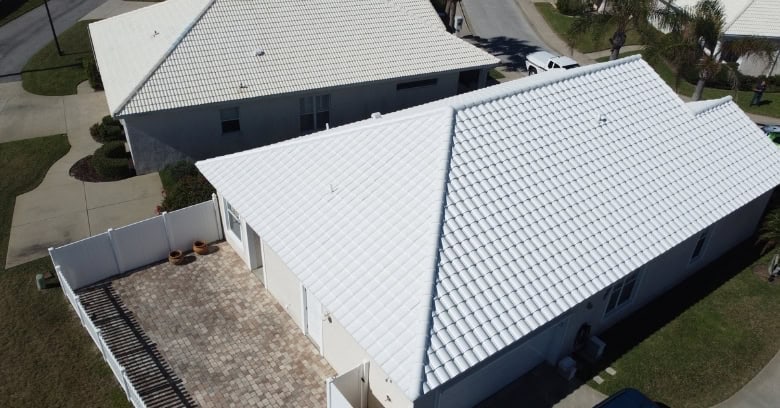
Searching for Roofing Contractors in Shawnee Kansas?
APC Roofing handles everything from a simple checkup to a full replacement, on shingle, metal and tile alike.
Call 913-398-5020, and a roofer sets a time to come look at the house.
A Roof's Construction, Explained: What Holds a House Together
The topmost material is nothing more than the outer layer, and underlayment, decking and rafters sit beneath the surface. Strips of flashing cover the gap at a chimney, a pipe or a valley, and dampness there seldom traces to shingles failing somewhere close by.
The attic air beneath the deck counts as part of the roof assembly, because moisture trapped up there softens plywood and rusts nails overhead. A leak noticed inside can begin at any level of the roof, and work confined to the outside can miss the real source.
A Roof at Work: Quiet but Constant
The slope on the building sends runoff toward the gutters, and the nailing keeps gusts from lifting the courses. The framing bears the load above, snow included at the colder end of our territory, and intake and exhaust let the attic breathe.
Water is the covering's job, and wind is the fastening's task, and what is underneath keeps the whole structure standing. A weak component shows up as a sign of trouble somewhere else on the roof, so the cause gets traced instead of the symptom being patched.
The Minor Pieces of a Roof: Different Timelines
The shingled field is built to last for decades, but the flexible seal around a stack splits well before the shingles do. Runoff slips through and travels toward the room, and a ring shows up on the drywall beneath.
A line of caulk at a chimney shrinks with every hot season, and metal flashing rusts at bends and cut ends. Shingles bent into caps split at the seam, as nothing shelters the peak from gusts and glare.
Steps Before Heading Up: Standing Back and Then Closer
From the driveway, the outline of the roof shows dips, sags and wavy planes, and the gutters and painted trim show up in the same look. Through binoculars, torn collars, lifted tabs and bare patches come into focus, though some faults cannot be judged without climbing onto the roof.
Crouched at each pipe, a roofer feels for gaps and traces the flashing along every wall, and every course is checked for edges that have come loose. A slippery or steep slope rules out walking, and a ladder at the edge serves as the lookout instead.
Above the Ceiling: What Owners Can Find
A dark ring on the sheathing shows water has come through, and dampness under the fingers shows the entry is still active. Light passing through the decking reveals a breach, and the spot gets pinned down by distance from the ridge, ready for the outside check.
Nail points gone orange signal damp air, not a leak, and a flattened, discolored patch nearby carries the same message. Fill pushed into the eave opening, or a fan duct ending in the attic, turns up only from inside, so a street-level glance never catches faults of that kind.
A Homeowner's Take-Away: Kept for Reference
Findings arrive as photographs tied to specific places on the roof, and a note explains what each picture shows. Solid sections are treated in the same plain language as sections that are not, and problem areas are ranked by urgency.
A saved report from an earlier stop gives the next check a baseline, and a pattern over time tells more than a single day ever could. A roof tracked across each year brings few surprises, and the signs of a major repair appear well before the job becomes pressing.
Seasonal Shingle Maintenance: a Short Rundown
Stiffened collars at the plumbing vents get changed early, and brittle beads at the walls get cut out and run again. Branches and leaf litter come off the low points and the chimney back side, and every outlet gets checked for an open path.
A raised corner glued down in time stays a simple repair, but a season of neglect can end in a ceiling mark. Lichen keeps the surface damp and works in under the shingles, and the growth gets treated and brushed off, never pressure-washed.
Staying Ahead of Trouble: The Payoff
A roofer should walk the roof once a year, scheduled once the harshest stretch of local weather has passed. The purpose is catching wear before a leak develops, and repair work gets planned rather than rushed.
Between visits, an owner can look at the roof from the yard after rough weather, and upstairs ceilings deserve a look for new marks. Checking the attic with a lamp each season makes sense: discolored boards, light through the deck and damp insulation turn up long before anything reaches the space below.
The Age of a Roof Seen From the Ground: What the Years Bring
A shingle surface in the first seasons looks crisp and even, and by mid-life the sun-facing side fades ahead of the shaded side. Near the end, corners curl and granules gather in the gutters, and a repair rarely holds for long at that stage.
What the lawn view suggests is a solid baseline, but a walk on the roof is what confirms the condition. A covering that has reached the end of a normal service life raises a replacement question, and a straightforward contractor says so directly, instead of selling one more fix.
A Blocked Channel: A Quick Look
Shingles hand off rainfall at the drip edge and no farther, and the gutter takes over from that point. Blocked outlets send overflow over the back lip of the channel, and the wood close by swells and softens.
A weak area there more often means bad drainage than a shingle issue, and a new covering will not fix what backed-up water caused. Gutter fall and downspout placement get checked together, and the drip-edge metal gets looked over for reach past the fascia.
A Two-Way Exchange: How the Design Works
Fresh air is meant to come in at the soffits and exit along the ridge, and the draft clears warmth and humidity from under the sheathing. When that gets blocked, the attic overheats in summer and stays muggy through humid months, and the covering wears out early.
Exhaust hardware installed with no matching intake draws conditioned air up from the rooms below, and one high point pulling toward a nearby high point can choke flow at the soffits. A roof placed over bad ventilation inherits an existing weakness, so the underlying issue belongs in the scope of any re-roofing plan.
One Company, Many Conditions: Different Choices for Different Homes
Toward the colder end of our territory, frozen gutters and heavy snow set the priorities, and a waterproof membrane covers the bottom few feet of deck. Near the coast, wind pressure sets how every panel gets nailed, and hurricane-rated edges and sealed flashing get specified.
Across the hail belt at the colder end of our territory, impact ratings matter, while heat takes a toll on roofs everywhere we work. The details get set by conditions at that specific location, not routine, and not whatever a past project called for.
Houses and Commercial Buildings: One Steep, One Flat
A sloped covering sheds rain by lap, and the material is commonly shingle, tile or metal panels. An office or warehouse roof depends on a flat, sealed surface, and internal drains and heating units share space on that roof.
Some houses have a gently sloped patch over a back room, and shingles over an area such as that leak because standing water finds a way under the laps. A spot like that needs a welded or adhered membrane, laced under the pitched covering above, and re-laying shingles there repeats the same fault.
A Cover Until Things Get Fixed: What Works and What Fails
A sheet shields a gap for a little while, but the broken parts stay broken all the same. A sound cover sits over the ridge and gets held down by wood battens screwed through the material, and enough tension keeps gusts from finding any slack.
Extra reach past the opening matters on any temporary cover, since water runs sideways under a short edge. Plastic left in place for months traps heat and moisture against the deck, and the covering underneath ages faster than expected.
The Tie-In at a Chimney or Upright Surface: No Room for Guesswork
Step flashing gets woven in with each course along a wall, and a cap of counterflashing laps down from above. A chimney gets an apron across the downhill face and metal tied in up each edge, and any stack wider than a small one calls for a cricket set into the slope uphill.
A smear of mastic over a bad patch opens up within a few seasons, so a fresh tie-in, installed correctly, is the dependable way to go. Eroded mortar joints let water into the brick above the flashing line, and a mason may need to handle the stonework while a roofer handles the metal.
A Contract Worth Reading: Items to Expect
A signed agreement should identify the shingle, the underlayment and the metal by name, and the document states whether the current layer stays or goes. A dated form covers what happens if rotten boards turn up, and flashing, ventilation and cleanup each appear as a separate line.
Competing proposals listed in detail can be read side by side, and the gaps between the two sets of paperwork come into view. A firm unwilling to resolve the plan in advance is telling an owner something, because nobody can confirm later what got said.
A Tear-Off and Rebuild: What Happens
Anything near the eaves that could get damaged gets protected ahead of time, and the existing covering gets removed completely. The bare deck gets checked plane by plane once the old covering is off, and anything that flexes underfoot gets sawn out and patched.
A water-resistant membrane, fresh flashing and ice protection get installed next, and the surface material, the ridge caps and the vents close out the job. The property gets swept with a magnet once the crew wraps up, and no debris gets left in the gutters.
Care for Non-Shingle Roofs: What Differs by Material
Where panels get fastened through the face, a gasket under the head keeps rain out, and a brittle washer gets replaced whole, never smeared with anything extra. Clay and concrete tile go down by more than one method, from mortar to foam to clips, and the underlayment handles the water, not the surface material.
Weight placed wrong breaks a piece, and a damaged unit gets lifted out and replaced with one of the same profile. Where part of a roof runs nearly flat, ponding and split seams are the warning signs, and leaves get removed from the outlets regularly.
What Owners Tend to Notice: Caught Early
- Grit gathering at the downspout outlets, well beyond what a new roof sheds.
- Curled or lifting edges on the courses, in patches that widen every year.
- A split rubber collar around a plumbing vent, with a stain trail on the covering below.
- Discoloration on a bedroom ceiling, close to an outside wall or a chimney.
- Light leaking in near a valley or a pipe, spotted during a flashlight check.
- A carpet of moss along the eaves, in spots that stay damp longest.
- A bulge that catches the light at dusk, often pointing to trouble in the deck beneath.
- Caulk cracked along a chimney, often after a hot summer.
Roofing Contractors Across Shawnee Kansas: How APC Roofing Works
Before anything gets proposed, a roofer looks over the whole covering and the attic, and the results come back as images plus a short written summary. What is holding up gets stated as clearly as what is not, and the homeowner sets the order of any work.
Roofing Contractors Across Shawnee Kansas: a Roofer Who Reads the Whole Roof
Phone 913-398-5020 and get a date on the calendar.
An Archive for the Roof: a Few Minutes a Year
Writing down the installation date and the materials used is a smart habit, and each visit's report belongs with the earlier entries. Listing every fix, the place and the scope, takes only a minute, and a decade on, the trend stands out clearly.
Selling a property brings questions about what is overhead, and a documented account settles the matter later. A copy kept at a second location protects the earlier notes, so nothing depends on one paper version alone.
What Good Work Looks Like: Details to Check
Every row lines up, and the ends at the gables get trimmed evenly, and the nailing stays out of sight across the roof. Flashing at walls is new and set in properly, and caulk, where used at all, forms a thin, careful line.
Air can move from the eaves to the peak without obstruction, and the gutters return to position, clean and fastened. A final sweep with a magnet tidies the yard and drive, and sawdust from a trimmed board is the most common leftover, easy to rinse from a walkway.
Anyone weighing choices for Roofing Contractors in Shawnee Kansas is closer to an answer than a listings page ever gives. Getting in touch with APC Roofing at 913-398-5020 gets a date on the calendar. Every stop takes in the whole roof, not just the part in question, and nothing is left to guess at.
Verified

Verified