Looking for Roof Maintenance in Shawnee Kansas?
APC Roofing takes care of a routine checkup right up to a complete replacement, on shingle, metal and tile alike.
Reach us at 913-398-5020, and a roofer heads out for a look at the house.
The Roof’s Working Parts: What Holds a House Together
The visible covering on top is only the outer layer, and underlayment, decking and structural framing sit out of view. Flashing bridges the crossing wherever a wall, a pipe or a valley breaks the field, and a drip there rarely points to worn shingles on the slope.
The attic air beneath the deck counts as part of the roof assembly, because trapped heat and damp age the deck and shingles above. A brown mark on a ceiling can originate at any level of the roof, and a fix aimed only at the outer surface can leave the real source untouched.
Everyday Work of a Roof: More Than Meets the Eye
The slope on the building sends runoff toward the gutters, and seal strips keep gusts from getting under the courses. Beams and boards carry the mass overhead, snow included at the colder end of our territory, while vents let damp air leave the attic.
The covering handles water, and the fastening handles wind, and holding the whole thing up falls to what is underneath. A weak link puts strain on the parts around the weak spot, so the trail gets followed back before anything gets mended.
Minor Roof Components: Not All Equal
Most of the slope is designed to hold up for decades, but a rubber collar at a vent pipe gives out far sooner. Runoff slips through and travels toward the room, and a brown patch forms on the ceiling underneath.
Sealant around a skylight loses hold after enough summers, and aluminum flashing pits at the bends in salt air. Hip and ridge caps open at the center crease, since the peak catches more weather than the rest of the roof.
What Appears Early: Before Anyone Climbs
At a distance, the outline of the roof gives away dips, sags and wavy planes, and the eave boards and downspouts can be sized up as well. A pair of binoculars brings collars, lifted tabs and bare patches into focus, yet a few conditions still need a hand on the surface.
On the slope, a roofer works over every pipe connector and traces each flashing run, and the surface is checked for cracking, granule shedding and curled edges. A rain-slicked or very steep covering stays off limits underfoot, and the eave, reached by ladder, provides the vantage point instead.
The Underside of a Roof: Clues From Below
A dark ring on the sheathing shows water has come through, and moisture felt by hand shows the water is still coming through. Daylight visible between the boards marks an opening, and the distance from the ridge and gable gets measured so the spot can be found outside.
Rusted nail tips point to condensation, not a leak, and a darkened patch under the deck tells the same story. A soffit choked with insulation, or a bath fan venting into the attic space, is spotted only from inside, so a street-level glance never catches faults of that kind.
The Follow-Up Paperwork: What Gets Handed Over
What turns up gets documented with photographs matched to locations on the roof, and a written line explains what each image shows. What is holding up gets named as clearly as what is not, and problem areas are ranked by urgency.
A filed report from an earlier check-up serves as a reference going forward, and change over time is easier to judge than condition on a single day. A covering looked at on a regular schedule rarely catches the owner off guard, and the signs of a major repair appear well before the job becomes pressing.
Routine Care for a Shingle Roof: the Basic List
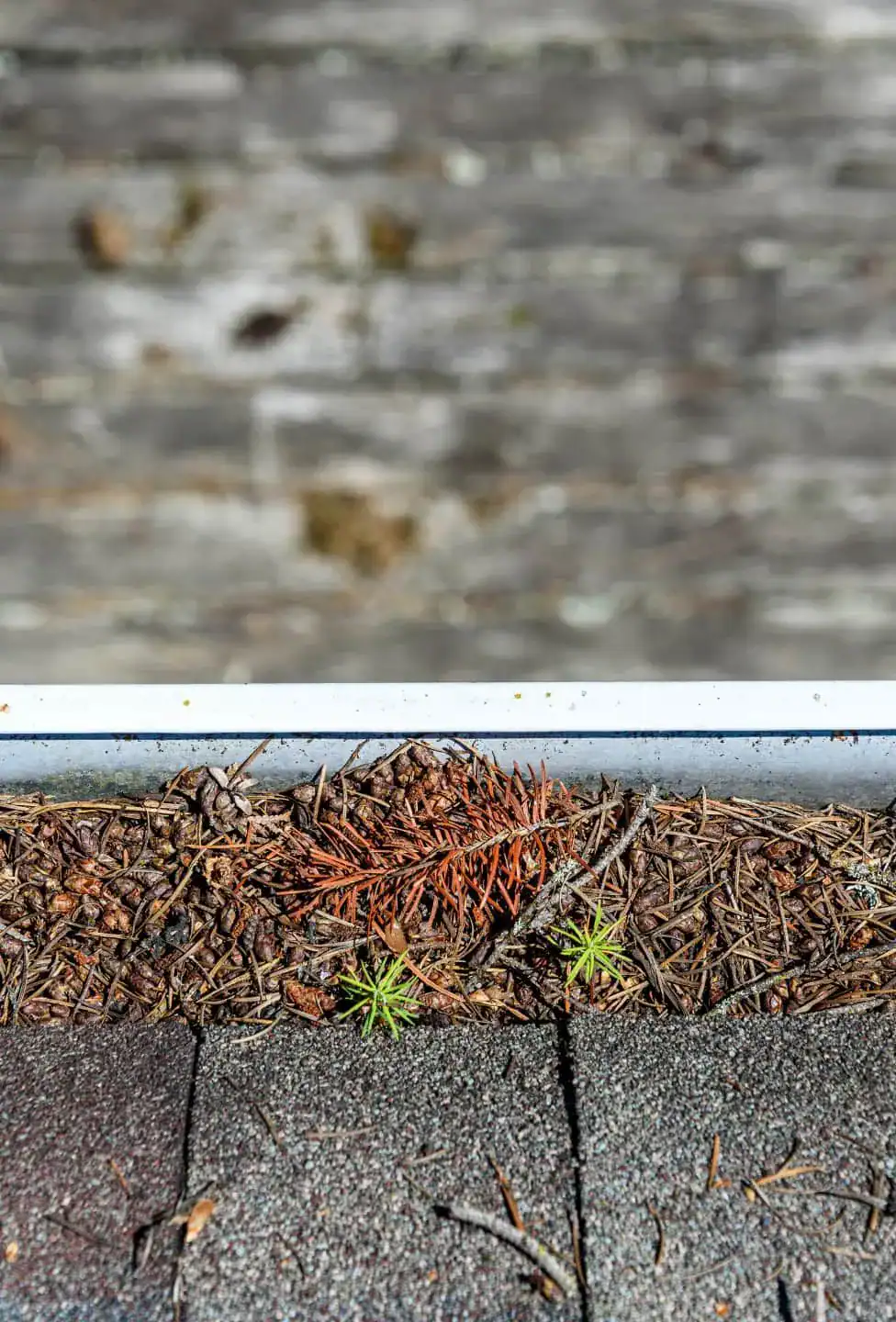
Worn pipe gaskets get swapped out before failure, and the joints at each flue get resealed. Needles and leaves get cleared from valleys and from behind chimneys, and the gutter runs along the eaves get straightened.
A lifted tab sealed down early stays a small job, but waiting out a rainy stretch invites water in from beneath. A mat of moss holds water along the lower edges, and the growth gets killed with a treatment and swept off by hand.
A Simple Habit Worth Building: Consistency Pays Off
A roofer should walk the roof once a year, timed for right after the season that is hardest on roofs locally. The point is finding small faults before a leak forms, and nobody is left guessing about the roof’s condition.
In the months between visits, a look from the driveway after high wind helps, and upstairs ceilings deserve a look for new marks. A flashlight trip into the attic twice a year pays off: dark spots, daylight and matted insulation turn up long before anything travels any further.
How Age Shows on a Roof: Early Signs to Late Signs
A young shingle covering lies flat with an even tone, and approaching midlife the sunniest side fades before the rest. Near the end, corners curl and granules gather in the gutters, and mending one area seems to open another.
What the lawn view suggests is a solid baseline, but the true condition shows only from up top. Once shingles are spent, patching stops making sense, and a good contractor gives that answer plainly, rather than selling another repair.
The Trough Behind the Fascia: A Quick Look
A roof moves water only as far as the drip edge, and from there a gutter does the remaining work. A clogged or sagging channel pushes water back behind the fascia, and the wood underneath begins to rot.
A weak patch there usually traces to a stopped-up drain, not the shingles, and a fresh covering does nothing for a fault at the edge. Gutter fall and downspout placement get checked together, and the drip edge gets looked over where the metal meets the fascia line.
Why the Area Above Needs to Work Right: What Homeowners Should Know
Outside air should enter under the eaves and leave near the peak, and that flow carries built-up heat and dampness away from the attic. With the opening closed, the attic turns hot in summer and clammy in humid months, and the tabs curl and the plywood softens ahead of schedule.
A roof opening installed with no matching intake draws air from the living space below, and a mismatched pairing at the ridge and gables can cut the draft short. Reroofing with poor airflow left alone carries the fault forward, so the underlying cause gets addressed in the plan for the new roof.
What Gets Chosen and Why: Different Choices for Different Homes
At the colder end of our range, ice and drifting snow set the build, so a self-sealing membrane runs up from the edge. Nearest the coast, uplift resistance governs the fastening choices, and storm-rated trim metal and taped seams get called for.
Where hail falls hard at the colder end of our territory, an impact-rated covering is worth considering, while ultraviolet light ages granules in every market we serve. Every material choice answers to the weather at that house, not habit or whatever a previous job used.
Homes and Shops: Different Structures Entirely
A sloped covering sheds rain by lap, and the material is commonly shingle, tile or metal panels. An office or warehouse roof depends on a flat, sealed surface, and scuppers and equipment penetrate that same surface.
Some houses have a gently sloped patch over a back room, and a lapped product there lets water back up under the tabs. A spot built that way needs a sealed membrane tucked under the pitched roof above, and re-shingling that spot only repeats the trouble.
Protecting a Damaged Roof for Now: What Holds Up
A secured sheet keeps rain out while repairs get scheduled, but a quick layer does not mend anything below. A properly installed cover wraps the ridge and gets pinned under wood strips, and the cover gets tensioned before the flapping starts.
A sheet cut too small leaves the edges of the opening exposed, since water slips in under any edge that ends too soon. Plastic left in place for months traps heat and moisture against the deck, and the shingles beneath start to deteriorate.
The Tie-In at a Chimney or Upright Surface: the Proper Method
Where shingles climb beside a wall, L-shaped pieces alternate with the courses, and an overlapping strip above keeps runoff off that metal. On a brick chimney, an apron handles the lower edge and metal runs up each edge, and a broad stack gets a diverter built into the roof behind.
Tar smeared over a gap gives way as the metal moves, so the lasting answer is new metal laced in properly. Porous or cracked mortar lets moisture into the masonry higher up, and part of that repair belongs to a mason, not a roofer.
The Written Scope: Comparing Bids
A detailed listing names each material going on the roof, and the document says whether the existing roof gets stripped to the deck. The account spells out in advance how damaged plywood gets counted, and every vent, every flashing piece and the haul-away get called out individually.
Offers from different contractors can be weighed point for point, and any gap between the two versions stands out. A business that keeps every particular verbal gives an owner nothing to hold onto, since a handshake settles nothing once a dispute starts.
Replacing a Roof, Step by Step: What Happens
Landscaping and paving get shielded before any tearing begins, and the old covering gets stripped into a trailer. Opened up, the decking gets checked for soft spots and breaks, and weak spots come out, and solid planking follows.
A water-resistant membrane, fresh flashing and ice protection get installed next, and shingles or panels, capped at the ridge, complete the installation. A magnet pass covers the grass and pavement at the end, and no debris gets left in the gutters.
Beyond the Shingle Roof: What Differs by Material
Metal sheets held by visible fasteners stay dry because of the gasket under each fastener, and a brittle washer gets replaced whole, never smeared with anything extra. Based on the house, tile may be mortar-set, foam-set or clipped directly, and the layer underneath carries the job of shedding water.
A foot planted wrong breaks off a piece, and a damaged unit gets pulled and replaced to match the surrounding pattern. Where part of a roof runs nearly flat, ponding and split seams are the warning signs, and debris gets cleared from drains and scuppers.
Clues That Point to Trouble: Easy to Act On
- Sand-like mineral grains in the gutter runs, long after the covering was installed.
- Shingle edges cupping upward, in patches that widen every year.
- Torn rubber where a pipe exits the deck, easy to spot with binoculars.
- A ceiling ring in a top-floor room, soft at the center.
- Light leaking in near a valley or a pipe, on a sunny afternoon.
- A carpet of moss along the eaves, holding moisture against the surface.
- A hollow spot in an otherwise even stretch, often pointing to trouble in the deck beneath.
- Sealant pulling away at a wall, often after a hot summer.
Roof Maintenance for Shawnee Kansas Households: APC Roofing, Step by Step
Before anything gets suggested, a roofer takes in the whole covering and the attic together, and the evidence comes back as photographs and the verdict in writing. Good sections get the same plain treatment as problem areas, and the decision belongs to the homeowner, not the crew.
Roof Maintenance Near Shawnee Kansas: Plain Talk, Careful Work
Phone 913-398-5020 to schedule a visit to the property.
Documentation for the Roof: Easy to Maintain
Tracking when the covering went on and what was used is worth the effort, and adding every inspection report to that folder grows the file. Logging each repair by spot and by task builds a fuller picture, and given enough time the pattern becomes clear.
At sale time, questions about the roof’s age and history always come up, and dated receipts make the answers easy to give. A backup copy of the whole file keeps one bad day from erasing the whole thing, since a spill or a move should not be able to wipe out everything.
Standards Worth Holding a Crew To: a Homeowner’s Guide
Courses run straight and the cuts along the rakes come out clean, and no nail head shows on the finished surface. Flashing at walls is new and set in properly, and no gob of roofing cement stands in for a missing piece.
The soffit vents breathe freely and the ridge vent stays clear, and the gutters return to position, clean and fastened. A final sweep with a magnet tidies the yard and drive, and a light scatter of sawdust near any cut line rinses off a walkway in seconds.
Anyone who arrived looking into Roof Maintenance in Shawnee Kansas has one straightforward next step. Contacting APC Roofing at 913-398-5020 sets the process moving. Every visit takes in the whole roof and the attic beneath, with nothing left unclear.
« All Services in Shawnee Kansas