The aftermath can be overwhelming when a storm rolls through and leaves behind hail and wind damage.
In Florida where harsh weather is a frequent concern, roof damage from these elements can lead to costly repairs and insurance claims.
Knowing how to respond promptly and efficiently is key to avoiding long-term issues.
If your roof has been damaged in Orlando or Clermont Florida, this step-by-step guide will help navigate the roof repair process and submit a properly-completed insurance claim.
Understanding Hail and Wind Roof Damage in Florida
Hail and wind are two of the most common weather-related culprits that can wreak havoc on roofs in Florida.
Both can cause significant structural damage, but they affect properties differently:
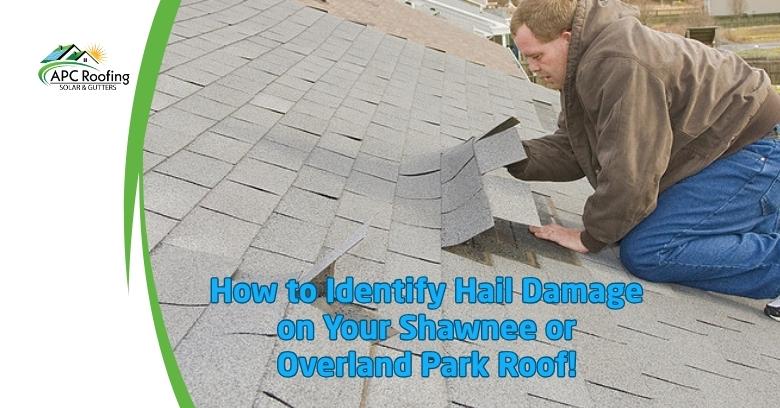
- Hail Damage: Hailstones vary in size, from small pebbles to golf ball-sized chunks of ice and can cause extensive damage to your roof. In extreme cases, these ice projectiles can crack shingles, dent metal surfaces, or even puncture roofing materials. The more severe the storm, the greater the risk of significant damage.
- Wind Damage: High winds are also a significant concern particularly in Florida, where hurricanes and tropical storms are common. Wind can loosen shingles, blow them off entirely, or shift roofing materials out of place. Additionally, strong gusts can damage gutters, cause debris to accumulate, and weaken the overall integrity of your roof.
These types of damage are widespread among homeowners in Orlando, Clermont, and surrounding areas due to the state’s vulnerability to intense storms.
The first step in protecting your home is recognizing the potential risks and understanding how weather can affect your roof.
Post-Storm Claim Preparations
After a storm has passed, your immediate priority should be assessing the damage to your roof.
Before submitting an insurance claim, it is crucial to document everything thoroughly.
Here’s how to start:
- Inspect the Roof: Carefully inspect your roof for visible damage. This might include cracked or missing shingles, dented metal, or areas where the roof has been punctured.
- Take Photos and Videos: Capture clear, detailed photos and videos of all damage. This visual evidence will be essential when submitting your insurance claim and will help validate the extent of the damage.
- Temporary Repairs: If exposed areas or leaks are present, take steps to mitigate further damage. Cover any holes with a tarp or temporarily secure loose shingles. This helps prevent water from entering your home and causing additional damage.
Choosing the Right Roofing Company
Selecting a reliable roofing company is critical for both repairs and facilitating an insurance claim.
When searching for a contractor, use keywords like “roofing companies near me in Orlando Florida,” or “roofing companies near me in Clermont Florida” to find local experts who understand the particular challenges faced by homes in your area.
A local roofing company will be familiar with the frequent storms and will likely be able to provide accurate assessments and fair repair estimates.
Working with professionals specializing in roof repairs and insurance claims is key to smoothly navigating the process.
A reliable roofing contractor can assist by inspecting your roof, providing a detailed repair estimate, and even help communicate with your insurance provider to be certain your claim is handled properly.
Initiating the Roof Insurance Claim
Once you have documented the damage and secured temporary fixes, it is time to contact your insurance provider.
Here’s how to proceed:
- Notify Your Insurance Company: Contact your insurance provider as soon as possible. Many policies require claims to be reported within a specific time frame, so act quickly.
- Provide Detailed Documentation: When contacting your insurer, provide them with all relevant documentation, including the photos, videos, and estimates you have gathered. The more detailed and organized your claim, the smoother the process.
- Record All Interactions: Record all communication with your insurance company. Document claim numbers, the names of representatives you speak with, and any follow-up instructions.
Working with Insurance Adjusters and Estimators
After submitting your claim, an insurance adjuster will be assigned to your claim and an estimator will assess the damage in person.
This is a critical part of the process, as the estimator’s evaluation will largely determine how the adjuster will pay your claim.
- Prepare for the Estimator’s Visit: Gather all necessary documentation and have it ready for the estimator. This includes the photos, videos, and any professional estimates you have gathered. Be prepared to point out areas of concern and explain the damage in detail.
- Be Proactive: The more information you can provide, the better. Ask the estimator questions if you are unsure about any aspect of their assessment. If possible, walk them through the damage and point out all the areas you have documented.
Understanding Your Coverage
Before moving forward with repairs, it is essential to fully understand your insurance policy.
This includes:
- Coverage Details: Review the terms to understand what is covered under hail and wind damage. Different policies may offer varying levels of protection.
- Deductibles and Limits: Be aware of your deductible and any limits that may apply to your claim. These factors can impact the amount of compensation you receive.
- Exclusions: Pay attention to any exclusions in your policy. Certain types of damage may not be covered or specific conditions could affect your payout.
Repair Process
Once your claim is approved, it is time to move forward with repairs.
Work closely with your chosen roofing contractor to finalize the scope of the repairs.
- Confirm the Scope of Work: Make sure that the repairs align with the damage identified in the insurance assessment. The estimate should reflect the actual cost of necessary repairs.
- Choose Quality Materials: The longevity of your roof depends on the quality of the materials used. Do not compromise on quality; confirm that your roofing company uses durable, high-quality materials to withstand future storms.
- Monitor the Work: Stay involved throughout the repair process. Check the progress regularly and confirm that everything is being completed to your satisfaction.
Post-Claim Considerations
After repairs are complete, conduct a final inspection of your roof.
Look for any areas that may have been overlooked or inadequately addressed during repairs.
Conclusion
Navigating roof repairs and insurance claims after hail and wind damage can be daunting; however, the process can be much smoother with careful preparation, thorough documentation and expert assistance.
By understanding the types of damage your roof may face, staying organized with your insurance claim, and working with reliable professionals, you can be confident that your roof is repaired correctly and efficiently.
Moreover, taking the time to understand your insurance policy will help you avoid surprises and ensure that your claim is handled with transparency and ease.
Key Takeaways
- Hail and Wind Damage are the most common causes of roof damage in Florida. Hail causes cracks or punctures and wind causes missing or loose shingles.
- Document the Damage: Take detailed photos and videos of your roof damage before you make an insurance claim. This documentation is crucial in supporting your claim.
- Temporary Repairs: Make temporary fixes, such as covering holes or securing loose shingles, to prevent further damage before the roof repair process begins.
- Choose a Reliable Roofing Contractor: Work with a trusted local roofing company familiar with the challenges of Florida weather, especially if you live in Orlando or Clermont.
- Insurance Claim Process: Notify your insurance provider immediately and provide them with all necessary documentation, including photos, videos, and repair estimates.
- Insurance Estimator Visit: Be prepared for the insurance estimator’s visit by providing detailed evidence of damage and pointing out key areas of concern.
- Understand Your Coverage: Familiarize yourself with the terms of your insurance policy, including deductibles, coverage limits, and exclusions related to hail and wind damage.
- Quality Repairs: Ensure that the repairs meet the standards necessary to protect your home from future damage. Use high-quality materials to maximize durability.
- Post-Repair Inspection: After repairs are completed, inspect the roof to confirm all issues have been addressed.
- Stay Organized: Record all communication with your insurance company and roofing contractor. This documentation can assist in the claims process and avoid confusion.
FAQs
1. What should I do immediately after a storm damages my roof?
- Start by inspecting your roof for damage. Take clear photos and videos for documentation and make temporary repairs (like covering holes) to prevent further water damage.
2. How do I know if my roof has hail damage?
- Look for signs like cracked or missing shingles, dents on metal roofing, or small round marks on surfaces. Hail damage can also be identified by the size and severity of any holes or cracks.
3. How soon should I file an insurance claim after roof damage?
- Contact your insurance company as soon as possible after the damage is discovered. Many policies have time limits for claims, so timely reporting is crucial.
4. What documents must I submit for my roof insurance claim?
- You will need photos and videos of the damage, estimates from roofing professionals, and a completed claim form. Be sure to keep a record of all communications with your insurer.
5. How do I choose a good roofing contractor for repairs?
- Look for a reliable local roofing company with experience handling insurance claims. Check reviews, ask for references, and ensure they are licensed and insured.
6. What happens during the insurance estimator’s visit?
- The estimator will inspect your roof to assess the extent of the damage. Provide all documentation and point out any areas of concern so that they are considered in the evaluation.
7. What should I look for in my insurance policy?
- Review your policy’s hail and wind damage coverage, including the deductible, coverage limits, and any exclusions. This will help you understand what is covered and what you may need to pay out-of-pocket.
8. Can I make repairs before the insurance adjuster arrives?
- It is okay to make temporary repairs to prevent further damage, but avoid making permanent repairs until the estimator has completed their inspection. Always consult your insurance company for guidance.
9. How long does it take to get my roof repaired after a claim?
- The timeline can vary depending on the severity of the damage, the roofing company’s availability, and the insurance claim approval process. Repairs typically take a few days to a week, but more extensive damage may take longer.
10. What can I do to protect my roof from future storms?
- To keep your roof in good condition, consider installing impact-resistant shingles, reinforcing roof seals, and regularly maintaining it. Ask your roofing contractor for recommendations on storm-proofing measures.