Trying to Find Storm Damage Roofing on a Family Home in Palm Coast Florida?
APC Roofing walks a slope after a hard night outdoors, checking every edge and photographing what is there.
Reach us at 386-356-2111 to arrange a visit from a roofer.
A Roof Shaped by Moving Air: Not Spread Out Evenly
Pressure concentrates at the eaves, the rakes and the ridge, and a wide open middle takes far less punishment. Air slipping beneath a raised lip pushes upward on the shingle set over the lip, and a fastener beneath a shingle is left holding on unaided.
A corner of a house sits where two paths of wind meet, and hardware spacing shrinks at that point on a well-built roof. A course beside a structure's outside edge bears a heavier load than a course out in the open, so extra fasteners there exist for exactly that reason.
The Detail Heat Completes: Not Done at the Factory
A bead of adhesive runs beneath every shingle, which is what keeps a shingle from lifting in a light breeze. A hard gust can break a bond across a stretch of roof, and the shingle shows no gap at all.
Nothing announces a broken seal until the wind comes back, and moisture finds fasteners a tight course used to shelter. A lone row loosened from a bond changes little alone, but a whole run of parted shingles is an opening for the weather.
The Rating on a Bundle – What Gets Left Out
Technicians secure factory-fresh material to a sample and close every seal, and moving air is then driven across the surface at a measured speed. A roof already carrying a season or two of harsh weather no longer behaves like unweathered asphalt, so an early rating speaks to day one, never to a roof much later.
A fastener placed high of the nailing band grips a smaller area than a maker intended, and a section can then give way at a wind speed below the figure on the wrapper. Long exposure to sun leaves asphalt beneath the granules stiffer than new, so a rating measured on fresh stock says little about a roof carrying years of weather.
A Bruise in a Shingle's Mat – What the Eye Misses
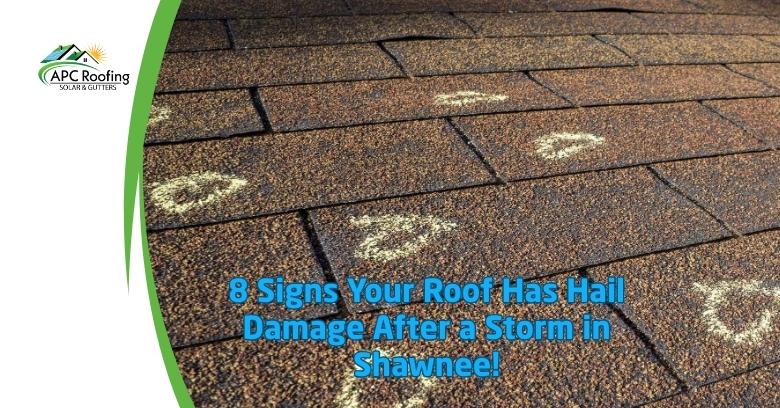
At the colder end of our territory, stones fall heavier than anywhere else we cover, though a milder shower still reaches every market we serve. A strike drives surface granules down into the asphalt underneath, so a hollow forms where the surface gave way.
A saturated inner core actually keeps rain out of a roof, and a dent at that depth reaches the material that matters most. A hit section of a shingle ages on a shorter timeline than a sound section nearby, and a roof weakens in patches rather than all at once after a wide hailfall.
What Else Takes a Beating – Damage With No Warning
Impact a shingle survives leaves a mark on a metal cap, and a mark like that does not heal the way flexible siding might. A split boot at a plumbing stack lets water run down the outside of a pipe, so a stain indoors turns up close under the opening. Marks on a gutter's surface rarely stop a gutter from working, but a flattened downspout holds a run's water behind a flattened point.
A marred cap, a marked fascia and a pockmarked drip edge all get read together, and every mark gets photographed along with the shingle damage. Small dings in the metal and craters in the asphalt tend to come from a single storm, and the state of that hardware often hints at how hard the shingles were struck.
What Ends Up in a Downspout: Worth a Second Glance
Small stones pressed into a shingle's face shield the material beneath the surface, because an uncovered stretch dries out and cracks quickly. Heavy rain sweeps freed grains down toward a downspout outlet, so a drift of sand at that point tells a roofer something worth knowing.
A shingle stripped of a protective coat starts to curl at the edges, and a covering left that way begins to fail in scattered places. Sand in a gutter run is material the roof no longer carries, so a look at that spot after a storm is worth the effort.
Driven Rain on a Slope: a Different Kind of Path
A shingle's lap directs a vertical descent down across the surface, so an angled gust finds a route no course was designed for. An open soffit can draw damp air upward into the attic space, which reads indoors like a fault in the shingles that is not really there.
Debris From a Tree – Small Mark, Real Harm
A hard knock concentrates pressure into a tight area, and the framing takes the full brunt of that force. A plank can fracture with little sign of damage on the visible surface, and daylight or a flashlight from below often finds what the surface hides.
Limbs raking a roof leave sweeping lines of exposed asphalt along the way, and the outline stands out clearly once the pattern is known. Fixing a split board means taking the covering off above the split, which is why a small hit can turn into a larger job.
What the Attic Shows: Seen From Below
A gleam between the boards signals a gap somewhere in the covering, and the location is clear well before anyone climbs onto the roof. A wet section of decking darkens and rust often follows at fastener tips, and following that mark upward usually leads to where water first got in.
A hollow pressed into batting shows a place where drips keep falling, because crushed fibers hold far less warmth than fibers left airy. Wind forcing air through an opening can carry moisture well past the covering, and knowing that is worth confirming before anyone opens the slope.
Down Where People Live: Reading the Stain
A discolored area forms where a drop of rain finally let go, and the true entry point can lie well uphill of the visible blemish. Bubbling up above means the finish has separated from the board beneath, and appearance on that surface says almost nothing about the size of a break.
A drip at a fan or a light is reason to cut the breaker without delay, and only after that switch is confirmed off does the cleanup begin. A dark patch next to a chimney chase often shows moisture running down against the masonry, and the reglet sawn into the brick is examined as part of the same check.
Metal at the Joints: Quietly Doing Real Work
Counterflashing set into masonry has to pin an apron in place at the same time, and one weak point undermines the protection for the entire span. Wind lifting a rake edge can peel that length of metal back off the trim underneath, and the row along that run then has nothing holding the end down.
Caps at the top of a roof face turbulence from both directions at once, so the seam gets no protection at all in that area. A raised end on a vent lets rain slip in under the baffle, and framing well beyond that single spot can end up soaked as a result.
Openings for Daylight – Where Leaks Start
The frame under a skylight stands above deck level on purpose, and shingles lap onto the sides of that structure in order. A hailstone can star the top layer of glass and leave the lower layer whole, so the entire assembly gets replaced together.
A dome hit by a falling branch can crack as force travels through the material, and a fracture from one storm can keep growing after that storm passes. Moisture trapped between the panes of a sealed glass unit means the edge seal has failed, and that fixture gets swapped rather than dried out.
More Than a System Can Take: What Overflows and Why
A cloudburst can push more water at a trough than that trough can hold, which sends standing water toward the wall rather than clear of the house. Buildup at a drop point can turn an entire drain line into a stagnant pool, so weight from that backup can pull at the brackets holding a length in place.
Not the Final Answer: What Stays On
Anything secured over a break can protect a house until the weather clears, because anything temporary is meant to come off once real repairs begin. A covering battened along every edge stays firm without further help, and every nail for that task goes through solid wood, never through the covering alone.
Anything simply sitting on top can leave with the next hard blow, and debris from that failure can end up scattered across the yard. Every penetration made in haste becomes one more spot to seal properly, and fastening for a cover stays confined to the area already broken.
Keeping Everything in Order – Length and Extent
The state of the house gets captured on camera while conditions are still current, and the record shows the roof exactly as things stood after the storm. Comments in everyday language accompany a description of each spot, and a ruler answers what the eye alone cannot.
Weather keeps working on an open roof within days of a storm passing, so waiting even a little loses detail nobody can get back afterward. Any review of the property draws on findings written up in ordinary language, and the record describes the roof, and nothing beyond the roof.
A Line of Unmarked Rigs: a Few Plain Questions
Crews from far away can show up in numbers soon after severe weather, and a share of that traffic does solid, honest work. A deal reached at a front door carries the same weight as one signed indoors, so a careful reader takes that stack of pages inside before making any commitment.
A business rooted in the area tends to stay put once a season passes, and follow-up down the road stays possible with that kind of outfit. A deal that cannot survive a single night of thought is not worth taking, and a reliable roofer has no trouble giving a homeowner time to decide.
Another Blow Lands: Back Again
A slope carrying broken seals meets the next gust already at a disadvantage, and each following round can claim more than the round that came first. A fold formed in one storm marks a weak line that never fully disappears, which no amount of resealing along the edge actually cures.
A path opened by one storm lets the next storm's water travel further, and the list of materials still needing work can lengthen quickly. Plywood swollen and dried repeatedly holds a nail less firmly with each cycle, and new material fastened there in that state will not hold securely either.
Signs Worth a Call to a Roofer: Notes Worth Keeping
- Shingles out of line on a single plane, on any elevation of a house.
- A dimpled fascia cover or downspout, still evident long after weather has passed.
- A heap of mineral grains under a spout, in amounts that keep returning.
- A visible gap in a deck seen from inside, with an attic lamp switched off.
- A brown ring on a ceiling that grows after rain, however small a mark looks at first.
- A soft spot in the wallboard near a corner, appearing only after heavy weather.
- Water standing on the inside of a skylight frame, whether or not the covering nearby is torn.
- A length of gutter holding trapped water, on the side that took the wind.
The Way APC Roofing Works on Storm Damage Roofing in Palm Coast Florida: Plainly Explained
An inspection begins outside, along the lawn and the drive, before anyone climbs, and scattered wreckage gets a record made before any cleanup starts. A roofer moves across every plane that can be walked safely, and a flashlight goes over the rafters from the attic hatch.
The pictures and dimensions go into a plain account kept on file, and anything uncertain gets marked as uncertain rather than guessed at. The advice gets explained, not simply stated as a conclusion, and the decision on what happens next stays with the homeowner.
Storm Damage Roofing for a House in Palm Coast Florida: Getting a House Sound Again
Call us at 386-356-2111 to arrange a visit.
Snow Over the Shingles: Standing Up to More
The colder end of our territory sees falls deep enough to press down on the framing, which strains the wood beneath more than fresh powder would. A frozen edge at the gutter line can trap runoff on the slope higher up, and a downspout assembly can come down when solid buildup pulls hard enough.
At the colder end of our territory, valleys and the sides of a dormer fill well past the general depth, and pressure in that spot concentrates well beyond the surrounding area. Material breaking free can damage anything sitting beneath the eave, so keeping the ground clear beneath that overhang is worth doing.
Quicker Aging by the Shoreline: Hardware That Fails First
At the coastal end of our territory, a tropical system can settle over a house for most of a day, longer than a short spell anywhere else in our service area ever would. A drawn-out shove can flex every shingle tab thousands of times over a day, and failures can multiply the more that sort of weather lingers.
Spray blown against a wall can find every lap in the exterior finish, and the attic is far from the only place moisture like that turns up. Along the coast, roofs typically go on with extra fastening at rakes and eaves, so replacement pieces go on using the stricter local pattern.
A Fix That Blends In – How Close a Repair Can Get
Granules fade with age, so freshly made stock looks noticeably brighter, and nothing leaves a factory looking weathered. A mended area on a visible elevation can show up as a distinct patch, though a season or two eases some of that mismatch.
Shingles no longer manufactured get swapped for the nearest equivalent, which is worth knowing before work begins. Where one face of a house carries too many separate repairs, a patchwork look sets in, and doing one full side fresh looks far more deliberate than a piecemeal approach.
Signs of Careful Work – the Details That Hold Up
A mended section sits down without any visible ridges, and the courses carry straight across the seam between old and new. Metal at a wall gets tucked into place rather than glued to the surface, and the overlaps alone do the real work of keeping water out.
Nail heads stay out of sight beneath the next course laid over that spot, which is what a wind rating assumes will happen. A dated photograph of a finished repair is worth a homeowner keeping on file, since later wear can be judged against a clear starting point.
If a search for Storm Damage Roofing brought you here after a storm in Palm Coast Florida, phone APC Roofing at 386-356-2111 to have the shingles looked over in person. The covering gets gone over, measured and pictured from every angle, and what happens next gets explained in plain language.
Verified

Verified
Verified
Verified