Asking About Storm Damage for a House in Palm Coast Florida?
APC Roofing walks a slope after a hard night outdoors, checking every edge and photographing what is there.
Reach us at 386-356-2111 to arrange a visit from a roofer.
Airflow Over a Sloped Roof – Reading the Uneven Pull
The greatest pressure gathers at the eaves, the rakes and the ridge, while an open middle section stays comparatively calm. Blowing air reaching under a curled tab pushes on the course set above the tab, and a single fastener ends up holding that shingle down alone.
A house corner throws wind into small eddies, and hardware spacing shrinks at that point on a well-built roof. A row of shingles at that outside edge carries more push than a row set farther out, which is why a crew raises the fastener count there on purpose.
A Last Step the Sun Finishes: Left to the Weather
Asphalt shingles carry a line of sealant that fuses down to the row set beneath, which is what keeps a shingle from lifting in a light breeze. A sharp gust can tear a bond apart across a length of roof, while a section with a frayed seam still looks untouched from the ground.
Nothing announces a broken seal until the wind comes back, and moisture finds fasteners a tight course used to shelter. A single shingle adrift on a wide slope is a small matter alone, while a broad run of parted shingles is a serious gap.
What a Bundle Label States – What Gets Left Out
Technicians secure factory-fresh material to a sample and close every seal, after which a fan runs air over the surface at a set rate. Years of sun and cold change how a shingle performs compared with the shingle's very first months in place, and a rating drawn from the original goods stops counting once weather sets in.
A nail set too far up misses the layer a shingle relies on for a full hold, which puts the actual limit under a label's stated figure. Heat and cold cycles work a shingle's mat until stiffness sets in, and a laboratory rating fits new construction, never an older roof.
What a Hailstone Does to a Roof: More Than a Dimple
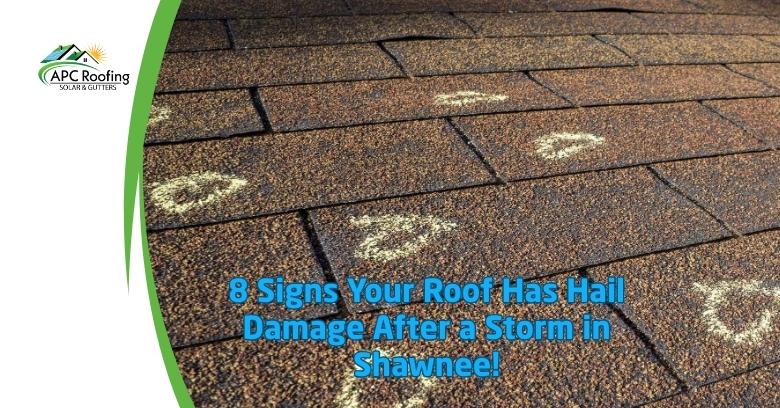
At the colder end of our territory, spring storms drop the heaviest stones, while milder weather reaches every other market too. A strike drives surface granules down into the asphalt underneath, leaving a tender patch that feels different from the sound surface nearby.
The core doing real waterproofing lies under a shingle's visible face, which is why a weak spot at that depth matters most. A hail-marked shingle gives up service life sooner than a sound shingle nearby, and a slope carrying many such spots fails unevenly over time.
Hardware That Also Suffers: Easy to Walk Past
What a thick shingle takes without complaint can bruise a light-gauge trim piece, and a mark like that does not heal the way flexible siding might. A boot opened by a strike lets water follow a pipe downward instead of around a pipe, so a stain indoors turns up close under the opening. A dented gutter can still carry water as designed, but a flattened downspout holds a run's water behind a flattened point.
A pitted vent cap sits alongside a dimpled fascia and a scuffed drip edge on one visit, so nothing made of trim is left out of a written record. Trouble in the metal fixtures seldom arrives without a shingle nearby in equally poor shape, and neither kind of damage shows up alone.
What Ends Up in a Downspout: More Than Dirt
Crushed rock on a shingle's surface stands between sunlight and the asphalt below, because an uncovered stretch dries out and cracks quickly. A hard rain washes displaced grains all the way to a gutter, and a heap of sand there says a great deal about the slope above.
A shingle stripped of a protective coat starts to curl at the edges, so a minor patch grows into a larger fault over time. Coarse sand sitting in a trough came off a shingle not long before, so the next question is simply which face shed the most.
Rain That Arrives Sideways: Where Water Is Not Meant to Go
An overlap performs because whatever comes from overhead obeys gravity, and a lateral shove from a strong gust upsets that assumption completely. Off-ridge vents let spray past open baffles once wind picks up, and nothing on the covering needs repair from an event like that.
A Falling Limb – Weighing the Impact
Momentum arriving fast concentrates weight in one tight spot, which puts extra strain on whatever framing lies beneath. Sheathing under a strike can split while the shingle above shows only a graze, and the underside tells a roofer what a glance from above cannot.
A branch dragged across a roof by wind scours curved tracks through the granules, and the mark is lighter than the surrounding material. Fixing a split board means taking the covering off above the split, which is why a small hit can turn into a larger job.
Signs Inside the Attic: Simple to Follow
A gleam between the boards signals a gap somewhere in the covering, and noting the location from within saves time once outdoors. Moisture leaves rust at nail tips and a darkened trail through the wood, and following that mark upward usually leads to where water first got in.
A sunken patch in loose fill points to a regular drip somewhere overhead, and the fibers rarely spring back once squeezed that way. A driven shower through a vent can wet framing at the gable end, so nothing on the covering needs disturbing at all in a case like that.
What a Bubbling Ceiling Says: Reading the Stain
A discolored area forms where a drop of rain finally let go, since water can travel the framing for feet before letting go there. Blistered coating shows paint pushed away from behind by trapped moisture, and the size of a stain has little to do with the size of the opening above.
Water near any electrical fixture is reason enough to cut power at the breaker, and only after that switch is confirmed off does the cleanup begin. Dampness at the top of a wall adjacent to a chimney can run down inside the chase, so counterflashing set into the mortar gets a close look in a case like that.
Thin, Exposed and Essential – Small and Critical
Every wall unit up there is fastened and lapped at the same time, so pressure acting under a slack seam undoes both requirements at once. Wind lifting a rake edge can peel that length of metal back off the trim underneath, and the covering can begin to unzip from that corner inward.
Ridge-cap fasteners bite directly into the deck beneath the caps, so the seam gets no protection at all in that area. A vent unfastened at one end can rattle loose in a following gale, and the mess found below often spreads well past the point of entry.
Openings for Daylight – Where Leaks Start
A built-up curb keeps the glazing above the level of the covering, so runoff gets sent aside long before reaching the seam. A blow can shatter the outer glass of the unit and spare the inner one, and the assembly comes out complete rather than in pieces.
Debris striking a plastic dome can leave a pattern that spreads with heat, and dampness can end up dripping into the shaft as seasons pass. A misted panel between two layers of glass is beyond ordinary cleaning, and the surrounding curb is a separate matter from that fault.
When the Rate Climbs Too High: Reading the Signs
A sudden downpour can pass along more volume at once than a trough can handle, so the excess spills across the fascia and onto the ground below. Buildup at a drop point can turn an entire drain line into a stagnant pool, so weight from that backup can pull at the brackets holding a length in place.
An Interim Measure: Made to Stay Put
Anything secured over a break can protect a house until the weather clears, and that covering is never the end of the job. A covering carried past the peak and pinned on each face sends water away, and screws for that step land in framing, not merely in the covering.
A sheet weighted rather than tied down can lift the moment the wind returns, and debris from that failure can end up scattered across the yard. Every penetration made in haste becomes one more spot to seal properly, so a roofer plans exactly where every screw for that cover lands.
Putting Findings on Paper: Useful Later On
Photographs are taken of the whole house while conditions still match what a storm left behind, and nothing gets tidied up or moved before that record is made. Dimensions get written down beside each damaged spot on a visit, because a mark's true size is hard to judge without a reference point.
Weather keeps working on an open roof within days of a storm passing, and marks seen now may look different again next week. Anyone reviewing the file sees the same pictures and notes a homeowner already has, and the record describes the roof, and nothing beyond the roof.
When Everyone Arrives Together – Slow Down Before Signing
Canvassing teams can appear on a block within a week of a bad night, and a portion of that traffic disappears once the season ends. A document filled out on a porch becomes a binding paper on the spot, which is reason enough to ask for a copy to review overnight.
A firm listed at a local address remains easy to reach later on, and follow-up down the road stays possible with that kind of outfit. Pressure to sign a contract before anyone has been on the roof is worth resisting, and a reliable roofer has no trouble giving a homeowner time to decide.
Weakness That Compounds: Picking Up Where Things Left Off
Shingles that have already let go once are more likely to go again, and less force is required with each fresh round of damage. A shingle folded once in a strong wind carries a crease from that event onward, which no amount of resealing along the edge actually cures.
A path opened by one storm lets the next storm's water travel further, and the list of materials still needing work can lengthen quickly. Delamination can begin wherever dampness settles between the layers underneath, and covering over material in that condition wastes the new stock used.
Marks Worth a Closer Look: Notes Worth Keeping
- A course lifted clear of the row beneath, easy to spot from a sidewalk.
- A pitted cover on a stack or a vent, with a shape that holds for a long time afterward.
- A heap of mineral grains under a spout, heaviest right after a hard rain.
- Light where there should be none up top, with an attic lamp switched off.
- A wet patch upstairs that returns again and again, often in a top-floor room.
- Wetness at the top of a wall beside a chimney, drying out between storms.
- Glass in a skylight chipped or broken, or daylight showing where the unit meets the roof.
- Gutter spikes backed partway out of the wood, where a fall has gone visibly wrong.
How APC Roofing Takes On Storm Damage in Palm Coast Florida: Plainly Explained
Our roofer opens with a slow circuit of the house from ground level, and whatever landed from above gets recorded on the spot. A roofer moves across every plane that can be walked safely, and a flashlight goes over the rafters from the attic hatch.
The results get measured, pictured and set down in writing for the file, and each page gets built so a reader can trace every point on the house. What gets proposed comes with the reasoning spelled out, and nobody presses a homeowner toward one option over another.
Storm Damage Across Palm Coast Florida – Help From People Who Know Shingles
Phone 386-356-2111 and describe what is showing up indoors.
Snow Banked on a Slope – Ready for Tougher Conditions
Out at the colder end of our territory, a large fall remains on the rafters well after the weather has moved on, so the load stays in place long after the clouds clear. Frozen runoff at the roof's edge can pond meltwater on the slope, which the membrane at that edge is meant to guard against.
At the colder end of our territory, drifts pile up in valleys and beside dormers, and pressure in that spot concentrates well beyond the surrounding area. A slab breaking loose can take a gutter down in one motion, so keeping the ground clear beneath that overhang is worth doing.
Extra Wear Near the Shoreline: Hardware That Fails First
The coastal end of our territory sees systems that last from morning into evening, longer than a short spell anywhere else in our service area ever would. A drawn-out shove can flex every shingle tab thousands of times over a day, and a covering can give way to wind late in an event that started far milder.
Rain driven sideways can get behind siding as well as under shingles during a hard storm, so a sound roof can still let water indoors even after conditions calm down. Coastal practice generally asks more of every roof edge, so nothing gets put back with less holding power than the original had.
Bringing In a New Piece – What Stands Out Up Close
Even identical products change tone after years spent outdoors, and nothing leaves a factory looking weathered. A mended area on a visible elevation can show up as a distinct patch, and that contrast tends to soften somewhat as the new shingles settle in.
Where the original product is gone, the closest current shape takes over, and the outline rarely lines up with total precision. Scattered repairs across one plane tend to stand apart from a distance, so a homeowner sometimes chooses to redo one full side instead of patching further.
Signs of Careful Work: Nothing Left Loose
The row over a repair sits flush against the deck below, and the exposure lines up with the older courses nearby. Each flashing piece laps the piece set lower on the slope, which is what lets the whole assembly shed rain properly.
A fastener lands in the strip built to receive a nail, so nothing on that work is left open to the weather. A picture of a fixed section during the first week is worth filing away, since later wear can be judged against a clear starting point.
If a search for Storm Damage brought you here after a storm in Palm Coast Florida, call APC Roofing at 386-356-2111 to arrange for a roofer to come out. The covering gets gone over, measured and pictured from every angle, and any question that comes up gets answered on the spot.
Verified

Verified
Verified
Verified