Weighing Asphalt Shingle Roofing Anywhere in Ozarks Region Missouri?
APC Roofing puts down granule-surfaced coverings from the deck up on ranch homes, two-story houses and detached garages.
Call us at 913-398-5020 and someone will come out and explain what is up there.
Components and Construction: The Makeup Explained
Strength in a shingle comes from a glass-fiber mat, while an asphalt coating keeps water out, and stone granules pressed into the upper face block sunlight.
Seemingly similar products often follow very different recipes, and extra material usually means longer wear. A swatch offers the look and nothing more, but a specification sheet names the ratings.
Flat or Dimensional – Setting Them Apart
A three-tab piece has one layer and two notches that divide its face into tabs, and the result is a regular brick-like pattern. An architectural shingle has an irregular top ply fused to a whole base, and the offset design reads as depth from the street.
Thicker double-layer shingles weigh more across a slope, and a stronger wind class is commonly assigned. On a two-layer shingle, fasteners belong in the band where both plies overlap, and most manufacturers print guide lines there.
The Case for Strip Shingles – A Smaller Selection
Three-tab regularly serves a workshop, a garage or a porch, and an addition can blend with an older covering of that type. Makers have pared back their tabbed lines, and a favorite shade may be gone for good.
Laminated shingles hide small dips in an older deck better, whereas straight single-ply lines reveal each flaw. The two styles share the same underlayment and edge metal, so the difference lives entirely in the top layer.
Aging of the Top Coat – Early and Late Stages
Shingles fresh from the bundle drop leftover grains in their opening months, and nothing about it signals a defect. Heavy grit at the downspouts of an older covering means the protective coat is thinning, and asphalt left bare hardens and fractures in the heat.
Southern and western slopes absorb the hottest light, so the black asphalt often shows through there sooner.
Self-Sealing Designs: Early Weeks
Glue is applied to every shingle at the plant as a narrow stripe, and warm days melt it just enough to anchor the next row. Adhesion keeps air from getting under the exposed edge of each course, but nails remain the main fastening for the life of the covering.
On a chilly job at the colder end of our territory, sealant may sit inactive until spring, and a stiff wind can raise a loose tab before then. For such work the makers' directions call for asphalt cement under each piece, and each bundle label marks the right locations.
Placement on the Shingle: Tools and Technique
Nails land in a slim target stripe laid out by the manufacturer, where each shank pins the row below as well. Most shingles take four fasteners apiece, and high-wind or steep work moves the number to six.
A nail set too high misses the row underneath, an overdriven head slices the fiberglass, and a cocked shank raises a hump in the shingle overhead. Every wind rating on a wrapper presumes the pattern was met, while a bad compressor setting repeats itself on every shot.
What Supports the Covering: Types and Condition
A deck of plywood or OSB lies beneath every shingle, since fasteners must bite into something continuous. Older houses sometimes keep the gapped boards once used under shakes, so a layer of sheathing comes before shingles.
Once the old covering is off, any soft or delaminated section is cut out and swapped for sound decking, since a shank in crumbling fibers cannot hold. A small gap is left between neighboring panels, because swelling in damp seasons buckles anything laid too tight.
Old Paper, New Fabric – What It Does
A water-shedding membrane covers the deck ahead of the shingles, and it goes on in overlapping runs starting at the eave. Most roofers now use synthetic sheet instead of felt, because the woven fabric resists tearing and stays flat when damp.
Rain that gets past a damaged shingle drains across the membrane rather than into the deck, yet leaving it bare for long shortens its useful life.
Membrane at the Eaves: Trapped Runoff
At the colder end of our territory, snow over heated rooms melts even on a sub-zero day, and meltwater goes solid again where the roof extends past the wall. Standing water behind the buildup finds its way beneath the shingles, and nails through ordinary underlayment give it an easy path.
Where ice dams form, building codes require an adhered membrane at the eave, and it reaches up the slope past the inside line of the exterior wall. Everywhere in our territory, it is also a regular choice for valleys and around chimneys, as water collects and lingers there.
Finishing the Borders: Under and Over
Every eave and rake gets a formed strip of metal, so the fascia stays dry. At the bottom of the roof, the flashing goes beneath the underlayment, while on the gable ends the sequence is flipped.
A modern code commonly calls for edge metal along every border, because runoff can cling and curl back toward the wood.
Beginning at the Gutter: A Common Shortcut
A starter strip goes down beneath the first visible course, so tacky asphalt ends up at the very brink of the deck. A field piece set backward carries its adhesive uphill, out of reach, so the outermost tabs are pinned by nails only.
Makers often specify a starter product up the gable sides too, because suction acts along the outer rims.
Junctions of Adjoining Planes – Methods Compared
An open valley leaves a metal trough visible in the middle, and the closed-cut type carries one side's courses through while the other side is cut back. Interlacing rows from each plane suits single-layer products, though dimensional shingles rarely take to it because of their bulk.
Nailing close to the fold is avoided, and a waterproof underlayment is laid beneath along the full run. Leaves and pine needles that settle in a valley hold moisture against the shingles, so water starts finding a path under the sides.
Masonry Connections – Chimney Aprons
Every course that meets a wall gets its own folded step flashing, and the exterior finish hangs down across the standing half. Where the eave stops against the house, a kickout diverter goes in, because otherwise rain soaks the framing.
A chimney gets an apron across its front, steps along its sides and counterflashing let into the mortar joints, and a large stack gets a saddle that sheds water both ways.
Roof Penetrations: Timing a Swap
A pipe boot is built from a flat base plate and a stretchy neoprene collar, and ultraviolet exposure dries the gasket out and cracks it. The upper half of the flange tucks beneath the shingles above, and the bottom margin stays exposed so rain rides over it.
A cracked collar is common on a covering that is otherwise sound, and new boots are standard whenever the shingles are replaced.
At the Summit – Final Courses
A line of cap shingles covers the ridge and the hips, and laminated work calls for the maker's coordinated accessory. Improvised pieces from cut tabs are lighter and thinner, and in a hard freeze at the colder end of our territory the bend can split.
A ridge vent often runs beneath the cap row, and nail length is chosen to pass that gap and grip the boards.
Circulation Upstairs: Common Problems
Intake openings in the soffits let cool air in near the bottom, while an exhaust at the peak lets it escape. Insulation blown tight against the outer walls can choke the flow, and baffles stapled between rafters maintain a clear lane.
An attic holding in heat warms the deck from underneath, and moisture from the living areas lingers up there. At the colder end of our territory, frost can coat every protruding nail, and it drips onto the insulation once the day grows mild. Adding a fan to an attic that already has a ridge vent can reverse the intended path, since the draft takes the quickest route rather than sweeping the whole space.
Across Our Range – Sunlight and Storms
The metros we serve run from freezing uplands to steamy lowlands, and each setting wears on asphalt differently. At the coastal end of our territory, hurricanes bring spells of fierce wind, and product sheets set out an enhanced nailing method. Months of intense sunshine slowly bake the binder, and moist air lets algae take hold.
At the colder end of our territory, each overnight freeze works on any opening, and the weight of drifted snow adds its own strain.
Stones Out of a Thunderhead: Surface and Below
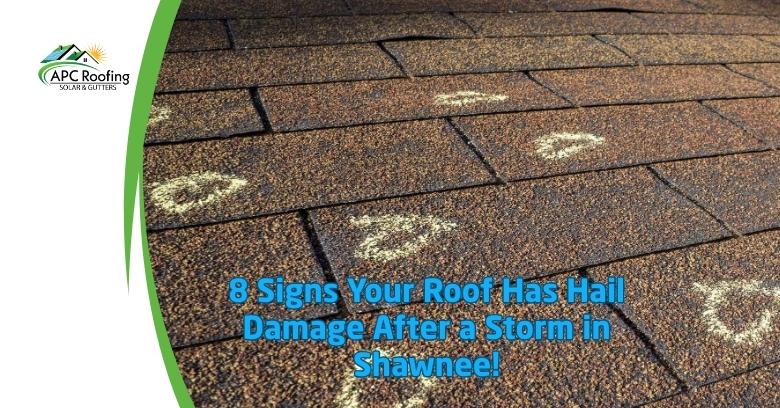
At the colder end of our territory, hail arrives most years with the thunderstorms, so shingles designed to resist impact are widely sold. A strike scatters the grit from a small round area, while a heavier blow may bruise right through to the mat.
Laboratories rate impact resistance by dropping steel balls from set heights, and a higher grade means passing a tougher trial. Rubber-modified asphalt is common in these designs, and the extra give absorbs part of each blow.
Strong Gusts – Putting Things Right
The border of a roof and its corners see the greatest upward force, and a loose shingle rises and slaps back down. A tab bent far back keeps a mark along the fold, and the break in the mat will not heal. Pieces left in that condition are taken out and replaced, but a piece that simply came unstuck can be glued down by hand.
Blown-off tabs leave the underlayment uncovered, and ultraviolet rays wear it down fast.
Roof Growth: Cause and Care
The inky bands seen on so many houses come from algae, and it thrives on the limestone mixed into the asphalt. At the humid end of our territory, the shady side of a building is where it spreads, though the staining does little harm on its own.
Moss matters more, since it keeps the courses damp, and as clumps thicken they wedge the tabs upward. A pressure washer blasts granules off along with the growth, while a cleaner applied gently loosens the film. Some lines carry copper in the top layer to resist algae, while a strip of zinc at the ridge helps keep the stains from returning.
What the Color Changes: Mixing Bundles
A black or charcoal covering absorbs more of the sun's energy, while a light gray or tan stays cooler. Certain companies make granules designed to scatter infrared rays, and the share they return is listed.
The look can drift from one manufacturing lot to the next, so shingles from several bundles are mixed as the courses go on. Variegated patterns make those changes hard to see, whereas a single flat shade gives them away.
Climbing Onto the Courses – Frost and Footing
On a hot afternoon the coating turns soft, so treads rub the stone off in patches. At the colder end of our territory, cold tabs grow brittle and crack when stepped on, while dew that freezes overnight leaves a slippery glaze.
Owners do best to stay off the ladder altogether, since a zoom lens on a phone catches a lot.
Laying Over the Old Covering: What Gets Missed
A re-roof over a prior roof is legal in many towns, as long as there are not already two and the base is sound. Nothing about a layover uncovers the decking, which means damage stays trapped under fresh shingles.
Curled edges underneath leave a lumpy look on top, and weathered flashings are often reused rather than replaced. Two layers put more pounds on the rafters than they were planned to hold, and the nails have to be long enough to pass through both into the deck.
Things That Turn Up: Outside and In
- Granules pile up in the gutters, and the drifts get deeper each season.
- Gaps appear where pieces have blown off, so the adhesive strip has given way.
- The lower margins cup into a shallow dish, and the asphalt is drying out.
- Cracks run across the tabs, and moisture soaks into the mat.
- Some spots look dull and flat, where the stone coating has worn off.
- The gasket at a vent has shrunk away from the stack, so moisture can track down inside.
- Flashing at a chimney has lifted off the brick, so a downpour can run in underneath.
- A stain spreads across the ceiling of an upstairs room, even though the leak may start far from the spot.
How APC Roofing Goes About Asphalt Shingle Roofing in Ozarks Region Missouri – Plain Talk, Clear Photos
An inspection first covers every slope on foot, and the details at every valley, vent, flashing and edge are read. The attic is checked from inside for stains and light coming through, since the underside of the deck keeps the marks of any old leak.
Anything wrong is photographed, and damage is measured where size matters. Everything found is set down in writing, and every recommendation comes with its reasons. Small faults are labeled as small, and a failing covering is not dressed up. The choice is the owner's, whether that means a repair, a replacement or waiting.
Asphalt Shingle Roofing Around Ozarks Region Missouri: Straight Answers From Up Top
Dial 913-398-5020 to have someone come out.
Keep or Tear Off – Matching Old and New
Trouble at a boot, a flashing or a few scattered tabs is normally dealt with by a repair, and the rest of the shingles stay where they are. New pieces will not match weathered ones exactly, and the original product line may have been discontinued.
Stiff, dried-out shingles split when raised for nailing, so a small job can spread to the pieces next to it. When curling edges and bald spots cover most slopes, a full tear-off is the honest recommendation.
How Long Shingles Last: Care Along the Way
Flat three-tab designs usually run fifteen to twenty years, while architectural lines can go well beyond that. Attic airflow, sun exposure and the quality of the nailing move that figure, and a severe storm can cut a covering's life short.
Boots, flashings and sealed joints are worth checking every few years, because small faults caught in time never reach the deck.
If you are thinking about Asphalt Shingle Roofing in Ozarks Region Missouri, reach APC Roofing at 913-398-5020. Each slope is walked and every detail checked, and a written report leaves the choice with you.