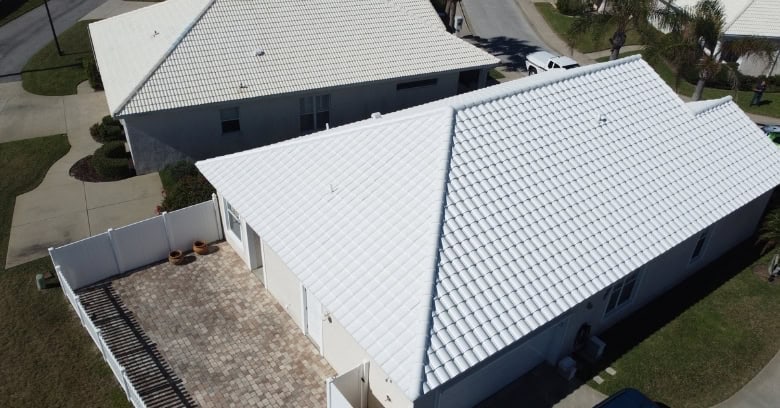
Need Roofing Companies in Ozarks Region Missouri?
APC Roofing covers everything from a routine checkup to a complete replacement, across asphalt, metal and tile alike.
Dial 913-398-5020, and a roofer sets a time to come look at the house.
The Roof's Working Parts: What Holds a House Together
The shingles or panels on top form the outer layer, and underlayment, decking and rafters sit beneath the surface. Bent metal covers the gap at a chimney, a pipe or a valley, and water there rarely traces back to worn shingles close by.
The space under the sheathing works as a component of the roof, too, as heat trapped under the boards shortens the life of the shingles above. A stain on an upstairs ceiling can trace back to any level of the roof, so attention paid only to the outside can miss where the water entered.
The Jobs a Roof Performs, Component by Component
Gravity and overlap send each shower to the ground, while nails and seal strips resist the pull of gusts. The framing bears the load above, snow included at the colder end of our territory, and intake and exhaust let the attic breathe.
Water is a job for the covering, and wind is a task for the fastening, while what is underneath answers for holding the roof up, unnoticed. A weak link puts strain on the parts around the weak spot, so the trail gets followed back before anything gets mended.
The Minor Pieces of a Roof: Different Timelines
An asphalt surface is expected to serve for decades, but the flexible seal around a stack splits well before the shingles do. A path opens for water to travel down into the house, and a ring shows up on the drywall beneath.
A line of caulk at a chimney shrinks with every hot season, and steel flashing corrodes from trimmed edges inward. The capping pieces craze down the center, as nothing shelters the peak from gusts and glare.
What Appears Early: What Turns Up at Each Point
Seen from the sidewalk, the shape of the roof shows dips, sags and wavy planes, and the eave boards and downspouts can be sized up as well. A pair of binoculars brings collars, lifted tabs and bare patches into focus, but a weak spot underfoot tells what optics cannot.
Once on the roof, a roofer checks every connector closely and follows the flashing at each wall, and every course is checked for edges that have come loose. Nobody walks a covering that is wet or too steep, and the eave line, reached by ladder, becomes the vantage point.
Above the Ceiling: a Homeowner's Tour
A dark ring on the sheathing shows water has come through, and a clammy touch means the problem is ongoing. Light passing through the decking reveals a breach, and a tape measure fixes the distance from the peak and gable wall.
Rust on the nail shanks comes from moisture in the house, not rain, and a compressed, faded patch nearby points to the same cause. Fill pushed into the eave opening, or a fan duct ending in the attic, turns up only from inside, so a yard-only look passes over faults like that.
A Homeowner's Take-Away: a Plain Account
Findings arrive as photographs tied to specific places on the roof, and a short note describes what each image covers. Solid sections are treated in the same plain language as sections that are not, and trouble spots are ranked from most to least urgent.
A saved report from an earlier stop gives the next check a baseline, and a trend across seasons is clearer than a single day's snapshot. A covering looked at on a regular schedule rarely catches the owner off guard, and a large job gets seen coming well ahead of time.
Routine Care for a Shingle Roof: a Short Rundown
Vent collars get replaced before splitting, and aging caulk at skylights gets cut out and redone. Branches and leaf litter come off the low points and the chimney back side, and every outlet gets checked for an open path.
A shingle corner resealed in good weather takes little effort, but delay through a wet season can let water reach the ceiling below. Lichen keeps the surface damp and works in under the shingles, and the growth gets killed with a treatment and swept off by hand.
How Often the Checkup Should Happen: Consistency Pays Off
A roofer should walk the roof once a year, timed for the point when local weather turns roughest. Catching things early is the whole point of a regular check, and nobody is left guessing about the roof's condition.
Between visits, an owner can look at the roof from the yard after rough weather, and bedroom ceilings upstairs can be watched for fresh spots. Checking the attic with a lamp each season makes sense: soft wood, tiny bright spots and soggy insulation surface long before anything reaches the space below.
How Age Shows on a Roof: Clues at Each Stage
Brand-new shingles look dark and consistent across every slope, and approaching midlife the sunniest side fades before the rest. Near the end, corners curl and granules gather in the gutters, and new leaks appear in different spots.
Judging from the street supplies a reasonable idea, but only a hands-on check settles the matter. When shingles are exhausted, the candid conversation turns to replacement, and an honest contractor states that plainly, rather than pitching another repair.
The Channel at the Bottom: What Homeowners Should Know
A sloped roof delivers water only to the eave, and a gutter takes the water the rest of the way. A run choked with leaves sends overflow behind the trim board, and the wood close by swells and softens.
A soft spot along that edge points more often to drainage trouble than to worn shingles, and a fresh covering does nothing for a fault at the edge. Gutter pitch and downspout discharge get checked on a visit, and the drip-edge metal gets looked over for reach past the fascia.
Why the Area Above Needs to Work Right: An Overview
A balanced system draws air in low and releases air up high, and that flow carries built-up heat and dampness away from the attic. Where the opening gets sealed off, the attic runs hot in summer and stays sticky through humid stretches, and the deck and shingles suffer early.
Adding roof openings without matching intake draws air from the rooms beneath, and a mismatched pairing at the ridge and gables can cut the draft short. Swapping the surface with the vents untouched repeats the same problem, so the arrangement gets corrected while the deck is already open.
What Gets Chosen and Why: Set by What's Nearby
At the colder end of our territory, ice at the eaves and the weight of snow shape the build, and a waterproof membrane covers the bottom few feet of deck. On the coastal side of our area, storm winds set the nail pattern, and hurricane-rated edges and sealed flashing get specified.
In the hail-prone part of our range, at the colder end, a tougher product deserves a look, while sun and heat age coverings everywhere we work. What goes on a given roof depends on local conditions, not habit or a standard default.
Residential and Commercial Roofs: How the Roofs Differ
A sloped covering sheds rain by lap, and the material is commonly shingle, tile or metal panels. A store or warehouse shelters under a nearly flat, sealed membrane, and internal drains and heating units share space on that roof.
A good number of homes have a shallow section over a porch or a sunroom, and a shingled surface there lets rain linger long enough to work under the courses. A spot shaped that way calls for a sheet membrane, tucked under the steeper roof above, and re-laying shingles there repeats the same fault.
Protecting a Damaged Roof for Now: a Short-Lived Patch
Plastic over a break keeps the rooms beneath dry for a time, but the broken parts stay broken all the same. A cover done right crosses the ridge and gets screwed down through battens, and the fabric gets stretched so no loose fold can catch the wind.
A sheet cut too small leaves the edges of the opening exposed, as driven rain works in wherever an edge falls short. A membrane left up too long traps moisture against the covering, and the covering underneath ages faster than expected.
Where the Roof Changes Direction: No Room for Guesswork
Every course against a wall gets a dedicated step-flashing piece, and counterflashing tucked into the masonry covers that metal from above. Every chimney needs an apron at the front and metal carried up across each edge, and a broad stack gets a saddle set into the slope nearby.
Caulk troweled onto a bad seam lets go once temperatures shift the metal, so a fresh tie-in, installed correctly, is the dependable way to go. Eroded mortar joints let water into the brick above the flashing line, and some leaks like that need a mason as well as a roofer.
What a Proposal Should Say: Items to Expect
The rundown for a job should list every product by name, and the document states plainly whether the work is a tear-off or a layover. A solid outline sets a rule for any soft sheathing found mid-job, and the metal, the ventilation and the yard cleanup are each called out.
Offers from different contractors can be weighed point for point, and the real differences between the two documents come into view. A crew that asks for trust instead of anything in hand has left out the part that matters, because nobody can confirm later what got said.
How a Re-Roof Unfolds: What Changes at the House
Beds, bushes and walkways get protected before demolition begins, and the old shingles get pulled off in pieces. With the old material gone, the plywood gets examined board by board, and anything that flexes underfoot gets sawn out and patched.
Ice barrier, underlayment and new flashing go down across the deck, and the main covering, the ridge line and the vents finish the work. A magnet gets run over the lawn and the driveway when the work is done, and a last look confirms the gutters are clear.
Non-Shingle Roofing Care: Particular Needs
Metal sheets held by visible fasteners stay dry because of the gasket under each fastener, and a leaking screw gets paired with a fresh washer. Across our markets, tile sets by mortar, by foam or by clips, based on the property, and the membrane is what keeps the interior from taking on water.
Weight placed wrong breaks a piece, and a damaged unit gets swapped for another of matching shape. Flat sections show trouble as standing water and raised seams, and debris gets cleared from drains and scuppers.
Warning Signs Around a House: Easy to Act On
- Granules collecting in the gutters, long after the covering was installed.
- Shingle edges cupping upward, on planes that face the afternoon sun.
- A split rubber collar around a plumbing vent, with a stain trail on the covering below.
- A brown patch on upstairs drywall, soft at the center.
- A glimpse of sky from under the deck, beside a vent stack.
- Moss packed into the laps, holding moisture against the surface.
- A wave running across a plane, widening a little each season.
- Dried beads separating at a skylight, left behind by an earlier patch.
Roofing Companies for Ozarks Region Missouri Households: APC Roofing, Step by Step
Before anything gets proposed, a roofer looks over the whole covering and the attic, and the results come back as images plus a short written summary. Solid parts get described as directly as weak ones, and the decision belongs to the homeowner, not the crew.
Roofing Companies Across Ozarks Region Missouri: a Full Look, Not a Guess
Reach us at 913-398-5020 and get a date on the calendar.
An Archive for the Roof: Easy to Maintain
Writing down the installation date and the materials used is a smart habit, and each inspection report deserves a spot in the same folder. Logging each repair by spot and by task builds a fuller picture, and looking back after enough time shows what keeps recurring.
When a house goes up for sale, a buyer's inspector asks about the roof, and dated receipts make the answers easy to give. A copy kept at a second location protects the earlier notes, since paper can be damaged or destroyed over the years.
Signs of a Job Done Right: Small Things, Handled Properly
The field reads as straight bands, with crisp cuts where each slope ends, and no fastener gets left exposed. At each wall and chimney, fresh metal gets set in as the flashing climbs higher, and nothing gets troweled on to cover a shortcut.
Air can move from the eaves to the peak without obstruction, and every gutter ends up hanging correctly. The yard gets swept with a magnet before the crew leaves, and wood shavings from a trimmed edge are the most common leftover from the work.
Anyone comparing options for Roofing Companies in Ozarks Region Missouri is closer to an answer than a listings page ever gives. Picking up the phone for APC Roofing at 913-398-5020 sets the process moving. Every stop covers the full roof, top to bottom, with nothing left to chance.