
Replacing a commercial roof is one of the biggest checks a building owner writes, and you only get to make the decision every couple of decades. You’re weighing systems you may not know much about, wondering how long the work will disrupt your tenants or customers, and trying to tell whether the bid in front of you is for the roof your building actually needs.
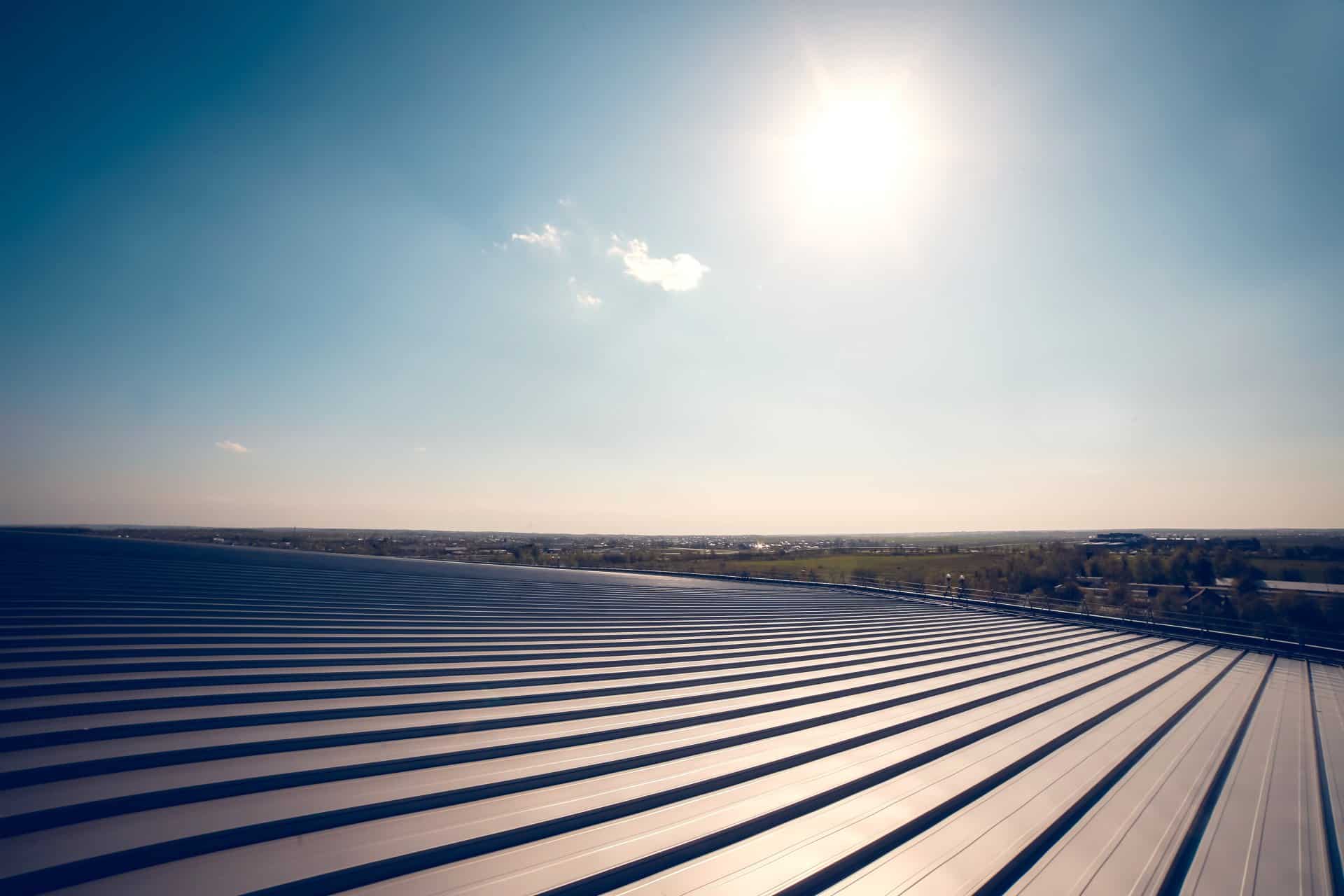
Commercial roofing installation in the Ozarks goes best when those questions get answered before any material is ordered. The roof has to suit your building’s slope, drainage and use, and it has to handle southwest Missouri’s hail, heavy rain, ice and summer heat.
APC Roofing is a GAF Certified roofing contractor, licensed and insured, in business since 2017, with an office in Springfield. Inspections and estimates are free. Call 913-398-5020 to talk through your building.
Start with what’s under the old roof
On a replacement, the first job is understanding the existing roof. How many layers are on it? Is the insulation dry? Is the deck sound, or has years of leaking softened it? Are there areas where water has always ponded?
Those answers decide a lot. A roof with wet insulation or a damaged deck needs a full tear-off so the problems don’t get buried. In some cases, building codes allow a new roof over a single existing one, but only when what’s underneath is dry and sound. Covering over a wet roof traps the water, and the new roof pays for it.
Choosing a system for commercial roofing installation in the Ozarks
There’s no single best commercial roof. The right one depends on the building.
TPO is a white single-ply membrane with heat-welded seams. Its reflective surface helps keep a building cooler in the Ozarks summer. See TPO roofing in the Ozarks.
EPDM is a rubber membrane that stays flexible through hard freezes and hot afternoons. It’s a long-time standard on low-slope buildings.
Built-up roofing uses layers of felt and asphalt and is still found on many older commercial buildings. Replacing like for like is one option; switching to a single-ply system is another.
Metal suits buildings with more pitch, like shops and some retail and office buildings, and sheds snow and heavy rain well.
We’ll walk you through the trade-offs for your building, in writing, so you can compare.
Getting the water off the roof
Most commercial roof problems come down to drainage. A flat roof isn’t truly flat; it needs enough slope to move water to drains, scuppers or gutters. When a building has a history of ponding, a replacement is the time to fix it, often with tapered insulation that builds slope into the roof. Drains and scuppers should be sized and placed so a hard Ozarks downpour clears instead of sitting for days.
The details that decide how long the roof lasts
The open field of a new roof rarely fails first. The details do: roof edges, the flashing where the roof meets walls and parapets, curbs around HVAC units, pipe and vent penetrations and roof hatches. On a new installation, each of those gets flashed to the manufacturer’s specifications. Spring winds in southwest Missouri pull hardest at roof edges and corners, so the edge metal and the way the membrane is secured there matter a lot.
Timing and weather
Some roofing adhesives and sealants need certain temperatures to cure, and a membrane shouldn’t be installed on a wet deck. In the Ozarks, that means working around spring storm season and cold snaps. Your estimate should include a realistic schedule and how weather delays are handled.
Keeping your building open
A commercial installation affects the people below. Noise, material deliveries, where the dumpster sits and how entrances stay safe are all worth settling before work starts. Ask about the plan for your building when you get your estimate.
How it works with APC Roofing
- Book your free inspection. Call 913-398-5020 or request a free online estimate.
- Get a clear, honest assessment and estimate. You’ll see photos of the existing roof, hear what’s under it, and get a written estimate with the system, scope and schedule laid out.
- The roof gets installed and the site gets cleaned up. The crew finishes the work and clears the debris before leaving.
Financing is available through Aqua Finance, Fortifi, Hearth and Home Run Finance. Ask whether your project qualifies.
If your roof only has a few problem spots, you may not need a new one yet. Our commercial roof repair in the Ozarks page explains when repair makes more sense. For an overview of the commercial work we do in the region, see commercial roofing in the Missouri Ozarks.
Commercial roofing installation questions
Do you have to tear off the old roof?
Not always. If the existing roof is a single layer and the insulation and deck are dry and sound, a new roof can sometimes go over it. Wet insulation or multiple layers mean a tear-off.
Which is better for my building, TPO or EPDM?
Both are proven. TPO’s white surface reflects heat; EPDM handles temperature swings and has a long track record. The best choice depends on your building, and we’ll explain the reasoning behind any recommendation.
Can you fix our ponding problem during the replacement?
Usually, yes. Tapered insulation and better drain placement are the common fixes, and a replacement is the best time to make them.
Will the work shut down our business?
Most small commercial roof projects can be done while the building stays open, with some planning around entrances and deliveries.
A roof you won’t have to think about for years
Choose the right system, install it with care, and your building’s roof can fade into the background. Call 913-398-5020 or book your free inspection online, and you’ll get a clear plan for your building before you commit to anything.


















