Looking for Hail Damage Roof Repair for a House in Orlando Florida?
APC Roofing climbs onto the shingles once bad weather has passed through, reading the flashings and the vents along the way.
Reach us at 407-270-1129 and describe what you are seeing from indoors.
Wind Against a Roofline: a Pattern in the Corners
The greatest pressure gathers at the eaves, the rakes and the ridge, though a plain stretch across the middle goes largely untroubled. A draft finding a way beneath a raised flap levers the course set over the flap, and a single fastener ends up holding that shingle down alone.
A building corner carries the turbulence a roofline creates, and that area gets held down harder during construction. A row nearest a projecting edge takes on more force than a row set well off to the side, and a crew's layout accounts for that extra pull in advance.
A Roof's Quiet Final Step – Easy to Miss
A strip of sealant under every shingle grips the course sitting beneath, and a firm hold forms there, doing much of the work, not nails alone. A sharp gust can tear a bond apart across a length of roof, and the shingle shows no gap at all.
Nothing announces a broken seal until the wind comes back, and a fastener gets wet as soon as that joint fails. A lone row loosened from a bond changes little alone, though several shingles parted together make a doorway rather than a blemish.
The Rating on a Bundle – Often Misread
A laboratory fastens new shingles to a test panel and seals every tab by hand, after which a fan runs air over the surface at a set rate. A roof that has carried several seasons of weather no longer acts like unweathered shingles straight off a supplier's truck, which is why that rating fits day one and nothing after.
Placing a fastener above the strip reduces how much surface a nail can grip, and a course can fail at a wind nobody would call extreme. Heat and cold cycles work a shingle's mat until stiffness sets in, which is why an early rating belongs to day one alone.
Hail and What a Strike Leaves: Under the Surface
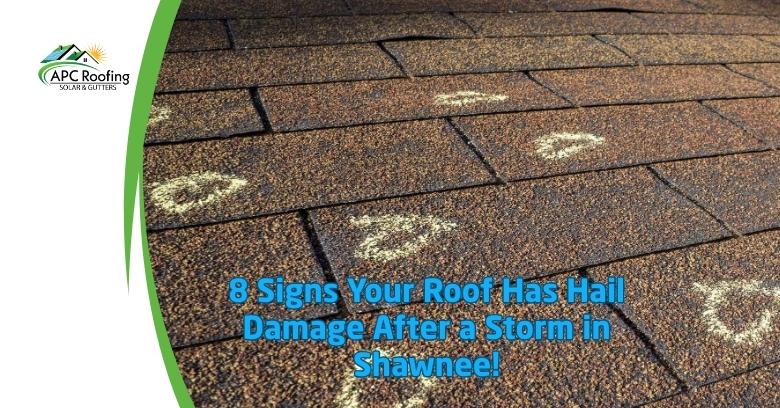
Stones grow largest in storms that cross the colder end of our territory, and a few minutes of that can change a covering for good. A strike drives surface granules down into the asphalt underneath, and a dimple stays on a shingle after a storm passes.
A shingle blocks water through an inner core, not the shingle's own face, and a fault at that depth is never merely cosmetic. A damaged section of a shingle breaks down ahead of the surface nearby, and a slope carrying many such spots fails unevenly over time.
The Overlooked Fixtures – a Second Place to Look
What a thick shingle takes without complaint can bruise a light-gauge trim piece, and a mark like that does not heal the way flexible siding might. A split boot at a plumbing stack lets water run down the outside of a pipe, and a ceiling below takes drips within a day or two. Marks on a gutter's surface rarely stop a gutter from working, though a squashed downspout keeps the length above a squashed section from emptying out.
Every light-gauge piece up on a roof gets a separate look on the same trip, and pictures of trim sit beside pictures of the shingles in a report. A split collar, a warped flange and a battered gutter face rarely turn up without a shingle nearby in equally rough shape, and the state of that hardware often hints at how hard the shingles were struck.
What Washes Off a Slope: Worth a Second Glance
A mineral coat baked onto a shingle screens the asphalt from direct sun, which keeps a covered stretch flexible for years longer. A downpour carries loosened grains along the slope into a gutter run, and a heap of sand there says a great deal about the slope above.
A shingle stripped of a protective coat starts to curl at the edges, so a minor patch grows into a larger fault over time. A drift of grit at a downspout fell from the roof plane overhead, and tracing grains back to that slope is straightforward for a roofer.
Water Pushed Uphill by Wind: Where Water Is Not Meant to Go
A shingle's lap directs a vertical descent down across the surface, and a strong gust uncovers a route that ordinary wet weather never finds. An open soffit can draw damp air upward into the attic space, and nothing on the covering needs repair from an event like that.
A Heavy Bough on a Roof: Worth Opening Up
Sudden momentum drives an entire mass through one narrow point of contact, and a substantial dose of force travels downward into the framing. A plank can fracture with little sign of damage on the visible surface, and a roofer finds the break by tapping the deck and by checking from the attic.
Debris dragged by wind leaves a scraped trail across the roof, and the outline stands out clearly once the pattern is known. Reaching a cracked board usually means lifting the shingles above the break, so the finished work covers more area than the scar first suggested.
Reading the Underside of a Deck: Where the Story Is Plainest
Brightness passing through the framing tells where the covering gave way, and noting the location from within saves time once outdoors. Damp sheathing stains in a pattern that follows the path water traveled, and following that mark upward usually leads to where water first got in.
A hollow pressed into batting shows a place where drips keep falling, and material packed down that way stops insulating long before the fibers look worn. A driven shower through a vent can wet framing at the gable end, and knowing that is worth confirming before anyone opens the slope.
Evidence Inside the House: Signs Worth Tracing
Discolored edges spread outward from where rain finally let go, and the true entry point can lie well uphill of the visible blemish. Paint lifting into blisters shows a board stayed wet for a stretch of time, so a broad patch can trace back to nothing bigger than a pinhole.
A light fixture that drips calls for cutting power to that circuit at once, because live wiring beside standing water is the greater danger. Staining on both sides of a chase usually points at the metal overhead, so counterflashing set into the mortar gets a close look in a case like that.
Flashing, Ridge and Rake – Small and Critical
The assembly at a wall junction depends on staying tucked beneath the shingle layers while nailed in place at once, and rain gets in the moment either point gives way. Uplift at a gable can twist a strip of edge metal out of line, and the row along that run then has nothing holding the end down.
Ridge caps sit in the roughest airflow on a roof and can still come away as a unit, so the seam gets no protection at all in that area. A section that lifts leaves an unbroken slot running the same length, and framing well beyond that single spot can end up soaked as a result.
What Lets Daylight In – Where Leaks Start
The frame under a skylight stands above deck level on purpose, and every face of that structure gets a flashing cut just for that face. A hailstone can star the top layer of glass and leave the lower layer whole, so a new cap goes in at the same time.
A dome struck by hail can splinter into a web of fine lines, and a fracture from one storm can keep growing after that storm passes. A misted panel between two layers of glass is beyond ordinary cleaning, so the affected section is exchanged for a sound one.
A Rate Nothing Can Match – Watching the Overflow Point
Sheet flow off a wide slope can outpace the capacity built into that edge, which sends standing water toward the wall rather than clear of the house. A wad of debris at an outlet can leave an entire drain line backed up behind that point, so weight from that backup can pull at the brackets holding a length in place.
A Placeholder, Nothing More – Anchored, Not Weighted
A patch of poly over a break can buy time until conditions allow proper work, so nobody should mistake that covering for a completed repair. A covering run over the ridge and down both slopes moves water downhill as designed, which curbs a sudden surge from ripping the covering free.
Anything simply sitting on top can leave with the next hard blow, which does more harm than leaving a gap exposed in the first place. Putting fasteners through good material creates problems nobody had before, and the solid part of a roof stays untouched by that kind of work.
Keeping Everything in Order – Length and Extent
The state of the house gets captured on camera while conditions are still current, so a complete set of images exists from the very outset. A short account describes the shape and extent of each damaged spot, so the size of a mark gets set down, not guessed.
A broken covering rarely stays exactly as the first storm left the surface, so a fresh look afterward can turn up something different entirely. Anyone reviewing the file sees the same pictures and notes a homeowner already has, so both sides end up looking at the identical account.
Strange Faces at the Curb: Worth a Second Thought
Crews from far away can show up in numbers soon after severe weather, and only some of that traffic stays in the area for long. A document filled out on a porch becomes a binding paper on the spot, and nobody should feel rushed through terms that matter.
A roofer with a nearby yard is easy to track down if a question comes up, which is no small consideration when picking who does the work. An offer that expires while a truck sits in the driveway is not a real offer, and sleeping on a choice like that is simply good sense.
Another Blow Lands – Reading a Pattern
A slope carrying broken seals meets the next gust already at a disadvantage, so the threshold for further failure drops with every fresh episode. A shingle bent back far enough to crease keeps a permanent line across the whole width, and granules often shed heavily from exactly that spot.
A second wave of runoff can travel past a roof deck and straight indoors, so work that started on a roof can spread into the rooms below. Sheathing soaked more than once loses grip on the fasteners driven into the wood, so that section has to come off along with the shingles above.
Signs Worth a Call to a Roofer: Inside and Out
- Shingles out of line on a single plane, obvious from across a street.
- Bruises along an aluminum edge, with a shape that holds for a long time afterward.
- A heap of mineral grains under a spout, in amounts that keep returning.
- Pinpricks of light in the sheathing, best looked for at midday.
- A brown ring on a ceiling that grows after rain, in a bedroom or a hallway.
- Peeling near the top of a wall, following the line of the masonry.
- Glass in a skylight chipped or broken, after a violent night of weather.
- Gutter spikes backed partway out of the wood, where a fall has gone visibly wrong.
How APC Roofing Goes About Hail Damage Roof Repair in Orlando Florida – A Closer Look
A visit opens at ground level, crossing the yard and the driveway for anything that came down, and stray pieces scattered nearby offer the first clue about what gave way overhead. Each roof face gets covered on foot wherever conditions allow, while the underside of the deck gets a separate look from below.
Photographs, measurements and notes get written up and handed over in plain language, and the phrasing stays everyday rather than technical trade terms. The advice gets explained, not simply stated as a conclusion, and a homeowner decides from there without pressure either way.
Hail Damage Roof Repair for Homes in Orlando Florida: a Careful Look at What Happened
Phone 407-270-1129 to arrange a visit.
Snow Held Overhead – A Sturdier Kind of Build
In the colder end of our territory, a deep white blanket bears down on the framing beneath, and rain soaking into the pile adds weight that dry powder never carried. Ice built up along an eave can hold meltwater back behind that ridge of frost, so a leak from that kind of blockage can show up on an exterior wall.
Across the colder end of our territory, snow blown off one plane lands on the plane below, and pressure in that spot concentrates well beyond the surrounding area. Material breaking free can damage anything sitting beneath the eave, so keeping the ground clear beneath that overhang is worth doing.
Extra Wear Near the Shoreline – Strain That Builds Fast
Storms at the coastal end of our territory can keep blowing through long stretches of the day, while rain rides sideways for much of that span of time. A load held that steadily can work fasteners loose in a way a brief burst never would, and a covering can give way to wind late in an event that started far milder.
Spray blown against a wall can find every lap in the exterior finish, so leaks during that kind of storm can show up in spots that never see water otherwise. Homes at the coastal end of our territory generally go up with tighter nailing along every edge, and new work in that area follows the pattern already set locally.
Bringing In a New Piece – What Stands Out Up Close
Material from a current production run differs in tone from shingles baked by years of sun, which holds true across every manufacturer's lineup. New shingles near the front of a house can stand out as a separate block, and time takes some of the edge off a mismatch like that.
When a specific line has been dropped, a similar design takes over that spot, so a gap in tone or texture remains even with careful selection. A slope covered in individual patches tends to read as pieced-together rather than one continuous surface, and an even surface is often the whole point of a full redo.
What a Homeowner Should See Afterward: What to Notice
The row over a repair sits flush against the deck below, and the courses carry straight across the seam between old and new. Metal at a wall gets stepped in stages as the shingles rise, and nothing on that patch depends on a single bead of sealant.
Every nail head on a mended spot sits beneath the next course up, so nothing on that work is left open to the weather. A dated photograph of a finished repair is worth a homeowner keeping on file, because change is easiest to see beside a known baseline.
If Hail Damage Roof Repair is what brought you here after rough weather in Orlando Florida, reach APC Roofing at 407-270-1129 to have the shingles looked over in person. The covering gets checked from end to end and the findings get written down, and the next step gets described without any pressure attached.
Verified

Verified
Verified
Verified
Verified