Weighing Shingle Roof Installation in Kissimmee Florida?
APC Roofing re-covers slopes with laminated or flat strip products, on a bungalow, a split-level or a colonial.
Dial 407-270-1129 and the findings are explained without jargon.
Inside the Product – a Closer View
Each shingle takes its strength from a fiberglass mat, while an asphalt coating keeps water out, and mineral granules across the top guard against sun damage.
Bundles that seem identical on the shelf can differ widely inside, and weight per square often tracks with durability. A showroom sample tells nothing beyond appearance, while published data covers the wind and impact classes.
Choosing a Profile – Setting Them Apart
The three-tab type is a single sheet notched twice along the bottom, and a slope covered this way shows even, repeating rows. Architectural shingles are built as a base with a second, trimmed ply fused on top, so the uneven profile casts shadows.
The double-ply build adds material and weight, and published wind ratings are commonly higher as a result. On a two-layer shingle, fasteners belong in the band where both plies overlap, and a wrapper diagram shows the exact position.
Strip Products in Use – Narrower Choices
Outbuildings and porches are frequent homes for three-tab, while a repair on an older house of that type stays uniform. Fewer colors in that style are stocked than a generation ago, so a close pairing may take some searching.
Textured shingles mask slight waves in the boards beneath, while a thin strip follows every undulation. The two styles share the same underlayment and edge metal, and only the visible layer differs.
Aging of the Top Coat: New Versus Worn
A recently installed covering lets go of leftover grains for a while, which is harmless. Thick deposits of grit below an old covering show that its surface is worn, and asphalt left bare hardens and fractures in the heat.
The sunniest exposures are the southern and western sides, so the black asphalt often shows through there sooner.
Self-Sealing Designs: Limits in Cold Months
A shingle comes from the plant with a glue stripe already applied, and warm days melt it just enough to anchor the next row. A stuck course stands up to gusts that would otherwise flip its edge, and the nails stay just as essential for as many years as the covering lasts.
At the colder end of our territory, a covering installed in freezing temperatures can wait months to bond, and wind can peel back the tabs before then. The manufacturer's sheet calls for hand-applied cement, and each package shows how much to use and where.
How Courses Are Attached: Tools and Technique
Every nail belongs inside a narrow stripe the manufacturer marks, so the shank also grabs the upper margin of the row beneath. A standard shingle gets four fasteners, and six are required on steep slopes or in high-wind areas.
Nails placed high skip the course below, an overdriven head slices the fiberglass, and a tilted shank props up the shingle resting on it. The wind resistance stated on the package depends on the specified pattern, while a bad compressor setting repeats itself on every shot.
What Supports the Covering: Types and Condition
A deck of plywood or OSB lies beneath every shingle, since shanks need continuous solid material to stay put. Older houses sometimes keep the gapped boards once used under shakes, and sheathing is nailed over them before shingles go on.
During a tear-off, weak or water-damaged pieces are swapped for sound ones, because nails in weakened material back out over time. A small gap is left between neighboring panels, because wood swells in humid weather and buckles without room to move.
A Backup Barrier – Types in Use
Shingles never go straight onto bare decking, since a water-resistant membrane comes between, and it goes down in horizontal runs that lap downhill. Synthetic sheet has largely replaced asphalt-saturated felt, as the newer option is lighter, stronger and less prone to wrinkling.
Moisture that sneaks beneath a shingle is carried off by the membrane, yet the maker limits how long it may be left uncovered.
Self-Adhered Eave Membrane: Seasonal Detail
At the colder end of our territory, a heated attic thaws rooftop snow, and the meltwater refreezes at the unheated lower margin. Held back up the slope, water works its way under the tabs, where ordinary underlayment lets it through at every nail.
Where ice dams form, building codes require an adhered membrane at the eave, and it reaches up the slope past the inside line of the exterior wall. In all of our territory, installers also lay it in valleys and around penetrations, since flow concentrates in such places.
Border Protection: Sequence Matters
Formed metal strips line the eaves and rakes of every slope, and water sheds into the gutter instead of onto wood. On the lowest margin the underlayment laps over the flashing, while on the gable ends the sequence is flipped.
A modern code commonly calls for edge metal along every border, since rain creeps back onto the decking where nothing guards it.
Beginning at the Gutter: Uplift Concerns
Before any exposed shingles, a starter strip is laid along the bottom, so tacky asphalt ends up at the very brink of the deck. A field piece set backward carries its adhesive uphill, out of reach, and the tabs at the low border are held only by nails.
A starter run along each rake is common practice under current instructions, because gusts pry at a roof's perimeter.
Junctions of Adjoining Planes – Keeping Nails Clear
In an open design, a formed metal liner carries water down the valley, and the closed-cut type carries one side's courses through while the other side is cut back. Interlacing rows from each plane suits single-layer products, but thick laminated shingles bend poorly that way.
Nailing close to the fold is avoided, and a peel-and-stick liner covers the wood below. A mat of leaves lodged in a valley traps water and grime, which can push rain beneath the trimmed shingles.
Brick and Framing Edges: Water Shedding Order
An individual step flashing, one to a course, climbs beside a wall, and siding or counterflashing laps down over its upright leg. The corner where the eave reaches the house takes a kickout, because otherwise rain soaks the framing.
Masonry chimneys take a base apron, side step flashing and counterflashing grooved into the joints, and a broad stack calls for a saddle upslope.
Plumbing Protrusions – Upkeep Notes
A pipe boot is built from a flat base plate and a stretchy neoprene collar, and ultraviolet exposure dries the gasket out and cracks it. The top portion of the flange goes under the uphill shingles, and the exposed foot lets water pass over rather than behind.
Rubber collars commonly split long before the field gives out, so a full reshingling normally includes fresh boots.
At the Summit – Fastener Length
Cap shingles close the ridge and each hip, and architectural work uses a factory-made accessory. Homemade substitutes trimmed from three-tab carry less material, and at the colder end of our territory they can crack along the fold in freezing weather.
A continuous ridge vent frequently lies under the cap row, so the nails must be long enough to pass through it and bite the sheathing.
The Space Under the Deck: Balance
Intake openings in the soffits let cool air in near the bottom, and a ridge exhaust lets it out. Insulation that spills into the narrow cavity over the walls can shut the passage, and baffles stapled between rafters maintain a clear lane.
A stuffy attic adds heat beneath the deck, and moisture from the living areas lingers up there. At the colder end of our territory, frost can coat every protruding nail, and it drips onto the insulation once the day grows mild. A powered fan or gable vents alongside a ridge vent can scramble the pattern, since the draft takes the quickest route rather than sweeping the whole space.
Local Extremes: Wind, Sun and Winter
Our service area stretches from high plains to subtropical towns, so the forces working on a shingle change from city to city. At the coastal end of our territory, hurricanes bring hours of sustained wind, so manufacturers list a high-wind nailing schedule. Strong sun, season after season, makes the coating brittle, and lasting humidity gives algae room to grow.
At the colder end of our territory, freeze and thaw cycles pry at every small crack, while deep snow loads the deck for weeks.
Stones Out of a Thunderhead: Lab Testing
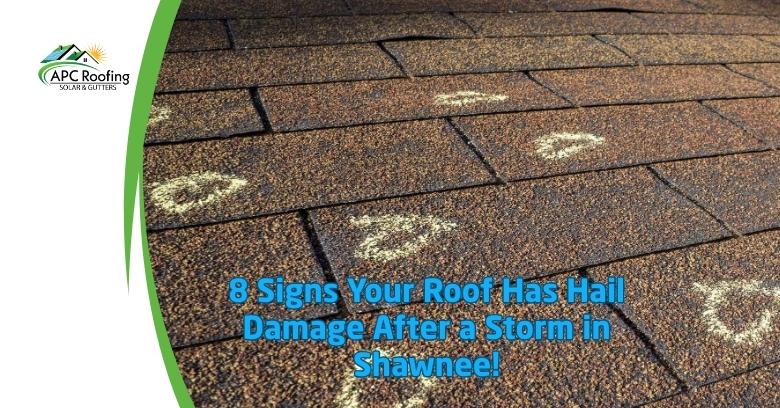
At the colder end of our territory, hail falls in many storm seasons, and impact-resistant lines exist for exactly that. Where a stone lands, the granules break away in a round mark, and a heavy blow may fracture the fiberglass below.
Manufacturers earn an impact rating by dropping steel balls onto test panels, and a tougher product shows less damage afterward. Rubber-modified asphalt is common in these designs, and the extra give absorbs part of each blow.
Gusty Days – Replace or Reseal
The border of a roof and its corners see the greatest upward force, and a shingle no longer stuck down lifts again and again. A tab folded back far enough creases along its width, and the damage leaves it permanently weakened. A shingle in that condition gets replaced, but a piece that simply came unstuck can be glued down by hand.
Where a tab has blown away, the underlayment beneath lies open to the sun, and ultraviolet light breaks that layer down quickly.
Roof Growth – Copper and Zinc
The inky bands seen on so many houses come from algae, which survives by feeding on limestone filler. At the humid end of our territory, shaded north-facing roof planes grow it fastest, though the color change is mainly cosmetic.
Moss behaves differently, soaking up rain like a sponge, and as clumps thicken they wedge the tabs upward. High-pressure spraying rips the grit away with the growth, so a gentle rinse with a cleaner made for roofing is the safer route. Some lines carry copper in the top layer to resist algae, and a zinc strip near the peak slows regrowth on an older covering.
Choosing a Color: Looks and Lots
Deep tones take in more solar warmth and reach higher surface temperatures, while light ones reflect much of the light skyward. Some product lines use specially coated granules that turn back more radiation, and a reflectance rating appears on the data sheet.
Stock can vary from one production lot to another, so shingles from several bundles are mixed as the courses go on. A multi-tone blend disguises minor variations well, while a solid, even finish reveals them more readily.
Going Up Top: A Safer View
Strong sunshine warms the bitumen until it goes pliable, and a twisting heel tears the mineral layer. At the colder end of our territory, cold tabs grow brittle and crack when stepped on, while frost at dawn makes the footing treacherous.
The ground is the right place for anyone without roofing gear, and a look from across the street tells a great deal.
Covering What Is There – Weight and Nails
Rules across much of the country accept an overlay over an original roof, provided there is only one and nothing beneath is rotted. Nothing about a layover uncovers the decking, and weak spots stay just as they were.
Humps and hollows in the courses below show through, while aging flashing frequently stays put. A second covering adds weight to rafters that were sized for one, and short nails end up anchored only in the old shingles.
Signs on the House: A Short List
- Granules pile up in the gutters, and more arrives after every heavy rain.
- Some tabs flap loose or are gone altogether, so the adhesive strip has given way.
- Bottom corners curl upward, since age and heat have stiffened the material.
- Splits open across the middle of a tab, and water can reach the mat through them.
- Dark, smooth patches appear on the surface, where the stone coating has worn off.
- The seal around a plumbing stack has cracked, so water works its way indoors.
- A strip of flashing at a dormer is rattling free, so a downpour can run in underneath.
- A water mark appears near a light fixture or a closet, and the source can lie well uphill of it.
How APC Roofing Works on Shingle Roof Installation in Kissimmee Florida: Our Method
Every slope is walked first during an inspection, and the details at every valley, vent, flashing and edge are read. Up in the attic, stains and daylight are sought out, because darkened wood marks where water got in.
Any problem is photographed, and the extent is measured. The results are put in writing in everyday words, with the reasons given for each recommendation. A small fix is described as small, while a spent covering is named for what it is. The homeowner decides what comes next, including the option of doing nothing for now.
Shingle Roof Installation for Homes in Kissimmee Florida: a Careful Look Before Any Advice
Reach us at 407-270-1129 to arrange a visit.
Keep or Tear Off – Reading the Signs
A split collar, a gap at a wall or some torn tabs makes a routine repair, and the remaining shingles are untouched. Patched areas show a visible contrast at first, and the tone that went on years ago may be out of production.
On a worn covering, tabs are brittle and crack when lifted to reach the nails, so the pieces beside the work may need to come out too. When shedding and fractures appear on every face, repairs no longer hold for long.
Expected Service Life: Care Along the Way
A three-tab product commonly gives around fifteen to twenty years, while architectural lines can go well beyond that. Attic airflow, sun exposure and the quality of the nailing move that figure, and a severe storm can cut a covering's life short.
A look at the vent collars and metal details every so often makes sense, because small faults caught in time never reach the deck.
If you are thinking about Shingle Roof Installation in Kissimmee Florida, call APC Roofing at 407-270-1129. The whole covering and the attic are inspected in person, and a plain written report puts the next step in your hands.
Verified

Verified
Verified
Verified
Verified