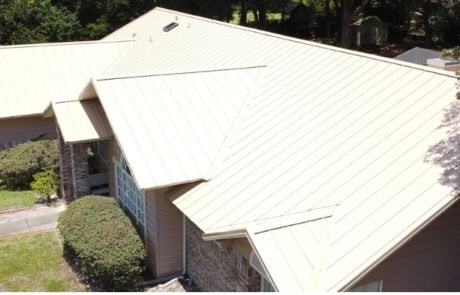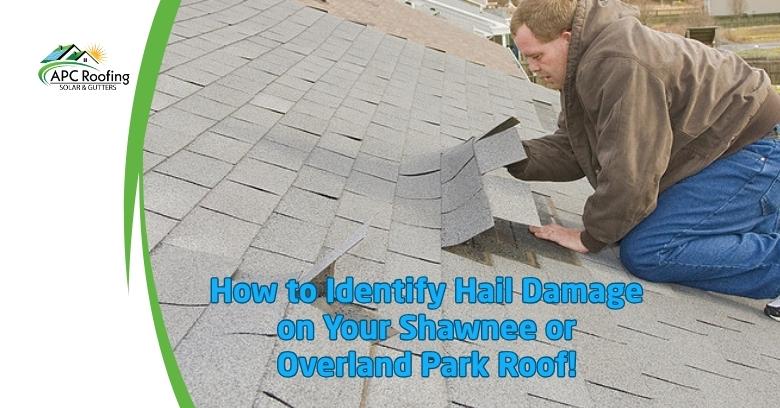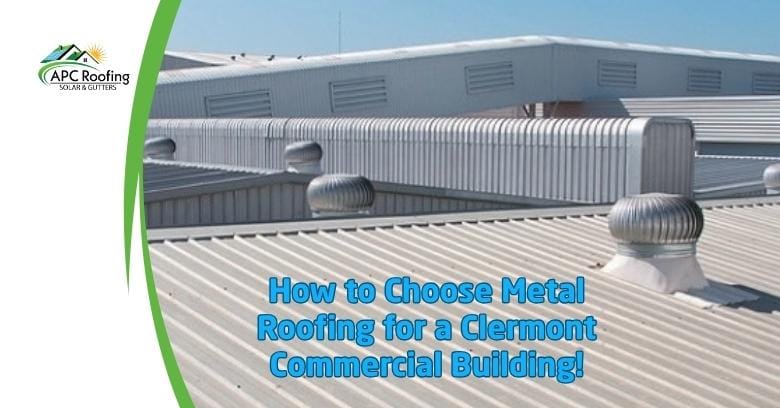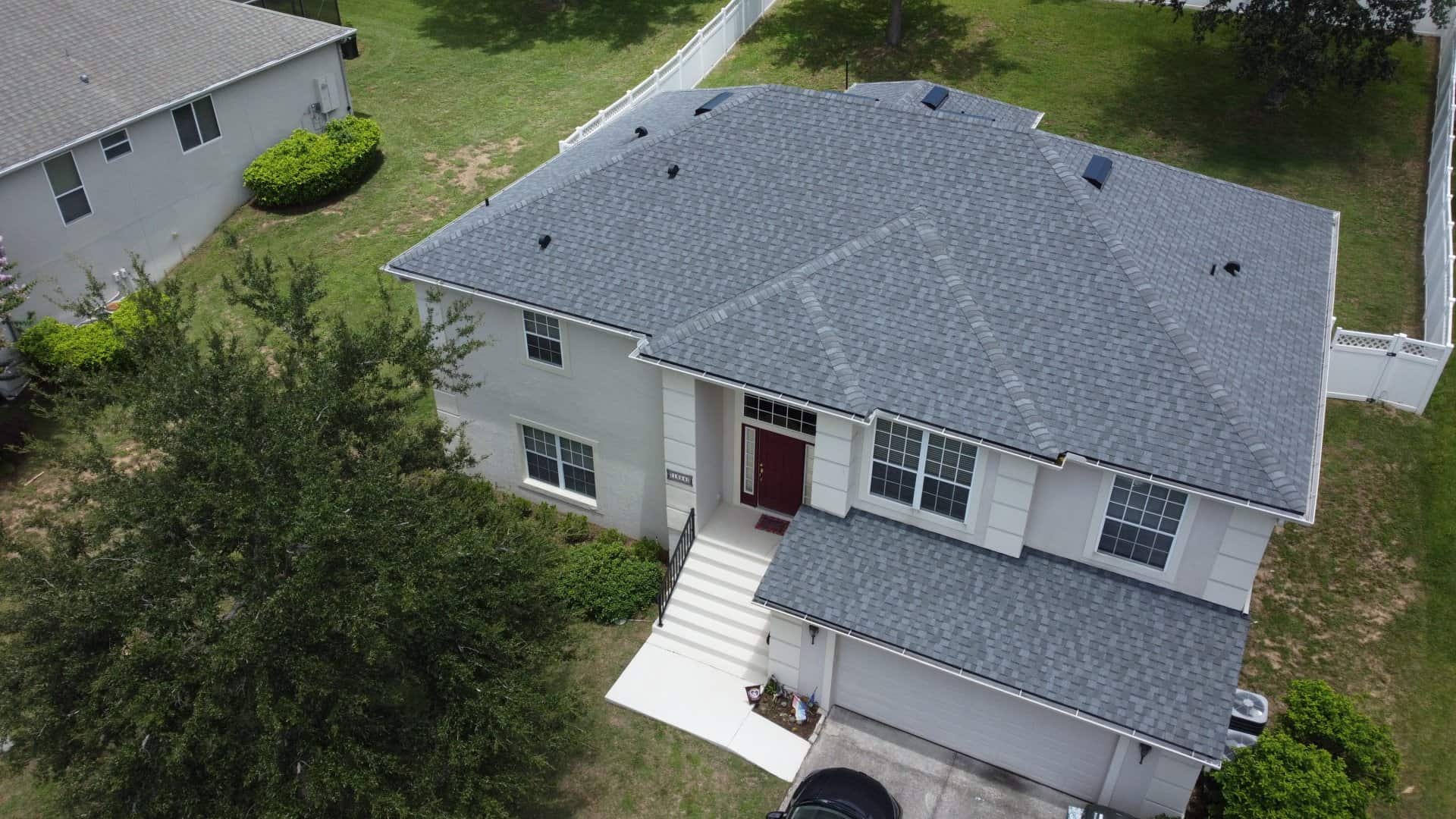
In Search of Roof Inspection in Kissimmee Florida?
APC Roofing covers everything from a routine checkup to a complete replacement, on shingle, metal and tile alike.
Phone 407-270-1129, and a roofer arranges a visit to the house.
What Keeps a Roof Working: What’s Tucked Away
The visible covering on top is only the outer layer, and a water barrier, plywood and framing sit below the surface. Strips of flashing cover the gap at a chimney, a pipe or a valley, and a drip there rarely points to worn shingles on the slope.
The attic air beneath the deck counts as part of the roof assembly, since trapped summer heat bakes the deck from underneath. A brown mark on a ceiling can originate at any level of the roof, so patching only what the yard shows can fail to reach the real cause.
Everyday Work of a Roof: More Than Meets the Eye
A pitched covering sends rain down toward the gutters, and the nailing keeps gusts from lifting the courses. Beams and boards carry the mass overhead, snow included at the colder end of our territory, and openings low and high let moisture escape the attic.
Shedding water is the covering’s task, and resisting wind is the fastening’s job, while what is underneath holds the whole thing steady, out of sight. A problem in one material reads as damage on a different part of the roof, so repairs target the root, not the visible mark.
The Minor Pieces of a Roof: Different Timelines
The main covering is built for a long run, but the gasket around a vent pipe hardens within a fraction of that span. Rain finds a way down past the weak point, and a brown patch forms on the ceiling underneath.
Caulk along a wall joint hardens and pulls away in the heat, and aluminum flashing pits at the bends in salt air. Hip and ridge caps open at the center crease, as nothing shelters the peak from gusts and glare.
What Appears Early: What Turns Up at Each Point
At a distance, the outline of the roof gives away dips, sags and wavy planes, and the eave boards and downspouts can be sized up as well. Binoculars pick out torn collars, lifted tabs and bare patches, but a weak spot underfoot tells what optics cannot.
Once on the roof, a roofer checks every connector closely and follows the flashing at each wall, and the shingles are checked for brittleness and thin spots. Nobody walks a covering that is wet or too steep, and the view comes instead from a ladder at the gutter line.
Above the Ceiling: a Homeowner’s Tour
A stained patch on the plywood shows water that got in before, and dampness under the fingers shows the entry is still active. Sunlight visible from inside marks a way in, and a tape measure fixes the distance from the peak and gable wall.
Rust on the nail shanks comes from moisture in the house, not rain, and a matted, gray patch backs up the same story. Fill pushed into the eave opening, or a fan duct ending in the attic, turns up only from inside, so ventilation trouble of that kind escapes a yard-only check.
The Paper That Follows: What Gets Handed Over
Findings arrive as photographs tied to specific places on the roof, and a short note describes what each image covers. Good sections get the same plain treatment as sections that do not, and weak spots are ranked by how soon attention is needed.
Keeping an older report gives the next check something to compare against, and a pattern over time tells more than a single day ever could. A covering looked at on a regular schedule rarely catches the owner off guard, and a large job gets seen coming well ahead of time.
Seasonal Shingle Maintenance: What Gets Done
New rubber boots go on the pipes ahead of any cracking, and dried sealant at walls and flues gets redone. Anything the trees drop gets brushed out of the channels, and downspouts get flushed so water moves through.
A shingle corner resealed in good weather takes little effort, but waiting out a rainy stretch invites water in from beneath. Moss along a north-facing slope wedges under the laps, and the growth gets treated and brushed off, never pressure-washed.
Staying Ahead of Trouble: Consistency Pays Off
Somebody trained in the trade should go over the roof once a year, placed right after the toughest season for roofs in that market. The goal is seeing deterioration ahead of any drip, and nobody is left guessing about the roof’s condition.
Following a storm, a walk around the house with eyes on the roof is a good habit, and top-floor rooms are worth checking for fresh stains. Looking around the attic with a flashlight now and then makes sense: discolored boards, light through the deck and damp insulation turn up long before anything reaches the space below.
A Roof’s Age, Read From the Yard: Early Signs to Late Signs
A young shingle covering lies flat with an even tone, and approaching midlife the sunniest side fades before the rest. Late in a roof’s run, tabs cup and granules wash into the downspouts, and repairs stop holding.
Judging from the street supplies a reasonable idea, but the true condition shows only from up top. A roof near the finish line is better replaced than patched again, and an honest contractor states that plainly, rather than pitching another repair.
A Blocked Channel: What to Watch For
Shingles hand off rainfall at the drip edge and no farther, and a gutter takes the water the rest of the way. A run choked with leaves sends overflow behind the trim board, and the rafter tails nearby rot over seasons.
A weak area there more often means bad drainage than a shingle issue, and new shingles will not cure a fault of that kind. The slope of every gutter and where each downspout empties get checked, and the drip edge gets looked over where the metal meets the fascia line.
How the Roof Breathes: The Basics
Cooler air should enter through the soffit and rise out at the ridge, and the flow sweeps trapped heat and vapor out of the space. When that gets blocked, the attic overheats in summer and stays muggy through humid months, and the covering wears out early.
Exhaust hardware installed with no matching intake draws conditioned air up from the rooms below, and one high point pulling toward a nearby high point can choke flow at the soffits. A roof placed over bad ventilation inherits an existing weakness, so the fix belongs in the same job as the new covering.
What Gets Chosen and Why: An Overview
At the colder end of our territory, ice at the eaves and the weight of snow shape the build, and a sticky underlayment protects the lowest courses. Near the coast, wind pressure sets how every panel gets nailed, and wind-rated materials and sealed flashing go into the plan.
Where hail falls hard at the colder end of our territory, an impact-rated covering is worth considering, while ultraviolet light ages granules in every market we serve. Every build answers to conditions at that particular site, not habit or a standard default.
Houses and Commercial Buildings: Different Structures Entirely
A pitched covering sends water downhill by lap, and shingle, tile and metal all serve that role. Most commercial buildings use a single-ply or built-up membrane, and internal drains and heating units share space on that roof.
A good number of homes have a shallow section over a porch or a sunroom, and shingles there tend to leak because water lingers before running off. A spot shaped that way calls for a sheet membrane, tucked under the steeper roof above, and re-laying shingles there repeats the same fault.
A Cover Until Things Get Fixed: What Works and What Fails
A barrier keeps rain off a hole before repairs begin, but nothing gets solved underneath. A good cover goes up and over the peak and gets fastened with wood strips, and the fabric gets stretched so no loose fold can catch the wind.
A tarp needs to extend well beyond the break, because rain travels sideways toward a gap that stops short. A membrane left up too long traps moisture against the covering, and the material underneath weakens over time.
The Detail Where a Roof Meets Something Upright: an Explanation
Short metal steps get laced between the courses up the side of a dormer, and a strip of trim above turns down over the top edges. Every chimney needs an apron at the front and metal carried up across each edge, and a wide stack gets a cricket built into the slope nearby.
Sealant slathered on a weak spot lets go as the metal expands and contracts, so the lasting answer is new metal laced in properly. Porous or cracked mortar lets moisture into the masonry higher up, and that kind of trouble calls for a mason alongside a roofer.
A Contract Worth Reading: What to Look For
A signed agreement should identify the shingle, the underlayment and the metal by name, and the document says whether the existing roof gets stripped to the deck. The account spells out in advance how damaged plywood gets counted, and every vent, every flashing piece and the haul-away get called out individually.
Offers from different contractors can be weighed point for point, and the gaps between the two sets of paperwork come into view. A crew that asks for trust instead of anything in hand has left out the part that matters, because nobody can confirm later what got said.
What a Re-Roof Involves: What Happens
Shrubs, flower beds and the driveway get protected ahead of the work, and the existing covering gets removed completely. With the old material gone, the plywood gets examined board by board, and any spongy spot gets swapped for new stock.
Ice barrier, underlayment and new flashing go down across the deck, and the covering, the ridge caps and the vents go on to finish the job. The property gets swept with a magnet once the crew wraps up, and the gutters get a final check for leftover material.
Care for Non-Shingle Roofs: Particular Needs
Where panels get fastened through the face, a gasket under the head keeps rain out, and a leaking screw gets paired with a fresh washer. Concrete and clay tile get installed by mortar, by foam or by mechanical attachment, and the underlayment does the actual waterproofing.
Weight placed wrong breaks a piece, and a spare of the same profile goes in where one fails. Where part of a roof runs nearly flat, ponding and split seams are the warning signs, and clogged drains get cleaned out on a visit.
What Owners Tend to Notice: Outside and In
- Granules collecting in the gutters, well beyond what a new roof sheds.
- Corners turned up across a slope, noticeable from across the street.
- A pipe boot with an open gap, easy to miss without a zoom lens.
- Paint blistering overhead after a storm, close to an outside wall or a chimney.
- Pinholes of light in the sheathing, spotted during a flashlight check.
- A carpet of moss along the eaves, holding moisture against the surface.
- A dip between rafters, visible against the sky.
- Rust streaks below a metal joint, worth a closer look before the next storm.
Roof Inspection Across Kissimmee Florida: What APC Roofing Does
Before anything gets proposed, a roofer looks over the whole covering and the attic, and the evidence comes back as photographs and the verdict in writing. Good sections get the same plain treatment as problem areas, and the homeowner decides what happens from there.
Roof Inspection for Kissimmee Florida Homes: a Full Look, Not a Guess
Reach us at 407-270-1129 and set a time for a visit.
Documentation for the Roof: Best Done Early
Keeping the install date and the product names is a good start, and each visit’s report belongs with the earlier entries. Listing every fix, the place and the scope, takes only a minute, and a decade on, the trend stands out clearly.
A buyer’s home inspector almost always asks about the roof’s history, and dated receipts make the answers easy to give. A second copy of the file, kept somewhere else, is worth having, since a spill or a move should not be able to wipe out everything.
Signs of a Job Done Right: Quality You Can See
The field reads as straight bands, with crisp cuts where each slope ends, and every fastener stays hidden under the shingle above. Metal against any wall or chimney rests flush and secure, and nothing gets troweled on to cover a shortcut.
The soffit vents breathe freely and the ridge vent stays clear, and the gutters return to position, clean and fastened. The lawn and driveway get a magnetic pass at the end of the job, and a quick hose-down removes the last of the sawdust from a walkway.
Anyone who arrived looking into Roof Inspection in Kissimmee Florida is one step away from a straight answer. Reaching out to APC Roofing at 407-270-1129 gets a date on the calendar. Every stop covers the full roof, top to bottom, with nothing left to chance.
« All Services in Kissimmee Florida