Looking for Roof Maintenance in Independence Missouri?
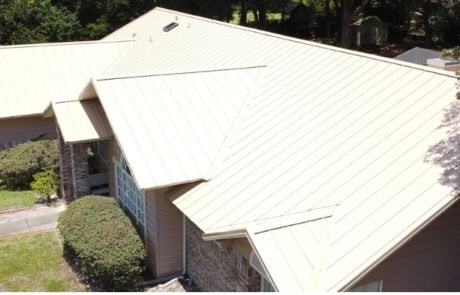
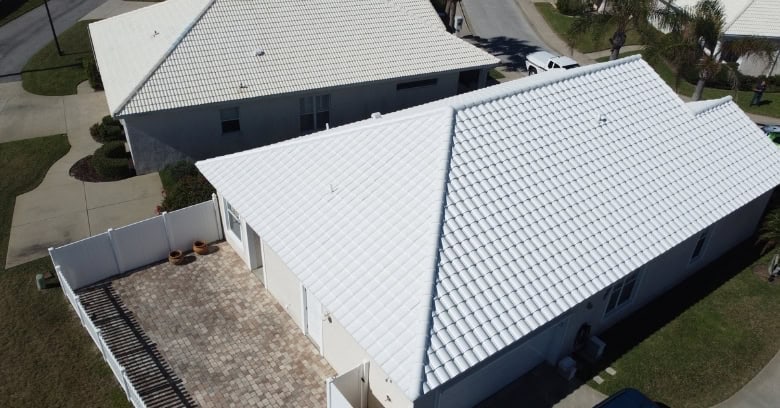
APC Roofing covers everything from a routine checkup to a complete replacement, whether the covering is shingle, metal or tile.
Call 913-398-5020, and a roofer sets a time to come look at the house.
What Keeps a Roof Working: What Holds a House Together
The surface a passerby notices is only the outer layer, and underlayment, decking and structural framing sit out of view. Sheet-metal flashing takes over at each wall, stack and valley, and trouble nearby seldom means a failure in the surrounding shingles.
Ventilation in the attic ranks as one more working part of the roof, because moisture trapped up there softens plywood and rusts nails overhead. Water showing indoors may come from any level of the structure, and work confined to the outside can miss the real source.
The Duties of a Roof: More Than Meets the Eye
A pitched covering sends rain down toward the gutters, while nails and seal strips resist the pull of gusts. The rafters and the deck carry the weight overhead, snow included at the colder end of our territory, and openings low and high let moisture escape the attic.
The covering deals with water, and nails and seal strips deal with wind, while what is underneath answers for holding the roof up, unnoticed. A weak component shows up as a sign of trouble somewhere else on the roof, so repairs target the root, not the visible mark.
Small Components on a Roof: What Falls Behind First
An asphalt surface is expected to serve for decades, but a neoprene sleeve at a pipe fails well ahead of that span. Water works past that spot and follows the framing down, and a brown patch forms on the ceiling underneath.
Sealant along metal edges dries and shrinks in strong sun, and aluminum flashing pits at the bends in salt air. Cap shingles break along the seam, since the peak catches more weather than the rest of the roof.
A Walk Around the Property Beforehand: a Two-Step Read
From the driveway, the outline of the roof shows dips, sags and wavy planes, and the fascia and gutter runs are visible at the same time. Through binoculars, torn collars, lifted tabs and bare patches come into focus, but soft decking can only be felt from up close.
Crouched at each pipe, a roofer feels for gaps and traces the flashing along every wall, and the surface is checked for cracking, granule shedding and curled edges. Nobody walks a covering that is wet or too steep, and the check is made instead from a ladder at the eave.
Behind the Ceiling: Evidence to Look For
Discolored wood around a fastener points to water that beat the covering, and moisture felt by hand shows the water is still coming through. Light passing through the decking reveals a breach, and the distance from the ridge and gable gets measured so the spot can be found outside.
Nail points gone orange signal damp air, not a leak, and a darkened patch under the deck tells the same story. A soffit choked with insulation, or a bath fan venting into the attic space, is spotted only from inside, so a check from the ground alone leaves that kind of fault hidden.
The Paper That Follows: the Basics
What turns up gets documented with photographs matched to locations on the roof, and a line of text says what each image shows. Sound parts get listed as plainly as anything that requires work, and faults are ordered from most to least pressing.
A saved report from an earlier stop gives the next check a baseline, and change over time is easier to judge than condition on a single day. A roof tracked across each year brings few surprises, and large jobs show warning signs well ahead of the work becoming pressing.
Routine Care for a Shingle Roof: Small Jobs, Done Often
Worn pipe gaskets get swapped out before failure, and brittle beads at the walls get cut out and run again. Needles and leaves get cleared from valleys and from behind chimneys, and the gutter runs along the eaves get straightened.
A slipped shingle put back early is easy work, but putting off that step through storms can end in a drywall stain. Moss along a north-facing slope wedges under the laps, and a gentle wash clears the growth, since a pressure washer strips granules.
A Regular Routine: What to Expect
A roofer's walk-through belongs on the calendar every year, timed for the point when local weather turns roughest. The purpose is catching wear before a leak develops, and the family hears plainly where the roof stands.
Between checks, a glance from the lawn after a storm is useful, and ceilings on the top floor are worth a look for new rings. A flashlight trip into the attic twice a year pays off: dark spots, daylight and matted insulation turn up long before anything travels any further.
Reading a Roof's Age: Clues at Each Stage
Freshly laid, a shingle covering is flat and evenly toned, and approaching midlife the sunniest side fades before the rest. Close to the finish, corners lift and bald patches spread, and new leaks appear in different spots.
An appraisal from the yard supplies a decent guide, but a roofer nearby will always see more. Once shingles are spent, patching stops making sense, and a good contractor gives that answer plainly, rather than selling another repair.
A Channel That Has Given Up: The Stakes Explained
The covering's job on water stops at the drip edge, and from there a gutter does the remaining work. Blocked outlets send overflow over the back lip of the channel, and the wood close by swells and softens.
A soft spot along that edge points more often to drainage trouble than to worn shingles, and new shingles will not cure a fault of that kind. Gutter fall and downspout placement get checked together, and the flashing along the eave gets looked over for bent or missing pieces.
Keeping Things Working Underneath: An Overview
Outside air should enter under the eaves and leave near the peak, and that path carries heat and moisture out of the attic. With the opening closed, the attic turns hot in summer and clammy in humid months, and the shingles age prematurely.
A fan starved of intake draws air from the rooms below, not from outdoors, and one high point pulling toward a nearby high point can choke flow at the soffits. Fresh shingles laid over stale, trapped heat age nearly as fast as the old ones did, so the underlying cause gets addressed in the plan for the new roof.
Roofing That Fits Where You Live: An Overview
At the colder end of our territory, ice at the eaves and the weight of snow shape the build, and a sticky underlayment protects the lowest courses. On the coastal side of our area, storm winds set the nail pattern, and hurricane-rated edges and sealed flashing get specified.
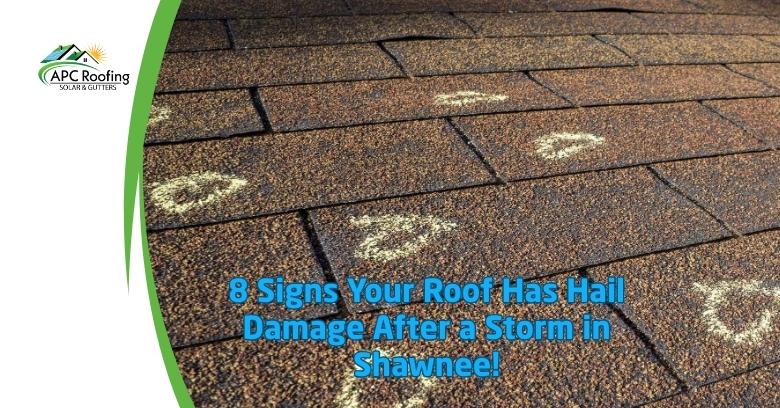
Across the hail belt at the colder end of our territory, impact ratings matter, while ultraviolet light ages granules in every market we serve. Every build answers to conditions at that particular site, not custom or what happened to be on the truck.
Homes and Businesses: How the Roofs Differ
A sloped covering sheds rain by lap, and the material is commonly shingle, tile or metal panels. A commercial building usually has a nearly flat, sealed membrane, and internal drains and heating units share space on that roof.
Plenty of residences include a shallow section over an addition, and a lapped product there lets water back up under the tabs. A low spot like that needs a continuous membrane tied in beneath the main covering, and re-laying shingles there repeats the same fault.
Covering an Open Roof: What Holds Up
Plastic over a break keeps the rooms beneath dry for a time, but the trouble below stays untouched. A sound cover sits over the ridge and gets held down by wood battens screwed through the material, and the material gets drawn tight enough to hold quiet in a gale.
A tarp needs to extend well beyond the break, because rain slips in around a snug fit. Plastic left in place for months traps heat and moisture against the deck, and whatever sits below begins to suffer.
Doing the Vertical Joints Properly: an Explanation
Step flashing gets woven in with each course along a wall, and counterflashing tucked into the masonry covers that metal from above. Every chimney needs an apron at the front and metal carried up across each edge, and any stack wider than a small one calls for a cricket set into the slope uphill.
A smear of mastic over a bad patch opens up within a few seasons, and only a correct rebuild ends things for good. Porous or cracked mortar lets moisture into the masonry higher up, and part of that repair belongs to a mason, not a roofer.
A Contract Worth Reading: What to Look For
A signed agreement should identify the shingle, the underlayment and the metal by name, and the document states plainly whether the work is a tear-off or a layover. A dated form covers what happens if rotten boards turn up, and flashing, ventilation and cleanup each appear as a separate line.
Bids laid out in full are easy to check against each other, and the true difference between the two shows plainly. A crew that asks for trust instead of anything in hand has left out the part that matters, since a spoken promise cannot be checked later.
Redoing an Aging Roof: the Basic Sequence
Landscaping and paving get shielded before any tearing begins, and the existing layers get torn off into a dumpster. The bare deck gets checked plane by plane once the old covering is off, and any spongy spot gets swapped for new stock.
A water-resistant membrane, fresh flashing and ice protection get installed next, and the surface material, the ridge caps and the vents close out the job. A magnet gets run over the lawn and the driveway when the work is done, and no debris gets left in the gutters.
Care for Non-Shingle Roofs: Particular Needs
Metal sheets held by visible fasteners stay dry because of the gasket under each fastener, and a hardened washer gets swapped out along with a new screw. Concrete and clay tile get installed by mortar, by foam or by mechanical attachment, and the membrane is what keeps the interior from taking on water.
Walking on the wrong spot cracks a piece, and a damaged unit gets pulled and replaced to match the surrounding pattern. On the shallow parts of a roof, lingering water and loose seams are worth watching, and grit and leaves get cleared from the scuppers.
Signs Worth a Closer Look: From the Yard or the Attic
- Grit gathering at the downspout outlets, from a covering that is no longer new.
- Corners turned up across a slope, in patches that widen every year.
- A vent seal that has pulled loose, above a bathroom or a kitchen exhaust.
- A ceiling mark that spreads with each downpour, close to an outside wall or a chimney.
- Daylight through the attic boards, wherever nothing should show through.
- Clumps of moss under overhanging trees, holding moisture against the surface.
- A bulge that catches the light at dusk, visible against the sky.
- Dried beads separating at a skylight, left behind by an earlier patch.
Roof Maintenance for Independence Missouri Households: APC Roofing's Approach
Before anything gets proposed, a roofer looks over the whole covering and the attic, and the evidence comes back as photographs and the verdict in writing. Good sections get the same plain treatment as problem areas, and the decision belongs to the homeowner, not the crew.
Roof Maintenance Across Independence Missouri: a Full Look, Not a Guess
Call 913-398-5020 to schedule a visit to the property.
A Roof Timeline: Best Done Early
Keeping the install date and the product names is a good start, and each inspection report deserves a spot in the same folder. Including a line for every repair, the spot and the method, rounds out the picture, and a decade on, the trend stands out clearly.
Once a home hits the market, the roof's age and condition come up in conversation, and a documented account settles the matter later. A duplicate set, saved to a phone or a drive, is worth making, so nothing depends on one paper version alone.
A Neat Result, Up Close: a Homeowner's Guide
The lines run true from eave to ridge, with rake cuts trimmed sharp, and the nailing stays out of sight across the roof. At each wall and chimney, fresh metal gets set in as the flashing climbs higher, and any sealant used is a neat bead, never a smear.
Intake and exhaust vents stay open and unblocked, and the gutters return to position, clean and fastened. The property gets checked with a magnet for stray fasteners, and wood shavings from a trimmed edge are the most common leftover from the work.
Anyone comparing options for Roof Maintenance in Independence Missouri is one step away from a straight answer. Getting in touch with APC Roofing at 913-398-5020 puts a roofer on the calendar. Every stop covers the full roof, top to bottom, and no part of the roof goes unchecked.
Verified

Verified