Your home's roof is its first defense against the unpredictable elements, be it the heavy snowfalls that blanket Denver Colorado or the ever-present possibility of hail and high winds. Over time, even the best-built roofs will show signs of wear and tear, leading homeowners to wonder if it is time for a quick fix or does your roof need a complete overhaul? The answer to this pivotal question depends on a combination of factors, including the age of your roof, the scale of any visible damage, local climate impacts, and perhaps most importantly, the guidance of a skilled roofing contractor.
Deciding between a roof repair and a full replacement is no small feat. For Denver homeowners, this decision can impact not just the immediate safety and value of your property, but also your long-term comfort and financial security. Roofs in this region face unique challenges, including rapid temperature shifts that cause expansion and contraction as well as sun exposure that can accelerate shingle deterioration. That is why enlisting an experienced roofer in Denver Colorado is essential for a thorough assessment.
While some roof problems like a missing shingle or a minor leak might seem like easy repairs, other issues can hint at deeper structural weaknesses. These hidden problems, left unchecked, could result in far more extensive and expensive issues down the line. The temptation to save money with a quick patch job is understandable, but it is important to weigh short-term savings against the potential for long-term costs.
Understanding how to spot roofing problems early and knowing when to call in a professional roofing contractor will put you in the best position to maintain your home's integrity. This comprehensive guide walks you through the tell-tale signs your roof may need attention, discusses the pros and cons of repairs versus replacement, and outlines the factors that help inform a smart decision. Along the way, we will touch on the latest roofing trends and materials that could provide extra value for Denver homeowners and share insights to help you select the right roofer for the job.
Whether you are dealing with a sudden leak after a storm or simply conducting a routine checkup, this article is your roadmap to making a confident, informed choice about your home's most critical component. Let's dive in and explore how you can best protect your investment, comfort, and peace of mind.
When to Seek Professional Help: Signs Your Roof Needs Attention
One of the most important tasks for any homeowner is recognizing when their roof is trying to send an SOS. Many warning signs are subtle, while others are impossible to ignore. But no matter how obvious the problem may seem, it always pays to seek the opinion of a trusted roofer in Denver, Colorado, before making a final call.
Common signs that indicate your roof may need repair or replacement include:
- Leaks or Water Stains: If there are wet spots on your ceiling, damp walls, or any evidence of water intrusion, do not ignore it. Water damage can quickly escalate, compromising insulation, drywall, and even the structural integrity of your home.
- Curling or Missing Shingles: Shingles that curl, crack, or go missing altogether are a clear sign your roof is weakening. In Denver's climate, wind-driven storms can easily dislodge old or damaged shingles.
- Granule Loss: Have you noticed an excessive amount of shingle granules in your gutters? This is a natural sign of aging, and as shingles lose their protective granules, they become more vulnerable to UV rays and moisture.
- Sagging Roof Deck: A roof that sags inside or out is a definite red flag. This could point to trapped moisture or structural rot in the decking.
- Moss, Algae, or Mold Growth: Persistent dampness often leads to moss or algae on your roof. While some growth is simply cosmetic, excessive moss can trap moisture, hastening deterioration.
- Daylight Through Roof Boards: If you can see daylight streaming through your attic, there is a breach somewhere that needs immediate attention.
If you spot one or more of these warning signs, it is time to reach out to a local roofing contractor for a professional inspection.
Repair vs Replacement: Evaluating Your Options
Once you have determined your roof needs attention, the next question is whether to repair or replace. The answer comes down to several key considerations:
1. Age of Your Roof
An asphalt shingle roof generally lasts between 20 and 25 years.. If your roof is approaching or past its expected serviceable life, replacement may be the most cost-effective solution. On the other hand, newer roofs with localized damage are ripe for repair.
2. Scope and Severity of Damage
Minor issues, such as a few missing shingles due to wind, can often be repaired quickly and affordably. Yet widespread damage, especially if it covers more than a third of your roof, might warrant a complete replacement, as patching up multiple areas can lead to inconsistent protection and aesthetics.
3. Cost Comparison
It is natural to weigh the upfront costs. Repairs are typically less expensive, but if your roof needs frequent touch-ups, the costs can add up. Investing in a full replacement may offer better value over time, particularly if your roofing contractor can provide energy-efficient materials that reduce future utility bills.
4. Energy Efficiency
Today's roofing materials offer big leaps in energy efficiency compared to products installed decades ago. Cool roof shingles, metal roofs, and improved insulation can dramatically cut heating and cooling costs, something Denver homeowners especially appreciate during temperature extremes.
5. Curb Appeal and Property Value
A full roof replacement can provide an immediate boost in curb appeal and home value. If you are considering selling your home in the near future, a new roof installed by a recognized roofer is a major selling point in competitive markets like Denver Colorado.
The Importance of a Trusted Roofing Contractor
Hiring the right professional for your home makes all the difference. An experienced roofing contractor brings nuanced local knowledge including understanding the quirks of Denver's climate, the challenges of altitude, and the latest municipal codes. When selecting a roofer, look for:
- Proper Licensing and Insurance: Protect yourself by verifying credentials.
- Local Experience: Roofers familiar with Denver neighborhoods can recommend the best materials for the area.
- Strong References and Reviews: Ask for recent job references and check online feedback.
- Transparent Estimates: Honest, detailed quotes help you budget accurately with no surprises.
The best roofing contractors take the time to explain the pros and cons of repairs versus replacements. They will provide detailed photos and walk you through their recommendations, rather than resorting to scare tactics or pressured sales pitches.
Modern Roofing Solutions for Denver Homes
The roofing industry continues to evolve, with innovative materials and installation methods providing better protection for your home. Denver Colorado presents unique challenges, but there are solutions designed specifically for our climate:
- Asphalt Shingles: Still the most popular option for residential roofs, asphalt shingles are affordable, durable, and come in an array of colors and styles. Modern architectural shingles offer extra thickness and wind resistance.
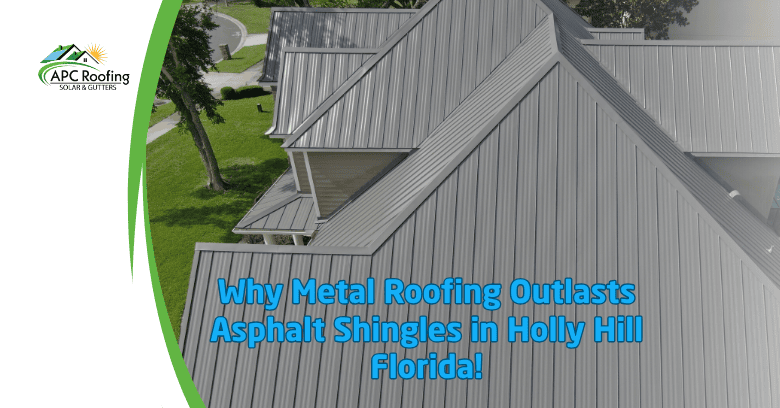
- Metal Roofing: Metal roofs are gaining traction thanks to their longevity, energy efficiency, and ability to shed snow and ice, a big plus in Denver winters. They are also highly fire-resistant, an important consideration in dry seasons.
- Tile and Slate: Tile and slate roofs offer exceptional durability and classic aesthetic appeal. While heavier and requiring reinforced framing, these materials are nearly indestructible and last for generations.
- Composite and Synthetic Options: Advancements in composite shingles replicate the look of slate or wood without their maintenance demands, providing a middle ground between cost, performance, and curb appeal.
- Impact-Resistant Shingles: Given Denver's occasional hailstorms, many roofers recommend impact-resistant shingles that stand up to punishing weather and can even lower your homeowner's insurance premiums.
When a Repair Makes Sense
In many cases, a simple repair is the smartest move, especially when:
- The damage is confined to a small area.
- Your roof is relatively new and under warranty.
- You are experiencing isolated leaks or shingle loss after a storm.
- Localized aesthetic corrections are all that is needed.
A qualified roofer can seamlessly match new materials to your existing roof, restoring appearance and performance.
When to Choose A Full Replacement
On the other hand, a full replacement is often the safer and more cost-effective option when:
- Your roof has reached the end of its serviceable life, 20 to 25 years for asphalt, longer for others.
- There is widespread or repeated damage.
- The underlying structure is compromised, such as from rot or chronic moisture.
- You are committed to upgrading to more energy-efficient or impact-resistant materials.
Replacement gives you a blank slate, modernizing both performance and aesthetics and providing a fresh manufacturer's warranty.
What to Expect During the Roofing Process
Whether you choose repair or replacement, a reliable roofing contractor will follow a systematic approach:
- Inspection and Consultation: Comprehensive assessment with a written report and photographs.
- Proposal: Clear explanation of recommended actions, material options, and costs.
- Scheduling: Coordination of delivery, crew, and any necessary permits.
- Installation: Professional execution, with attention to protecting landscaping and minimizing disruption.
- Cleanup and Inspection: Thorough site cleanup and final walkthrough so that quality standards are met.
Local roofers in Denver Colorado often offer emergency repair services in the aftermath of storms, providing rapid response when you need it most.
Navigating Insurance Claims
Many Denver homeowners deal with roof damage from hail or storms. Working with a roofing contractor who is experienced with insurance claims can streamline the process. They will document the damage, communicate with your insurer, and advocate for a fair settlement, saving you time and hassle.
Conclusion
Deciding whether your roof needs a fix or a full replacement is a significant decision that impacts both your home's safety and its value. By understanding the warning signs, evaluating your roof's age and condition, and consulting with a knowledgeable roofing contractor in Denver Colorado, you can make a choice that protects your investment and gives you peace of mind. Remember, a quick patch might seem like the easy solution; however, investing the time to explore all your options can save you from bigger headaches in the future.
If you suspect your roof needs attention, do not wait for small problems to become major ones. Reach out to a trusted roofer for a thorough inspection as many offer free consultations and estimates with no obligation. Whether you need a simple repair or it is time for a complete roof replacement, you will benefit from the security and confidence that comes with professional support.
Ready to protect your home and investment? Connect with a top-rated roofing contractor in Denver Colorado today to discuss your options so that your roof remains strong for years to come!
Key Takeaways
- Do Not Ignore Early Warning Signs: If you notice leaks, curling shingles, or granule loss, act fast. Ignoring these can turn minor issues into costly repairs or replacements.
- Understand Roof Serviceable Life: Most asphalt roofs last 20 to 25 years. If your roof is older or nearing this age, a replacement may be the smartest investment, especially considering Denver's extreme weather conditions.
- Work with a Local Roofing Contractor: Denver Colorado homeowners should prioritize hiring roofers familiar with the region's unique climate, weather patterns, and permitting requirements. Local expertise equals lasting solutions.
- Repair for Minor, Isolated Damage: If damage is minimal, a skilled roofer can repair affected sections and match materials for a seamless finish, extending your roof's overall serviceable life.
- Full Replacement for Extensive or Old Roofs: If damage covers over a third of your roof, or if structural rot is present, a comprehensive roof replacement is usually the wiser choice, protecting your structure and increasing resale value.
- Embrace New Materials: Modern roofing materials, such as impact-resistant shingles or metal roofs, offer better durability and energy efficiency. Ask your contractor which options are best for Denver homes.
- Factor in Long-Term Value: While repairs are often less expensive upfront, repeated fixes can add up. Analyze whether a full replacement offers better value over your roof's projected life.
- Check Insurance Eligibility: After storms or hail, your homeowner's insurance may cover significant repairs or full roof replacement. Work with a roofer who can assist with claims and documentation.
- Get Detailed Inspections: Insist on a comprehensive, photo-documented roof inspection and a transparent, itemized estimate before approving any work.
- Prioritize Safety and Professionalism: Always make certain your roofing contractor is licensed, insured, and well-reviewed. The right roofer will deliver quality workmanship, clear communication, and peace of mind throughout the entire process.
FAQs
1. How do I know if I need a roof repair or a full replacement?
A roof repair is often sufficient for minor, localized issues, while widespread or recurring damage, especially in older roofs, typically warrants a full replacement. A trusted roofing contractor in Denver Colorado can provide an expert on-site assessment to help you decide.
2. What is the average lifespan of a roof in Denver Colorado?
Most asphalt shingle roofs last 20 to 25 years in Denver's climate. Metal and tile roofs may last longer, sometimes up to 50 years, especially with proper maintenance performed by a skilled roofer.
3. Can I repair my roof myself or should I always hire a roofer?
While some minor repairs might seem DIY-friendly, hiring a professional roofing contractor provides safety, proper materials, and durability, especially in Denver, where the weather can complicate repairs.
4. What types of roofing materials are best for Denver's climate?
Impact-resistant shingles, metal roofing, and modern composites are popular choices for Denver homeowners. A local roofer can recommend the best materials for your home's style and climate needs.
5. How much does a roof repair typically cost in Denver Colorado?
Repair costs can range from a few hundred to several thousand dollars, depending on the extent of damage. Request a detailed estimate from a local roofing contractor, as prices can fluctuate with material costs and labor availability.
6. Is a full roof replacement disruptive to my daily life?
While a replacement is more involved than a repair, experienced roofing contractors work efficiently, minimizing disruption. Most residential replacements in Denver take 1 to 3 days, weather permitting.
7. Will a new roof increase my home's value?
Absolutely! A new roof not only boosts curb appeal but can also increase resale value, particularly in competitive markets like Denver, Colorado. Buyers appreciate knowing the roof is new and under warranty.
8. Can roof repairs or replacements be financed?
Many Denver roofing contractors offer financing options. Discuss payment plans and available promotions during your initial consultation to find a solution that fits your budget.
9. Should I schedule regular roof inspections?
Yes. Professional roof inspections, recommended annually or after major storms, can catch small issues before they escalate, saving you money and hassle over time.
10. How do I choose the right roofing contractor in Denver?
Research local roofers with strong reviews, proper licensing, and insurance. Ask for references, check credentials, and choose a contractor who communicates clearly and provides detailed estimates.