When it comes to protecting your home, few components are as crucial as your roof. In the heart of Denver Colorado, the weather can be notoriously unpredictable, hot, sunny days can give way to sudden snowstorms or hail without much warning. This volatility means that roofs in the Mile High City take a unique beating, often more than those in gentler climates. As a homeowner, recognizing the subtle and not-so-subtle signs your roof needs attention is key, not just for your property value but for your peace of mind and long-term savings. Many homeowners initiate contact with a roofing contractor at the first sign of trouble, understandably hoping a quick fix will suffice. Yet, there are certain situations where repair is not enough& and a full roof replacement is the safest and most cost-effective route.
Relying on a roofer's expertise is essential, but spotting roof problems early can save you thousands. In Denver, roofs are exposed to heavy snow loads, powerful UV rays at high altitude, and spring hailstorms that can leave even new shingles battered. Homeowners in this region must remain vigilant, especially as roofs age. While there is no one-size-fits-all rule, an experienced roofing contractor will always stress the importance of timely intervention: catch problems early and you might dodge a major replacement; wait too long, and even the best roofer cannot turn back time.
So how do you know when your roof is beyond repair? This guide details six unmistakable signs that indicate it is time to stop patching up and start planning for a new roof, drawing on years of experience from experienced roofing contractors across Denver Colorado. We will cover the telltale symptoms, why they are often overlooked, and how postponing replacement can make things worse. Whether you are battling leaks after a heavy rain or wondering why your attic feels damp, understanding these warning signals will help you make informed decisions and protect your most important investment - your home.
Denver's unique climate accelerates roof aging and damage, but the same principles apply throughout Colorado and similar regions. If you are searching for a roofing contractor near me or just looking for actionable advice from local roofers, this article will arm you with the insights you need. From visible wear to hidden water damage, recognizing when a repair is simply not enough could save you stress, money, and future headaches.
Let's uncover the six definitive signs your Denver roof is due for a full replacement, not just another repair.
1. Widespread Shingle Damage: Curling, Buckling, and Loss of Granules
One of the most common and obvious signals your roof is on its last legs is widespread shingle damage. In Denver's harsh climate, asphalt shingles can degrade more quickly than you might expect. When you notice large areas of curling, buckling, or granular loss, not just isolated spots, it is likely the underlying materials have deteriorated.
What does this look like? Shingles may lift at the edges, curl upwards or downwards, or appear blistered. Granules, the rough, sandpaper-like surface, might accumulate in your gutters, signaling the protective layer is wearing away. While a single patch could be replaced, extensive damage indicates the roof's integrity is compromised. A reliable roofing contractor will often recommend full replacement in these situations, especially if the damaged area exceeds more than 25% of the roof.
Denver-specific tip: The high-altitude sun leads to faster deterioration of shingle granules. Even if you do not see leaks yet, a roofer will tell you that bald shingles are a warning bell.
2. Frequent and Worsening Leaks - Especially After Storms
A small leak after a storm might seem like an isolated event, but recurring leaks are a major red flag. Denver's spring hailstorms and summer downpours put tremendous strain on roofs. If you are placing buckets during almost every rain or if water stains are forming on the ceilings of multiple rooms, it is time to get a professional assessment.
Why does this matter? Leaks indicate underlayment damage or failure of flashing, problems that patching will not fix for long. Once water infiltrates, it can quickly rot the decking, compromise insulation, and even lead to mold growth. Multiple or expanding leaks are a clear indication that piecemeal repairs are not sufficient. An experienced roofer and roofing contractor will confirm: addressing only the visible leak does not solve systemic roofing failures.
3. Significant Sagging or Structural Damage
A roof should always look straight and even. If you notice even minor sagging such as a slight dip between rafters, a bowed section, or even a visible bulge, it is a sign the supporting structure may be failing. Sagging can be caused by water damage, prolonged snow load, or even previous repairs that masked, rather than solved, the issue.
Warning signs to look for: Uneven rooflines, dipping areas, or spots where shingles look sunken in. Sometimes, you will see these from the curb; other times, they are only visible from inside the attic, where rafters may be cracked or split.
Do not ignore this in Denver: Heavy, wet spring snows can accumulate on roofs, pushing aging structures to their breaking point. If you spot sagging, call a roofing contractor immediately as a replacement may be the only safe option.
4. Chronic Ice Dams and Poor Ventilation
Ice dams, those ridges of ice that form at the edge of your roof in winter, are an all-too-common sight in Colorado. While often associated with poor attic insulation, recurring ice dams can also signal a failing roof. Damaged or aging roofs allow warmth to escape, melting snow that then refreezes at the gutter line, creating a cycle of leaks and damage.
What makes this a replacement issue? Suppose you have upgraded your insulation and are still battling ice dams or noticing damp attic insulation and musty odors. In that case, the roof's materials may be too worn or compromised to provide proper thermal protection. Persistent moisture issues lead to rot, mold, and structural problems that no repair can adequately address.
Ask your local roofer: Chronic ice dams are often a hint that your entire roofing system of shingles, underlayment, ventilation is ready for an overhaul.
5. Age of the Roof - Approaching or Exceeding Serviceable Life
Do you know the age of your roof? In Denver, most asphalt shingle roofs last 15 to 20 years due to the harsh elements, even if manufacturers claim a longer serviceable life. Tile, metal, and other materials can last longer, but no roof is immortal.
Why replacement trumps repair: When your roof nears the end of its expected serviceable life, repairs are often like putting a bandage on a broken limb, temporary at best. Attempting to repair old materials can lead to a cycle of escalating costs, frequent calls to your roofer, and a roof that is never truly sound.
Pro tip: If your Denver home's roof is over 15 years old, especially if it is showing other signs of wear and tear, start budgeting for a replacement now. An experienced roofing contractor will always recommend proactive replacement before catastrophic failure occurs.
6. Major Storm or Hail Damage Across Large Areas
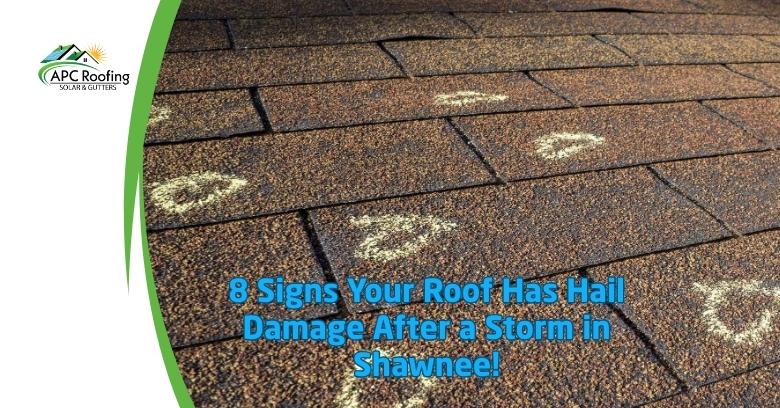
Finally, do not underestimate the toll of Denver's notorious hailstorms. While some storms create only cosmetic dings, a major event can cause widespread shingle cracks, punctures, or loss. If 30% or more of your roof is damaged after a storm and especially if you spot leaks or visible impact marks, insurance companies and roofing contractors alike will often recommend replacement over repair.
Denver-specific context: Large hail, common along the Front Range, can destroy even newer roofs in a single afternoon. After a big storm, schedule a thorough inspection with a certified roofer. Do not assume repairs are sufficient as hidden cracks may worsen as freeze-thaw cycles expand the damage.
Making the Right Decision: Consult a Trusted Roofing Contractor
Deciding between repair and replacement is not always easy, but understanding these six warning signs gives you a head start. Whenever possible, consult a licensed and insured roofing contractor who understands the unique climate and common roofing issues in Denver. Many offer free or low-cost inspections, helping you make an informed decision before minor problems become major expenses.
Remember, reliable roofers want you to have a safe, durable home and sometimes, that means replacement is your best option. Being proactive protects your investment, your comfort, and, most importantly, your peace of mind.
Conclusion
Replacing your roof can feel like a daunting process, especially in Denver Colorado where the local weather is unpredictable and demanding. Homeowners often hope that small repairs will keep larger expenses at bay, but understanding the six signs detailed above puts you in control. Widespread shingle damage, recurring leaks, structural sagging, persistent ice dams, an aging roof, and major hail damage are all strong indicators that replacement, not repair, is the wisest move.
By working closely with a knowledgeable roofing contractor, you can maximize your property's value, ascertain your family's safety, and avoid the escalating costs that come from delaying a necessary replacement. Denver roofers are experienced in managing the unique properties of roofs in our region; their expertise can save you from potential headaches and costly surprises down the road.
If you have noticed any of these warning signs, do not wait. Schedule an inspection with a local roofer and explore your options. Investing in a new roof is an investment in peace of mind, energy efficiency, and the long-term health of your home.
In the end, the surest protection against Colorado's extreme weather is a solid, professionally installed roof. Trust the expertise of your roofing contractor and take action at the right time - you will thank yourself later!
Key Takeaways
- Widespread Shingle Damage Signals Replacement Needs: If you observe curled, buckled, or missing shingles across large roof sections, it is a warning that the roof's integrity is seriously compromised. Do not settle for patch jobs; call a roofing contractor for a full evaluation.
- Recurring Leaks Are More Than Just Annoying: Water spots or leaks that keep returning after repair attempts likely indicate underlayment or flashing failure. Denver's variable weather can accelerate this damage, requiring a roofer's in-depth assessment for potential replacement.
- Sagging Rooflines Require Immediate Attention: Any visible sag or dip along your roofline is a structural warning sign. Left unchecked, this may lead to partial collapse, especially after heavy snow. An experienced roofing contractor in Denver will always prioritize safety and recommend replacement for major sagging.
- Chronic Ice Dams Hint at Deeper Problems: Ice dams forming every winter, despite good insulation, suggest your roofing system is failing. Damp attics and musty smells mean water is sneaking in and only a complete roof overhaul can stop the cycle.
- Roof Age Matters More in Harsh Climates: In Denver, even supposed 30-year shingles often last just 15 to 20 years due to intense UV, snow, and hail. Repairs on older roofs rarely last, making budgeting for a new installation often the smarter long-term choice.
- Major Hail or Storm Damage Calls for Action: Extensive hail or wind damage, especially affecting large roof areas, usually makes repairs cost-prohibitive. Insurance companies and roofers alike often recommend a full replacement for comprehensive protection.
- Efficient Roofing Contractors Know When to Recommend Replacement: Trusted Denver roofing contractors can identify signs when repair is not enough. Rely on their expertise to protect your investment and avoid recurring costs.
- A New Roof Protects Energy Efficiency and Home Value: Old or damaged roofs allow air and water leaks, which can spike energy bills and increase the risk of mold issues. Replacement immediately improves insulation and boosts your property's curb appeal.
- Postponing Replacement Raises Costs: Waiting too long to replace a failing roof often leads to collateral damage including rotting wood, ruined insulation, and even interior drywall repairs. Addressing your roofing needs promptly saves you money in the long run.
- Local Roofers Offer Tailored Solutions: Roofers in Denver understand the particular challenges posed by our climate. Trusting a local roofing contractor means your new roof is built to withstand Colorado's extreme conditions and lasts for years to come.
FAQs
1. How can I tell if I need a roofing contractor or just a quick repair?
If your roof has minor, isolated damage like a missing shingle, a repair may be sufficient; however, widespread issues such as recurring leaks, sagging, or shingle wear typically require a comprehensive assessment by a professional roofing contractor in Denver.
2. What makes Denver Colorado roofs more vulnerable to damage?
Denver's high elevation means stronger UV rays, rapid temperature shifts, frequent hail, and heavy winter snows, all of which accelerate roofing wear. Local roofers are well-equipped to address these challenges.
3. Can I postpone a new roof if I see only small leaks?
Postponing roof replacement often leads to more significant and consequently, more expensive problems. Small leaks can indicate underlying issues, which only a thorough inspection by a certified roofing contractor can properly diagnose.
4. How long should a new roof last in Denver Colorado?
Most asphalt shingle roofs last 15 to 20 years here, while tile and metal may last longer. Of course hailstorms and UV exposure sometimes shorten that serviceable life, making regular inspections by a roofer essential.
5. Are there benefits to replacing my roof before it completely fails?
Absolutely! Proactive roof replacement avoids emergencies, prevents collateral damage, improves energy efficiency, and may lower homeowners' insurance premiums.
6. Will insurance cover my roof replacement after a Denver hailstorm?
Many insurance policies do cover roof replacement for hail damage, especially when a roofer documents widespread destruction. Always check your policy and consult a trusted roofing contractor to help navigate the claims process.
7. How do I choose the best roofing contractor in Denver?
Look for contractors with strong local references, proper licensing and insurance, and a reputation for honesty. Ask if they have experience with Denver's unique climate challenges.
8. What roofing materials work best in Denver's climate?
Impact-resistant shingles, metal roofing, and high-quality underlayment perform well in Denver. A local roofing contractor can recommend materials best suited for our weather extremes.
9. Can a new roof increase my home's value?
Yes! A new roof boosts curb appeal, increases energy efficiency, and reassures buyers, making your home more attractive on the market.
10. Should I schedule annual roof inspections even if I see no damage?
Definitely. Regular inspections by a certified roofer help catch issues before they escalate and are the best way to maximize your roof's lifespan in Denver Colorado.