Hoping to find Commercial Roofing Installation in Holly Hill Florida?
APC Roofing installs and mends membrane and metal coverings on business buildings, with the flashings, outlets and trim included.
Dial 386-356-2111 and a roofer will go up top and check every part.
Above a Shop or Office: Setting the Scene
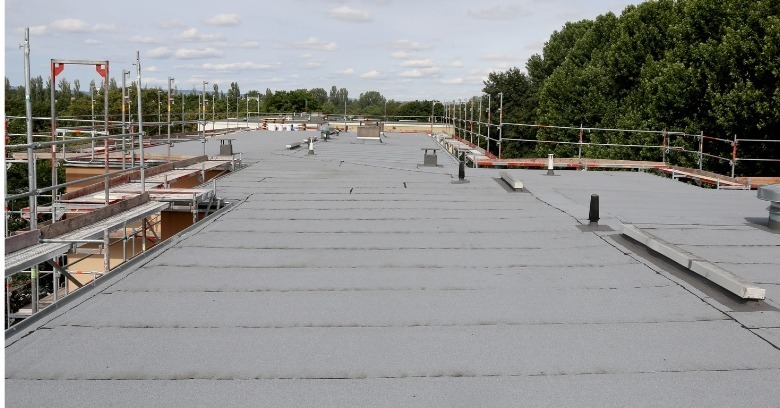
Staff, stock and machinery sit beneath the membrane, and a leak can halt sales rather than just mark a ceiling. Across a large building, the upper surface is broad and barely sloped, so rain runoff and wind loads are set by design numbers.
Air handlers, fans and communications gear sit on the membrane, and each duct, line or support passes through the waterproofing. The activity indoors steers the selection of materials, and a freezer warehouse needs details an office never does.
Common Low-Slope Materials: a Plain Primer
Single-ply goods such as TPO, PVC and EPDM go down as one broad layer, modified bitumen is asphalt with polymers added, supplied in rolls, and built-up roofing stacks felt and hot tar in plies. Thermoplastic seams are welded with heated air, but rubber is spliced with tape over a primed surface.
Restaurant hoods blow grease out beside the fans, and oily buildup degrades asphalt and EPDM coverings, so PVC is a common pick for the spot. A built-up roof topped with gravel is heavy and long-wearing, and the aggregate shields the bitumen from sunlight.
Panel Roofs on Low Buildings: What to Watch
Some profiles are held down by screws driven through the flat of each sheet, and the purlins below take the grip. Sunlight bakes the washers until the rubber splits, and thermal movement works the fasteners loose over time.
A standing-seam system uses clips hidden inside raised ribs, which lets each pan glide lengthwise. Red rust breaks out at laps and along cut edges, and an elastomeric coating over sound metal can keep the damage in check.
Decking on Big Buildings: Grip and Strength
The structure underneath decides how everything above is secured, and a new covering goes over the same framing. Fluted steel accepts screws readily, a poured slab gets adhesive or anchors in bored holes, and wood planking takes ring-shank nails or plates.
Old, slow leaks corrode patches of a metal deck, and failing stretches are replaced rather than covered. Wherever the interior is exposed, the underside gets a look from a lift, and exploratory openings from above reveal the remainder.
Attachment Methods: Matching the Choice to the Site
Many installations are fastened with plates screwed along every lap, adhered work is stuck down across the full surface, and ballasted sheets lie free beneath river rock or concrete pavers. The deck, the building's height and the site's exposure steer the decision, and a heavy design goes ahead only once the framing is confirmed adequate.
A fastened membrane lifts and drops between plates in a gale, but an adhered sheet lies quiet and demands a dry, clean base. On ballasted work an inspection drags, because the stone or pavers must be moved aside to expose a seam.
Uplift on a Big Building: Planning the Attachment
Each corner feels the hardest pull, because moving air curls and speeds up on spilling over the edge. A band along each side takes somewhat less, and the central field is spared most of the load.
The fastening pattern gets denser toward corners and edges, with spacing taken from code tables for the building's height and exposure. A thinly anchored outer angle can peel back, and air forced underneath keeps widening the opening.
Foam Insulation – an Overlooked Component
Polyiso is set on the deck in one or more courses, and a tough cover board over the stack takes foot traffic. Insulation keeps conditioned temperatures indoors, and tapered units can slope a dead-flat deck to the outlets.
Wet polyiso loses much of the R-value, and the soggy material sags while rust spreads beneath. Meter readings confirmed by cut cores trace the extent, and nothing ruined is left under a new covering.
Where Runoff Exits: Clogs and Standing Water
Each interior sump wears a cast strainer dome, so debris stays out of the leader below. Silt plastered over the grate cuts the flow to a dribble, so a shallow lake forms across the low area.
Codes call for a backup outlet mounted above the main drain, and a stream from the upper spout shows the ordinary route has stopped. Ponding piles extra weight onto joists sized for far less, and a puddle that survives two days hints at settling or a choked strainer.
Finding the Source of a Drip: Why Care Pays
The mark on a suspended ceiling shows where moisture landed, and the break in the membrane can sit many yards away. Steel decking guides runoff down the corrugations, and gaps between insulation boards add more routes.
Up top, the laps, curbs and outlets uphill from the mark are inspected, and electronic leak detection can locate a pinhole. Guesswork patches above the ceiling spot usually miss, and moisture finds a way in at the next storm.
Package Units Overhead – a Closer Look
Every heavy machine rests on a curb built up from the deck, and a flashing sleeve climbs the walls to a formed metal hood. Inside corners need preformed pieces or patient detailing, and a rushed job leaves gaps for rain.
A new unit from the HVAC contractor may sit on an adapter with no flashing, and stains appear below a few storms later. A trickle from a condensate pipe wears a streak of slime into the membrane, so the stream ought to be carried to a drain.
Objects That Rise Above the Surface: Details That Add Up
A preformed boot, cinched with a band, covers each round stack, and irregular shapes sit in a pitch pan of pourable sealer. Sun and seasons shrink the compound until cracks open, so a fresh layer goes on every maintenance list.
Electrical conduit and gas lines ride on blocks simply set in place, as a stand screwed into the deck punctures the waterproofing. A rubber pad beneath every foot distributes the weight, and the cushion saves the sheet from abrasion as the piping moves.
Glazing and Access Points: What Wears
Acrylic panes yellow and turn fragile after years of sun, and hairline breaks radiate from each fastener. A tired gasket on a skylight admits water, and the sheet nearby is wrongly suspected.
The access hatch is lifted on every service visit, and constant use loosens hinges and flattens the weatherstrip. Heat-activated vents over a warehouse are designed to fling wide, so nothing placed during roofing work may pin the covers down.
Walls That Rise Past the Deck: Staying Dry
The field sheet continues upward as base flashing, a termination bar grips the upper end, and a strip of counterflashing overlaps from higher up. Coping along the crest keeps rain out of the core of the parapet, yet a single open butt joint sends runoff downward.
Unsealed brick draws water in and carries moisture indoors, and to anyone downstairs the wet ceiling seems like a roof leak. The coping, the wall and every flashing are reviewed together with the field, and loose mortar is repointed rather than coated over.
Edge Metal Without a Parapet: Rated for Uplift
Along the eave, a long cleat grips the hemmed lip of the flange, and a cover strip seals the sheet to the horizontal face. Gauge and profile are matched to the wind exposure at the building's height, since a bent clip can let a gust peel a whole stretch.
Gutters along a long eave take a huge volume in a storm, so hanger spacing and outlet size follow the flow. Bent or lifted trim belongs on the repair list, and fastening down loose runs helps stop the membrane peeling away.
Foot Traffic From Technicians – Keeping Damage Down
Mechanics who tend the condensers make the same trip many times a year, and the direct path slowly abrades the covering. An abandoned screw gets forced through the sheet by a passing boot, and a falling wrench can split the sheet.
Thick rubberized pads trace a safe path to each unit, and wear ends up on material built for foot traffic. Property managers can ask each contractor to keep off bare membrane, and a bucket for scraps and screws keeps the membrane clear.
Upkeep Through the Year – the Routine
Owners of commercial property do well to arrange a walk-through twice annually, and a damaging storm earns an additional check. Routine care lifts and empties each strainer, seam edges are tested with a probe, and caulked joints are examined for cracking.
Ahead of the stormy months, outlets and perimeter metal get close attention, and a return after rough weather finds what shifted. Small problems are noted against a drawing of the building, which lets repairs be scheduled instead of rushed.
Documenting a Covering: Kept for Later Years
A scaled drawing shows where each unit, drain and hatch sits, and a section view names each material from deck to membrane. Photos with dates accompany every repair entry, and core and scan results are added whenever taken.
Countless older buildings reach new owners with no history attached, which leaves every new contractor guessing. A roof log stays with the site, and a copy passes to the next manager or buyer.
Repair, Restore or Replace – Letting Condition Rule
A membrane that is mostly intact needs only spot patching, and a worn surface with dry layers beneath can take a fluid-applied finish. Insulation ruined over broad areas points to tear-off, and brittle joints throughout lead the same way, but the calendar alone is no verdict.
Pressure washing and repairs have to precede the coating, and material below that holds water never dries out. Swapping only the ruined sections is sometimes a sensible middle course, if the rest of the sheet remains in good shape.
Reroofing Options: Code and Condition
A recover lays new membrane over what is already there, and a cover board sits in between. Code permits a second covering, never a third, and the foam underneath must be dry.
A full tear-off removes every layer, right down to bare metal or concrete, so rusted or soft decking gets fixed in the open. A tapered system can be designed to empty the low spots, and saddles between drains steer water sideways.
Clues Around the Building – Before Leaks Spread
- Water pouring from an overflow scupper during rain, which betrays a choked everyday outlet.
- A tan mark on acoustic tile that keeps growing, which indicates water reaching the interior.
- Dark streaks running down the outside wall below a scupper, which can come from open joints up top.
- A gravel stop that moves when a gust hits, which can put the membrane at risk in a storm.
- Puddles seen from the hatch that linger for days, which can indicate a settled structure or a fouled drain.
- A yellowed, brittle skylight lens, which is ready to fail at the frame or under a load.
- Wet insulation hanging from an open ceiling, which points to an entry somewhere on the membrane.
- A gutter that overflows along the front edge in rain, which can send runoff behind the fascia.
How APC Roofing Plans Commercial Roofing Installation in Holly Hill Florida – Our Sequence
The first thing we examine is each drain, scupper and overflow, and the laps, curbs and perimeter come next. When a leak is present, the boards beneath are scanned, and the advice waits for the numbers.
Everything we find is written up with photographs and a sketch, and every defect is keyed to a location. The recommendation names repair, restoration or replacement, and the reasoning is laid out for you to question.
Commercial Roofing Installation for Property Owners in Holly Hill Florida: What Needs Doing Up Top
Dial 386-356-2111 and we will schedule a time to come out.
Sharing the Building – What Gets Agreed
Drilling a steel deck sounds like thunder to everyone below, and glue fumes can travel down through open intakes. The facility manager hears in advance when the noisy stage is coming, and outside-air vents next to the work can be sealed for the day.
A crane or chute takes stripped material to a bin, and shelving or machinery directly below can be tarped. Low-odor adhesives cut down the smell considerably, and the gentler choice suits a building full of people.
Sequencing a Big Replacement – Order and Timing
Crews remove only as much old covering as can be made watertight by evening, and new insulation and membrane go onto the opened area in the same pass. A cutoff between finished and untouched portions keeps rain out overnight, and the patch comes out once progress picks up.
Radar and forecasts govern how much comes off, and a front on the way shrinks the stretch. Unprotected boards caught in a cloudburst soak through, and runoff may find a path to the offices underneath.
Seasons and Storms – What Changes by Market
The colder end of our territory adds hail and snow load to the list, which argues for tough cover boards and a structural check. Across all the towns we serve, UV and high temperatures age a membrane, so a bright, reflective finish reduces solar gain.
At the coastal end, attachment is engineered for hurricane gusts, and torrential rain makes backup outlets essential. Glues and primers carry a temperature floor, whereas welded seams can go down in cool weather but never onto a wet deck.
Keeping People Safe Overhead – Measures Worth Having
Where the wall is low or missing, nothing catches a misstep over the side, and anyone near the edge works inside warning lines or clipped to anchors. Skylights look solid yet break under a careless step, and fixed screens rule out a plunge into the space below.
Anchor points installed for good serve every trade that follows, and a self-closing safety gate beside the hatch adds a barrier. A missing screen or warning line is flagged in our findings, because a drop from a single floor can badly hurt someone.
For Commercial Roofing Installation in Holly Hill Florida, contact APC Roofing at 386-356-2111. We will go over the entire field, drain by drain and seam by seam, and you receive the findings in writing and decide from there.
Verified

Verified
Verified
Verified