
Maybe you’re shopping for a new roof and keep coming back to tile. Or you already have tile, a few pieces have cracked, and you’ve heard that tile roofs can leak even when they look fine. Tile roofing in Greater Orlando is a long-term investment either way, and it’s hard to know which roofer actually understands what’s going on under those tiles.
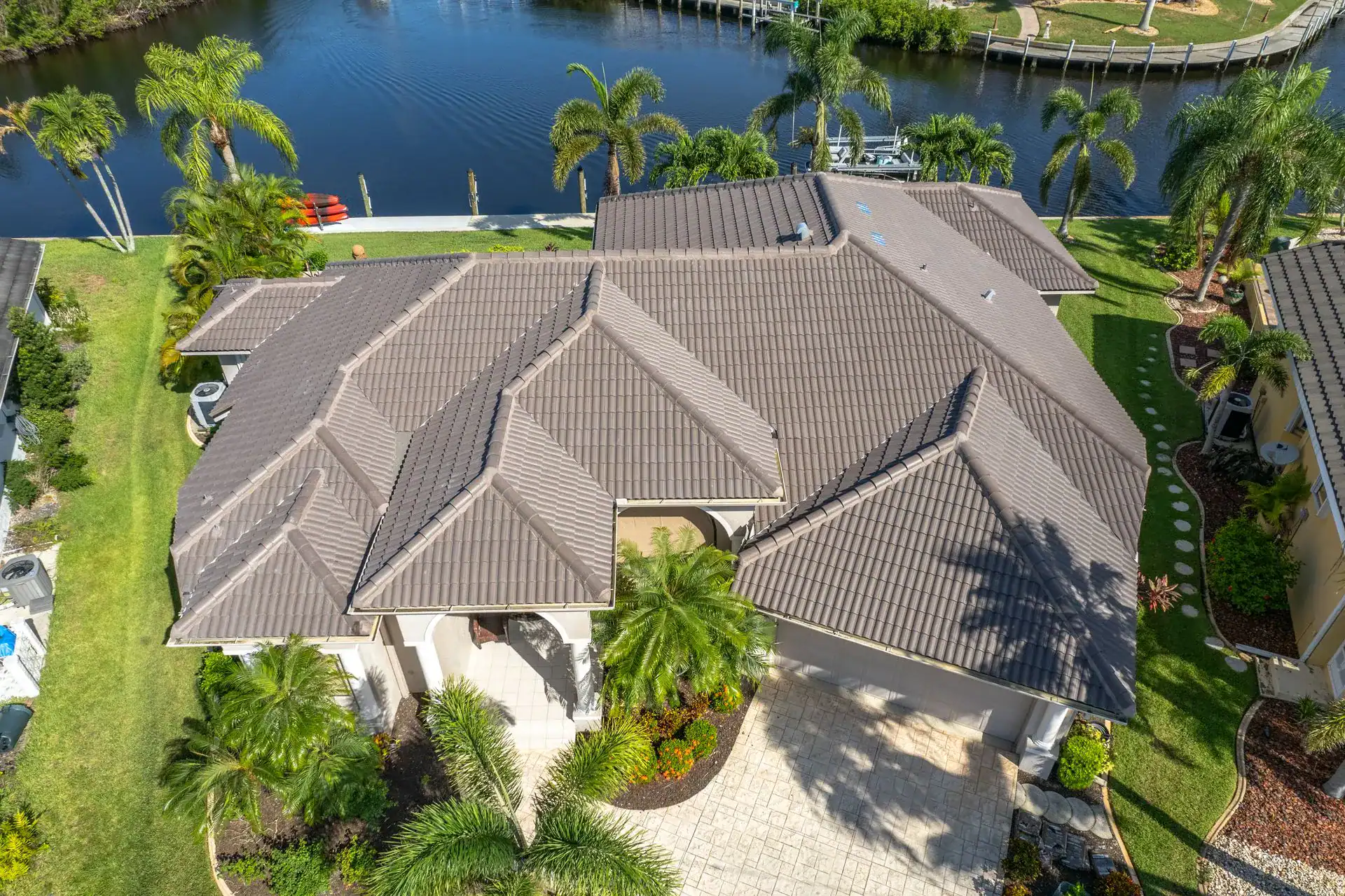
You deserve a plain explanation before you spend anything. That’s what this page is for, and it’s what you’ll get from us on your roof.
APC Roofing is based in Clermont and works on tile roofs across the Orlando area. We’re GAF Certified, licensed in Florida (CCC1337030) and insured, and the inspection and estimate are free. Call 407-270-1129, or see everything we do in the Greater Orlando area.
Tile roofing in Greater Orlando: why so many homes choose it
Tile suits this climate. It shrugs off years of sun and lasts for decades when it’s installed right. Most tile profiles also sit up off the deck a little, so air moves under them and carries away some heat before it reaches your attic. On a long Orlando summer, that helps.
A few tradeoffs come with it. Tile is heavy, and the house has to be framed for it. It cracks if someone steps in the wrong place. And the waterproofing layer underneath, the underlayment, wears out long before the tile does. That last point is the one most homeowners don’t hear about until there’s a leak.
Clay vs. concrete tile in the Orlando area
Both are common here, with concrete on most homes.
Clay tile is fired, so the color goes all the way through and stays rich after years of sun. It absorbs very little water and can outlast the house when it’s cared for.
Concrete tile is pressed from sand and cement and cured rather than fired. The color on many products is a surface coat, so it fades slowly, and a chip shows gray. It comes in more profiles and is the more common pick on Central Florida homes.
Profiles fall into three families. Barrel, or mission, tile is the classic rounded Spanish look. S-tile combines the pan and the cap into one piece. Flat tile looks more like slate or thick shake. The profile changes the look of the house more than the material does, so it’s worth seeing a few in person.
Switching to tile from shingles
A tile roof weighs several times more than an asphalt shingle roof. A house built for shingles may not be able to carry it without help, and too much weight can show up later as a sagging ridge. Before any conversion, a structural engineer should check the rafters and spans. Sometimes the answer is reinforcement, and some manufacturers make lighter-weight concrete tile for exactly this situation.
If your HOA has rules about roof material or color, check those early too.
What a good tile installation looks like here
In Florida, how tile is fastened is set by the Florida Building Code and the tile maker’s instructions. Depending on the product, that means foam adhesive, screws, clips or a mix, with extra hold-down at the edges, hips and ridges where hurricane wind pulls hardest.
Under the tile, the underlayment does the real waterproofing, so the quality of that layer matters as much as the tile you choose. Valleys need open metal channels wide enough for a heavy summer downpour. Walls and chimneys need wide flashing pans, never a bead of caulk. Pipes need flashing that’s shaped to the tile. A bid that’s vague about any of this deserves a follow-up question.
Tile roof repair or replacement?
Most tile roof problems start small: a cracked tile, a slipped piece, a ridge cap with crumbling mortar, a leak at a wall. Those call for a tile roof repair, using a matching tile where one is still made.
When the underlayment has worn out across a slope, the fix is usually a re-lay. The tile comes off and gets stacked, new underlayment goes down and the good tile goes back on. A full replacement makes sense when the tile itself is failing or you want a new look. Tile jobs take longer than shingle roofs, and you’ll get a realistic timeline in writing.
How it works with APC Roofing
- Book your free inspection. Call 407-270-1129 or request a free online estimate.
- Get a clear, honest assessment and estimate. We walk every slope, lift tiles where the underlayment needs a look and check the attic. You get photos, a plain verdict and every material named in writing.
- Your roof gets done and the site gets cleaned up. The crew protects your landscaping and hauls away the debris.
Financing is available through Aqua Finance, Fortifi, Hearth and Home Run Finance.
Tile roofing questions from Orlando-area homeowners
Is a tile roof worth it in Central Florida?
For many homes, yes. Tile handles heat and sun well and lasts for decades. The tradeoffs are weight, a higher upfront cost than shingles and the need to replace the underlayment at some point.
How do I find tile roofers in Orlando I can trust?
Look up the Florida license number on the state’s license search, ask for proof of insurance and get a written estimate that names the tile, the underlayment and the fastening method. APC Roofing’s license is CCC1337030.
Can my house handle a tile roof?
If it was built with tile, yes. If you’re switching from shingles, an engineer should check the framing first.
How long does a tile roof replacement take?
Longer than a shingle roof. The size of the roof and whether tiles are being reused both affect it, and you’ll get a timeline with your estimate.
A roof that’s built to last
Tile problems tend to grow quietly. A broken tile exposes the underlayment to sun, and once that layer fails, water gets into the decking long before anything shows on the ceiling.
Years from now, the storms keep coming and your roof keeps doing its job. A dry house, no surprise bill and a roof you chose with your eyes open. Call 407-270-1129 to book your free inspection, or start with our free online estimate.


















