Searching for Hurricane Damage Roof Repair Near Greater Orlando Metro Area?
APC Roofing inspects the shingles once conditions have settled, checking every edge and photographing what is there.
Call us at 407-270-1129 and describe what you are seeing from indoors.
What Fast Air Does to a Roof: a Detail Worth Knowing
The greatest pressure gathers at the eaves, the rakes and the ridge, though a plain stretch across the middle goes largely untroubled. Air that gets under a raised lip pries at the shingle set above the lip, and a fastener beneath a shingle is left holding on unaided.
Where two exterior faces meet, wind tumbles rather than running smooth, so a tighter attachment pattern goes into that area during installation. A course close to a projecting edge takes more punishment than a course near the ridge, so extra fasteners there exist for exactly that reason.
A Last Step the Sun Finishes – Easy to Miss
Asphalt shingles carry a line of sealant that fuses down to the row set beneath, and that formed hold is what stops rain from working up under a lap. A hard gust can break a bond across a stretch of roof, though nothing shifts out of place in the first hour after.
A course carrying a broken seal only reveals trouble when the wind stirs again, and a fastener gets wet as soon as that joint fails. Left alone, a single unsealed shingle is a minor thing, though several shingles parted together make a doorway rather than a blemish.
The Number on a Package: Read With Care
A laboratory fastens new shingles to a test panel and seals every tab by hand, and only then does a machine bring the airflow up to speed. A roof already carrying a season or two of harsh weather no longer behaves like unweathered asphalt, so an early rating speaks to day one, never to a roof much later.
Fastening outside the marked zone leaves a shingle with a weaker hold, which puts the actual limit under a label's stated figure. Heat and cold cycles work a shingle's mat until stiffness sets in, and a laboratory rating fits new construction, never an older roof.
What a Hailstone Does to a Roof: Under the Surface
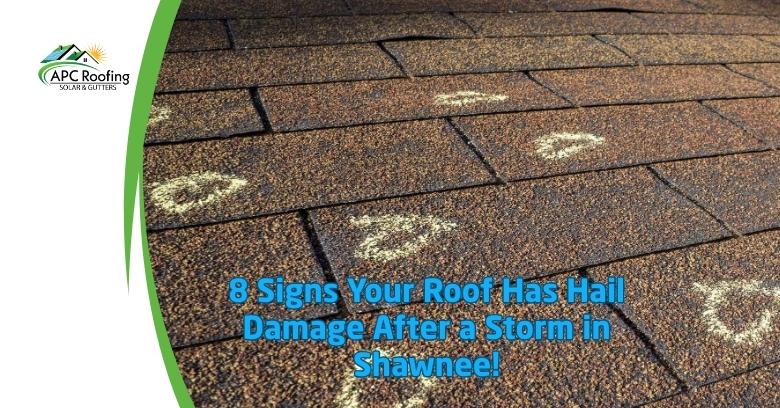
Storms crossing the colder end of our territory carry the largest stones, and a few minutes of that can change a covering for good. A hit presses the mineral coat into the mat sitting beneath, and a dimple stays on a shingle after a storm passes.
What stops rain from reaching a deck lies under the topmost grit, which is why a weak spot at that depth matters most. A struck shingle weathers faster than a sound shingle nearby, and a roof weakens in patches rather than all at once after a wide hailfall.
What Else Takes a Beating: Easy to Walk Past
Impact a shingle survives leaves a mark on a metal cap, because bent material never straightens back out without help. A boot opened by a strike lets water follow a pipe downward instead of around a pipe, and a ceiling underneath is usually where that water first appears. A gutter knocked about at the front still moves water as designed, though a squashed downspout keeps the length above a squashed section from emptying out.
Lighter items up on a roof get checked the same way as the shingles, and measurements cover trim as carefully as the shingles. A split collar, a warped flange and a battered gutter face rarely turn up without a shingle nearby in equally rough shape, and neither kind of damage shows up alone.
A Trickle of Sediment – Reading the Runoff
Colored granules bedded into a shingle block sunlight from reaching the asphalt below, and a sheet with nothing left on top goes brittle fast. A hard rain washes displaced grains all the way to a gutter, and a handful scooped from that spot says plenty about the roof.
Bare spots widen as the sheet beneath a bare patch dries out, so a minor patch grows into a larger fault over time. Coarse sand sitting in a trough came off a shingle not long before, and tracing grains back to that slope is straightforward for a roofer.
A Leak That Only Happens in a Blow: Where Water Is Not Meant to Go
A lapped run of shingles handles whatever comes from directly above, which is why angled weather overwhelms defenses built only for a plumb, downward arrival. Off-ridge vents let spray past open baffles once wind picks up, so the deck nearby can darken with no tear anywhere on the slope.
Debris From a Tree: Harder Than the Damage Looks
A hard knock concentrates pressure into a tight area, and the framing takes the full brunt of that force. Boards can splinter under a blow the surface layer survives, so an inspection covers both the top of the slope and the space beneath.
A swaying bough polishes a bright curve into the granules a branch touches, and the outline stands out clearly once the pattern is known. Fixing a split board means taking the covering off above the split, and the scope of the job depends on what lies beneath the surface.
Reading the Underside of a Deck: Simple to Follow
Brightness passing through the framing tells where the covering gave way, and the precise location can be pinpointed against a truss or the end wall. Wet plywood darkens, and the tips of nearby nails often show rust, which lets a roofer trace the mark back to the break above.
Insulation flattened in one place shows where runoff has settled again and again, and material packed down that way stops insulating long before the fibers look worn. Rain entering at an end wall can land nowhere near an actual hole above, which spares a sound roof plane from being opened for no reason.
What a Bubbling Ceiling Says – the End of a Long Path
A brown ring on the drywall lands downhill of where rain first entered, because water can travel the length of a rafter before any hint develops. Paint lifting into blisters shows a board stayed wet for a stretch of time, and appearance on that surface says almost nothing about the size of a break.
A light fixture that drips calls for cutting power to that circuit at once, because live wiring beside standing water is the greater danger. Staining on both sides of a chase usually points at the metal overhead, and the upper joint where flashing meets brick gets checked in the same pass.
Thin, Exposed and Essential: Quietly Doing Real Work
Every wall unit up there is fastened and lapped at the same time, so pressure acting under a slack seam undoes both requirements at once. Wind lifting a rake edge can peel that length of metal back off the trim underneath, and the covering can begin to unzip from that corner inward.
Ridge caps sit in the roughest airflow on a roof and can still come away as a unit, and slack fastening opens the seal on the seam sitting beneath. A vent lifted at one end leaves a slot running the length of the piece, so insulation across a wide stretch can end up wet, not just underneath.
Domes and Glass Panels – Not the Same as a Window
A raised curb holds a skylight's glazing clear of the shingles nearby, and courses step around that rise in a set sequence. A heavy jolt can ruin the upper pane without touching the seal below, so a new cap goes in at the same time.
A dome struck by hail can splinter into a web of fine lines, so a hairline flaw rarely stays hairline for long in bright weather. Moisture trapped between the panes of a sealed glass unit means the edge seal has failed, and that fixture gets swapped rather than dried out.
A Rate Nothing Can Match – Watching for the Backup
A sudden downpour can pass along more volume at once than a trough can handle, which sends standing water toward the wall rather than clear of the house. A wad of debris at an outlet can leave an entire drain line backed up behind that point, and a blocked length can sag out of line over time.
A Placeholder, Nothing More: Made to Outlast the Wind
A sheet fastened over an opening can keep rooms dry while a proper fix waits, and that covering is never the end of the job. A covering run over the ridge and down both slopes moves water downhill as designed, so a support strip backed by lumber spreads the load across a wider stretch.
A sheet left loose at the corners can turn into a sail in a stiff wind, which does more harm than leaving a gap exposed in the first place. Driving nails through sound shingles just to hold a cover adds new leaks later, which keeps the rest of a slope free of new punctures.
Putting Findings on Paper: What a Roofer Writes Down
The state of the house gets captured on camera while conditions are still current, and every face of the house gets included in that record. Each damaged spot gets a number attached in ordinary figures, because a mark's true size is hard to judge without a reference point.
Weather keeps working on an open roof within days of a storm passing, and every passing day can blur a mark that was once sharp. Any review of the property draws on findings written up in ordinary language, and none of that material gets altered for anybody's benefit.
Strange Faces at the Curb: Worth a Second Thought
Vehicles with out-of-area plates can work a neighborhood for days after a big storm, and only some of that traffic stays in the area for long. Paperwork handed over on a driveway still counts as a real contract, and there is always time to think before committing to anything.
A contractor whose office sits nearby stays reachable long after the work is done, which is no small consideration when picking who does the work. Pressure to sign a contract before anyone has been on the roof is worth resisting, and a damaged roof rarely changes meaningfully overnight.
What a Repeat Visit Brings: Back Again
A roof that lost some grip once needs less wind the next time to lose more, and a lighter storm can then do what a harder one did before. A shingle folded once in a strong wind carries a crease from that event onward, so a shingle in that condition becomes a solid candidate for replacement.
A path opened by one storm lets the next storm's water travel further, and interior finishes end up part of the repair once that happens. Sheathing soaked more than once loses grip on the fasteners driven into the wood, and covering over material in that condition wastes the new stock used.
Things Worth Checking After a Storm – a List for a Homeowner
- Tabs missing, creased or turned up along a rake, visible without climbing a ladder.
- Soft metal marked where a stone or a branch made contact, wherever thin sheet sits exposed.
- Coarse sand lying in a trough, heaviest right after a hard rain.
- Light where there should be none up top, near a vent or a stack.
- A brown ring on a ceiling that grows after rain, however small a mark looks at first.
- Staining on both sides of a chimney chase, appearing only after heavy weather.
- A star-shaped crack in a plastic cover, on any unit facing the weather directly.
- A length of gutter holding trapped water, on the side that took the wind.
The Way APC Roofing Works on Hurricane Damage Roof Repair in Greater Orlando Metro Area: What to Expect
A visit opens at ground level, crossing the yard and the driveway for anything that came down, and stray pieces scattered nearby offer the first clue about what gave way overhead. A roofer moves across every plane that can be walked safely, and a flashlight goes over the rafters from the attic hatch.
The results get measured, pictured and set down in writing for the file, and nothing in that summary gets dressed up beyond what a roofer actually saw. What gets proposed comes with the reasoning spelled out, and a homeowner decides from there without pressure either way.
Hurricane Damage Roof Repair Throughout Greater Orlando Metro Area: a Careful Look at What Happened
Call 407-270-1129 to arrange a visit.
Snow Banked on a Slope – Ready for Tougher Conditions
The colder end of our territory sees falls deep enough to press down on the framing, and wet, packed snowpack weighs far more than dry powder ever does. A frozen lip at the overhang can hold melt above that point, and a downspout assembly can come down when solid buildup pulls hard enough.
At the colder end of our territory, valleys and the sides of a dormer fill well past the general depth, and pressure in that spot concentrates well beyond the surrounding area. Material breaking free can damage anything sitting beneath the eave, and anything positioned underneath can take a hard hit once the buildup gives way.
A Harder Environment Near the Shoreline: Fatigue Builds in Hardware
The coastal end of our territory sees systems that last from morning into evening, while rain rides sideways for much of that span of time. A load held that steadily can work fasteners loose in a way a brief burst never would, and failures can multiply the more that sort of weather lingers.
Water thrown at a house again and again can test every joint in the building envelope, which is why the whole house gets checked after a storm like that, not just the roof. Construction near the coast uses stronger edge details as standard practice, so replacement pieces go on using the stricter local pattern.
Old Section, New Section: Close, Not Exact
A newly made batch rarely lines up in shade with an aged covering nearby, and nothing leaves a factory looking weathered. Replacement shingles near a driveway can catch the eye of anyone passing, and time takes some of the edge off a mismatch like that.
Shingles no longer manufactured get swapped for the nearest equivalent, and the outline rarely lines up with total precision. Where one face of a house carries too many separate repairs, a patchwork look sets in, and doing one full side fresh looks far more deliberate than a piecemeal approach.
Signs of Careful Work – the Details That Hold Up
Replacement shingles bed in as though installed on the original day, and the courses run true with the shingles set on either side. Flashing goes under and over the layers as the design intends, and nothing on that patch depends on a single bead of sealant.
A fastener lands in the strip built to receive a nail, which is what a wind rating assumes will happen. A dated photograph of a finished repair is worth a homeowner keeping on file, because that record marks where a fresh section of roof began.
If Hurricane Damage Roof Repair is why you searched in Greater Orlando Metro Area, get in touch with APC Roofing at 407-270-1129 to have a roofer come out to the house. The covering gets gone over, measured and pictured from every angle, and any question that comes up gets answered on the spot.